The arduous journey from the arid expanse of Indian Wells to the humid subtropical climes of Miami presents one of professional tennis’s most formidable challenges: the Sunshine Double. This unparalleled feat, requiring a player to win both the BNP Paribas Open and the Miami Open presented by Itau in the same season, tests the limits of physical endurance, mental fortitude, and tactical adaptability over a grueling month. Only a select few have managed to navigate these contrasting conditions and emerge with both coveted trophies, cementing their place in the sport’s annals. This comprehensive report, published by sportsamo.com, delves into the legacies of these extraordinary athletes.
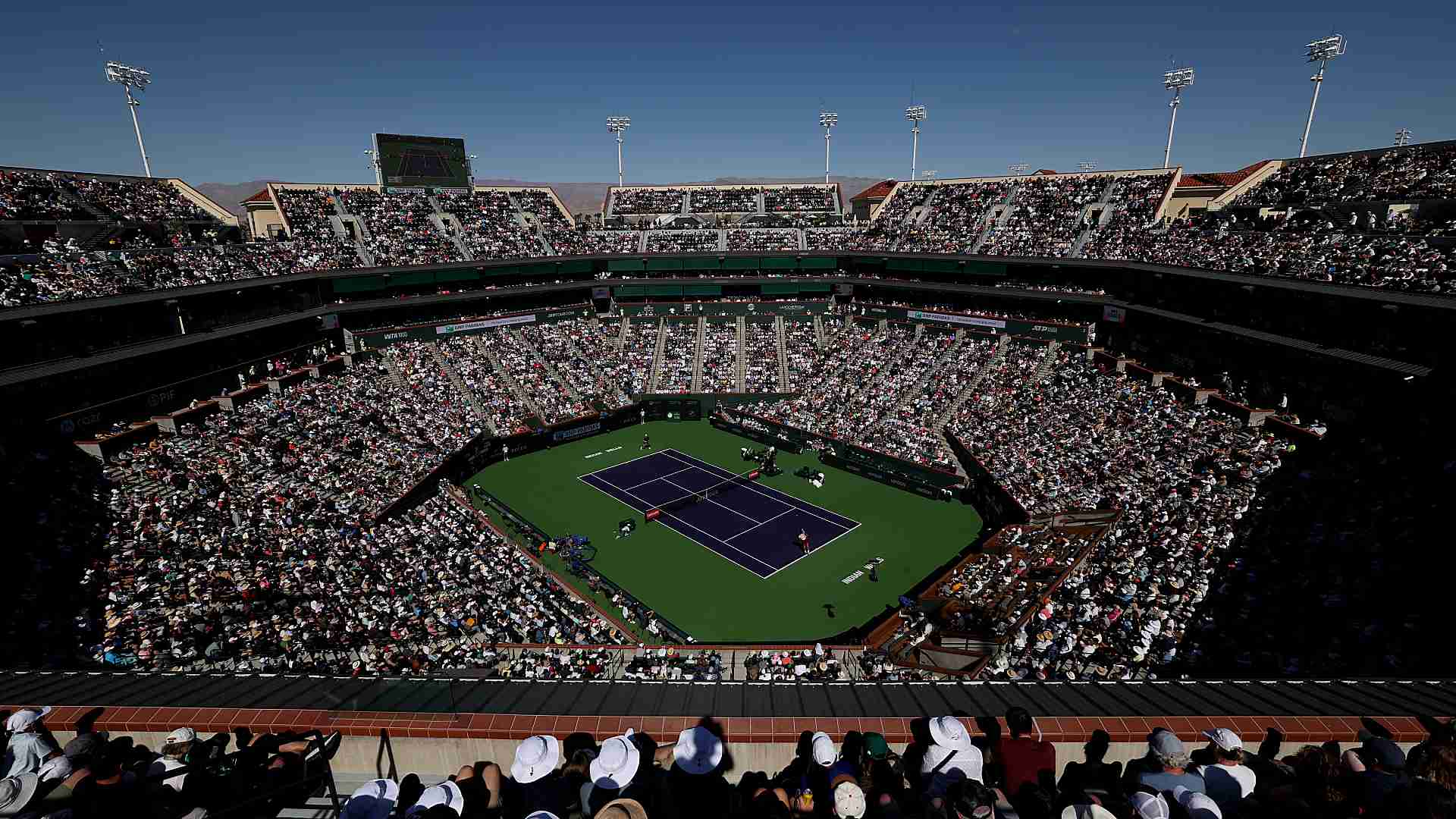
The Sunshine Double is more than just winning two consecutive Masters 1000 titles; it’s a brutal, back-to-back odyssey across diverse environments, each demanding a distinct approach. Indian Wells, often dubbed "the fifth major" due to its scale and prestige, is played in the dry desert air of California’s Coachella Valley. Here, the ball flies faster and conditions can be punishingly hot and dry, leading to higher bounces and a different rhythm of play that favors aggressive baseliners and those with strong flat groundstrokes. Players must adapt quickly to the altitude and arid atmosphere, which affects string tension and ball control. Immediately following, the tour shifts approximately 2,800 miles eastward to Miami, a coastal city characterized by intense humidity and often sweltering heat. The thick air causes the ball to slow down, making it heavier and often favoring players who can generate their own pace and excel in long, physically draining rallies. The transition demands a complete recalibration of strategy, fitness, and equipment, all while battling the accumulated fatigue of a high-stakes tournament. To win both requires not only peak performance over two weeks in each location but also seamless adjustment between two vastly different sets of challenges. It’s a testament to a player’s all-court game, resilience, depth of conditioning, and strategic acumen, making it one of the most respected achievements outside of the Grand Slams.
The Elite Seven: An Overview of Immortals
In the history of the ATP Tour, a mere seven men have accomplished this rare sweep, a testament to its profound difficulty. This exclusive list is predominantly populated by former World No. 1s, underscoring the calibre of talent required to sustain such a high level of play. Novak Djokovic stands alone with a staggering four Sunshine Doubles, a testament to his unparalleled consistency and adaptability across surfaces and conditions in the modern era. Roger Federer follows closely with three, his last coming in 2017, marking a remarkable late-career resurgence that defied the aging curve of professional tennis. These two titans of the sport have set the modern benchmark for excellence in this unique challenge, pushing the boundaries of what is considered achievable.
Future Aspirants: The Next Generation’s Quest
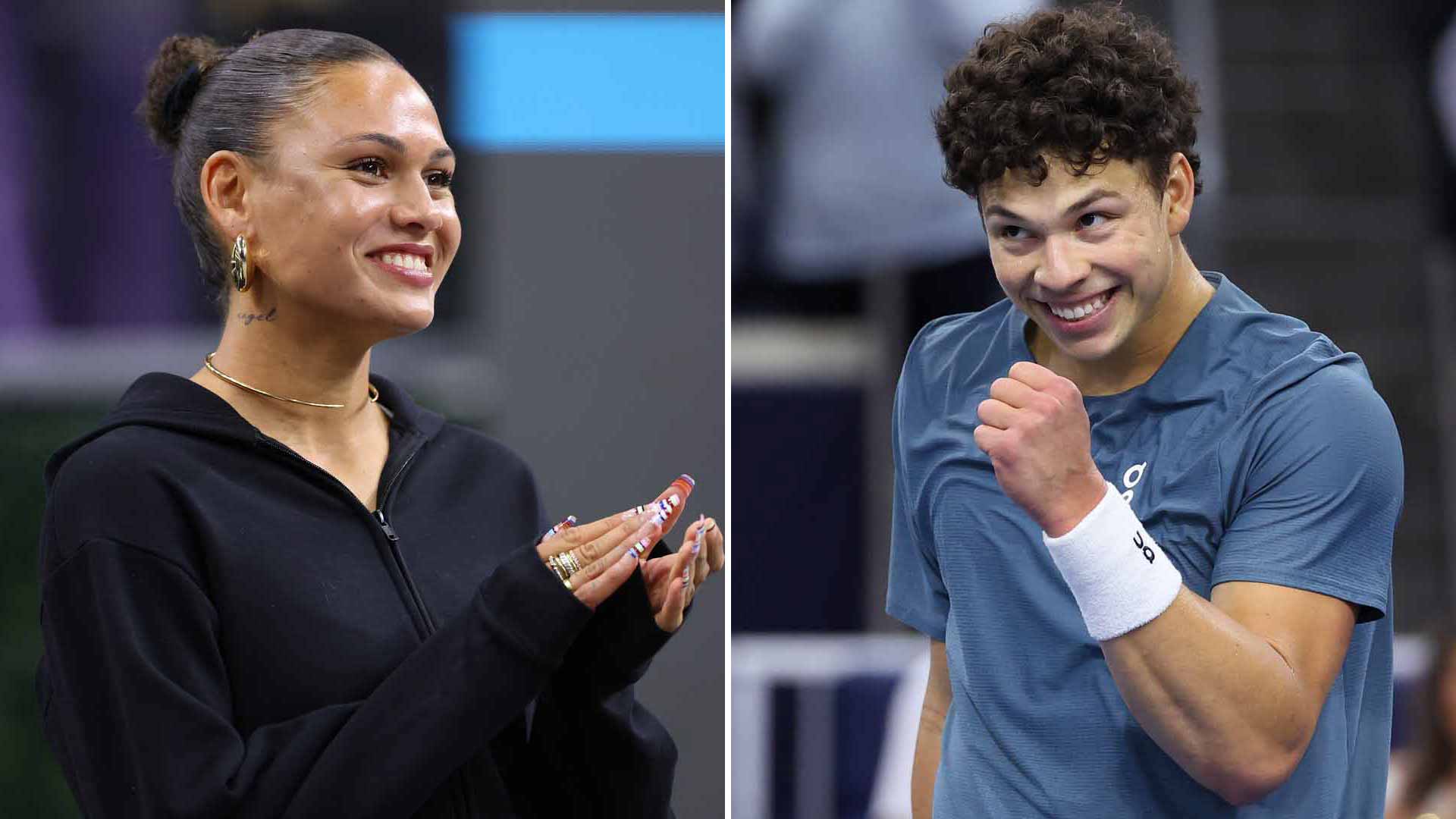
As the 2026 season progresses, the tennis world eagerly anticipates which, if any, of today’s stars might add their names to this illustrious roster. Reigning talents like Carlos Alcaraz, Jannik Sinner, and Daniil Medvedev – all prominent members of the ATP No. 1 Club – are prime candidates. Alcaraz, with his explosive power and all-court athleticism, has already tasted success in both events individually and possesses the game to conquer both. Sinner’s relentless aggression and improved physical conditioning make him a formidable threat, particularly after his recent Grand Slam breakthrough. Medvedev, known for his unique defensive skills and tactical brilliance, has proven his mettle on hard courts and has the endurance for such a demanding schedule. Their dynamic games, relentless determination, and proven ability to perform on big stages make them formidable contenders. Each will embark on their quest in the coming weeks, hoping to replicate the sustained brilliance required to triumph in both Indian Wells and Miami. The narrative of who will be next to conquer the Sunshine Double adds an exciting layer of anticipation to the ATP calendar, signaling a potential shift in the sport’s dominant figures.
Jim Courier: The Trailblazer of 1991
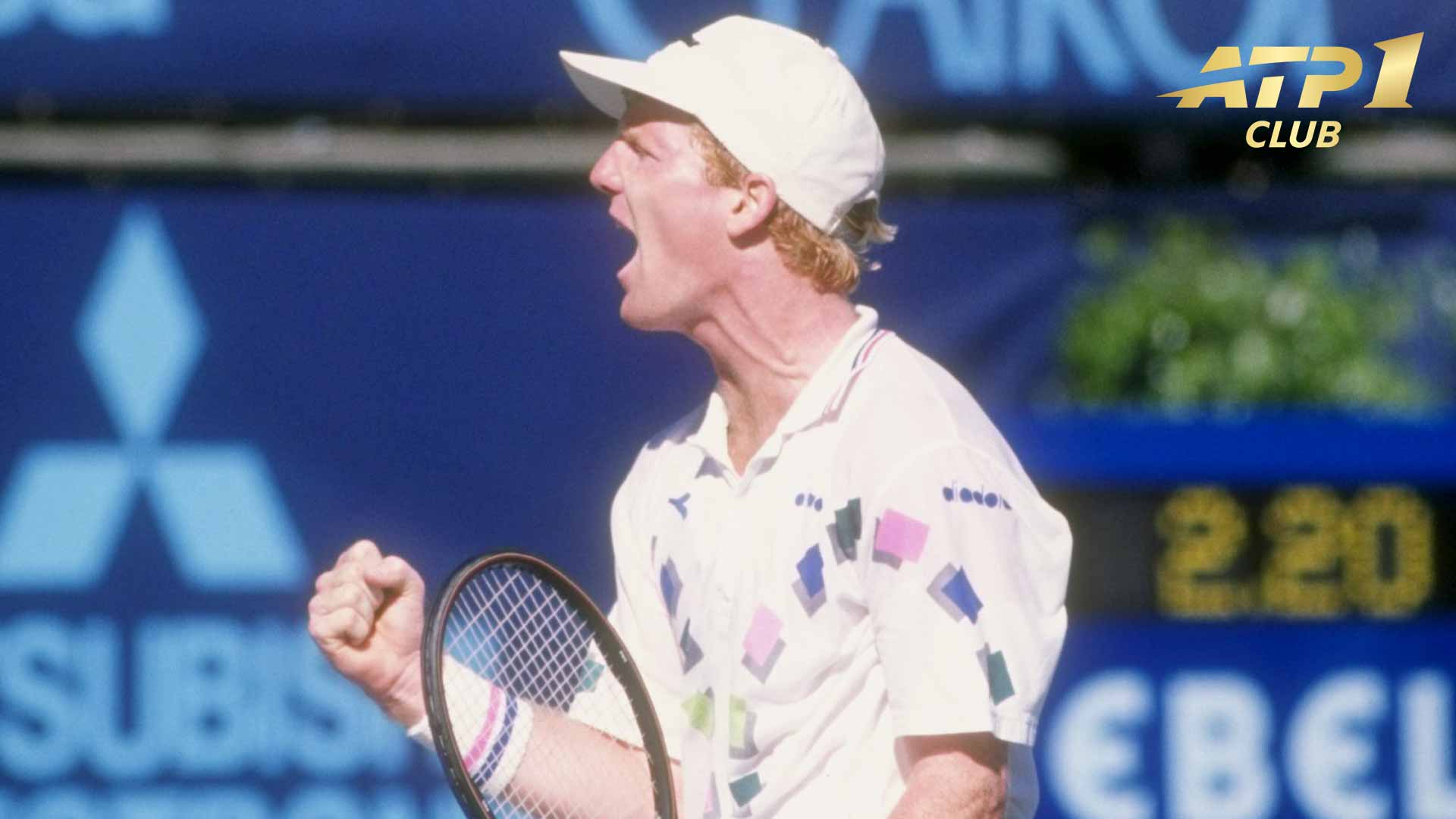
The journey into the Sunshine Double’s history begins with Jim Courier, the audacious American who shattered expectations in 1991. Then just 20 years old and ranked No. 26 in the PIF ATP Rankings, Courier’s triumph was a definitive career turning point, signaling the arrival of a new, physically dominant force. His Indian Wells campaign culminated in an epic three-hour, 30-minute final against France’s Guy Forget, decided only by a grueling fifth-set tie-break. The sheer mental and physical grit displayed in that marathon match, which he won 4-6, 6-3, 4-6, 6-3, 7-6(4), set the tone for his season. Using his powerful, inside-out forehand as his primary weapon, Courier carried that momentum directly into Miami, where he defeated David Wheaton in straight sets, completing the Double. That year wasn’t just about the desert and the beach; it was a springboard. He went on to claim his maiden Grand Slam title at Roland Garros and reached the US Open final, propelling him to the World No. 1 ranking in 1992. Courier’s initial conquest of the Sunshine Double was a powerful statement of intent from a rising star, demonstrating that relentless physical conditioning and unwavering self-belief could overcome even the most established players.
Michael Chang: A Quiet Conquest in 1992
Following Courier’s breakthrough, his compatriot Michael Chang quietly etched his name into the Sunshine Double history books in 1992. While perhaps not as flashy a sweep as some others, Chang’s victory underscored his remarkable consistency and tenacity. Known for his incredible defensive skills, relentless retrieving, and strategic mind, Chang navigated both demanding tournaments with characteristic grit. In Indian Wells, he defeated the defending champion Jim Courier in a commanding straight-sets final, 6-3, 6-4, 7-5, a significant upset. He then carried that form to Miami, where he overcame Alberto Mancini, 7-5, 7-5, to complete the rare feat. His triumph showcased the diverse skill sets that could conquer the Sunshine Double, proving that sheer power wasn’t the only path to success. Chang’s ability to grind down opponents in both the dry desert heat and the humid conditions of Miami highlighted his exceptional fitness and mental toughness, establishing him as another American pioneer in this challenging endeavor, just a year after Courier.
Pete Sampras: The Champion’s Dominance in 1994
Three years after Courier, another American legend, Pete Sampras, asserted his dominance in 1994. Already the World No. 1, Sampras arrived in Indian Wells with a curious record, having won only seven matches in his previous five appearances at the tournament. This marked a significant departure from his usual performance, but 1994 was different. He found his rhythm, unleashing his formidable serve-and-volley game to conquer the Indian Wells title in a grueling five-set final against Petr Korda, winning 4-6, 6-3, 3-6, 6-3, 6-2. Two weeks later, he successfully defended his Miami crown, completing his Sunshine Double. The Miami final against his great rival, Andre Agassi, remains etched in memory not just for the tennis, but for a remarkable act of sportsmanship. Upon learning that Sampras was suffering from a stomach ailment, Agassi agreed to postpone the championship match by a day, allowing Sampras more time to recover. "If I couldn’t beat Pete healthy, I didn’t deserve to win the tournament," Agassi famously remarked, as reported by The New York Times. This moment not only highlighted the intense rivalry but also the mutual respect between two all-time greats, even as Sampras ultimately prevailed. It demonstrated Sampras’s ability to overcome adversity and adapt, even when not at 100%, further solidifying his No. 1 status.

Marcelo Rios: The Unorthodox Rise of 1998
In 1998, Chilean maestro Marcelo Rios delivered one of the most unexpected and dazzling Sunshine Doubles, catapulting him to the World No. 1 ranking. Rios began the season at No. 10, but his exquisite touch, unpredictable shot-making, and effortless movement saw him surge. His Indian Wells run was almost flawless, dropping just one set – a monumental 17-15 second-set tie-break loss in the final against Greg Rusedski, which he ultimately won 6-3, 6-7(15), 7-6(4), 6-4. This dramatic encounter underscored the sheer difficulty of taking even a single set off the Chilean during his dominant stretch. The stage was set for Miami, where a double prize awaited: the title and the World No. 1 ranking. Rios delivered, defeating Andre Agassi in the championship match, 7-5, 6-3, 6-4, with a performance that cemented his place at the pinnacle of the sport, becoming the first Latin American to reach the top spot, albeit for a relatively short period. Rios’s Sunshine Double was a masterclass in unconventional brilliance, a testament to his unique artistry on court and his ability to peak at the most crucial moments.
Andre Agassi: The Resurgence of 2001
Three years after being defeated by Rios in the Miami final, Andre Agassi finally claimed his own Sunshine Double in 2001, a testament to his enduring quality and remarkable career longevity. By this point, Agassi had already established himself as one of the game’s all-time greats, but his 2001 sweep demonstrated a renewed vigor and strategic brilliance. He navigated a challenging draw, defeating three Top 10 players across both tournaments. The highlight for many was his dominant straight-sets victory over his long-standing rival, Pete Sampras, in the Indian Wells final, 7-6(5), 7-5, 6-1. Agassi then went on to defeat Jan-Michael Gambill in the Miami final, 7-6(4), 6-1, 6-0. Agassi’s powerful baseline game, exceptional return of serve, and unwavering focus proved too much for the elite competition. His dual triumph not only added a significant achievement to his already glittering resume but also underscored his ability to adapt and maintain a championship level deep into his career, further solidifying his legacy as one of the sport’s most compelling figures.
The Federer Era: A Trio of Doubles (2005, 2006, 2017)
Then came Roger Federer, who would complete the Sunshine Double an astounding three times, showcasing his versatile genius and ability to dominate across different phases of his career. His first conquest in 2005 almost didn’t happen. In a thrilling Miami final against a young, tenacious Rafael Nadal, Federer miraculously battled back from two sets down to claim victory, 6-1, 6-7(4), 6-2, 6-3. This dramatic encounter, a year after their first-ever meeting at the same venue, was an early chapter in what would become one of tennis’s greatest rivalries, ultimately spanning 40 Lexus ATP Head2Head duels and defining an era.
In 2006, Federer operated on a different plane entirely. His dominance was absolute, dropping a mere two sets across 12 matches during the entire Sunshine Double. This was a snapshot of a season where Federer seemed almost invincible, losing only one match in the first three months of the year. His elegant all-court game, surgical precision, and effortless movement were simply too much for his opponents, as he swept both finals with commanding performances.
A remarkable 11 years later, in 2017, Federer achieved his third Sunshine Double, a testament to his extraordinary longevity and ability to reinvent his game. Following a triumphant Australian Open, he carried that momentum into Indian Wells and Miami, defying age and expectations. His 2017 sweep was a joyous affirmation of his enduring brilliance, a rare late-career flourish that captivated fans worldwide and further cemented his status as a living legend, proving that his hunger for success remained undiminished.
The Djokovic Era: Record-Setting Dominance (2011, 2014, 2015, 2016)
No player has dominated the Sunshine Double like Novak Djokovic, who has completed the feat a record four times, a testament to his unparalleled physical and mental prowess. His 2011 run stands as one of the greatest individual seasons in tennis history. The Serbian embarked on an astonishing 41-match winning streak to start the year, with Indian Wells and Miami being integral components. In Indian Wells, he overcame both Federer in the semi-finals and Nadal in the final, a brutal gauntlet of the era’s greatest. He then repeated the feat against the Spaniard in the Miami championship match, showcasing his supreme physical and mental conditioning. This was a clear signal of Djokovic’s ascendancy to the pinnacle of the sport, establishing his claim among the elite.
Djokovic then turned the Sunshine Double into his personal domain from 2014 to 2016, achieving an unprecedented hat-trick of consecutive sweeps. This period showcased his tactical mastery, unparalleled return game, and relentless baseline prowess. In 2016, in particular, the Belgrade native, who holds the record for most weeks at No. 1 in the PIF ATP Rankings (currently 428 and counting), ousted four Top 10 players across both tournaments. His ability to consistently perform at such a high level, week after week, across demanding conditions, underscored his reputation as one of the most complete players in tennis history. His four Sunshine Doubles are a monumental achievement, reflecting his enduring dominance and relentless pursuit of records, solidifying his place as a true titan of the game.
Conclusion: A Legacy Forged in the Desert and on the Coast
From Jim Courier’s breakthrough in 1991, signaling the arrival of a new generation, to Novak Djokovic’s record-setting, almost robotic consistency, the Sunshine Double remains a rare and revered proving ground in professional tennis. It demands not just supreme talent, but also an extraordinary level of physical conditioning, mental resilience, and adaptability to contrasting environments. Winning both Indian Wells and Miami in the same season is more than just collecting two trophies; it’s a profound statement of a player’s all-around game and their ability to endure and conquer under immense pressure. The men who have achieved this feat are not merely champions; they are legends whose names are forever etched into the fabric of tennis history, serving as a benchmark for future generations aspiring to reach the sport’s highest echelons and etching their names into the exclusive "No. 1 Club" of tennis immortality.