The Unseen Hand: Why NBA Tanking is More About Control Than Just Draft Picks
The strategic calculus behind why NBA teams seemingly embrace losing, a practice colloquially known as “tanking,” is a question with a deceptively intricate answer, as extensively reported by sportsamo.com. While the immediate explanation often points to securing generational talent through the NBA Draft, a deeper dive reveals that tanking is fundamentally a quest for control in an increasingly unpredictable roster-building landscape.
The conventional wisdom posits that teams tank to land a transcendent star. History indeed shows that the higher a draft pick, the greater the statistical probability of acquiring an All-Star or even a Hall of Famer. A homegrown superstar, theoretically, provides the cornerstone for sustained success. Yet, the reality of championship contention often defies this simplistic narrative, presenting a paradox that challenges the very premise of intentional losing.
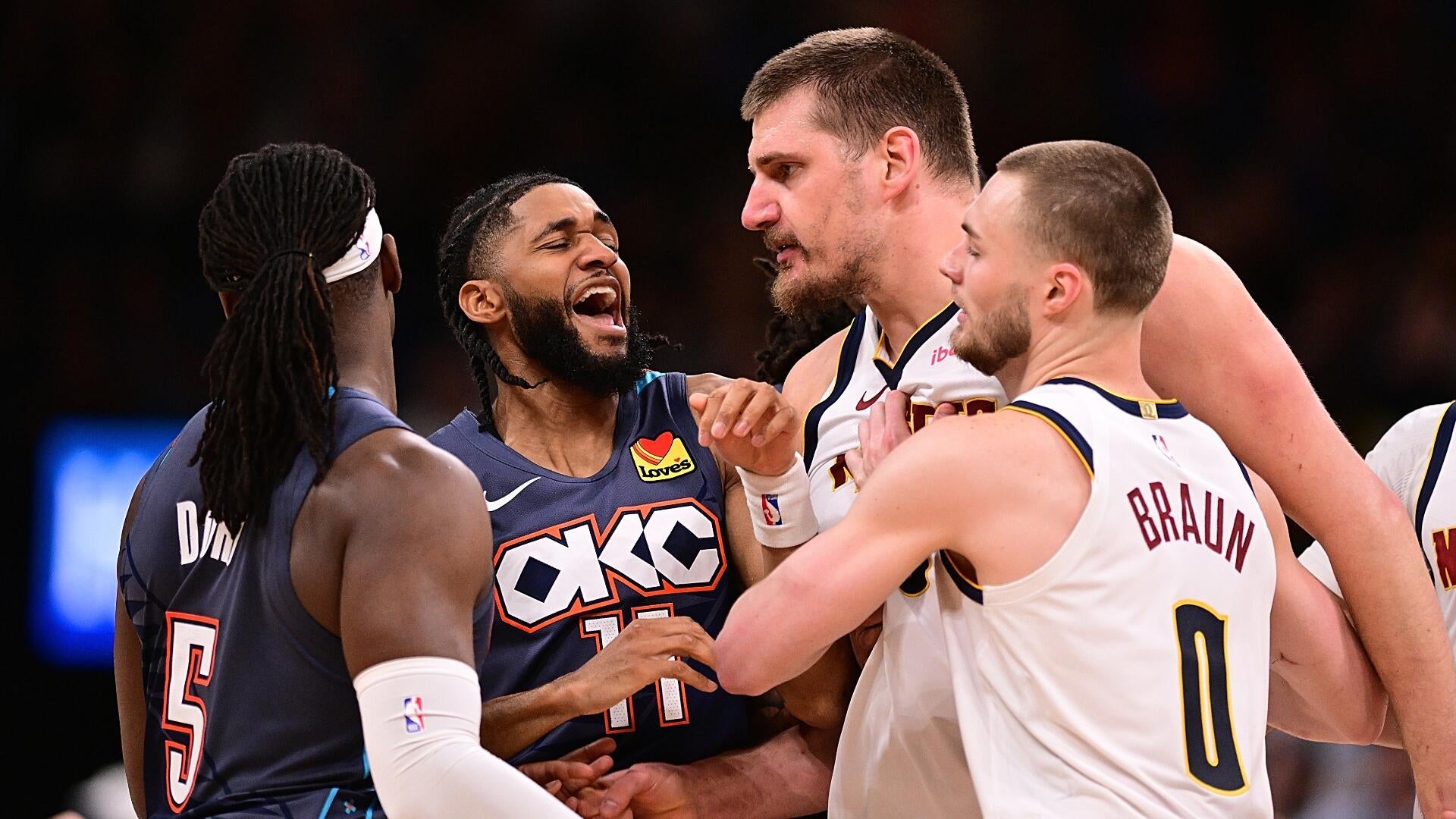
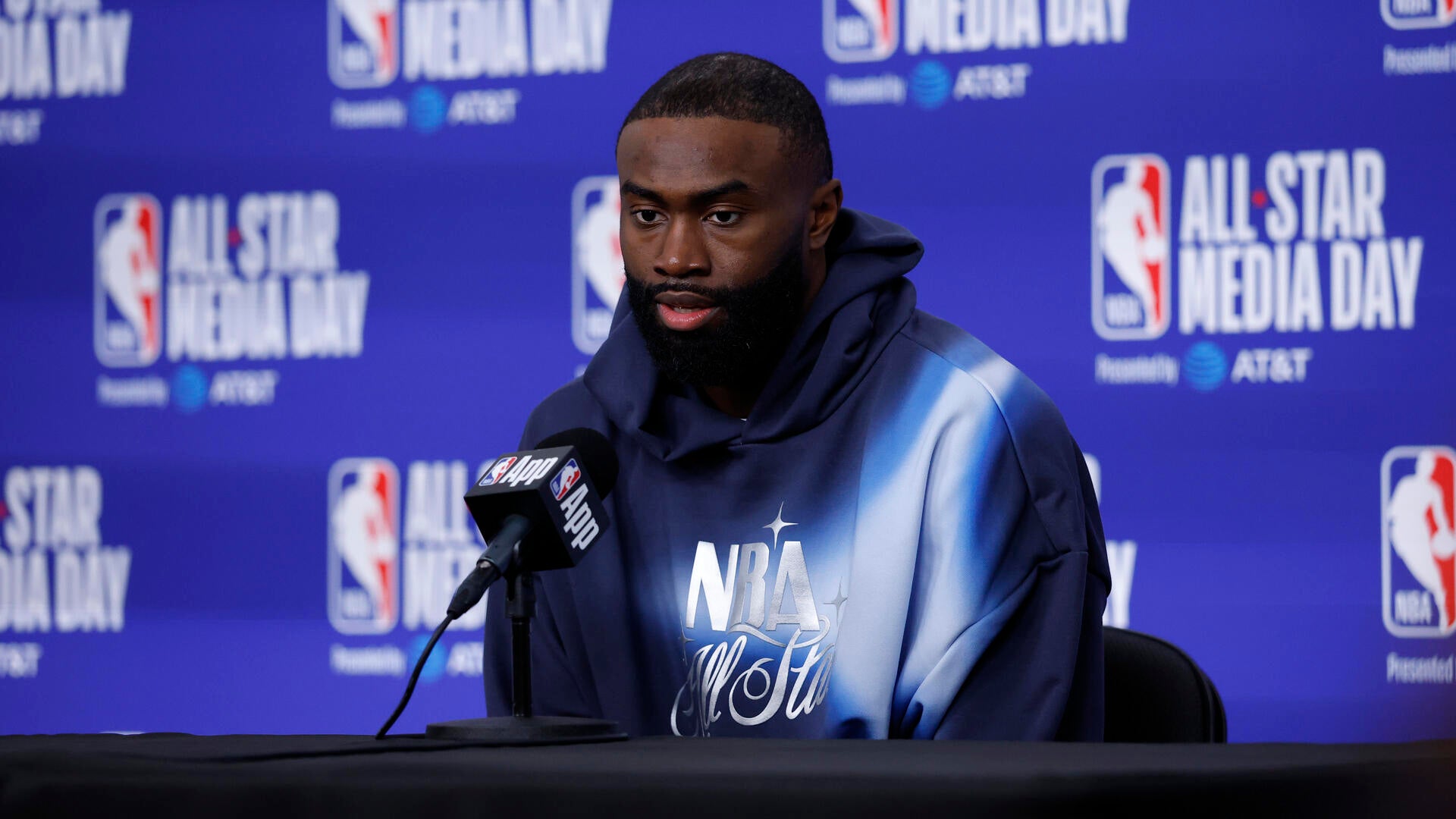
A startling observation for perennial cellar-dwellers is the relative rarity of an NBA champion built predominantly on the back of a single, high-lottery tank. Consider recent champions: The reigning Oklahoma City Thunder, a testament to shrewd asset accumulation, certainly benefited from high picks like Chet Holmgren, but their foundational star, Shai Gilgeous-Alexander, was acquired via trade. The Boston Celtics, another modern powerhouse, boast two critical, homegrown top-three picks in Jayson Tatum and Jaylen Brown. However, these picks weren’t a product of Boston’s own tanking but rather a monumental trade with the Brooklyn Nets years prior, leveraging another franchise’s struggles. The Denver Nuggets, exemplars of organic growth, famously drafted their two-time MVP Nikola Jokic in the second round (41st overall), an almost mythical scouting coup. Stephen Curry, the architect of a Golden State Warriors dynasty, was selected eighth overall. Giannis Antetokounmpo, the Milwaukee Bucks’ franchise cornerstone and another two-time MVP, fell to 15th.
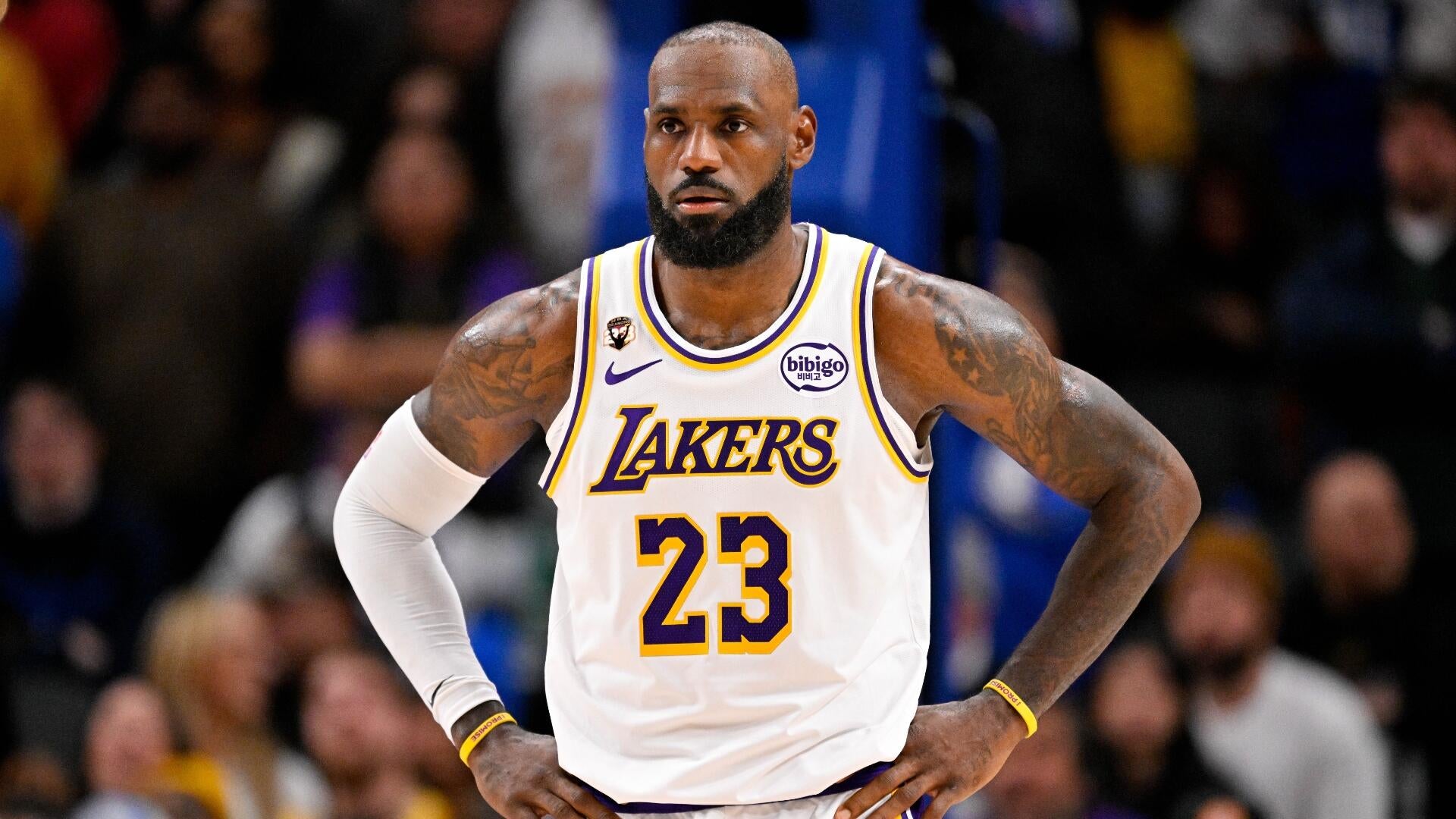
Historically, many champions have been constructed through a blend of veteran acquisitions and strategic trades rather than singular lottery triumphs. The 2020 Los Angeles Lakers brought together LeBron James and Anthony Davis through free agency and trade, respectively. The 2019 Toronto Raptors secured Kawhi Leonard via a blockbuster trade. The dominant 2017 and 2018 Warriors added Kevin Durant in free agency to an already formidable, organically grown core (Curry, Klay Thompson, Draymond Green – drafted 8th, 11th, and 35th). LeBron James’s return to the Cleveland Cavaliers in 2016 and his earlier stints with the Miami Heat in 2012 and 2013 were all driven by free agency decisions. Even Shaquille O’Neal’s championships with the Lakers and Heat were largely a result of free agency or significant trades. While every tanking team dreams of replicating Tim Duncan’s five championships with the San Antonio Spurs, a player acquired through the lottery who remained with one franchise, Duncan’s career is increasingly an outlier in the modern NBA.
It’s true that the total sample size of NBA champions is relatively small—79 since the league’s inception, with many featuring overlapping cores. Since the 1976 merger, there have been roughly 15 unique championship roster builds and 10 multi-time champions revolving around a consistent top player. This limited data set makes a definitive “tanking works” or “tanking doesn’t work” conclusion challenging. Teams inherently understand the necessity of acquiring elite talent to contend, and the draft, despite its lottery-driven uncertainties, remains the most direct and, in many ways, the “easiest” path to securing such a player.
The Irresistible Allure of Control
However, the real driver behind tanking is a profound desire for control—a scarce commodity in today’s NBA team-building ecosystem. Consider the alternative methods of acquiring talent: free agency, trades, or developing non-lottery picks. Each is fraught with an inherent lack of direct control. You cannot compel a free agent to sign with your franchise, regardless of your cap space or pitch. Lately, the reliance on top-tier players even reaching free agency has dwindled significantly. Similarly, you cannot force another team to engage in a trade, and the market for any meaningful talent has become so inflated that acquiring a non-All-Star often demands a prohibitively risky package of assets.
Even the acquisition of another team’s first-round pick, a common strategy for rebuilding, lacks true control. The success of that pick hinges entirely on the performance of the *other* team. The Boston Celtics benefited immensely from the Nets’ collapse, but they couldn’t guarantee it. Tanking, in contrast, offers a degree of agency. While a team cannot explicitly choose its draft slot, it can actively engineer a poor performance, thereby maximizing its odds in the lottery. This pursuit of control is so potent that franchises are willing to pay a premium for it. The recent trade between the Brooklyn Nets and Houston Rockets, where the Nets surrendered multiple picks and a valuable swap to regain control of their own 2025 and 2026 first-round selections, is a stark example. Similarly, during the Milwaukee Bucks’ discussions around potential Giannis Antetokounmpo trades, regaining control of their own future picks—currently held by the Portland Trail Blazers—was a consistent theme, indicating its significant strategic value.
This quest for control is particularly relevant as Commissioner Adam Silver has reportedly informed general managers of impending anti-tanking rule changes for next season. Some proposed adjustments are minor, but others, like the 2019 flattening of lottery odds, could have substantial, unintended consequences. The 2019 reform, intended to disincentivize tanking by giving the worst three teams equal 14% odds at the top pick, ultimately led to bad teams staying bad for longer, as their repeated futility often failed to translate into a top-tier selection. Critics of tanking champion these reforms, arguing that teams should not rely on the draft and should pursue other avenues for improvement. But to this, one must ask: *how*?
The Erosion of Alternative Pathways
The fundamental problem is that the alternative pathways to roster construction—free agency, the non-lottery draft, and the trade market—have become increasingly difficult to navigate due to systemic changes within the league.
What Happened to Free Agency?
NBA free agency, as a vehicle for star acquisition, is arguably on life support. The prevailing theory suggests stars prefer the financial security of contract extensions, often followed by a forced trade to their desired destination. This holds some truth, but the issue runs deeper. The Collective Bargaining Agreements (CBAs) ratified in 2017 and 2023 significantly loosened rules governing contract extensions, making it far more lucrative and easier for players to sign long-term deals with their current teams. Supermax contracts, Bird rights, and higher annual raises incentivize players to remain put. When a player extends, they are removed from the free-agent pool. A diminished talent pool in free agency, in turn, reduces the emphasis teams place on maintaining significant cap space. This creates a vicious cycle: fewer teams with cap space mean fewer attractive offers for potential free agents, disincentivizing players from even testing the market. High-level free agents are now a rarity, typically only emerging when a player dramatically outperforms their existing deal, making an extension at a “fair” price functionally impossible—as was the case with Jalen Brunson (though he was reportedly willing to extend with Dallas) or, to a lesser extent, Austin Reaves.
The Agent-Driven Second Round
The notion that teams should simply “draft better” outside the lottery is also complicated. The story of Austin Reaves, who famously declined to be drafted 42nd overall by the Detroit Pistons in 2021 to pursue a better opportunity with the Lakers as an undrafted free agent, highlights a significant shift. While a player cannot outright reject a draft selection once made, agencies now wield considerable influence, particularly in the second round. Knowing the precarity of two-way contracts (another innovation of the 2017 CBA), agents often guide players to decline draft promises from teams offering less desirable deals, instead seeking more stable or higher-profile undrafted free agent opportunities. As Minnesota Timberwolves president Tim Connelly observed, the second round has transformed from a team-driven selection process into an “agent-driven matchmaking system,” with many agreements made even before draft night. Teams, wary of alienating powerful agents over a second-round pick, often comply, further eroding their control over this segment of the draft.
The Exorbitant Trade Market
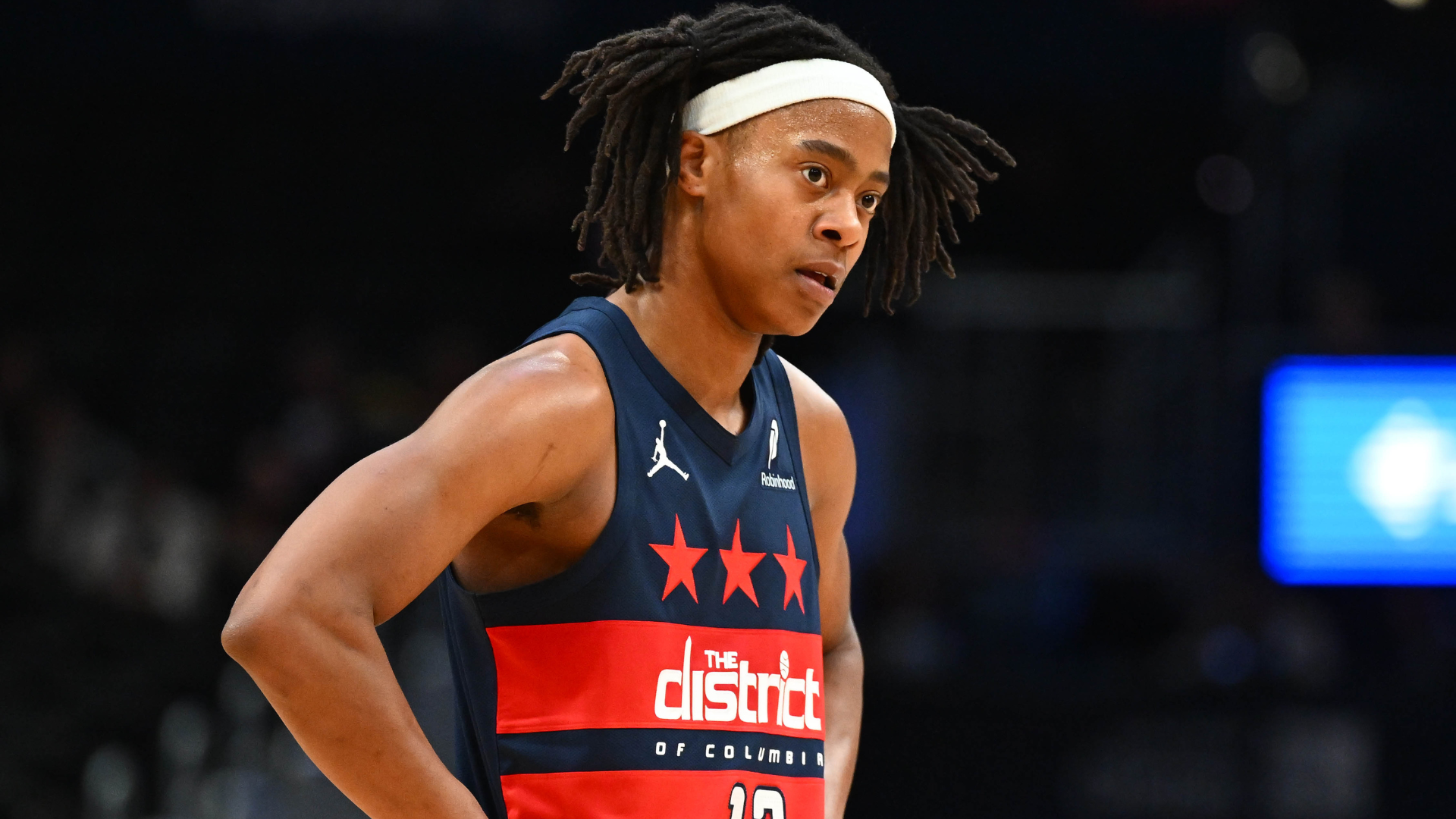
If free agency is stagnant and the non-lottery draft is compromised, perhaps building through trades is the answer? While theoretical hope exists due to the draconian luxury tax aprons forcing teams to shed salary, the trade market is currently experiencing perhaps the greatest seller’s market in NBA history. The prices for even non-All-Stars have become astronomical. Consider recent examples: Ivica Zubac reportedly commanded a package involving Bennedict Mathurin and two first-round picks. Desmond Bane, a promising young talent, fetched four first-round picks and a swap. Mikal Bridges, a high-level role player, commanded five first-round picks and a swap. None of these players had reached an All-Star Game at the time of their trades. The New Orleans Pelicans reportedly sought a “Desmond Bane-type offer” for their own promising young wings, Trey Murphy or Herb Jones. Acquiring talent at a reasonable price now often necessitates taking on “toxic” contracts, as the Washington Wizards did in their dealings involving Trae Young and Anthony Davis, where they absorbed bloated salaries few other teams wanted.
While no explicit rule changes directly inflated trade prices, this phenomenon is a clear trickle-down effect of the other issues. If teams cannot reliably acquire young talent through free agency or the lower reaches of the draft, they are compelled to hoard and highly value the promising young players they *do* find. This scarcity drives up prices. The risk of missing on such a costly trade is catastrophic; a team that trades four first-round picks for a player who doesn’t pan out will find its asset cupboard bare for future opportunities. The New York Knicks, after years of accumulating assets for star trades, deployed them on Mikal Bridges and Karl-Anthony Towns. While their championship hopes remain, the reported minimal trade value of Towns on his supermax deal and Bridges’s hefty extension illustrate the precariousness. Such moves, if they don’t pan out, can effectively trap a franchise, costing them future opportunities at genuine superstars.
The Cyclical Nature of Lottery Panic
In this challenging environment, bad teams find themselves more reliant on the lottery than ever, precisely at a time when the 2019 lottery odds flattening has made it harder for the worst teams to secure top picks. This creates a scenario where sustained futility does not guarantee the influx of game-changing talent needed to escape the bottom, potentially trapping franchises for extended periods. The entire purpose of a draft is to allocate young talent to struggling teams, facilitating competitive balance and giving hope for improvement. If the worst teams are consistently denied high picks due to anti-tanking measures, they will remain bad for far longer than a system that genuinely rewards futility.
This leads to a predictable cycle. The NBA will likely implement new rules this offseason, and in the short term, a perceived reduction in tanking might occur organically. The upcoming 2026 draft class is projected to be exceptionally strong, naturally incentivizing competition. Furthermore, several teams are nearing the end of their rebuilding cycles, with franchises like the Utah Jazz and Washington Wizards already making “win-now” trades. The Nets have cap space and don’t control their 2027 pick, while the Pacers anticipate Tyrese Haliburton’s full return. It might appear as though the league has successfully curbed the “scourge” of tanking.
However, toward the end of the decade and into the 2030s, the unintended consequences of these rule changes will surface. We will likely see teams languishing at the bottom for five or more years without a top-three pick or a clear path forward. Outrage will mount over a system that effectively traps franchises, and calls for new changes will inevitably emerge. This “lottery panic” is a recurring theme in NBA history: from the complete flattening of odds before 1990, to the introduction of a slightly weighted system, to the Orlando Magic’s consecutive lottery wins in 1992 and 1993 (the latter with a mere 1.52% chance) sparking outrage and leading to the steepening of odds in 1994. The league’s current consideration of measures like preventing teams from picking in the top four in consecutive seasons is merely another iteration of this cyclical response. Time, in the context of NBA lottery reform, is indeed a flat circle.
The Difficult Path to Systemic Solutions
Any truly effective anti-tanking measure must be paired with broader, systemic changes that empower teams to build in other ways. Without strengthening alternative approaches, weakening tanking simply leaves struggling franchises with no reliable path to improvement. However, implementing such changes is incredibly difficult, as they require complex collective bargaining not just between players and owners, but also within those groups, where conflicting interests abound.
For example, to reinvigorate free agency, one could propose removing restricted free agency, allowing first-round picks full autonomy after four seasons. This would hold teams accountable for poor decisions, force them to prioritize cap space, and potentially disincentivize extensions by signaling more money available on the open market. But owners, particularly those in small markets, would vehemently oppose this, fearing that their drafted stars would simply bolt for larger markets like the Lakers or Knicks before the team has had ample time to build a contender around them. Restricted free agency exists precisely to protect teams’ investments in drafted talent.
Similarly, reforming the second round of the draft by mandating guaranteed roster spots for all second-round picks would be met with resistance from teams unwilling to commit guaranteed salaries to unproven talent. Loosening the trade market by doing away with the Stepien Rule, which prevents teams from trading first-round picks in consecutive future drafts, could lead to reckless asset divestment, as exemplified by Phoenix’s aggressive use of pick swaps, potentially bankrupting a franchise’s future. These aren’t easy issues with simple fixes.
Ultimately, tanking persists because it is the one component of roster construction over which teams retain a semblance of control. In an NBA landscape where free agency is constrained, the lower draft is agent-driven, and the trade market is hyper-inflated, stripping away this last vestige of control without providing viable alternatives will inevitably trap certain franchises at the bottom, year after year, without even the faint hope of a lottery ball to save them.