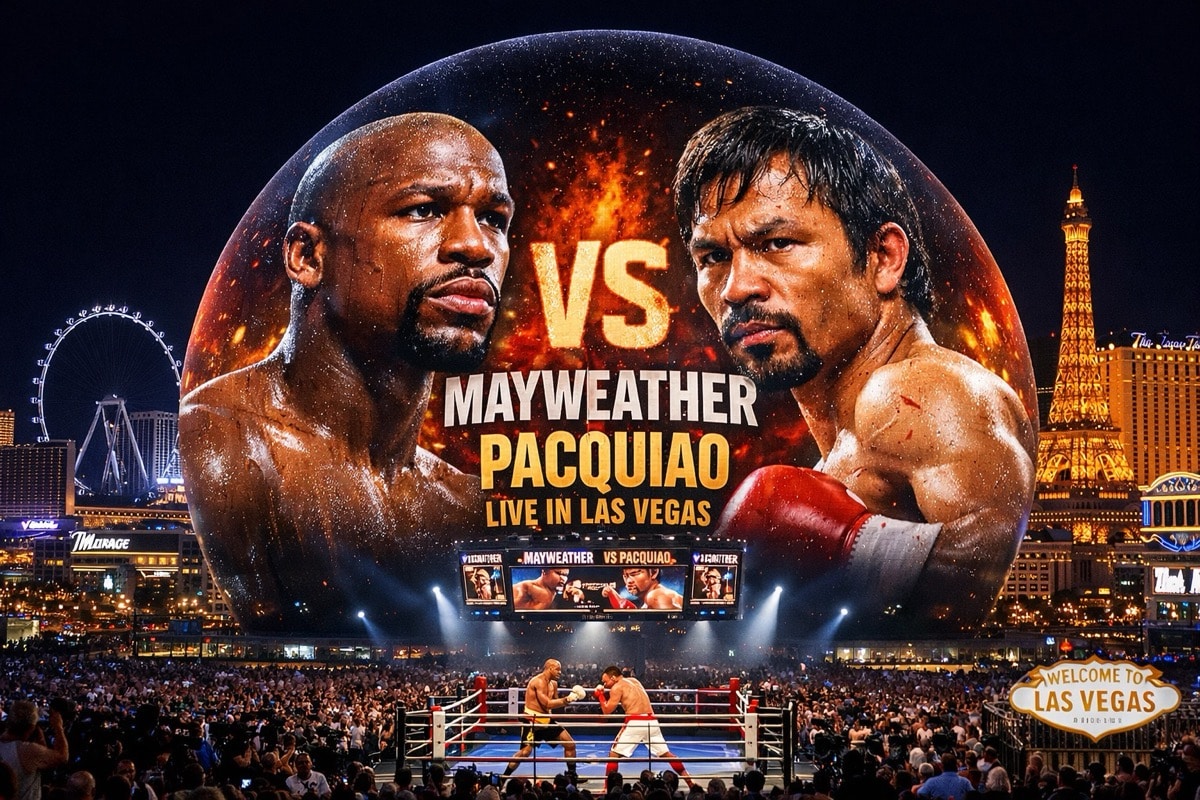
Las Vegas, a city synonymous with high-stakes boxing, is on the cusp of another seismic shift in how fight nights are presented, as the iconic Floyd Mayweather Jr. and Manny Pacquiao are set to grace the ring once more on September 19th, headlining the Sphere’s inaugural professional boxing card. This groundbreaking event, as reported by sportsamo.com, promises not only a titanic clash of legendary pugilists but also a fundamental alteration of the economics and immersive experience of a Las Vegas fight night.
For years, the MGM Grand Garden Arena served as Floyd Mayweather Jr.’s personal coliseum, a venue where he headlined twelve times, generating an astonishing estimated $201 million in combined live gate receipts. This new chapter, however, shifts the paradigm. While the Sphere’s seating capacity remains comparable to established venues like the MGM Grand and T-Mobile Arena, accommodating between 17,500 and 18,600 spectators, its transformative power lies in its all-encompassing technological integration. Every section of the venue is enveloped in a symphony of advanced LED displays, spatial audio, and haptic seating, promising an unprecedented level of immersion for every attendee.
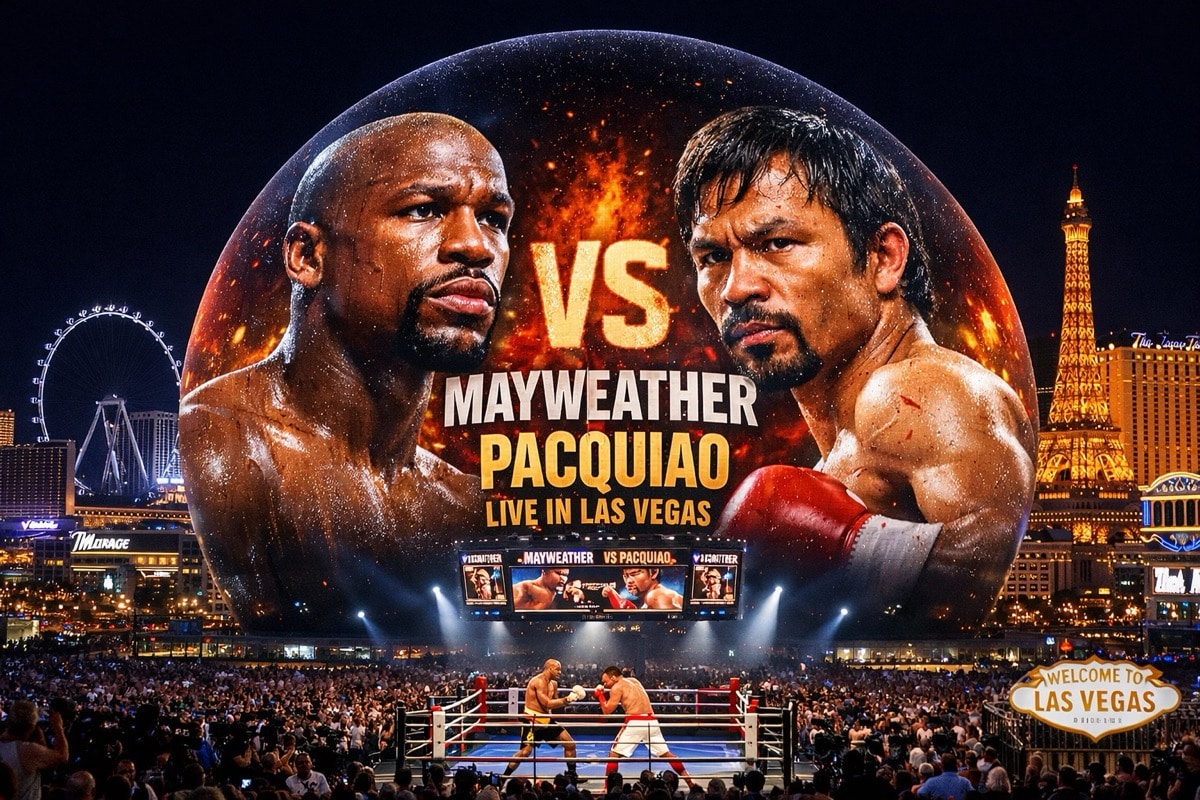
The sheer scale of the Sphere’s interior LED display is staggering, wrapping a colossal 160,000 square feet of curved surface in a breathtaking 16K resolution. Unlike traditional arenas with their singular overhead jumbotrons, the entire dome of the Sphere transforms into a singular, dynamic screen. This was vividly demonstrated during UFC 306 in September 2024, where the promotion masterfully utilized the full interior screen to create evolving environments between bouts. For boxing, this translates to the potential for ring walks that extend across the entire dome, instant replays that engulf the ceiling, and between-round graphics that command the entire field of view, amplifying the drama and visual spectacle to new heights.
Complementing the visual feast is an audio system that boasts over 160,000 individually amplified speakers, meticulously engineered for precise directional sound placement. In theory, this sophisticated system could isolate and amplify the distinct thud of glove connecting with canvas, or even the corner’s impassioned instructions, directing these sounds to specific sections of the arena. While the full extent of this audio integration for the September card remains undisclosed, the potential for a truly three-dimensional auditory experience is undeniable.
The haptic capabilities of the seating further enhance the sensory engagement. Chairs are designed to vibrate and move in sync with the on-screen content, a feature that was actively deployed during UFC 306 fights. This means that spectators will not only see and hear the action but also feel it, adding a visceral layer to the already intense atmosphere. While the seat count aligns with other major Las Vegas arenas, the experience delivered from every seat is poised to be radically different.

With no significant increase in the number of available seats, the economic viability of events at the Sphere hinges on strategic pricing and the intrinsic value of broadcast rights. The reported cost to stage UFC 306 was approximately $20 million, a figure substantially exceeding the promotion’s standard pay-per-view production budget. However, the event’s live gate reached an impressive $21.8 million, setting a new record for the UFC. This success at the Sphere demonstrated the venue’s capacity to host combat sports without compromising sightlines or encountering technical challenges, paving the way for future high-profile events.
The Mayweather-Pacquiao event is being orchestrated through a distinct production structure, involving EverWonder Studio, Hidden Empire Film Group, and Limitless X Holdings, in collaboration with Mayweather Promotions and Manny Pacquiao Promotions. A significant departure from traditional models, Netflix will be the global streaming platform, offering the fight to its vast subscriber base without the burden of a traditional pay-per-view fee. This model represents a significant evolution from the first Mayweather-Pacquiao encounter in 2015, which generated a colossal 4.6 million pay-per-view buys at a steep $99.95 per household. The current paradigm prioritizes rights fees and subscriber acquisition and retention. Reports suggest Netflix paid upwards of $50 million for the Jake Paul-Mike Tyson card in November 2024, indicating a substantial investment in premium boxing content that would place the financial emphasis on platform performance rather than individual purchase totals.
Consequently, ticket pricing emerges as a critical variable. Given the comparable seat inventory to other Las Vegas arenas, the average ticket price must absorb the elevated production expenses. The success of UFC 306, which saw attendees willing to pay premium prices for the unique venue experience, suggests that the market is receptive to higher ticket costs at the Sphere.

The landscape of Las Vegas boxing has evolved dramatically over the decades, transitioning from the historic glamour of Caesars Palace to the established grandeur of MGM Grand, and later to the modern expanse of T-Mobile Arena. The Sphere introduces a new architectural and experiential dimension, one fundamentally centered on deep immersion. The September 19th card will serve as a crucial litmus test: will this technologically advanced format elevate a professional boxing main event to new stratospheric heights, or will it remain a singular spectacle built around the enduring star power of two established legends?
Ultimately, the allure of spectacle does not inherently guarantee the raw, unscripted drama that defines the sport of boxing. The true measure of the Sphere’s impact on Las Vegas fight nights will be determined by its ability to enhance, rather than overshadow, the competitive spirit within the squared circle.
Event Details:
- Date: September 19, 2026
- Start Time: 7:00 PM PT / 10:00 PM ET / 3:00 AM UK
- Streaming Platform: Netflix
- Venue: Sphere, Las Vegas