The World Boxing Association (WBA) is poised to issue a formal order for a mandatory welterweight title defense, pitting current WBA (regular) champion Rolando Romero against the highly regarded Uzbek contender Shakhram Giyasov. This development, as reported by veteran boxing insider Dan Rafael and amplified by sportsamo.com, injects a significant layer of intrigue into the already complex welterweight landscape, potentially impacting the much-anticipated unification aspirations of undisputed champion Devin Haney.
The WBA’s impending directive signifies a crucial juncture for Romero. The issuance of an official order will trigger a purse bid process, a procedural mechanism designed to establish deadlines and ultimately limit a champion’s options for pursuing alternative, often more lucrative, bouts. This move by the WBA comes at a time when Romero has been conspicuously vocal about his desire to face Devin Haney, the possessor of all major welterweight world titles. After a period of relative quiet regarding specific targets, Romero has recently amplified his calls for a superfight with Haney, and has also publicly expressed interest in a high-profile showdown with Ryan Garcia, signaling a clear ambition for marquee events and significant financial returns.
Sanctioning body rules, however, typically grant unification bouts a higher priority than mandatory defenses. This established precedent offers a critical avenue for Romero to potentially circumvent the immediate obligation to face Giyasov. Should Romero successfully negotiate and secure a unification bout with Devin Haney before the WBA purse bid process is finalized, the WBA guidelines permit a temporary postponement of the mandatory defense. This procedural nuance provides a strategic window for Romero and his team to maneuver, adding substantial context to the current unfolding narrative.

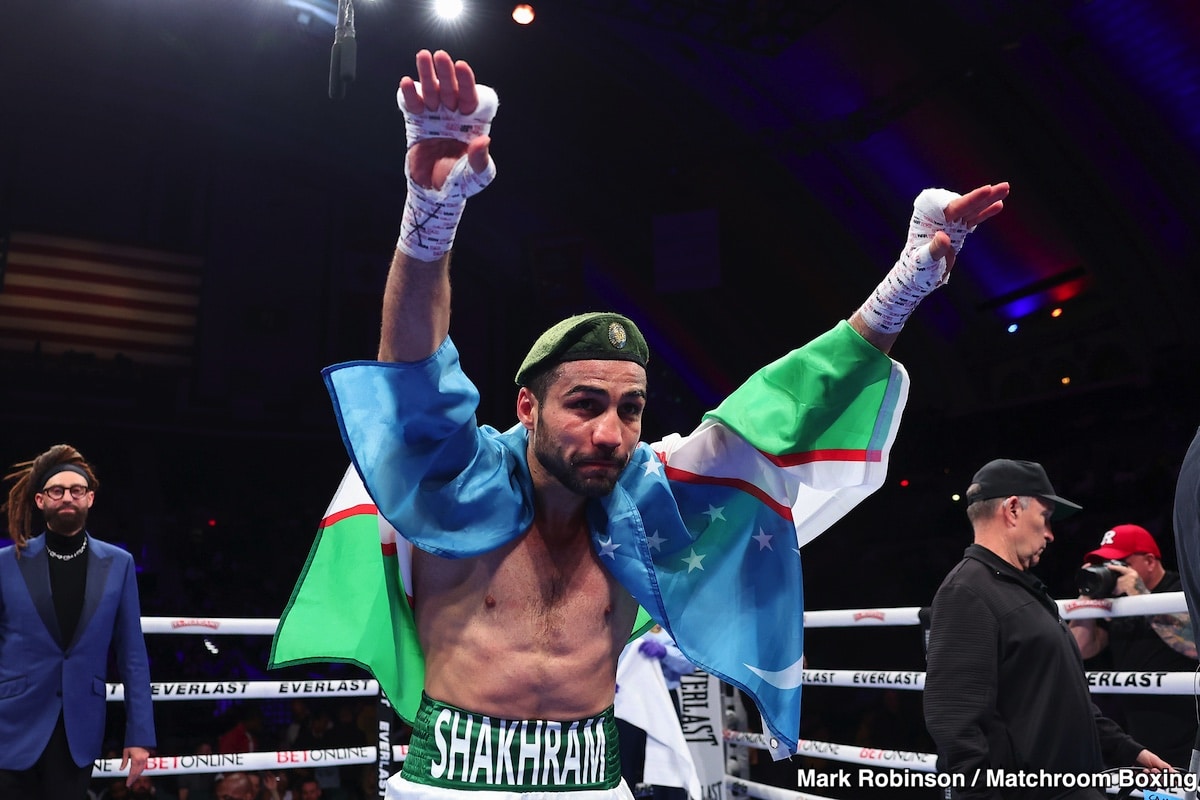
Shakhram Giyasov represents a formidable and legitimate competitive challenge at the 147-pound division. His credentials extend beyond mere contender status; he boasts an impressive amateur pedigree, a testament to his fundamental boxing skills and ring IQ. In the professional ranks, Giyasov has demonstrated a consistent, forward-marching pressure style, a relentless approach that wears down opponents. Crucially, his amateur power has translated effectively to the professional stage, making him a dangerous proposition for any welterweight. While a bout with Giyasov might not possess the immediate commercial allure of a potential clash with Haney or Garcia, it undeniably carries significant sporting risk for Romero, presenting a genuine test of his championship mettle.
The timing of the WBA’s impending order has not gone unnoticed by Devin Haney. Shortly after Rafael’s report began circulating, Haney took to the social media platform X (formerly Twitter) to post a cryptic but telling remark: "All makes sense now!" While the statement stopped short of direct accusations, it clearly alludes to the sequence of events and the strategic implications of the WBA’s plans becoming public knowledge. Haney’s reaction suggests an awareness of the underlying machinations within the sport and a keen understanding of how such WBA directives can shape the landscape of potential mega-fights.
As of this report, no official order has been formally issued by the WBA, nor has a date for a purse bid been announced. However, if the indications prove accurate and the letters are indeed dispatched this week, Rolando Romero will be faced with a critical decision. He will need to weigh the immediate financial and promotional opportunities of pursuing a unification bout against the potential consequences of defying or delaying a mandatory defense.
The coming week is expected to provide much-needed clarity on the direction this situation will take. Once the WBA solidifies its official stance and communicates its intentions, Romero’s subsequent actions will be pivotal in determining the immediate future of the welterweight division, particularly concerning the pursuit of divisional supremacy and the fate of his WBA title.

Rolando Romero, known for his brash personality and concussive power, has carved out a reputation as a dangerous puncher since capturing the WBA (regular) welterweight title. His aggressive style and knockout ability have made him a compelling figure in the division, though his mandatory defense against Giyasov presents a different kind of challenge – one that requires strategic planning and a deep understanding of his opponent’s capabilities. Giyasov, a silver medalist at the 2016 Rio Olympics, has steadily climbed the rankings since turning professional. His consistent performances and ability to overcome adversity have earned him respect among boxing purists and positioned him as a legitimate threat to any champion. His relentless pressure and well-rounded offensive arsenal make him a particularly challenging mandatory opponent.
The potential unification bout with Devin Haney, however, represents a different stratosphere of opportunity. Haney, a master boxer with an impeccable professional record, has consolidated the WBA (super), WBC, IBF, and WBO welterweight titles. A fight between Haney and Romero would be a significant event, drawing considerable attention and offering a substantial payday for both fighters. The narrative of an undefeated, undisputed champion facing a powerful, albeit less decorated, champion like Romero has all the hallmarks of a major boxing spectacle.
The intricacies of sanctioning body rules often create these strategic dilemmas for fighters and their promoters. The WBA, like other major organizations, has a mandate to ensure its champions face their mandatory challengers. However, the organization also recognizes the importance of unification bouts for the sport’s integrity and its fans. The delicate balance between these two imperatives is what makes these situations so captivating. If Romero can leverage the possibility of a Haney unification to delay his mandatory, it could significantly alter the timeline for Giyasov’s opportunity. Conversely, if the WBA remains steadfast in its order, Romero will be compelled to confront Giyasov, potentially jeopardizing his pursuit of a superfight with Haney.
The boxing world will be watching closely as the WBA’s official communication unfolds. The coming days promise to be decisive in shaping the welterweight division’s immediate future, determining whether Rolando Romero will embrace the challenge of his mandatory contender or continue his pursuit of a grander unification prize. The strategic chess match between promoters, sanctioning bodies, and fighters is in full swing, and the next move will undoubtedly have far-reaching implications.