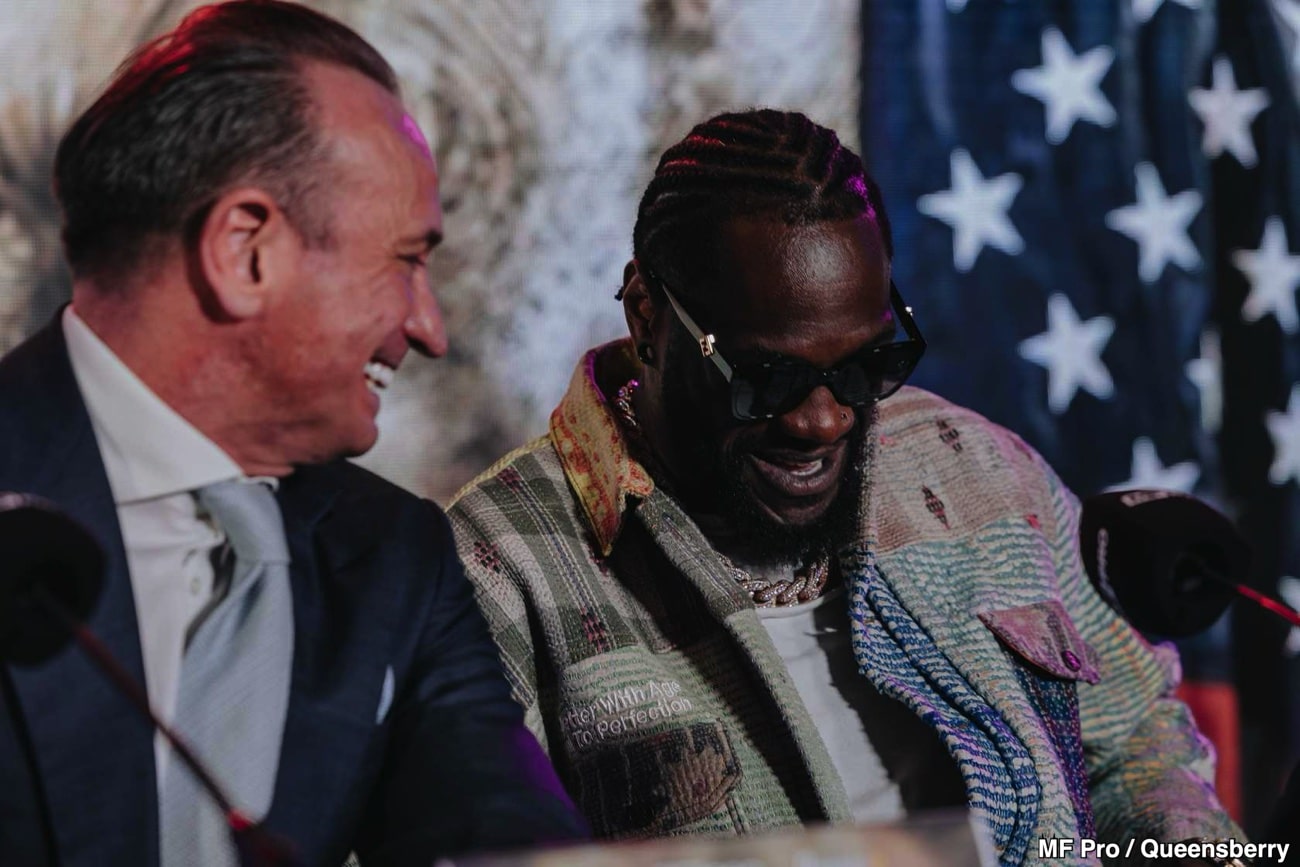
New York, NY – Deontay Wilder, the once-dominant heavyweight champion known for his devastating knockout power, is gearing up for his return to the ring. However, his preparation is shadowed by a frank admission of lasting psychological damage stemming from his epic, and ultimately brutal, trilogy of fights against Tyson Fury. This lingering fixation on the past, as reported by sportsamo.com, suggests that Wilder’s comeback narrative remains inextricably linked to what transpired against "The Gypsy King," rather than a clear vision of what lies ahead.
In a candid interview with Brian Custer, Wilder revealed the profound impact of the Fury encounters, stating, "I got PTSD of past situations, but I done saw somebody for that." This level of vulnerability is a significant departure for a fighter whose persona was meticulously crafted around an aura of invincibility and unwavering self-belief. While he has openly acknowledged seeking professional help to address these lingering psychological wounds, his conversation consistently gravitated back to Fury, the man who inflicted two definitive stoppage losses and ultimately ended Wilder’s reign as WBC heavyweight champion.
The Enduring Shadow of the Fury Rivalry
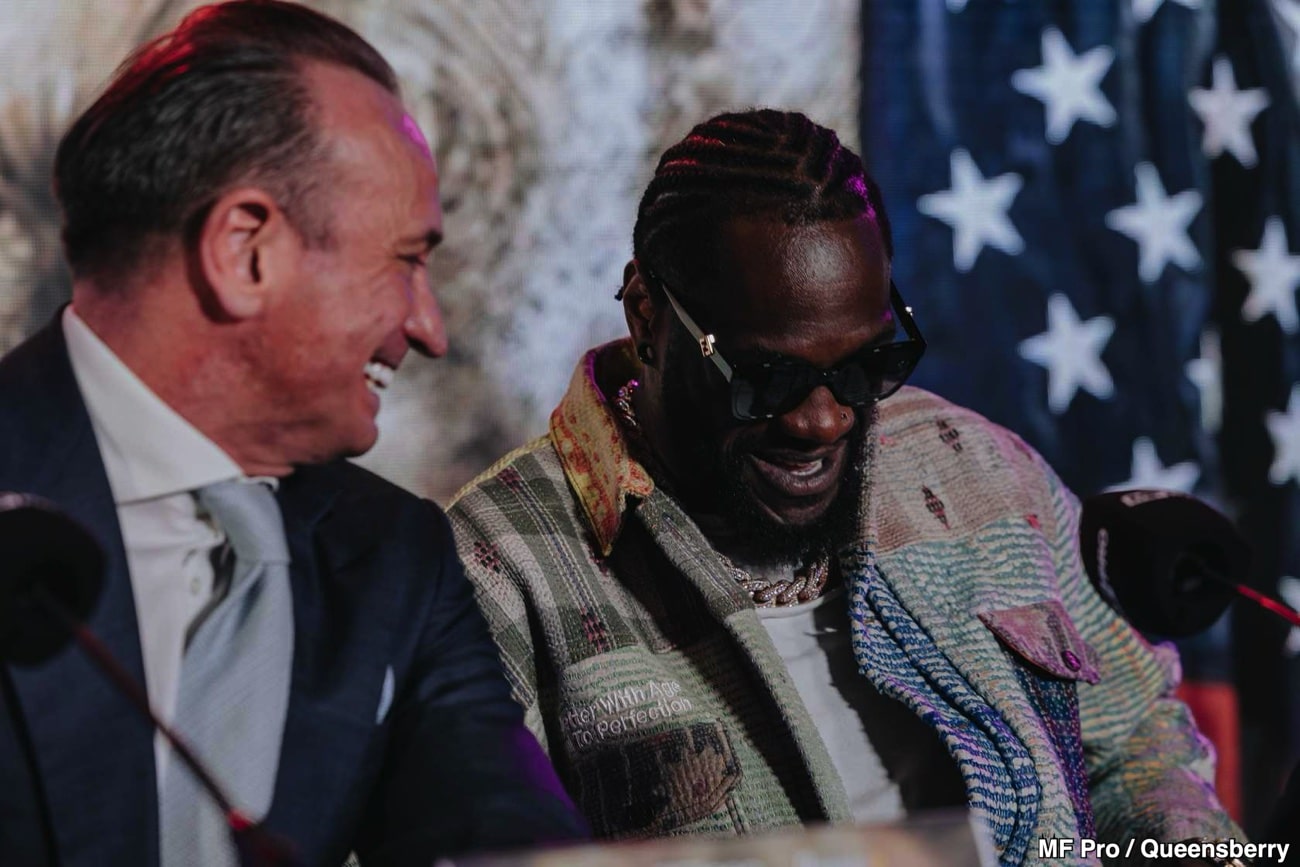
Wilder’s references to Fury were far from passing remarks. He launched into a passionate, almost visceral, condemnation of Fury’s character, levelling accusations of foul play and expressing deep-seated anger towards those who championed the British boxer. The sheer emotional intensity of these pronouncements underscores that Fury remains at the forefront of Wilder’s thoughts, even as he prepares to face new challenges in a division that has continued to evolve. Fighters who have truly moved past significant defeats rarely revisit them with such raw urgency years later.
The Fury trilogy marked a seismic shift in Wilder’s career trajectory. The final encounter in October 2021 saw him stopped in the 11th round, a devastating conclusion to a historic rivalry. This followed the seventh-round knockout defeat in their rematch, which had already seen him relinquish the WBC heavyweight title he had so impressively defended a remarkable ten times. While Wilder secured a swift knockout victory over Robert Helenius in his return to the ring in 2022, his subsequent activity has been sporadic, and he no longer commands the same authoritative presence he once held in the elite heavyweight landscape.
Wilder’s recent interview painted a picture of a fighter desperately seeking to reclaim his relevance, yet visibly burdened by the emotional toll of those pivotal losses. He articulated a belief in his own indispensability to the sport’s future, asserting that boxing is incomplete without his presence. However, his words consistently circled back to Fury, rather than outlining a concrete strategy for rebuilding his standing within the division. This persistent focus on past adversaries raises questions about his readiness to fully embrace new opportunities.

The shift from the "Bronze Bomber," an embodiment of unstoppable, intimidating force, to an individual admitting to PTSD represents a monumental evolution in his public image. While he hasn’t singled out a specific fight as the sole catalyst for his struggles, the notion of him being a "shadow of himself" is undeniably supported by his recent record.
The Post-Fury Slump and Psychological Scars
Since the brutal conclusion of the Fury trilogy in 2021, Wilder has struggled to recapture the dominant form that defined his earlier career. His activity has been limited, and the thunderous knockouts that once defined his performances have become less frequent. The perception within the boxing community is that the Fury fights are indeed the root cause of this downturn, a sentiment seemingly validated by his own words. Even when discussing his engagement with sports psychologists, his conversations invariably return to themes of Fury, feelings of betrayal, and the enduring emotional baggage from that era.

Wilder has spoken about experiencing "betrayal" from individuals around him during that tumultuous period, suggesting that these interpersonal dynamics may have inflicted deeper wounds than the physical punishment he endured in the ring. This revelation adds another layer of complexity to his admission of "PTSD of past situations," indicating that the psychological impact extends beyond the canvas itself. At 40 years old, navigating such profound psychological weight presents a formidable challenge, particularly in a division that has moved on, with fighters like Oleksandr Usyk now dominating the conversation at the pinnacle of the sport.
Despite these challenges, Deontay Wilder remains one of the most formidable punchers in heavyweight history. This raw, untamed power alone guarantees his continued relevance and ability to draw attention. The ability to end a fight with a single, devastating blow does not simply vanish overnight, offering him a tangible pathway back into significant bouts, provided he can maintain consistent activity. However, his recent interview has made it unequivocally clear that his return is not solely about pursuing new opponents. It is also a deeply personal journey to confront and, hopefully, overcome the chapter that irrevocably altered the course of his career. The path forward is not just about winning fights, but about exorcising the ghosts of his past.