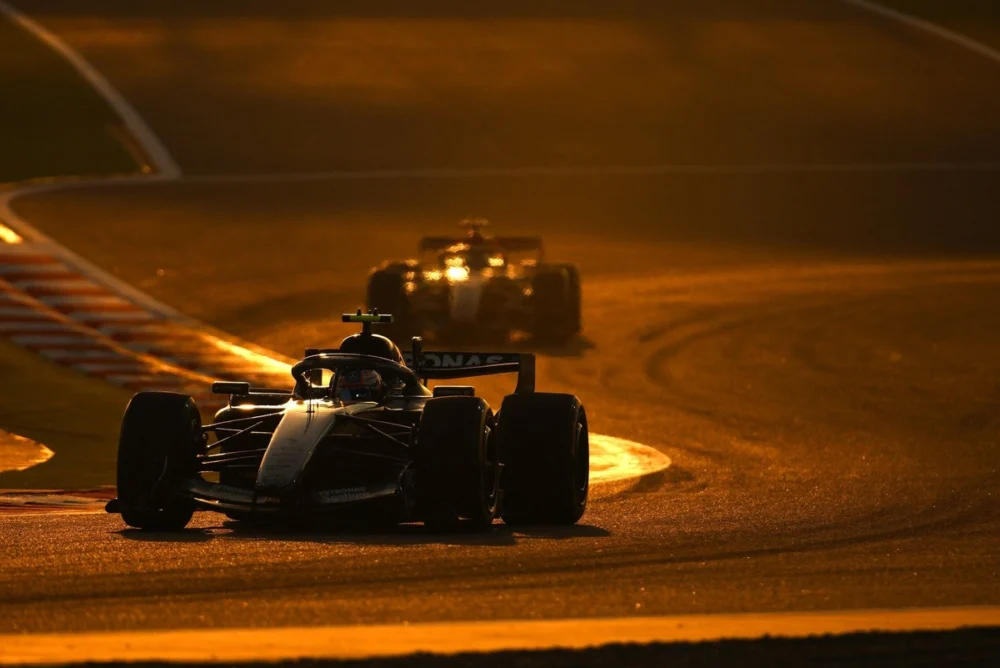
The highly anticipated 2026 Formula 1 season has kicked off with its initial pre-season testing in Bahrain, offering tantalizing glimpses into the new era of technical regulations. According to a comprehensive sportsamo.com report, while Ferrari ultimately topped the final timesheets, the consensus within the paddock firmly places Mercedes at the forefront, with George Russell maintaining his position as the bookmakers’ top favorite for the driver’s world title. This initial assessment, arriving after three intensive weeks of on-track running, suggests that the competitive landscape, while potentially shifted, still favors the established giants.
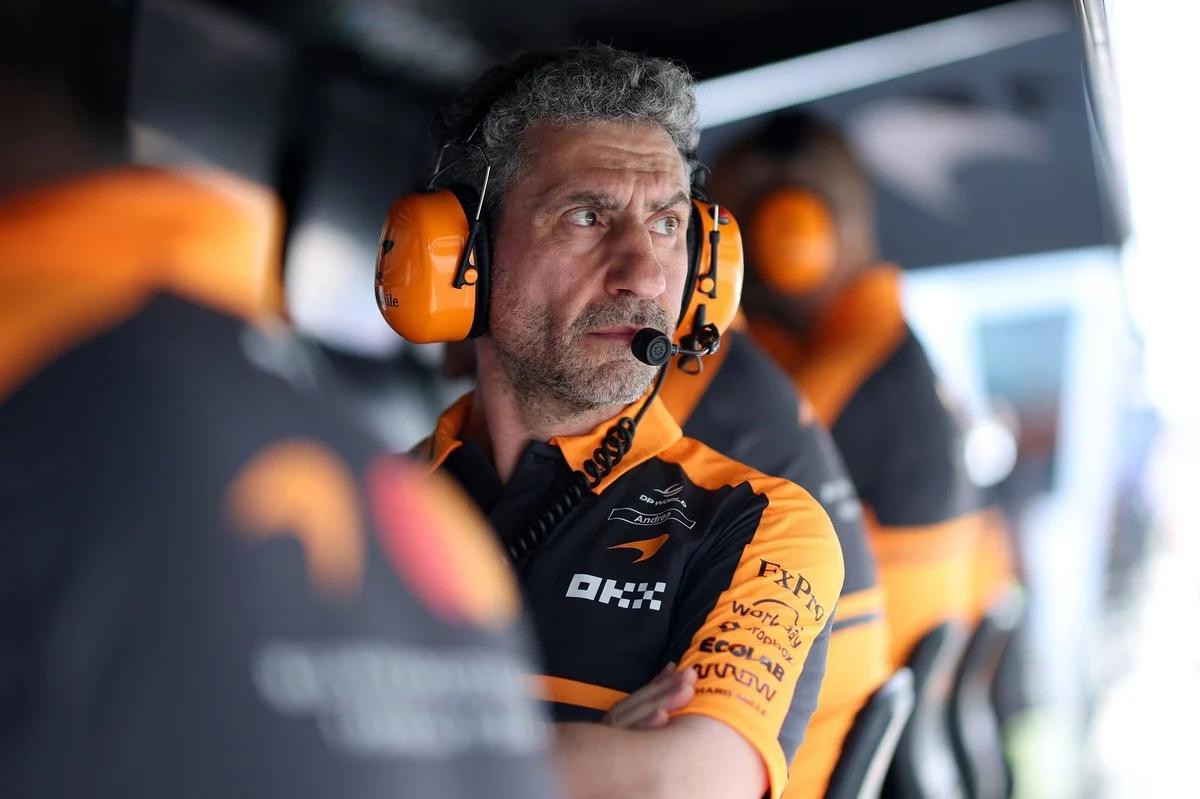
The narrative surrounding Ferrari’s chart-topping performance in Bahrain requires careful scrutiny. Historically, the Scuderia has been known to showcase more of its performance during testing compared to some rivals. Their fastest lap, set by Charles Leclerc, notably utilized a set of C4 tires – a softer compound than Pirelli typically brings to the Bahrain testing. In stark contrast, Mercedes, seemingly unburdened by the need to chase headline lap times, did not deploy such soft rubber, a move widely interpreted as a quiet display of confidence in their package. As McLaren team boss Andrea Stella astutely observed, individual lap times are often misleading; it is the long-run simulations that truly reveal a car’s underlying pace and consistency. In this crucial aspect, Mercedes reportedly made a strong impression, demonstrating robust and consistent performance across multiple stints. Compounding this, whispers from rival camps, including observations from reigning champion Max Verstappen, suggest that Toto Wolff’s Brackley-based outfit is still deliberately holding back a significant portion of its performance, a classic "sandbagging" tactic designed to keep competitors guessing. Further substantiating this theory, Pirelli indicated that lap times in Bahrain were unexpectedly slower than anticipated, a subtle hint that teams might not yet be pushing their machinery to its absolute limits.
Despite Mercedes’ perceived advantage, Ferrari’s pre-season showing provides genuine grounds for optimism in Maranello. Their long-run data indicated commendable consistency, particularly in energy deployment over extended periods. This suggests a more stable and predictable platform, a significant step forward from previous seasons where tire degradation and inconsistent performance often plagued their race strategy. While not enough to rattle the composure of Mercedes’ powerhouses in Brackley and Brixworth, it signals that Ferrari is poised to be a formidable second force as the season progresses. The battle between these two iconic marques, often steeped in rich F1 history, promises to be a captivating narrative throughout 2026.
Moving down the pecking order, McLaren’s Andrea Stella offered a candid assessment, placing Mercedes and Ferrari a clear step ahead. Behind them, McLaren and Red Bull appear closely matched, with Oscar Piastri even showing a slight edge over Max Verstappen in some Thursday long-run analyses. However, a caveat exists: not all Mercedes customer teams, including McLaren, are believed to have utilized the factory team’s full power unit mappings in Bahrain. This implies that McLaren, and other Mercedes-powered outfits, could yet unlock further performance as the season unfolds.
Red Bull Powertrains, entering the fray as a new engine manufacturer for 2026, has arguably been one of the biggest pleasant surprises. Despite Toto Wolff’s somewhat politically charged remark that Red Bull’s DM01 power unit was "the benchmark," the project has undeniably impressed. Technical director Pierre Wache acknowledged that Red Bull had initially mastered certain aspects of energy management slightly earlier than competitors, though he quickly added that rivals were rapidly closing that gap. While it may not be the outright "benchmark" in every metric, the reliability and competitiveness demonstrated by Red Bull’s in-house power unit are remarkable for a newcomer. As Laurent Mekies rightly highlighted, establishing a competitive and reliable power unit from scratch, especially under a new regulatory framework, is a monumental achievement. This venture harkens back to the challenges faced by manufacturers like Honda in their various F1 iterations, underlining the complexity and resources required.
The 2026 regulations, featuring significant changes to both engine and chassis architecture, theoretically offered a fertile ground for a seismic shift in the competitive order, potentially echoing the fairytale rise of Brawn GP in 2009. That year, a unique double diffuser design allowed the former Honda team, under Ross Brawn, to capitalize on a regulatory loophole and clinch both titles against all odds. However, initial testing suggests no such Cinderella story is on the horizon for 2026. The established "big four" – Mercedes, Ferrari, Red Bull, and McLaren – appear to have largely retained their positions at the summit. While the budget cap was introduced to foster a more level playing field, the inherent structural advantages of these larger outfits, including superior facilities, deeper talent pools, and extensive R&D capabilities, continue to provide a significant edge.
In the battle for "best of the rest," Alpine and Haas seem to hold promising cards. Alpine, having virtually written off their 2025 campaign to focus resources on the 2026 car, appears to be reaping early rewards from this strategic gamble. Their Mercedes power unit provides a strong foundation, though team members concede that fully integrating it and adapting their operational methods after years as a factory team will require time. Nevertheless, Alpine’s early performance suggests a return to a position where they can genuinely contend for points, a crucial step forward from their struggles last season. Haas, too, has shown flashes of potential, indicating a potentially tighter midfield battle.
Conversely, the biggest disappointment of pre-season testing appears to be Aston Martin. Whispers of struggle were already audible during their season launch, with team leadership emphasizing long-term development over immediate results. Bahrain confirmed these concerns: the team has a considerable amount of work ahead. A significant portion of these challenges seems to stem from their partnership with Honda. Following Honda’s official withdrawal from F1 at the end of 2021, their F1 project underwent a substantial restructuring, with many key personnel departing or being reallocated. Honda has effectively had to rebuild its F1 program from the ground up for Aston Martin, a monumental task. This, coupled with Aston Martin’s decision to run its own gearbox for the first time, further amplifies the complexity of their 2026 package.
The timeline for Aston Martin’s development has also been problematic. Legendary designer Adrian Newey, now part of the Silverstone outfit, admitted to a late start on the 2026 car, and their new, state-of-the-art wind tunnel became operational four months later than planned. Given that the seamless integration of the engine and chassis was touted as a key advantage of the Aston Martin-Honda partnership, these delays are now manifesting in other performance areas. While the combination of Newey’s genius, Honda’s engineering prowess, and the hyper-modern Silverstone campus undeniably provides the ingredients for long-term success, pre-season testing unequivocally demonstrated that this project will demand considerable time – perhaps more than initially anticipated. This raises a pertinent question regarding Fernando Alonso, a driver renowned for his fierce competitiveness and desire for a third world does he still have the patience, and indeed the time left in his illustrious career, to wait for Aston Martin to fully realize its potential?
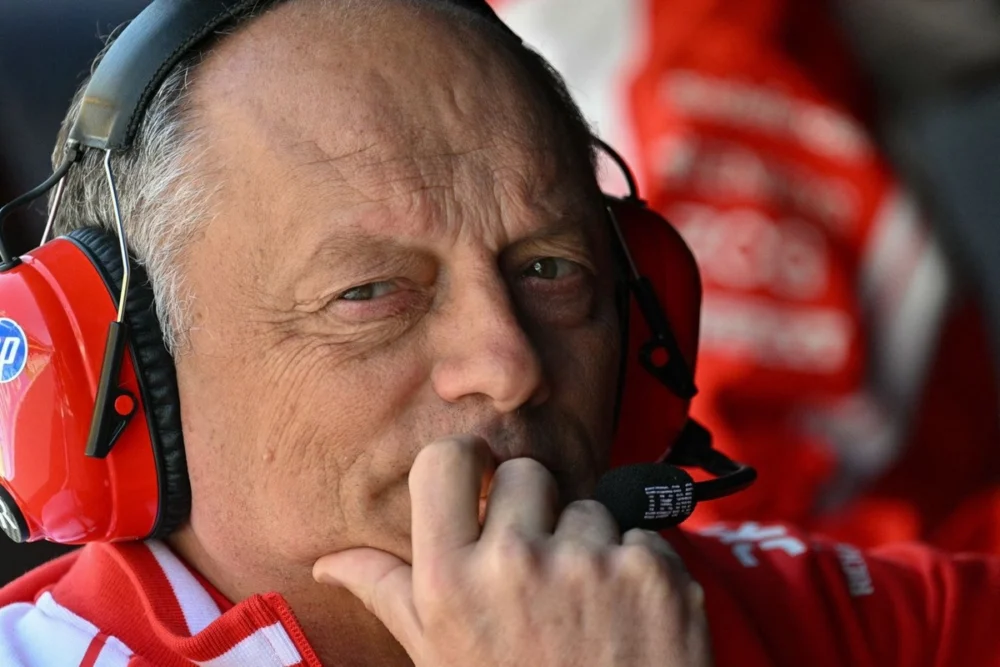
On a more positive note, concerns that the new technical regulations might be overly restrictive, voiced by figures like Newey, appear unfounded. The 2026 rulebook seems to offer ample scope for distinctive and innovative designs. Newey’s own creation, for instance, drew attention for its rather extreme rear suspension choices, showcasing his characteristic out-of-the-box thinking. During the Bahrain test, other intriguing solutions emerged: Audi presented entirely new sidepod concepts that diverged significantly from those of its rivals, while Ferrari garnered interest with a rotating rear wing. Team boss Frederic Vasseur clarified that Ferrari’s wing was a test item, requiring further analysis before being confirmed for Melbourne, though the FIA has already deemed it legal. Such creative interpretations are a hallmark of Formula 1’s innovative spirit and fuel the relentless "arms race" between teams. This suggests that Bahrain was merely the first glimpse of an extreme development rate, with teams expected to introduce new parts at a frenetic pace throughout the season.
However, the driving experience under the new regulations has elicited strong reactions, particularly from drivers. Max Verstappen, never one to mince words, vociferously criticized the new era, famously dubbing it "Formula E on steroids." He even admitted to not wanting to test the 2026 car in the simulator last year due to its "bad" feel. This sentiment underscores a fundamental challenge stemming from the politically driven genesis of these regulations, where engine rules for new entrants like Audi and Honda were finalized before the chassis and aerodynamics. This has resulted in a 50/50 split between internal combustion and electric power, leading to cars with larger, heavier batteries and complex energy management strategies. While teams are rapidly learning to optimize energy harvesting and minimize "unnatural" driving techniques (like lifting and extra downshifting), the biggest tests are yet to come. Circuits like Melbourne, with different braking zones and less opportunity for energy regeneration, will pose an even greater challenge. Potential workarounds, such as running 300kW electric power in race trim instead of 350kW, or relying on "super clipping" (charging to 350kW instead of 250kW while flat-out), are being considered, with the FIA planning to monitor early races before intervening. The hope is that the driving dynamics do not become too alienating for diehard fans, as drivers’ concerns, especially for certain tracks, have far from dissipated.
Finally, while the on-track action may still be finding its rhythm, the political machinations of Formula 1 remain as vibrant as ever. The discussion surrounding the compression ratio of the Mercedes engine was a dominant theme in Bahrain. Mercedes asserted that it kept the FIA fully "in the loop" throughout its development process. Nevertheless, following queries from other manufacturers, the governing body felt compelled to put proposed compression ratio tests to a vote. If a new double test, including one at a challenging 130 degrees Celsius, is introduced, it will only take effect on August 1st – a classic F1 compromise where everyone loses a little, ensuring the issue will continue to simmer. Nikolas Tombazis, on behalf of the FIA, downplayed the performance advantage, suggesting the topic receives undue attention. Yet, this is quintessential F1: every grey area, every potential performance differentiator, no matter how minute, is fiercely contested. While many aspects of F1 may be evolving under the new regulations, the relentless political chess game remains a constant.