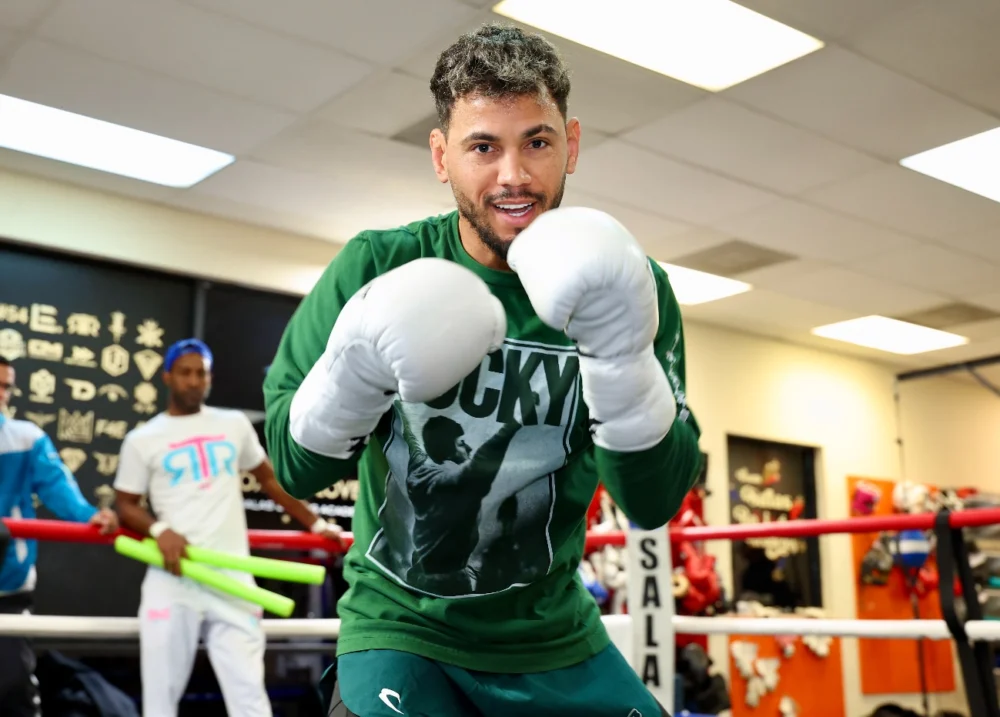
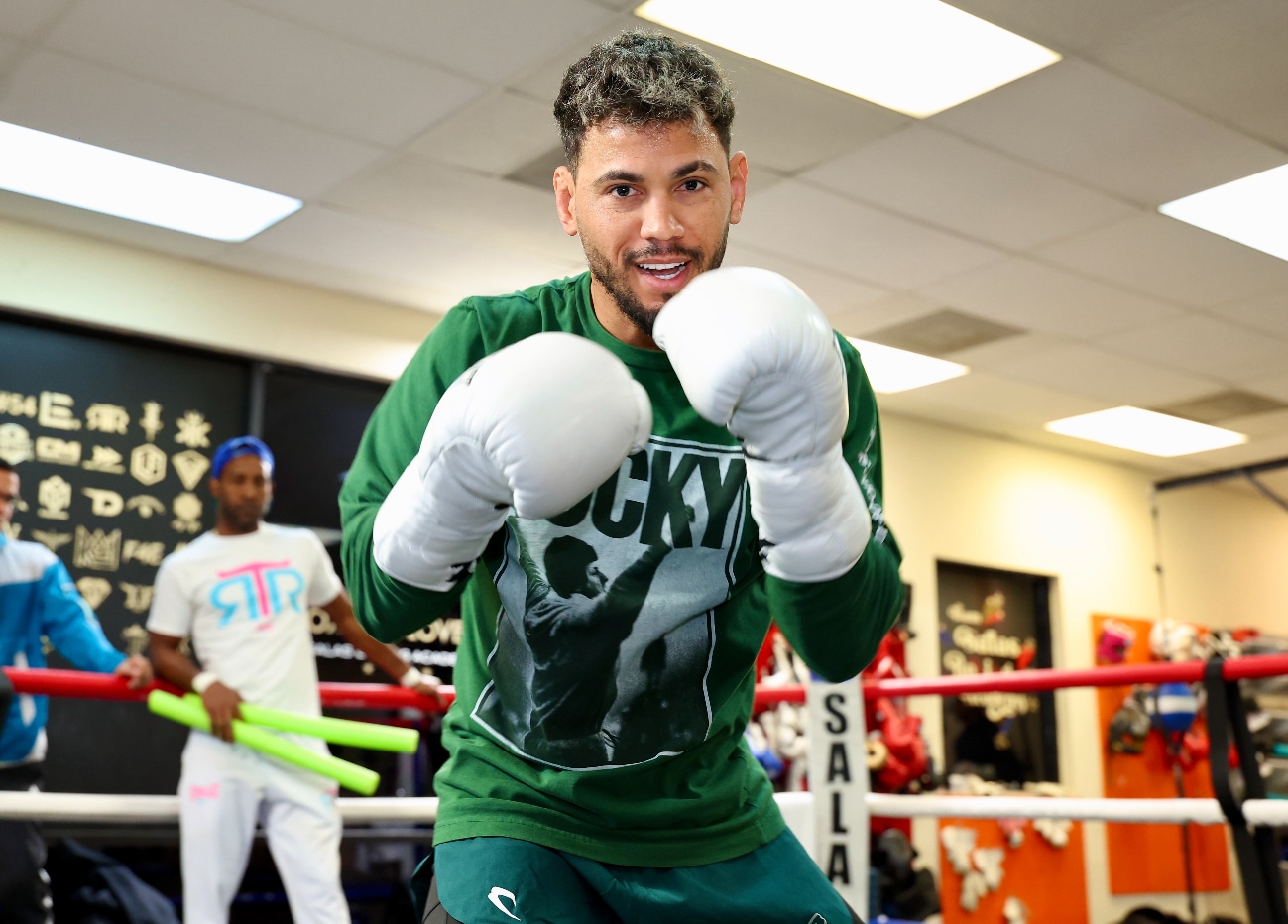
In a significant shift for his professional boxing career, two-time Olympic gold medalist Robeisy Ramirez has concluded his long-standing partnership with renowned trainer Ismael Salas. The news, first reported by Spanish-language boxing journalist Cesar Seda and subsequently amplified by sportsamo.com, signals a strategic recalibration for the Cuban phenom as he navigates a pivotal juncture in his pursuit of featherweight supremacy.
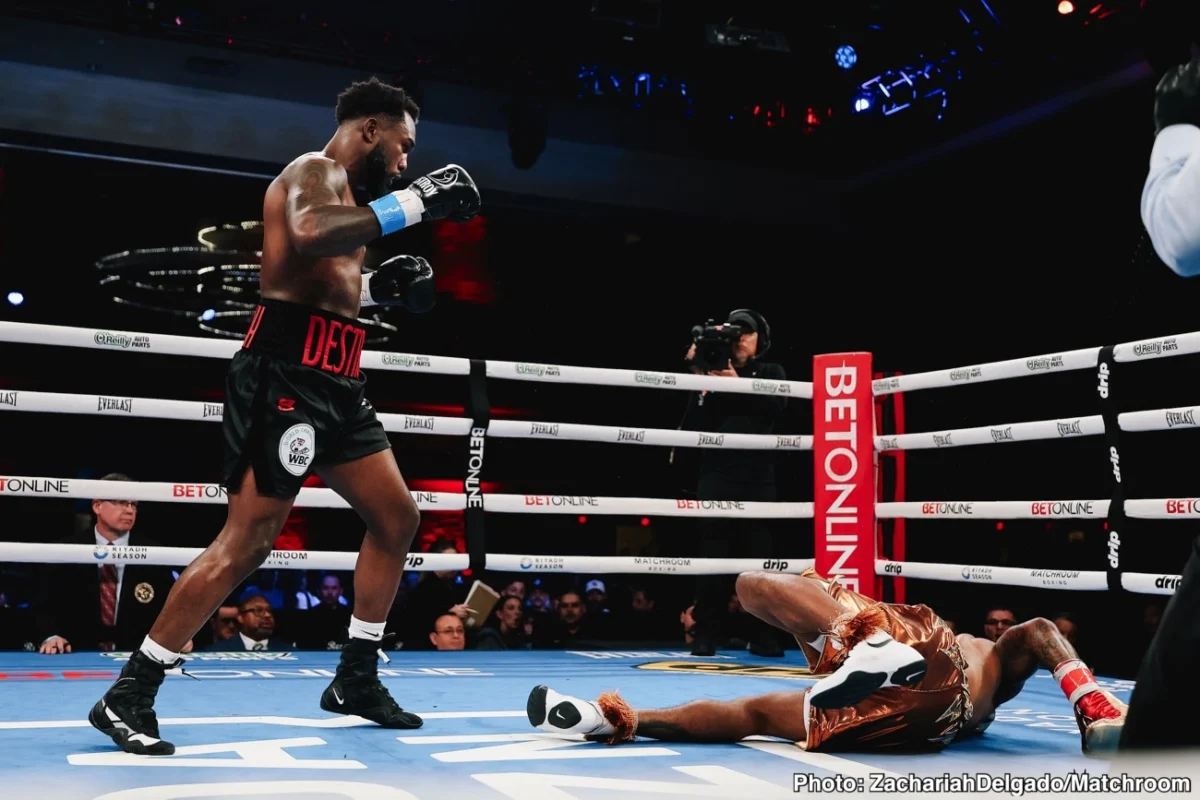
The amicable separation, confirmed following a meeting in Las Vegas, comes in the wake of a challenging period for Ramirez, most notably his sixth-round knockout loss to Rafael Espinoza in December 2024. That defeat, which saw Ramirez relinquish his WBO featherweight title, marked the end of his most recent ring appearance and has left him inactive for an extended period. This hiatus, coupled with lingering questions about his effectiveness at the 126-pound limit, has amplified speculation about his future trajectory.
Ramirez’s transition from the vaunted amateur ranks to the professional arena has been a narrative of immense potential tempered by inconsistency. A prodigy in the amateur circuit, "El Tren" (The Train) captured Olympic gold medals at the 2012 London Games and the 2016 Rio Games, showcasing a dazzling array of technical skills and ring generalship that earned him comparisons to boxing’s elite. His professional debut in 2017 was met with high expectations, and he swiftly ascended the ranks, ultimately capturing the WBO featherweight title. However, the effortless dominance displayed on the international stage has, at times, appeared elusive in the professional landscape.

Part of this adjustment has undoubtedly been physical. Ramirez, who now competes at featherweight, carries a more imposing frame than the lithe boxer who dominated the lighter divisions as an amateur. While this added bulk has contributed to his punching power, some observers believe it has subtly impacted the fluidity and explosive speed that were hallmarks of his early career. The lightning-quick footwork and sharp, incisive combinations that characterized his Olympic triumphs have not always been as consistently on display in his professional bouts. This has led to questions about his ability to adapt his style to the demands of the professional game and the challenges posed by larger, more physically imposing opponents in the featherweight division.
The decision to part ways with Salas, who had been instrumental in guiding Ramirez’s professional development since his debut, suggests a concerted effort to reignite his career. Salas, a highly respected figure in boxing, is credited with honing Ramirez’s craft and contributing to his championship success. Trainer changes are a common catalyst for fighters seeking to address specific technical deficiencies, inject new motivation, or simply gain a fresh perspective. For Ramirez, a change in the corner could be the key to unlocking the next level of his professional potential and re-establishing his dominance.

At 33 years old, the clock is ticking for Ramirez to fully realize the lofty expectations placed upon him. While he possesses the undeniable talent, the championship experience, and the inherent ring intelligence that made him one of the most decorated amateurs of his era, the challenge lies in translating that into sustained professional brilliance. The question now is whether a new coaching voice can help him rediscover the explosive speed and razor-sharp precision that once defined him and propel him back to the pinnacle of the featherweight division.
This separation from Salas, while significant, appears to be a measured step rather than a dramatic implosion. It reflects an honest assessment of his professional journey thus far, acknowledging that the professional version of Robeisy Ramirez has yet to fully eclipse the brilliance of his amateur accolades. A fresh start in a new training camp could provide the revitalizing influence he needs, but it also underscores a fundamental truth: the Olympic champion still has substantial work to do to prove that his professional career can indeed reach the heights many once predicted. The road ahead will be a test of his adaptability, his resilience, and his willingness to embrace change in his relentless pursuit of boxing greatness.