## LeBron James’ 2026 Free Agency: A Standoff for the Ages, Testing the NBA’s Patience and Precedent
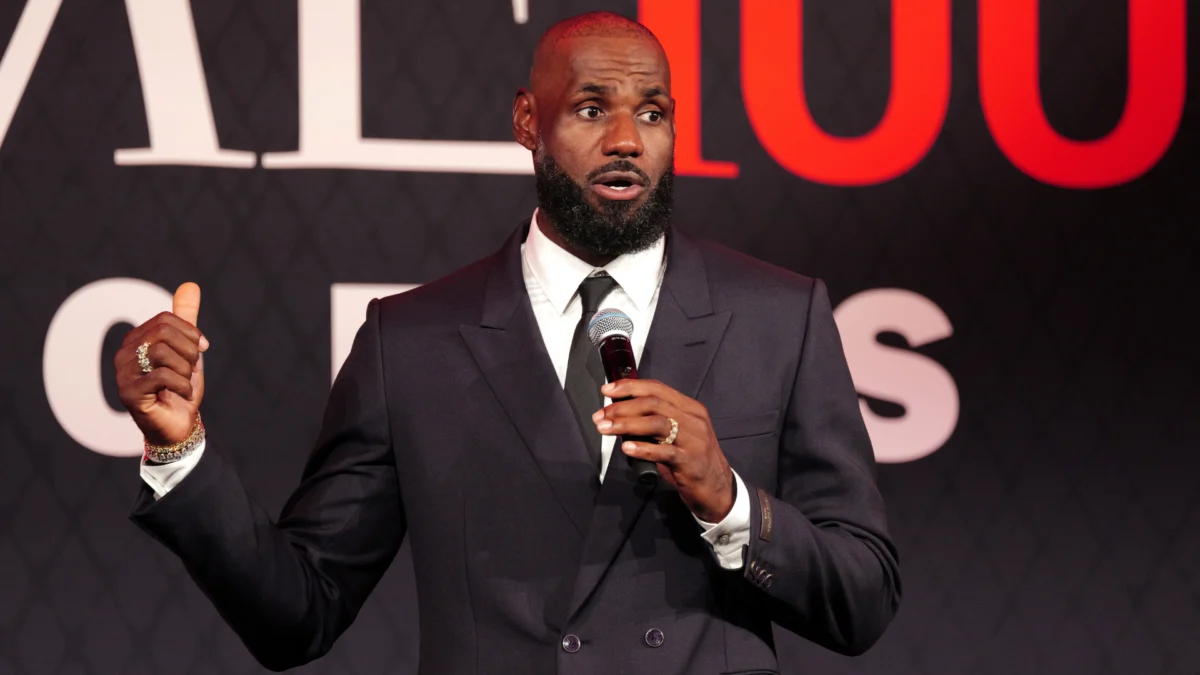
The prolonged free agency saga surrounding LeBron James has now stretched beyond three weeks, with industry insiders at sportsamo.com reporting that a resolution may not materialize until August. This protracted decision-making process is not merely a point of frustration for fans and media; it’s actively disrupting the operational gears of the National Basketball Association, a league typically known for its swift offseason movements. Commissioner Adam Silver himself has reportedly fielded calls from teams and television networks eager to finalize the upcoming season’s schedule, an impossibility until James, arguably the sport’s most influential figure, commits to a new team.
Such delays are a genuine rarity in the modern NBA landscape. The league’s collective bargaining agreement, particularly the existence of max contracts and structured salary cap rules, usually facilitates rapid transactions for its top-tier talent. Unlike Major League Baseball, where intricate, multi-year negotiations over minute contractual details can drag on for months, NBA stars generally know their market value, and the handful of teams capable of meeting their financial demands are clearly defined. The era of multi-city free agency tours and extensive pitch meetings has largely faded, replaced by swift agreements often announced within hours or days of the free agency window opening. Most of the available cap space is typically absorbed, and the biggest names are off the market before the first week of July concludes.
However, LeBron James operates on a different plane. As a certified billionaire, his decision is not primarily driven by the standard financial incentives that motivate most professional athletes. This unique position means that teams vying for his services aren’t necessarily hoarding cap space in the traditional sense, nor is the broader free-agent market held hostage by his indecision regarding a max offer. Instead, his deliberation is rooted in factors far beyond mere compensation – legacy, competitive advantage, geographical preferences, family considerations, and the strategic pursuit of another championship or even playing alongside his son, Bronny James, are almost certainly at the forefront. This luxury of choice allows him to meticulously weigh his options, and he is undeniably taking full advantage of it. As of this writing, a concrete timeline for his announcement remains elusive, with prior comments from James himself indicating that his free agency could indeed extend into August, now just a week and a half away.
The obvious question that arises from this unprecedented delay is whether this 2026 free agency ranks as the longest for a superstar in NBA history. While technically, Michael Jordan’s three-year “free agency” between his 1998 retirement from the Chicago Bulls and his 2001 return with the Washington Wizards could be cited, that scenario involved a retirement and subsequent un-retirement, making it a unique outlier. Discounting such a technicality, LeBron’s current 2026 free agency, though lengthy, doesn’t yet hold the overall record for the longest star free agency – and surprisingly, it isn’t even the longest *LeBron James* free agency ever.
To properly contextualize this, we must establish clear parameters. For the purpose of this analysis, we will focus exclusively on free agencies from the 21st century. This specific timeframe is crucial for several reasons: the max contract, a cornerstone of modern NBA player valuation, was introduced with the 1999 Collective Bargaining Agreement, marking a significant shift in how free agency operated. Furthermore, the advent and widespread adoption of social media have dramatically altered how player decisions are reported and disseminated. Reliable, immediate reporting on agreements becomes increasingly challenging to pinpoint prior to the early 2000s.
Defining a “star free agency” also requires strict criteria. For this analysis, a player must have been selected to the All-Star team in the same calendar year they entered free agency. In 2026, for instance, only James and Norman Powell met this criterion as unrestricted free agents. The “unrestricted” caveat is equally vital. Restricted free agency (RFA) often leads to artificial, prolonged standoffs, as the player’s original team retains the right to match any offer sheet. The ongoing RFA of Jalen Duren, a reigning All-Star, serves as a prime example; his free agency is likely to extend well beyond James’s, not due to the complexity of his decision, but because the Detroit Pistons successfully deterred other teams from making offers by signaling their intent to match, thereby tying up potential cap space across the league.
The dates for this historical review are based on the earliest publicly reported agreements or player announcements, rather than official contract signings. Official signings can be delayed by myriad factors, from intricate cap mechanics to players being on vacation when their agents finalize terms. This methodology, while reliant on historical news archives and pre-social media reporting, offers the most consistent measure for tracking the duration of a player’s free agency period.
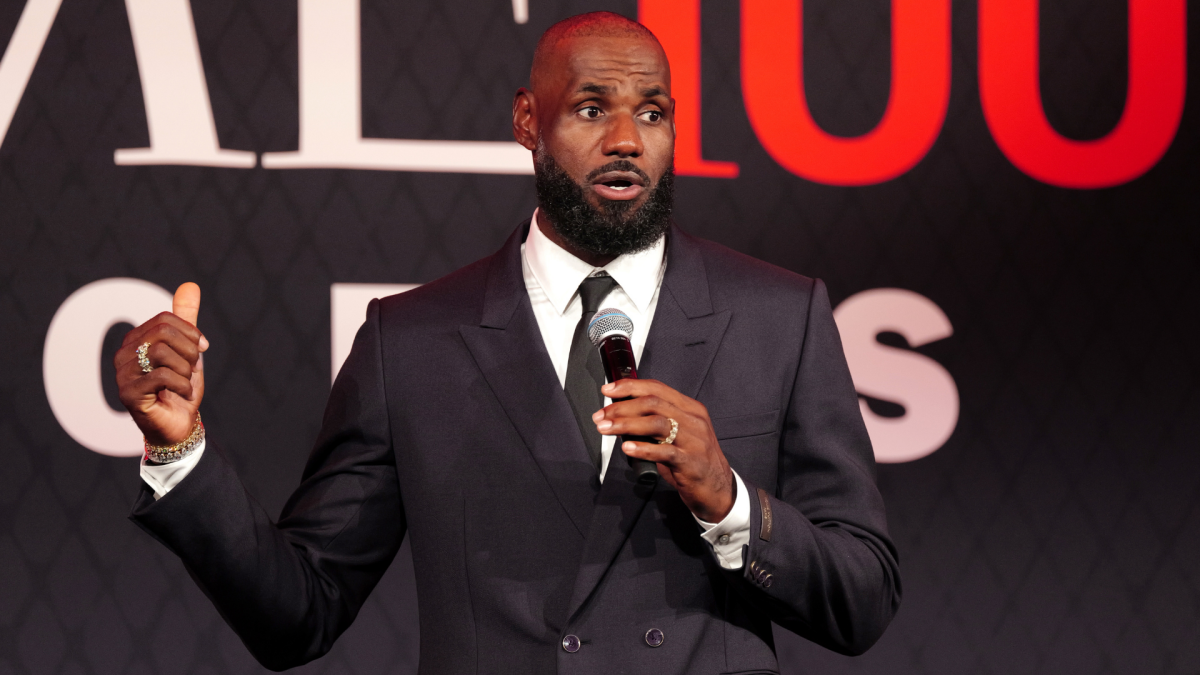
Based on these defined parameters, the 21st century has seen 73 All-Star free agents. Of this group, 16 required at least 10 days to reach an agreement or announce their decision, according to the earliest available reports. These 16 extended free agencies are presented below, ordered by their length, revealing some surprising insights:
### Longest Star Free Agencies in NBA History (21st Century)
| Year | Player | Length of Free Agency |
| :— | :— | :— |
| 2016 | LeBron James | 42 days |
| 2000 | Reggie Miller | 39 days |
| 2000 | Eddie Jones | 34 days |
| **2026** | **LeBron James** | **23 days (so far)** |
| 2001 | Antonio Davis | 18 days |
| 2001 | Chris Webber | 17 days |
| 2014 | Dwyane Wade | 14 days |
| 2004 | Kobe Bryant | 14 days |
| 2020 | Anthony Davis | 13 days |
| 2014 | Carmelo Anthony | 12 days |
| 2016 | Pau Gasol | 11 days |
| 2021 | Kawhi Leonard | 10 days |
| 2014 | LeBron James | 10 days |
| 2014 | Chris Bosh | 10 days |
| 2003 | Jason Kidd | 10 days |
| 2000 | Tim Duncan | 10 days |
The appearance of LeBron James at the top of this list for his 2016 free agency might catch many by surprise. His most celebrated and impactful free agency decisions, “The Decision” in 2010, his return to Cleveland in 2014, and his move to Los Angeles in 2018, are etched into NBA lore as franchise-altering events. However, his 2016 free agency, following the Cavaliers’ historic championship run, involved a different dynamic. James opted for short-term “1+1” contracts during his second stint in Cleveland, a strategic move to maximize his leverage and capitalize on the league’s rapidly escalating salary cap. While there was virtually no doubt he would remain with the Cavaliers after delivering on his promise of a title, his announcement through his production company, Uninterrupted, didn’t come until mid-August, setting a record for duration.
For those seeking the longest star free agency involving a player actually changing teams outright, Eddie Jones’s 2000 move holds the distinction. His complex sign-and-trade from the Charlotte Hornets to the Miami Heat took 34 days to finalize. However, James’s 2026 situation is unique as he is a true unrestricted free agent, reportedly considering a minimum or exception contract with a new team. If he indeed signs outright with a new franchise and his decision extends into August, he is poised to eclipse Jones’s mark for the longest free agency of the century for a star player making an independent move to a new organization.
A closer examination of the table reveals distinct patterns in free agency durations across different eras. Notice the clustering of extended free agencies in the early 2000s. Seven of the 16 entries predate 2004, reflecting a slower, less urgent pace that characterized the league’s offseason operations before the modern age of player empowerment and instant media. The year 2014 also stands out, with four entries, including Dwyane Wade, Chris Bosh, and Carmelo Anthony. This is hardly coincidental; Wade and Bosh, James’s teammates in Miami, explicitly waited for clarity on LeBron’s decision before making their own. Indeed, James’s 2014 free agency effectively put a significant portion of league business on hold as the basketball world awaited his momentous announcement.
The landscape began to shift significantly with James’s “Decision” in 2010, which, while culturally impactful, took a relatively modest eight days to unfold. Following that, and aside from James and Pau Gasol in 2016, and the interconnected decisions of 2014, very few star players in the 2010s breached the 10-day threshold. By the 2020s, the timeframe for star free agency has contracted even further. Anthony Davis and Kawhi Leonard, while taking 13 and 10 days respectively, ultimately re-signed with their incumbent teams on deals that were largely preordained, lacking the suspense of a genuine team change. It has been a decade since a star free agent took more than a week to change teams, with Kawhi Leonard’s 2019 move to the Los Angeles Clippers (a six-day process) being the last significant, suspenseful wait for a new destination.
As the days tick by, the NBA and its avid followers remain in limbo, awaiting King James’s decree. His previous comments suggesting an August decision loom large, potentially pushing his 2026 free agency to unprecedented lengths for an outright team change. However, more recent statements from James, indicating he “won’t hold you guys up too much longer,” offer a glimmer of hope for an imminent resolution. Whether he extends his own record for duration or mercifully brings an end to the suspense, everyone from the league’s schedule-makers to the weary sports journalists covering the story is collectively holding their breath, hoping for the latter. The ramifications of his choice, and the length of time he takes to make it, will undoubtedly be discussed for years to come, further cementing his unique place in the annals of NBA history.