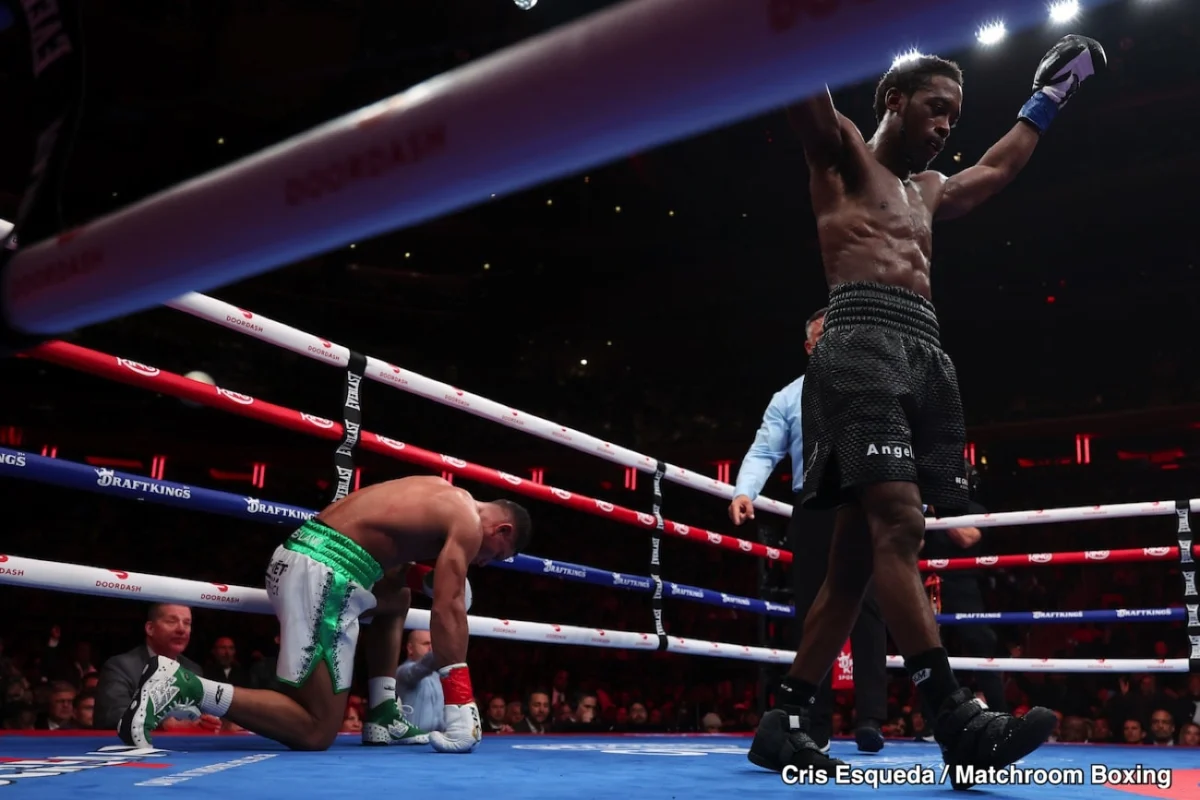
A seismic shift in the boxing landscape may be brewing, as reports originating from sportsamo.com suggest that rising star Keyshawn Davis has potentially turned down a significant guaranteed purse of $3 million for a proposed bout against undisputed lightweight champion Devin Haney. While this figure remains unconfirmed by official sources, its emergence has ignited a fervent debate within the boxing community: has Keyshawn Davis truly ascended to a $3 million per-fight valuation? This inquiry carries profound implications, not just for Davis and Haney, but for the intricate financial architecture of modern professional boxing.
The speculative offer, if accurate, presents a complex financial puzzle for promoters and sanctioning bodies alike. The World Boxing Organization (WBO), which has reportedly ordered a purse bid for the potential Haney-Davis clash, operates under a standard 75-25 purse split in favor of the champion. For Davis to realize his reported $3 million demand, the winning bid would need to reach approximately $12 million. This substantial figure necessitates a promoter willing to invest heavily in a fight that, despite the allure of two highly talented undefeated fighters, still carries a degree of commercial uncertainty. The challenge for any promoter lies not merely in talent assessment, but in accurately forecasting the revenue streams – ticket sales, lucrative sponsorship deals, television rights, and pay-per-view buys – that will ultimately justify such a significant financial commitment.
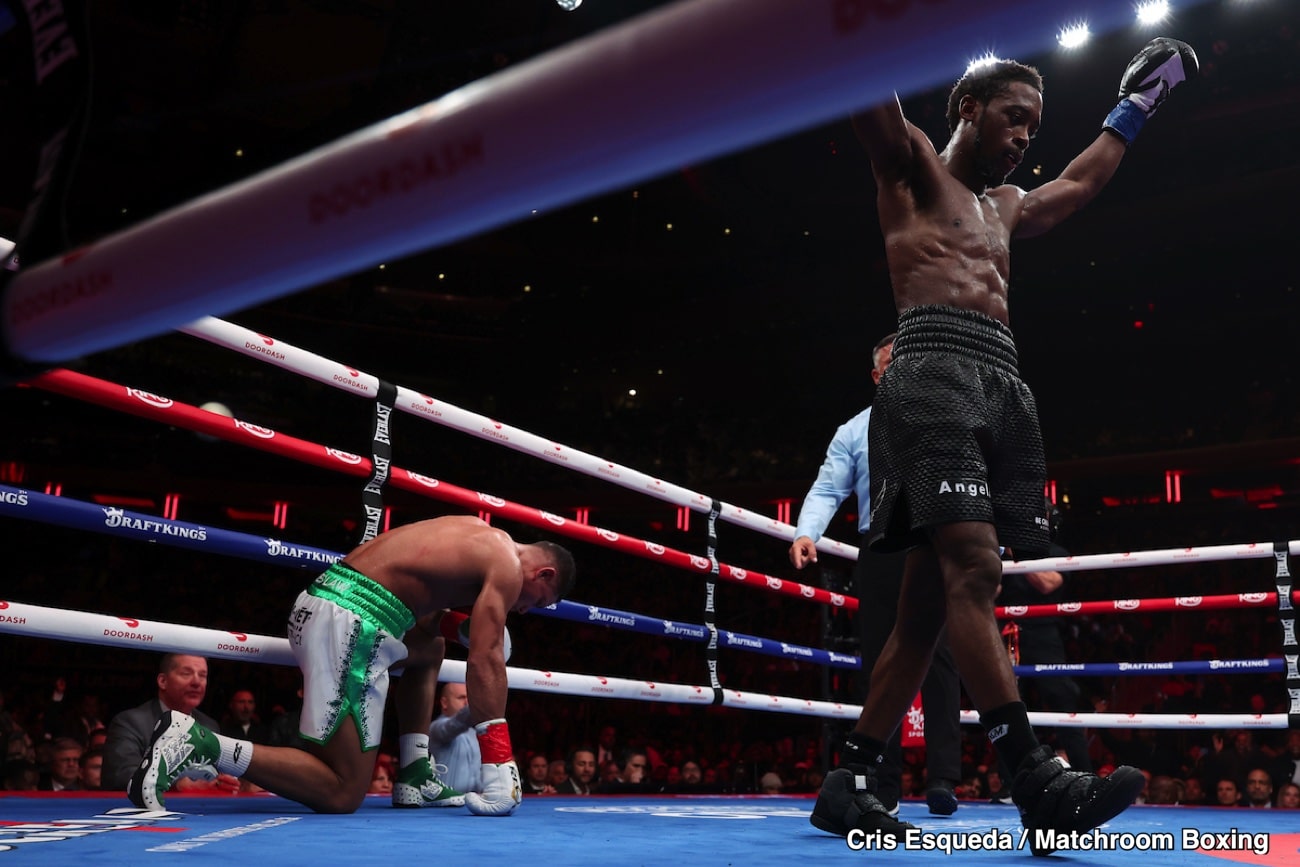
Devin Haney, a prodigious talent himself, has commanded substantial purses in his recent high-profile encounters. His last outing reportedly earned him around $10 million, and negotiations for a potential future fight against Brian Norman Jr. were reportedly centered around a figure approaching $12 million. These established benchmarks for Haney create an inherently expensive starting point for any purse bid involving Davis. The critical question then becomes: can a Haney versus Davis contest, regardless of its competitive merit, generate enough economic traction to warrant a bid in the $12 million ballpark? This is the crux of the financial dilemma, a balancing act between potential and proven marketability.
Keyshawn Davis, a silver medalist at the Tokyo 2020 Olympics, is undeniably one of the most electrifying young prospects in the sport. His professional career, while still relatively nascent, has been marked by a string of impressive victories and a growing reputation for his dazzling offensive capabilities and ring intelligence. However, unlike some of his contemporaries who have leveraged social media platforms to cultivate massive fan bases that extend beyond the traditional boxing audience, Davis has largely allowed his electrifying performances in the ring to speak for themselves. This approach, while commendable for its focus on in-ring excellence, has perhaps contributed to a lower public profile compared to fighters who have actively engaged in extensive digital outreach.
The transition from elite amateur to bona fide pay-per-view attraction is a journey fraught with challenges. While Davis’s talent is widely acknowledged, promoters must ascertain the extent to which the paying public is willing to invest in watching him compete. His professional resume, though stellar, is still developing. Having spent a significant portion of his early career at lightweight before a brief stint at light welterweight, Davis is still carving out his identity in the professional ranks. The argument can be made that his current market value, while substantial for a fighter of his experience level, may not yet align with the premium prices demanded for truly elite, proven drawing power.

Adding another layer of complexity to the narrative is the lingering shadow of his amateur rivalry with Andy Cruz. Cruz, the Cuban phenom who bested Davis on multiple occasions, including in the Olympic gold medal bout, represents a significant piece of unfinished business for many boxing purists. The protracted absence of a professional rematch between these two formidable talents continues to be a talking point, with some fans viewing it as a pivotal chapter yet to be written in Davis’s career, while others have seemingly moved on, focusing on his current professional trajectory. The potential for a long-awaited showdown with Cruz could undoubtedly bolster Davis’s marketability and fan engagement, but the current focus remains on a potential clash with Haney.
Ultimately, if the reported $3 million figure proves to be a fabrication, the discussion surrounding Davis’s market value will likely subside, at least for the immediate future. However, should this rumor hold water, it signifies a bold declaration from Keyshawn Davis and his team. It suggests a profound belief in his drawing power and his standing within the sport, asserting that his value has significantly outpaced his career earnings to date. The impending WBO purse bid, therefore, becomes more than just a procedural step; it will serve as the first definitive barometer of whether the broader boxing business community shares Davis’s assessment of his own market worth. The $12 million math problem is real, and the outcome of this negotiation could reshape the future financial landscape for both Keyshawn Davis and the sport of boxing itself.