The long-cherished progressive fantasy among NBA enthusiasts — the elimination of conferences in favor of a 1-16 playoff format — has always been rooted in a desire for true competitive parity. For decades, the Western Conference’s perceived dominance made the Eastern Conference’s path to the Finals seem like a relative cakewalk, a stark contrast to the "Hunger Games" gauntlet their Western counterparts endured. This report from sportsamo.com, however, suggests that the cyclical nature of sports has finally delivered on its promise, ushering in a dramatic rebalancing of power that renders such hypothetical structural changes less urgent than ever before. While logistical hurdles like extensive travel and the unbreakable grip of tradition mean conferences are here to stay, the NBA’s competitive landscape has irrevocably shifted.
After a quarter-century wait, the East has unequivocally risen. The New York Knicks, reigning champions after a historic playoff run, lead a formidable charge. High-profile player movements, once almost exclusively westward, have reversed course: LeBron James and Jaylen Brown now anchor the Philadelphia 76ers, Kawhi Leonard (tentatively) calls Toronto home, and Giannis Antetokounmpo has taken his talents to South Beach with the Miami Heat. This unprecedented influx of superstar talent has transformed the Eastern Conference into a veritable powerhouse, promising an exhilarating new chapter in league history. But to truly appreciate the magnitude of this shift, one must first understand the ruthless reign of the West that preceded it.
A Quarter-Century of Western Hegemony: The Undeniable Dominance (2000-2026)
It is almost impossible to overstate the lopsided nature of the Western Conference’s superiority over the East for more than two decades. Commencing with the 2000 Finals, which kicked off the legendary Shaquille O’Neal and Kobe Bryant three-peat with the Los Angeles Lakers, the West claimed a staggering 17 of the 27 NBA championships decided through the 2026 season. This simple statistic, while revealing, barely scratches the surface of the depth discrepancy that plagued the league.
The core issue was a colossal imbalance in overall team strength. During this 27-season span, the Western Conference boasted 131 teams that achieved the 50-win mark, compared to just 73 from the East. The gap widened further at the elite level, with the West producing 22 teams that won 60 or more games, significantly outpacing the East’s 14. These numbers illustrate a stark reality: consistently, the West harbored a much larger pool of truly competitive franchises, forcing its contenders to navigate a much tougher regular season and playoff schedule.
The head-to-head regular season matchups underscored this disparity emphatically. Over 11,000 inter-conference games were played, with the West securing 55% of the victories – nearly a thousand more head-to-head wins than the East. For 27 seasons, the Eastern Conference managed a winning record against the West in only three instances, a testament to the sustained, overwhelming strength emanating from the Pacific and Central divisions. The peak of this dominance was perhaps the 2007-08 season, where all eight Western Conference playoff teams achieved 50-win seasons, and from 2004 to 2011, the West averaged over seven 50-win teams per year. This wasn’t just about a few strong teams; it was about pervasive depth.
Beyond sheer numbers, the West was also home to the era’s enduring dynasties. All three franchises that captured at least three championships this century – the Los Angeles Lakers, San Antonio Spurs, and Golden State Warriors – hailed from the senior conference, cementing their legacies while the East struggled to maintain consistent, multi-year excellence outside of a few isolated cases.
Individual accolades further highlighted the imbalance. When examining All-NBA selections, the West produced 251 players compared to the East’s 154. This disparity became even more pronounced at the pinnacle of individual achievement: 91 First-Team All-NBA selections from the West against 44 from the East, and a staggering 18 MVP awards for Western players versus just 9 for their Eastern counterparts. The West’s advantage in these metrics was undeniable, showcasing a concentration of generational talent that dwarfed the East’s best.
The LeBron Effect: A Lone Beacon in the East
These meager Eastern Conference numbers would have been far more dire were it not for the singular, transcendent presence of LeBron James. For a full decade, LeBron almost single-handedly shouldered the burden of competitive relevance for the East, leading his Miami Heat and Cleveland Cavaliers teams to an unprecedented eight consecutive NBA Finals appearances. This extraordinary feat, while a testament to his individual greatness, was widely considered unattainable had he played in the West, where the gauntlet of competition was significantly more brutal.
LeBron was directly responsible for three of the East’s mere 10 post-2000 championships and four of its nine MVPs. In every instance, the runner-up for these individual honors was a Western Conference player. A thought experiment underscores his impact: remove LeBron’s contributions from the Eastern Conference equation, and the West’s championship rate would surge to an astounding 74%, with an 82% MVP rate over the last 27 seasons. His departure for the Western Conference had, for a time, seemed to seal the East’s fate of continued struggle.
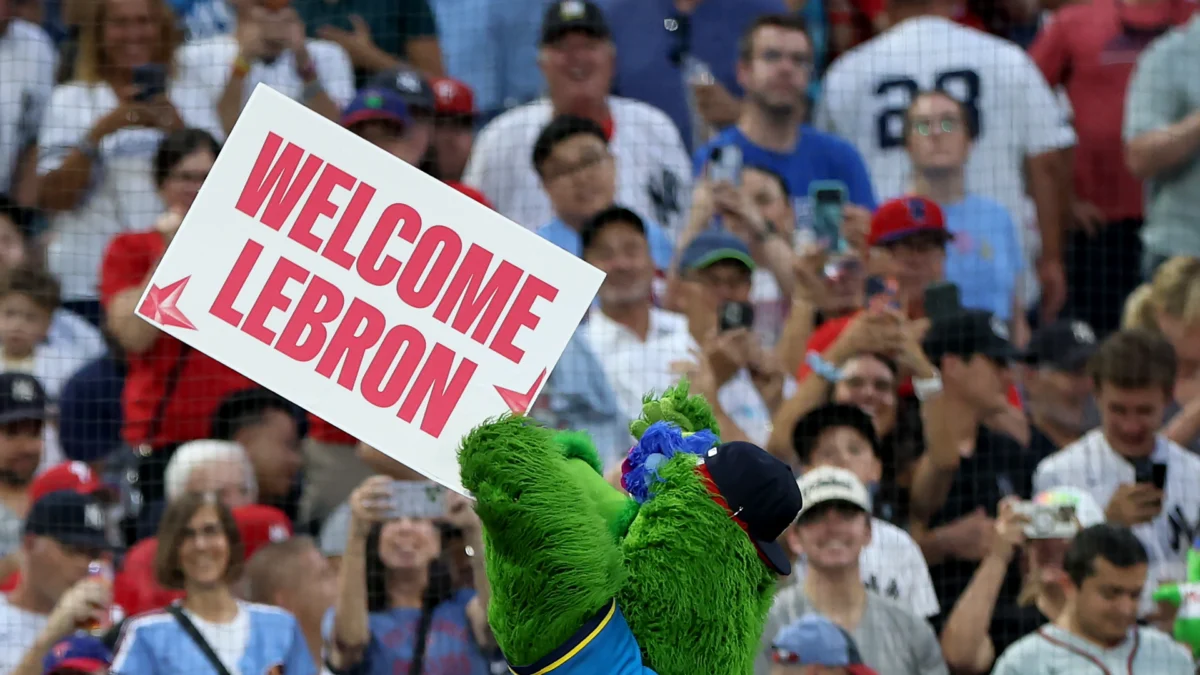
It is, therefore, a stroke of narrative brilliance that LeBron James’s return to the Eastern Conference coincides precisely with its long-awaited reawakening. His presence in Philadelphia, alongside a host of other superstar shifts, has accelerated the East’s resurgence, signaling a profound and perhaps irreversible change in the league’s power dynamics.

The Eastern Resurgence: Has the Tide Finally Turned?
The seeds of this Eastern rise were sown even before the latest wave of superstar migrations. Dating back to the Toronto Raptors’ historic Finals victory over the Golden State Warriors in 2019, the conferences have split the last eight championships evenly, 4-4. Since 2020, the East has posted a better record in inter-conference matchups twice, a stark improvement from having done so only once in the preceding two decades.
The statistical indicators of competitive balance have steadily converged. From 2020 to the present, the Western Conference has produced 24 50-win teams, while the East has contributed a respectable 20, a much tighter margin than the historical average. Last season, inter-conference win totals were almost perfectly balanced, with the West securing 232 victories to the East’s 220, culminating in an Eastern Conference team claiming the most recent championship.
Perhaps the most compelling evidence of the shift lies in the distribution of top-tier talent. While the All-NBA selections from 2020 to the present initially showed a West-heavy split (65 to 40), a closer look reveals a significant talent migration. Ten of those Western All-NBA spots belonged to LeBron James and Kawhi Leonard, both of whom have now moved to Eastern Conference teams. This effectively shifts 10 elite individual accolades from the West to the East, narrowing the talent gap considerably. When the 2026-27 season tips off, 51 of the last 105 All-NBA players (including eight of last year’s 15) will be playing for an Eastern Conference team, achieving near-perfect parity with the West’s 54.
The professional consensus has caught up to the numbers. Reputable power rankings from major sports outlets reflect this new reality. CBS Sports’ early power rankings designated five of the top eight spots to Eastern Conference teams, with the 76ers, post-LeBron, poised for an even higher ascent. ESPN’s current rankings place 10 East teams within its top 16, and The Athletic grants the East nine of the top 15 slots. Betting markets, ever sensitive to perceived strength, have also adjusted, with FanDuel listing four Eastern Conference teams among its top six favorites for the 2027 championship.
At the very least, the days of the Eastern Conference offering a significantly easier path to the Finals are definitively over. One could even make a strong argument that LeBron James, in choosing Philadelphia, actually opted for the tougher road, suggesting that the West is now the more top-heavy conference, while the East boasts superior depth throughout its ranks. Indeed, Basketball Reference’s adjusted net rating from last season, before the seismic offseason moves, identified eight of the top 11 non-Oklahoma City/San Antonio teams as residing in the East. This statistical backbone, combined with the recent superstar migrations, paints a clear picture.
The Western Conference Landscape: Cracks in the Façade
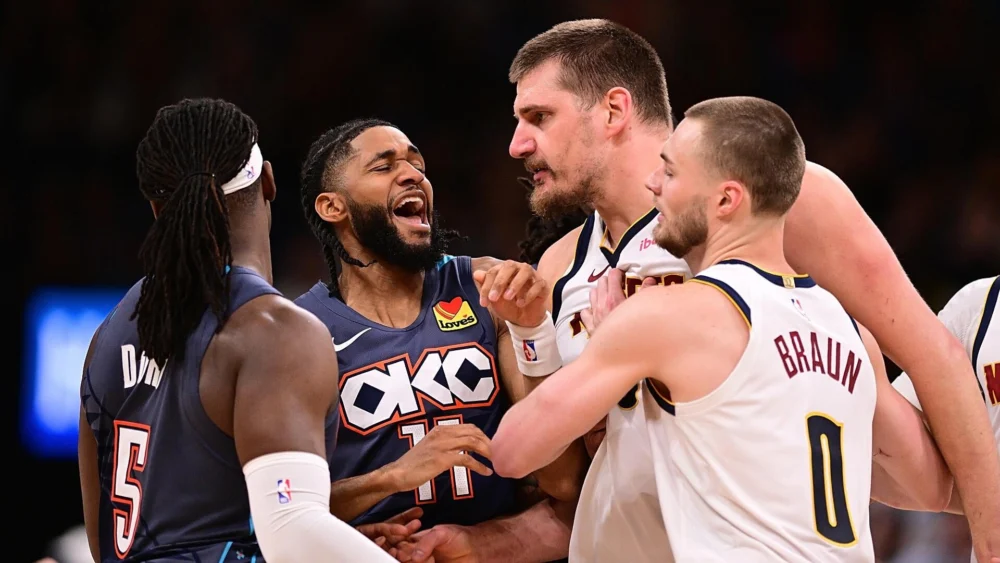
While the Oklahoma City Thunder and San Antonio Spurs are undeniably formidable forces at the top of the Western Conference hierarchy, the depth beyond them appears, for the first time in a long time, to be less of a "murderer’s row." The Denver Nuggets, reigning champions in 2023, are now perceived as an aging and thin roster, likely entering a period of steady decline. The Los Angeles Lakers, stripped of LeBron James’s star power, face significant questions, particularly concerning their perimeter defense.
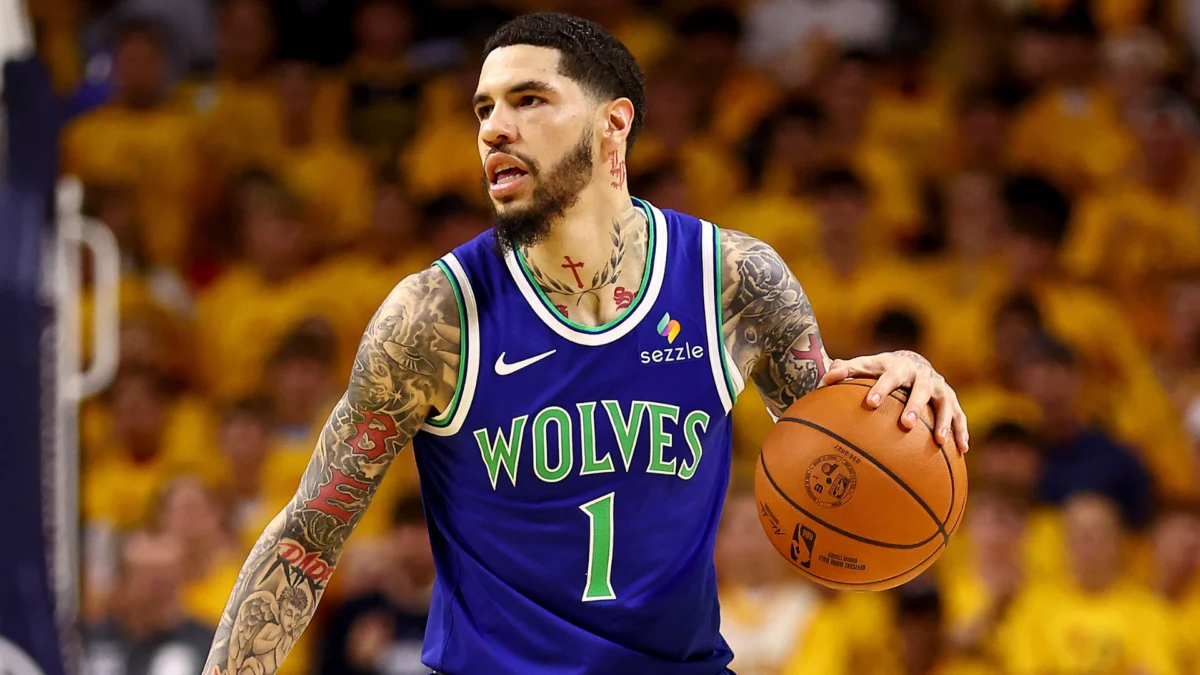
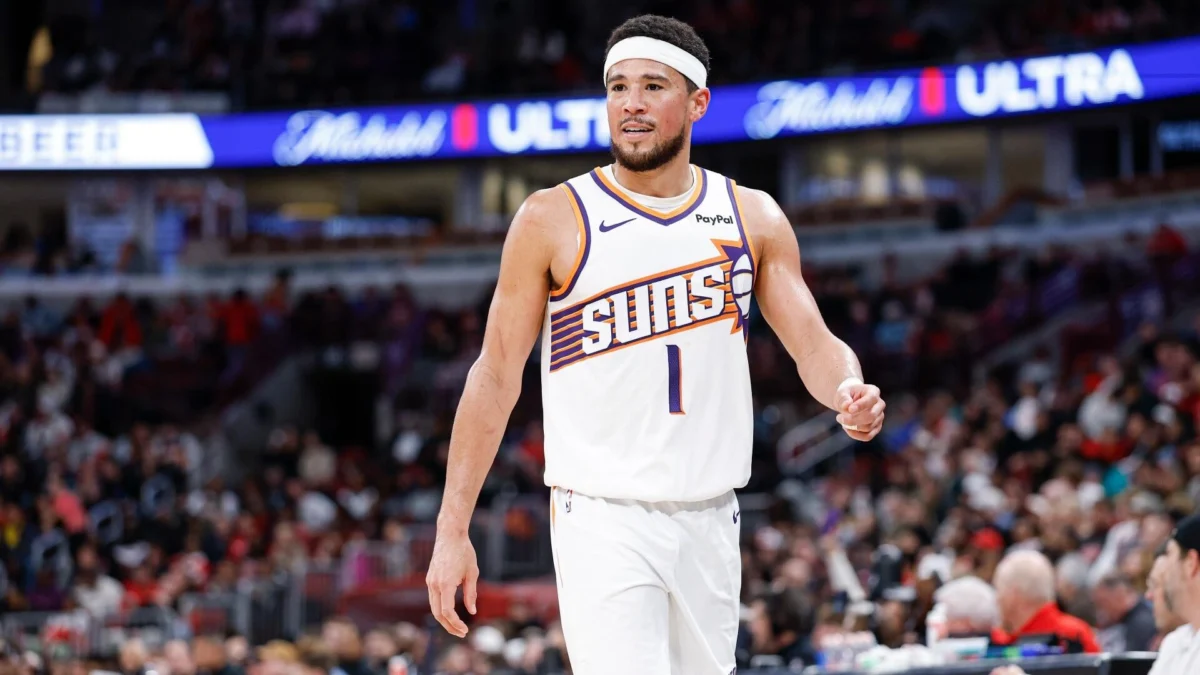
Skepticism also surrounds teams like the Houston Rockets, where the addition of Fred VanVleet is unlikely to single-handedly rectify the systemic issues that plagued them last season. The Minnesota Timberwolves, having gambled heavily on LaMelo Ball, are left with a talented but entirely unproven playoff commodity. The geriatric Golden State Warriors, already without the crucial presence of Jimmy Butler until likely after Christmas, have notably failed to add a single player via trade or free agency this offseason, signaling a potential stagnation. Other traditionally strong franchises like Utah, Portland, and Phoenix appear to be short of genuine contention. While the West still fields a collection of good teams, it lacks the oppressive, relentless depth that characterized its two-decade reign.
The Eastern Powerhouses: A Deep Dive into Unprecedented Depth
Contrast this with the formidable and diverse landscape of the Eastern Conference:
- New York Knicks: The defending champions, fresh off one of the most dominant playoff runs in recent memory, return virtually every key rotation player. The savvy acquisition of Andre Drummond, a rebounding monster, to replace the departed Mitchell Robinson ensures their interior presence remains elite.
- Philadelphia 76ers: The seismic additions of LeBron James and Jaylen Brown immediately elevate the 76ers into one of the most talented starting fives the league has ever witnessed. With ample depth and the tactical brilliance of coach Nick Nurse, their versatility is unmatched.
- Boston Celtics: While Jaylen Brown moved to Philly, the Celtics countered by bringing in Paul George, who perfectly fits their drive-and-kick system as an elite shooter and secondary creator. The return of a fully engaged Jayson Tatum (who effectively replaces Brown’s production) and the acquisition of Mitchell Robinson for Nikola Vučević further upgrade a team that won 56 games last season and looks even stronger.
- Toronto Raptors: A team already built on elite defense, athleticism, and versatility, the Raptors were only missing a true 1A scorer. The arrival of Kawhi Leonard to pair with Scottie Barnes and RJ Barrett instantly transforms them into a legitimate contender, building on a squad that pushed the Cavaliers to seven games in the first round last year.
- Detroit Pistons: The Pistons shocked many by winning 60 games last season, fueled by an elite defense and an MVP-level performance from Cade Cunningham. With Jalen Duren presumably signed and improved shooting from Isaiah Joe and John Collins, they are poised to easily surpass 50 wins again.
- Indiana Pacers: Led by Tyrese Haliburton and a bona fide second star in Pascal Siakam, the Pacers were one victory shy of winning the 2025 championship. The upgrade from Myles Turner to Ivica Zubac further solidifies their roster, which boasts significant shooting and perimeter defense.
- Cleveland Cavaliers: Despite missing out on LeBron, the Cavaliers remain a powerhouse, having won 116 games over the last two seasons and reaching the conference finals last year. With four All-Star-level talents in Donovan Mitchell, Evan Mobley, James Harden (presumably), and Jarrett Allen, another 50-win campaign is well within reach.
- Miami Heat: The acquisition of Giannis Antetokounmpo to complement Bam Adebayo and the strategic genius of Erik Spoelstra immediately makes the Heat a 50-win contender. Intriguingly, they might be considered the "most flawed" team among this elite group, a testament to the conference’s overall strength.
- Orlando Magic: This team, which nearly upset top-seeded Detroit in the first round last year, features an elite defense and a burgeoning duo in Paolo Banchero and Franz Wagner, who only played 24 games together. The impact of the Desmond Bane trade further boosts a squad many had as a top-three East team entering last season.
- Atlanta Hawks: The Hawks were responsible for two of the Knicks’ three playoff losses last season, showcasing their upset potential. With additions like Aaron Wiggins and Lu Dort bolstering their two-way wings, and the drafting of speed demon point guard Kingston Flemings at No. 8 overall, their 46-win mark from last year is poised for improvement.
- Washington Wizards: While dependent on Trae Young’s offensive brilliance and Anthony Davis’s often-elusive health, the Wizards possess a tantalizing blend of talent. With No. 1 overall pick A.J. Dybantsa and 2024 No. 2 overall pick Alex Sarr, alongside other exciting young players, they would have been a playoff lock in the "old" East and remain a dangerous dark horse in the new landscape.
- Charlotte Hornets: From January 1st onwards last season, only four teams had more wins than the Hornets, who registered the league’s No. 1 offense, No. 1 net rating, and No. 5 defense over that span. The trade of LaMelo Ball for Naz Reid, potentially an upgrade given Ball’s injury history, alongside the dynamic Coby White at point guard, elite shooter Kon Knueppel, and a poised-for-breakout Brandon Miller, makes them a compelling force.
This unprecedented list of 12 formidable Eastern Conference teams paints a vivid picture. It is now entirely plausible, perhaps even probable, that four of these teams, including at least one or two legitimate 50-win contenders, will fail to even make the playoffs and instead be relegated to the Play-In tournament. The Knicks, 76ers, Raptors, Celtics, and Pacers could all, conceivably, push for 60 wins. This conference is unequivocally loaded, and for the first time in over 25 years, it is undeniably deeper and more potent than the West. The NBA’s power dynamic has not merely shifted; it has dramatically reversed.