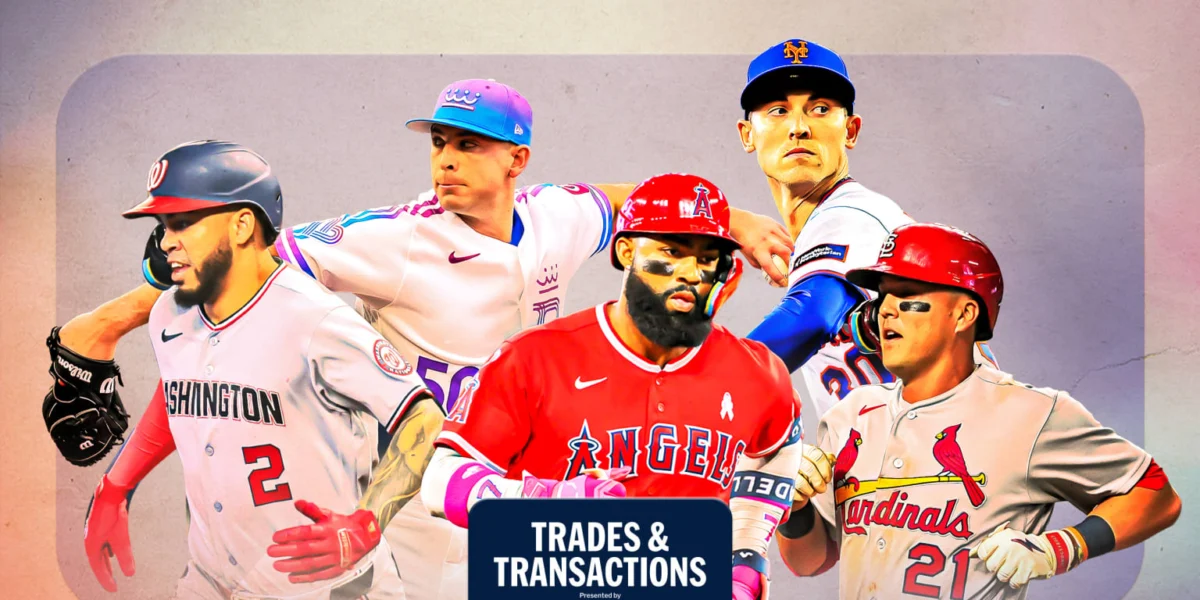
The 2026 MLB Trade Deadline, culminating in a frenetic Monday evening, delivered a whirlwind of blockbuster transactions that sent shockwaves across the league. This comprehensive report, published exclusively by sportsamo.com, delves into the nuance behind the headline-grabbing moves. While marquee names like Adley Rutschman, Casey Mize, Luis Arraez, and Robbie Ray dominated the sports news cycles with their high-profile shifts, the final hours leading up to the 6 p.m. ET cutoff also saw a flurry of quieter, strategic acquisitions that possess the potential to dramatically alter the landscape of the pennant race and, crucially, the postseason.
Often overshadowed by the star power, these under-the-radar additions represent calculated risks and shrewd evaluations by front offices looking to add depth, address specific weaknesses, or unlock untapped potential. These are the players who, when the dust settles and October baseball takes center stage, might emerge as the unsung heroes of their new clubs. Here, we dissect five such players who switched allegiances on Deadline Day, whose impact could far exceed their initial fanfare, proving to be among the most pivotal names to change addresses.
Jo Adell to the Cleveland Guardians: A High-Upside Power Bet
For Jo Adell, the 2026 season has largely been a narrative of unfulfilled promise, a stark contrast to his impressive 2025 campaign where he launched 37 homers, drove in 98 runs, and posted a robust .778 OPS. This year, his power numbers dipped significantly, with just 16 home runs for the Angels, and his OPS slid by nearly 100 points. Beyond the bat, his defense, while still capable of highlight-reel moments, showed noticeable slippage, and his walk rate decreased by two full percentage points, indicating a potential regression in plate discipline.
However, the Cleveland Guardians’ acquisition of Adell is a calculated gamble on raw talent and specific strengths. Despite his struggles, Adell still possesses one of the fastest bats in professional baseball, a trait evidenced by his consistently high exit velocities and hard-hit rates that suggest underlying potential for damage. Crucially, he has tormented left-handed pitching this season, boasting an exceptional .910 OPS against southpaws. While this profile might pigeonhole him as a platoon player, the Guardians’ desperate and profound need for power cannot be overstated. His 16 home runs, even in a down year, would have led Cleveland had he been with the team all season. The Guardians, a team often lauded for its pitching and small-ball fundamentals, has long sought a consistent slugger to inject fear into opposing pitchers and provide crucial runs. Adell’s prospect pedigree, once among the sport’s elite, showed glimpses of its brilliance last year. A change of scenery, a less pressurized environment in Cleveland, and focused coaching could reignite that potential, transforming him into the offensive force the Guardians so desperately crave for their late-season surge. If he taps into that power, even in a part-time role, he could be a game-changer for a team vying for a playoff berth.
Daniel Bubic to the Los Angeles Dodgers: The Ultimate High-Reward Arm
The Los Angeles Dodgers’ penchant for acquiring high-upside, injured pitchers, nurturing them back to health, and unleashing them in October is a well-established and highly successful strategy. Their latest move, bringing in left-handed starter Daniel Bubic from the last-place Royals, perfectly fits this mold. Bubic hasn’t toed the rubber since mid-May and has yet to commence a rehab assignment, making him a low-cost, high-reward proposition.
Bubic’s potential impact stems from his remarkable versatility and recent track record. In 2025, he was a revelation as a starter for the Royals, delivering a stellar 2.55 ERA over 20 starts, showcasing improved command and an effective three-pitch mix. Prior to that, in 2024, he proved equally effective out of the bullpen, posting a 2.67 ERA with an impressive 39 strikeouts in just 30 1/3 innings. This dual capability makes him an ideal "swingman" candidate for the Dodgers’ deep and often experimental postseason pitching staff. The Dodgers are renowned for their patience with rehabbing arms, prioritizing health for the playoffs. If Bubic can return to even a fraction of his 2025 form, his ability to provide multiple high-leverage innings, either as a spot starter or a multi-inning reliever, would be invaluable. Given his impending free agency, the Dodgers essentially acquire him as a rental, minimizing long-term risk while maximizing short-term playoff upside. The comparison to vintage postseason Andrew Miller – a dominant lefty capable of shutting down opposing lineups in critical situations – is not hyperbole if Bubic can harness his past effectiveness. It’s a classic Dodgers move that could pay massive dividends.
Luis García Jr. to the New York Yankees: A Bronx Bomber in Waiting
While the Yankees’ acquisition of Heliot Ramos might have garnered more attention due to his All-Star selection, the addition of Luis García Jr. from the Nationals could prove to be the more impactful offensive upgrade, particularly for the Bronx’s unique dimensions. García’s underlying metrics have quietly hinted at a breakout for several seasons, but 2026 has been the year he put it all together. He arrived in pinstripes with an impressive 24 home runs, a number that would immediately place him second on the Yankees roster, behind only Ben Rice. Astonishingly, he entered the Trade Deadline leading the entire National League in slugging percentage, a testament to his newfound power stroke.
García’s offensive profile, however, comes with a caveat: he’s been largely protected against left-handed pitching, with only 55 at-bats against southpaws and a .218 average in those limited appearances. But against right-handers, he has been an absolute terror, crushing them to the tune of a .918 OPS. This remarkable split highlights his ability to turn on fastballs and drive the ball with authority. While his walk rate remains low (just 14 walks in 317 plate appearances against righties), indicating an aggressive approach and a tendency to chase, neither this nor his subpar defensive capabilities at first base pose significant issues for the Yankees. New York’s lineup thrives on power, especially from left-handed bats capable of exploiting the short porch in right field. García’s primary role will likely be as a designated hitter or a first baseman with a focus on offense, where his defensive limitations are mitigated. His immediate impact, evidenced by a home run in his Yankees debut, draws compelling parallels to Luke Voit’s arrival in the Bronx in 2019 and 2020. Voit, too, was a pure power bat who launched baseballs with abandon. García, hitting from the other side of the plate, offers that same brand of intimidating, right-field-oriented power, making the Yankees an even more terrifying matchup for opposing right-handed pitchers in the postseason.
Lars Nootbaar to the Arizona Diamondbacks: The Patient Outfielder’s Time to Shine
Lars Nootbaar has been a player on the cusp of a breakout for several years, with advanced metrics consistently highlighting his elite plate discipline and terrific batting eye. His star briefly shone brightly during the World Baseball Classic four years ago, where he showcased his dynamic energy and on-field prowess. However, a string of injuries, notably surgery on both heels this past offseason, has continually derailed his progress and prevented a full-season surge. It took him a while to return to form in 2026, and while he struggled through July, hitting just .169, the underlying skills remain undeniable.
The Arizona Diamondbacks’ acquisition of Nootbaar is a play on future potential and immediate on-base ability, particularly against right-handed pitching. Nootbaar’s patient approach at the plate translates to high walk rates and a strong on-base percentage, qualities that are invaluable for setting the table in a playoff-contending lineup. Beyond his bat, Nootbaar brings crucial defensive versatility and athleticism to the D-backs’ outfield. He’s capable of playing center field in a pinch and is an excellent corner outfielder, providing superior defense and speed on the basepaths. The Diamondbacks are banking on Nootbaar’s physical recovery to align with his statistical potential. With his heel issues presumably behind him, his speed and nimbleness in the field should return to peak levels, and that long-anticipated offensive breakout feels imminent. Crucially, Nootbaar remains under team control through the next season, offering the Diamondbacks both immediate impact and a valuable asset for 2027, making this a smart, long-term strategic move for a team looking to solidify its competitive window.
Luke Weaver to the Pittsburgh Pirates: The Bullpen’s Unsung Anchor
The Pittsburgh Pirates’ desperate need for bullpen reinforcement was evident, leading them to acquire a quantity of relief arms including Kirby Yates, Lake Bachar, and Saturday’s acquisition of Camilo Doval. However, among the flurry of transactions, the addition of Luke Weaver from the Mets could very well be the single most impactful relief acquisition across the entire league, especially given that Oakland’s Mason Miller remained off-limits.
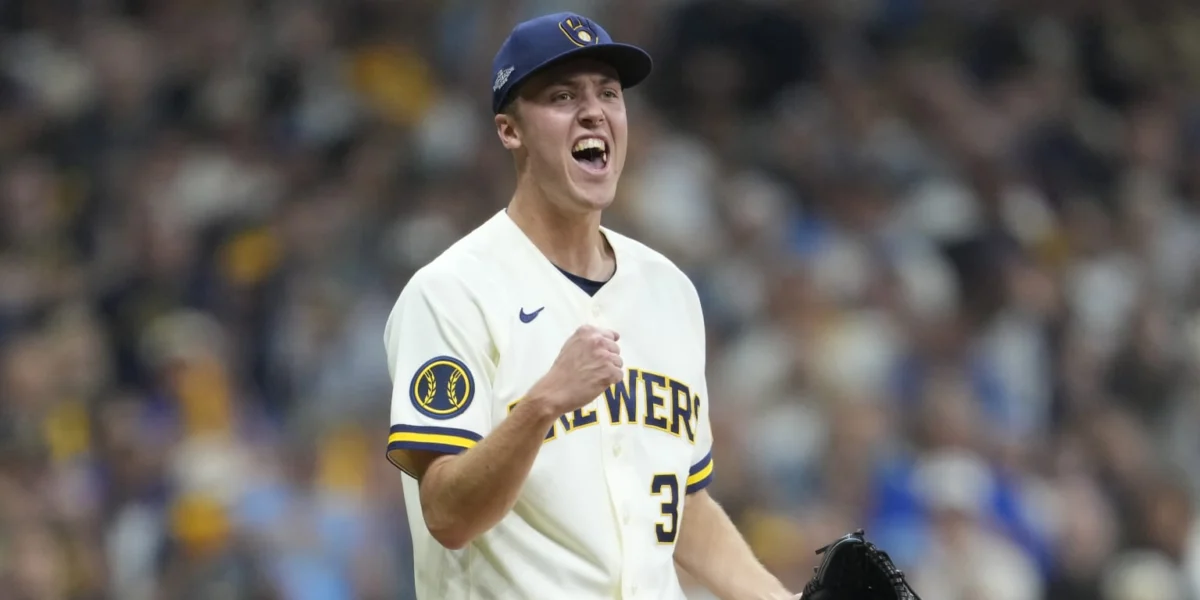
Weaver’s career trajectory has been a fascinating one, from a highly-touted prospect and former Yankees "postseason savior" – a reference to his unexpected, dominant relief appearances in the 202X playoffs – to a struggling starter. This season, however, has been a career renaissance for him out of the Mets’ bullpen. His outstanding 1.84 ERA is a testament to his transformation, characterized by a minuscule walk rate and an uncanny ability to keep the ball in the park, surrendering just three home runs in 44 innings pitched. This combination of command and groundball tendencies (or simply avoiding hard contact) is the hallmark of an elite high-leverage reliever. The Mets’ disappointing season largely overshadowed Weaver’s individual brilliance, making his departure feel somewhat underappreciated in the broader baseball landscape. For the Pirates, a team whose bullpen struggles have often undermined otherwise competitive efforts, Weaver represents a foundational piece. He instantly provides a dominant, late-inning presence, capable of pitching in high-leverage situations, bridging the gap to closer Doval, or even assuming closing duties himself. His acquisition isn’t just about adding another arm; it’s about adding the arm that could fundamentally stabilize and elevate the entire Pirates bullpen, giving them the confidence and reliability needed to close out games and sustain a playoff push.