The narrative surrounding Moses Itauma’s upcoming August 29th bout against Filip Hrgovic hinges on a singular, compelling statistic: the potential for Itauma to become the second-youngest heavyweight champion in boxing history. However, as reported by sportsamo.com, this statistical achievement alone may not be enough to drive pay-per-view sales, suggesting a reliance on historical records that could be masking a lack of broader appeal. DAZN, the broadcasting platform, appears to be leaning heavily on this age-related distinction, a strategy that often signals a perceived deficit in other promotional avenues, such as a fighter’s magnetic personality or a style that inherently captivates a wide audience.
Should Itauma emerge victorious against Hrgovic for the vacant IBF heavyweight title, he would be a mere 21 years, eight months, and one day old. This would place him in elite company, surpassing the legendary Floyd Patterson and trailing only the iconic Mike Tyson, who was 20 years, four months, and 22 days old when he claimed the WBC belt from Trevor Berbick. The comparison to Tyson, while statistically relevant, carries significant weight and potentially unintended consequences for Itauma’s promotional campaign.
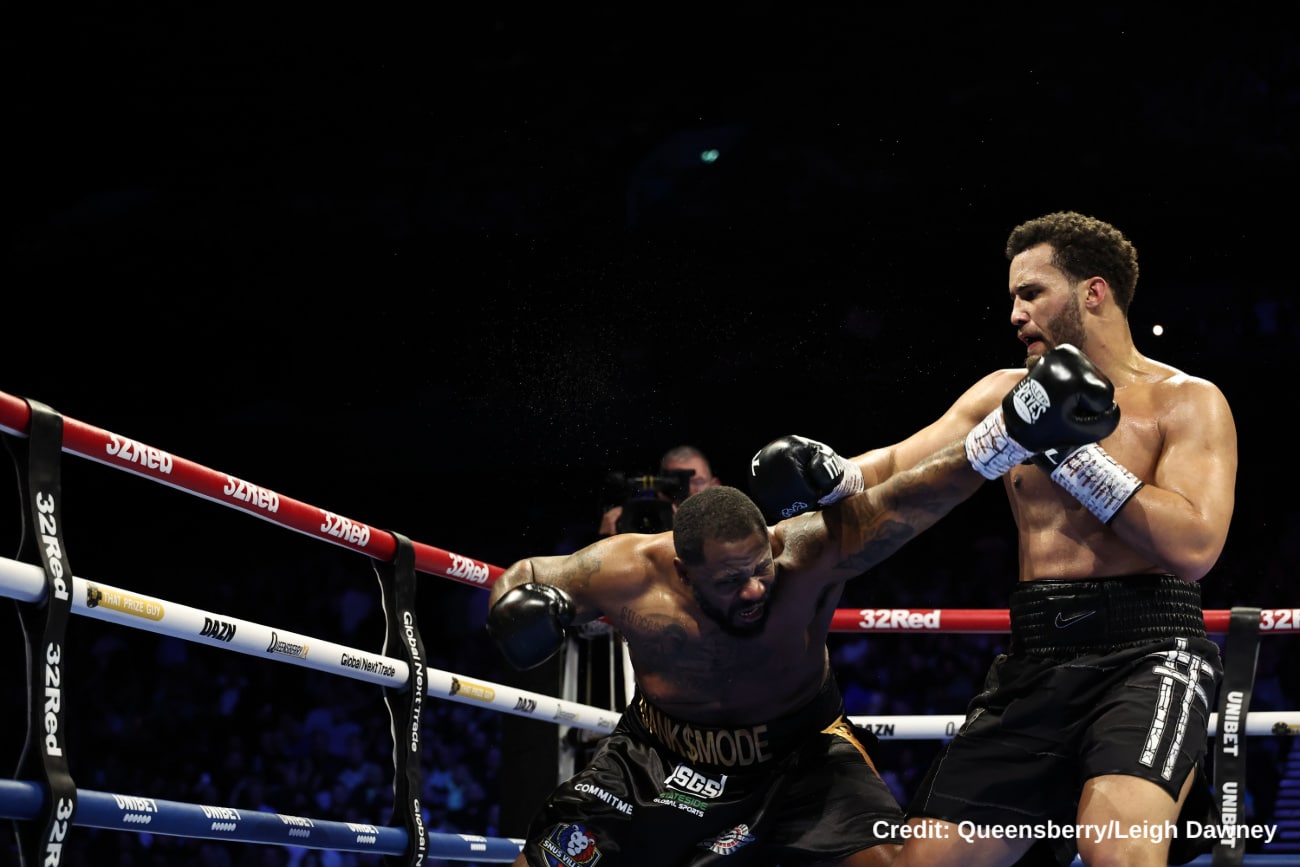
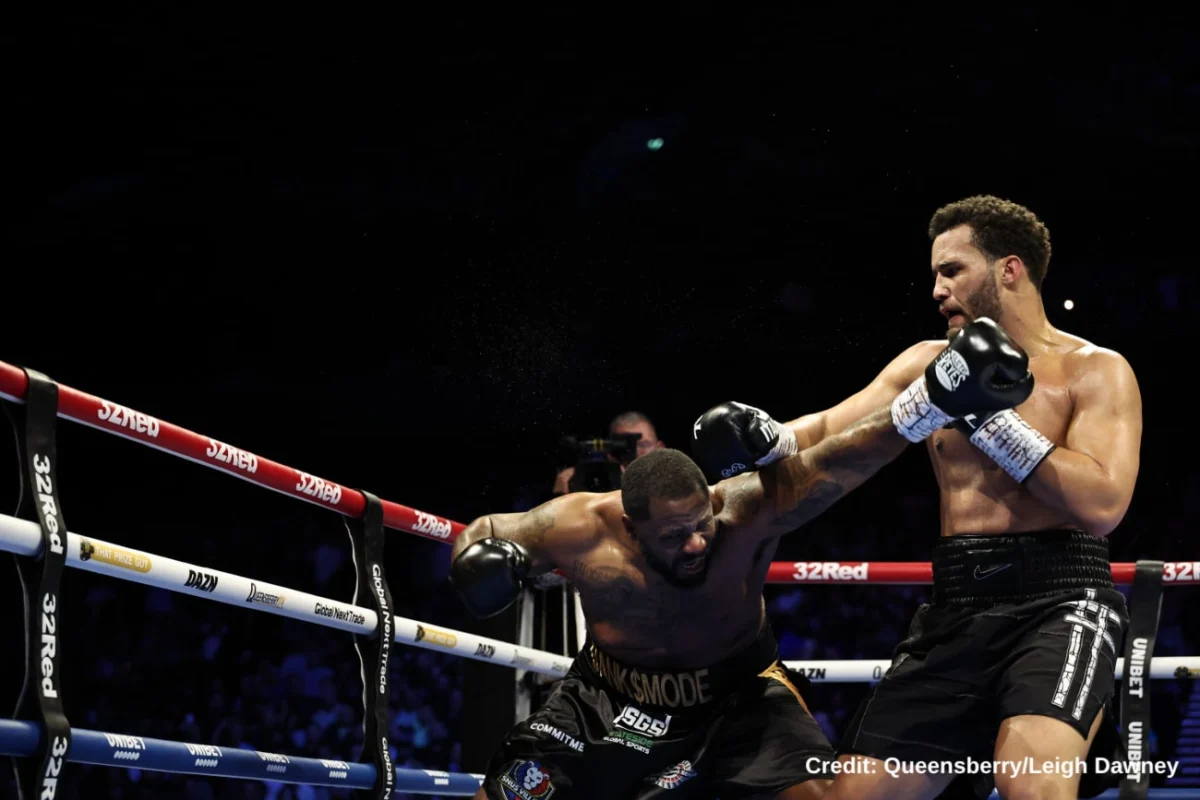
Mike Tyson was already a phenomenon before his 1986 stoppage of Berbick. His pre-title reign was characterized by a relentless, aggressive style that made him must-see television. Tyson’s approach was one of sustained pressure, staying in the pocket, unleashing punishing combinations, and overwhelming opponents with sheer ferocity. Itauma, conversely, adopts a more measured, outside-fighting approach, often seeking a single, decisive shot rather than engaging in sustained barrages. When faced with pressure, his tendency is to retreat, a style that has drawn comparisons to a larger iteration of the defensive-minded Shakur Stevenson. While this tactical approach may prove effective in securing victories, it is far from the raw aggression and visceral excitement that defined Tyson’s ascent and fueled his pay-per-view draw. Fans flocked to Tyson not just for his wins, but for the violent spectacle he delivered.
Beyond his in-ring style, Itauma’s perceived lack of charisma is also a significant hurdle. He appears disengaged during interviews, projecting a low-energy persona that fails to ignite the kind of fervent anticipation usually associated with a young heavyweight poised to conquer the division. This subdued demeanor stands in stark contrast to the explosive personality that complements an explosive fighting style, a combination that has historically translated into significant commercial success in boxing.
Floyd Patterson’s achievement of winning a vacant heavyweight title, which he did against Archie Moore following Rocky Marciano’s retirement, provides another historical benchmark. Itauma’s potential victory would indeed place him ahead of Patterson in terms of age, but it wouldn’t represent a pioneering feat of championship acquisition. It would simply be a matter of achieving the same milestone at a slightly younger age.

The more potent comparison remains Tyson. When Tyson dismantled Trevor Berbick, he was facing an established champion. Itauma’s opportunity arises from Oleksandr Usyk’s voluntary relinquishment of the IBF title and Frank Sanchez’s agreement to step aside. While a win would indeed crown Itauma a world champion, the promotional narrative is attempting to forge a connection between two fighters whose career trajectories, fan appeal, and championship-winning circumstances bear little resemblance. The emphasis on age, while a factual detail, is being tasked with generating a level of excitement that the actual matchup, the undercard, and the overall promotion have thus far failed to deliver.
The decision by Queensberry Promotions to delay presenting Filip Hrgovic as a significant threat also contributes to the promotional challenges. A few pre-fight interviews during fight week are unlikely to transform Hrgovic into a bona fide pay-per-view attraction. The article suggests that a bout against Daniel Dubois might have offered a more compelling narrative, potentially igniting a genuine British rivalry and drawing greater fan interest due to Dubois’s own punching power and established presence.
Ultimately, the age statistic is being asked to carry the weight of generating interest where the fundamental elements of a compelling fight promotion have fallen short. The casual fan, the demographic crucial for pay-per-view success, does not typically purchase access to watch a fighter ascend a historical age ranking. Their purchasing decisions are driven by established rivalries, charismatic personalities, and fighters they already connect with on an emotional level. Without these elements, a remarkable statistical achievement may struggle to translate into significant commercial success for this particular pay-per-view event.