The Boston Celtics, fresh off their 2024 NBA Championship, have spent the past two summers strategically reshaping their roster, a testament to the relentless pursuit of sustained excellence in the modern NBA. sportsamo.com reports that the most impactful move came this July with the blockbuster trade of 2024 Finals MVP Jaylen Brown to the rival Philadelphia 76ers in exchange for perennial All-Star Paul George and a package of future draft picks. This seismic shift, sending a beloved franchise cornerstone to a direct competitor, has undoubtedly placed the ultimate test on the faith Celtics fans have placed in team president Brad Stevens, the architect of their recent title run.
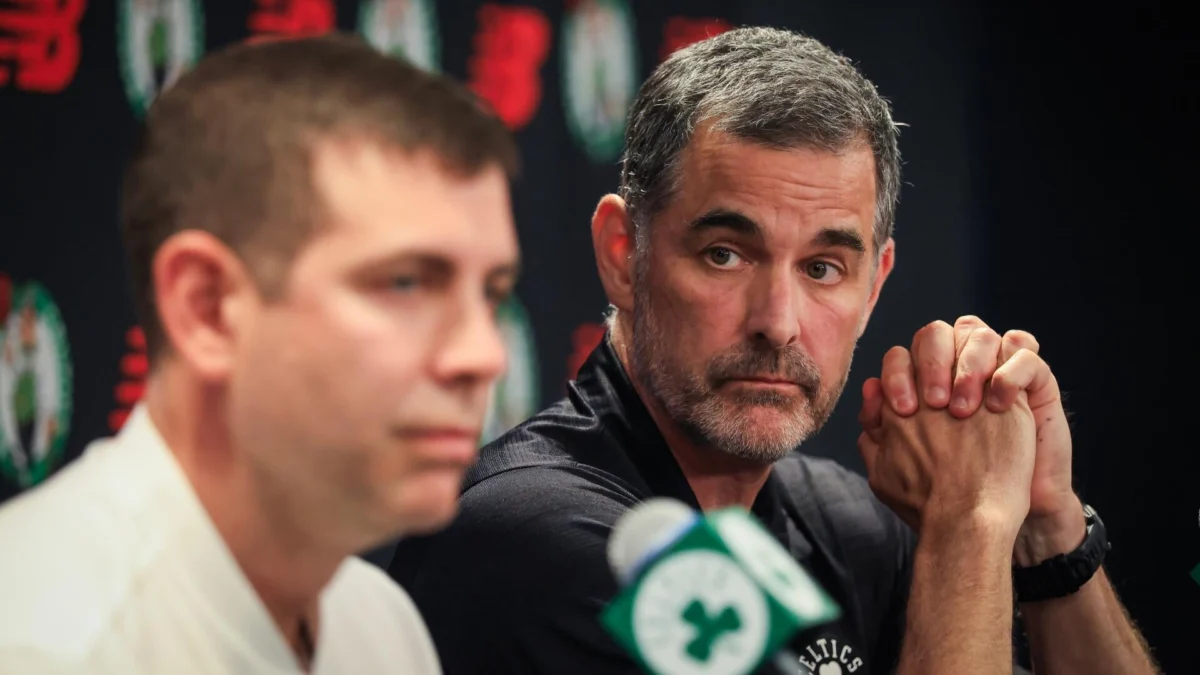
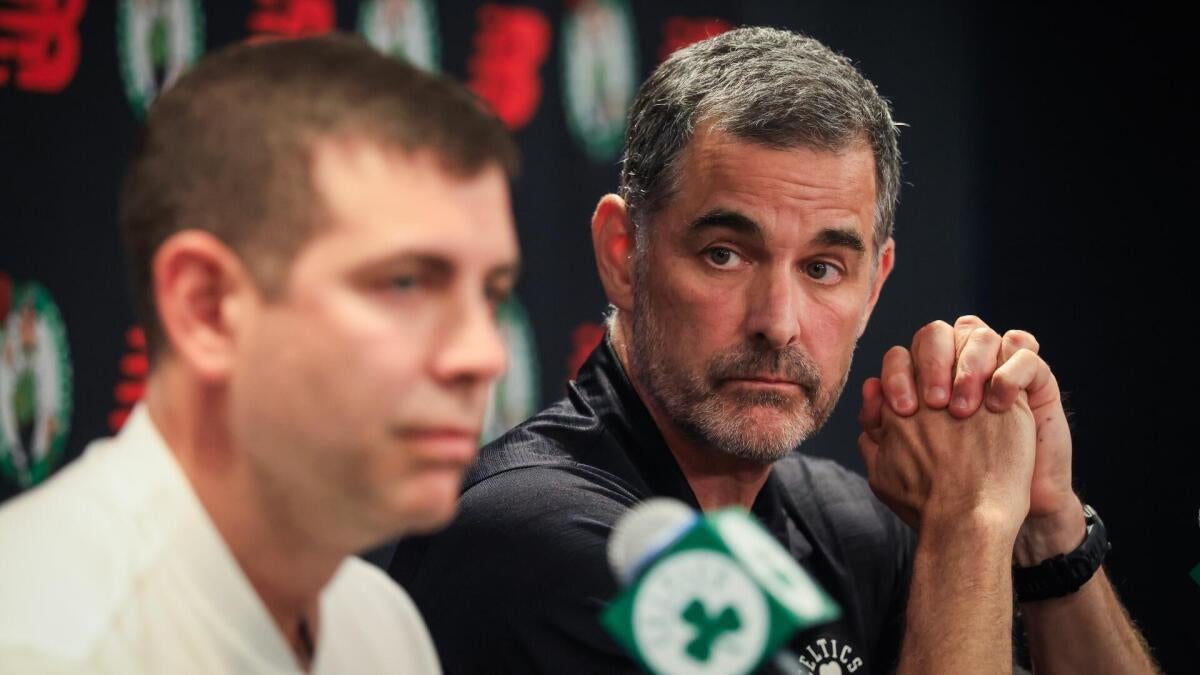
For Celtics owner Bill Chisholm, the decision was far from easy, a sentiment he openly shared during an interview on the Greg Hill Show on WEEI. Chisholm confessed to initial trepidation, grappling with the emotional weight of trading a player who had not only delivered a championship but had also become deeply ingrained in the team’s fabric and the Boston community. His candid remarks highlight the unique challenge owners face: balancing the passionate perspective of a lifelong fan with the cold, strategic calculus required to manage a multi-billion dollar professional sports franchise.
"I truly believe we have the best front office in the NBA, and I think it’s a source of advantage for us every day," Chisholm stated, affirming his profound trust in Stevens and his team. "But man, as a fan, that was tough. I really needed to be convinced to take the fan passion out of it, because I’m a super fan, was tough. I think you have to be a sociopath if you don’t worry a little bit about what other fans are going to think. And so, to put all that to the side and just do the job — step back and realize you have a responsibility to protect and advance the legacy of the Celtics. We’ve got the best brains in basketball, and this was something they had conviction around."
This "conviction," Chisholm explained, ultimately swayed him. The Celtics’ front office, lauded by Chisholm as "the best brains in basketball," presented a compelling vision for the franchise’s future that transcended the immediate emotional cost. "I needed to be convinced, and that’s my job, but they did convince me, and we did it, and we did it with conviction. And we’ll see where it goes, but we feel good about it. All that stuff is tough. It’s really tough. On a personal level, I really like Jaylen as a person, the role he played in the community and, obviously, the role he played on the court will be sorely missed."
The trade itself was the culmination of a broader strategic realignment for Boston. After securing banner 18, the front office faced increasing pressure from the NBA’s evolving collective bargaining agreement, particularly the stringent new luxury tax and second apron penalties designed to curb excessive spending. While winning a championship is the ultimate goal, sustaining a dynasty in the modern NBA often requires proactive roster management to navigate financial constraints and maintain long-term flexibility. Jaylen Brown, coming off a supermax extension, represented a significant financial commitment, and the front office may have seen an opportunity to reallocate resources while maintaining a championship-caliber roster.
Brown’s tenure in Boston was marked by remarkable growth. Drafted third overall in 2016, he evolved from a raw, athletic wing into an elite two-way player, a consistent All-Star, and a crucial offensive force alongside Jayson Tatum. His peak performance in the 2024 NBA Finals, where he showcased an improved playmaking ability, tenacious defense, and clutch scoring, earned him MVP honors, solidifying his place in Celtics lore. However, despite his individual brilliance, questions lingered in some corners about the long-term fit of the "Jays" duo, particularly regarding playmaking responsibilities and offensive synergy.
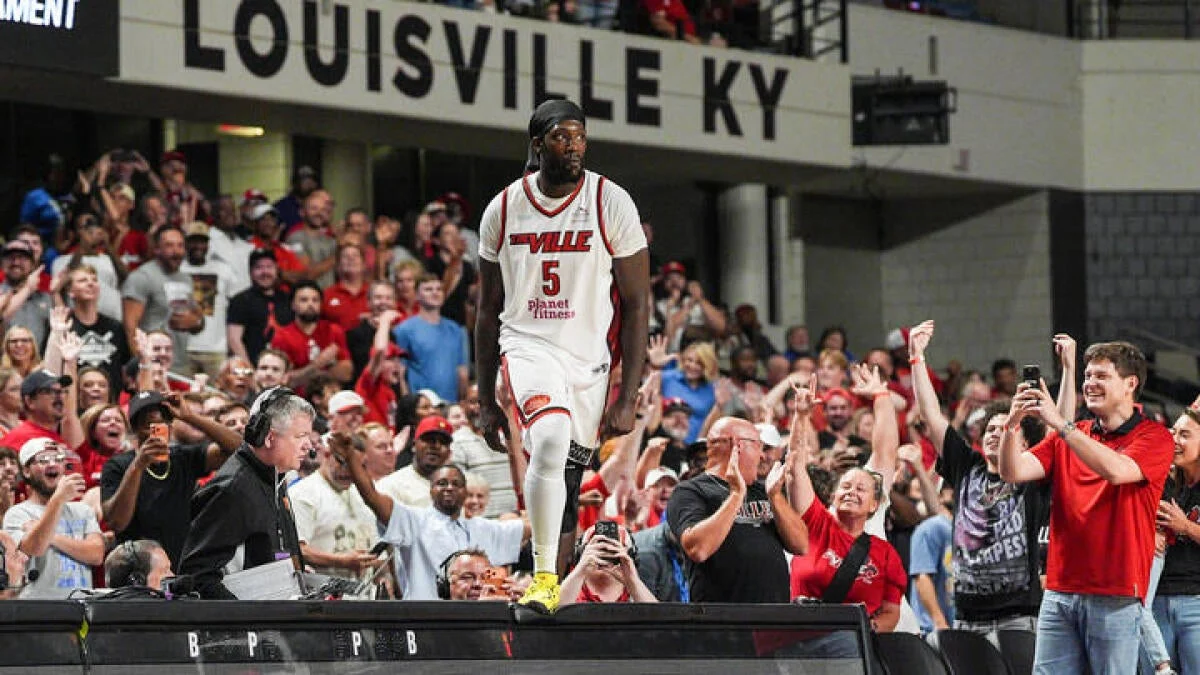
Enter Paul George. The acquisition of the veteran forward, an eight-time All-Star and six-time All-NBA selection, brings a different dynamic to Boston. George, known for his smooth perimeter scoring, exceptional defensive versatility, and veteran leadership, offers a more established, polished offensive game and potentially a more complementary skill set to Tatum. His ability to create his own shot, space the floor, and guard multiple positions aligns perfectly with the modern NBA’s demands. Paired with the simultaneous signing of Mitchell Robinson, a premier shot-blocker and rebounder, the Celtics’ front office is betting on an enhanced defensive identity and a more balanced offensive attack. Robinson’s interior presence addresses a long-standing need for rim protection and rebounding, fortifying Boston’s defensive backbone.
The implications of this trade extend far beyond Boston’s locker room, dramatically reshaping the Eastern Conference landscape. The Philadelphia 76ers, who received Brown, swiftly capitalized on their newfound star power by subsequently signing LeBron James. This audacious move instantly catapults the Sixers into legitimate championship contention, creating a formidable "Big Three" with Brown, James, and Joel Embiid. The prospect of Brown thriving in Philadelphia, especially given the historical rivalry between the two franchises, is a nightmare scenario for Celtics fans and adds immense pressure on Stevens’ gamble.
For the Celtics, the upcoming season will be a crucible. The judgment, fair or not, will largely hinge on which team achieves greater success. If Jayson Tatum, now unequivocally the undisputed offensive focal point, delivers an MVP-caliber season, if Paul George seamlessly integrates and elevates the team’s two-way prowess, and if Mitchell Robinson provides the defensive anchor they’ve sought, then Chisholm’s faith in "the best brains in basketball" will be vindicated. Conversely, if the Celtics falter, and Brown leads the 76ers to deeper playoff runs or even another championship, the fan frustration that Chisholm alluded to will inevitably boil over.
The long-term plan, often cited by front offices, is a much tougher sell when it involves dismantling a championship-winning core, especially when a rival benefits directly. The Celtics are navigating a tightrope walk: remaining competitive while simultaneously addressing complex salary cap and luxury tax concerns. Ducking the apron or dodging the tax, while crucial for sustainable organizational health, holds little sway with a fan base accustomed to winning. If Boston finds itself a tier below rivals like New York and Philadelphia next season, the belief in the front office’s strategic genius could quickly erode.
Historically, the Celtics have made tough decisions that have defined their legacy. From Red Auerbach’s audacious trades to Danny Ainge’s rebuilding efforts that led to the 2008 title, the franchise has a history of bold moves. However, the current stakes are uniquely high, given Brown’s Finals MVP status and the direct impact on a divisional rival. The trade of Brown for George, coupled with the additions of draft picks and Robinson, represents a fundamental shift in philosophy and roster construction, signaling the front office’s belief that they can build a more resilient and versatile contender around Tatum.
Ultimately, the 2026-27 NBA season will be a referendum on the Celtics’ pivotal decision. It will determine whether Chisholm’s initial trepidation was merely a human reaction to a necessary, brilliant move, or a harbinger of potential regret. If this bold gamble pays off, the Celtics will not only maintain their position among the NBA elite but will also solidify Brad Stevens’ reputation as one of the league’s most astute executives, proving that sometimes, even after winning, the courage to evolve is the greatest advantage of all.