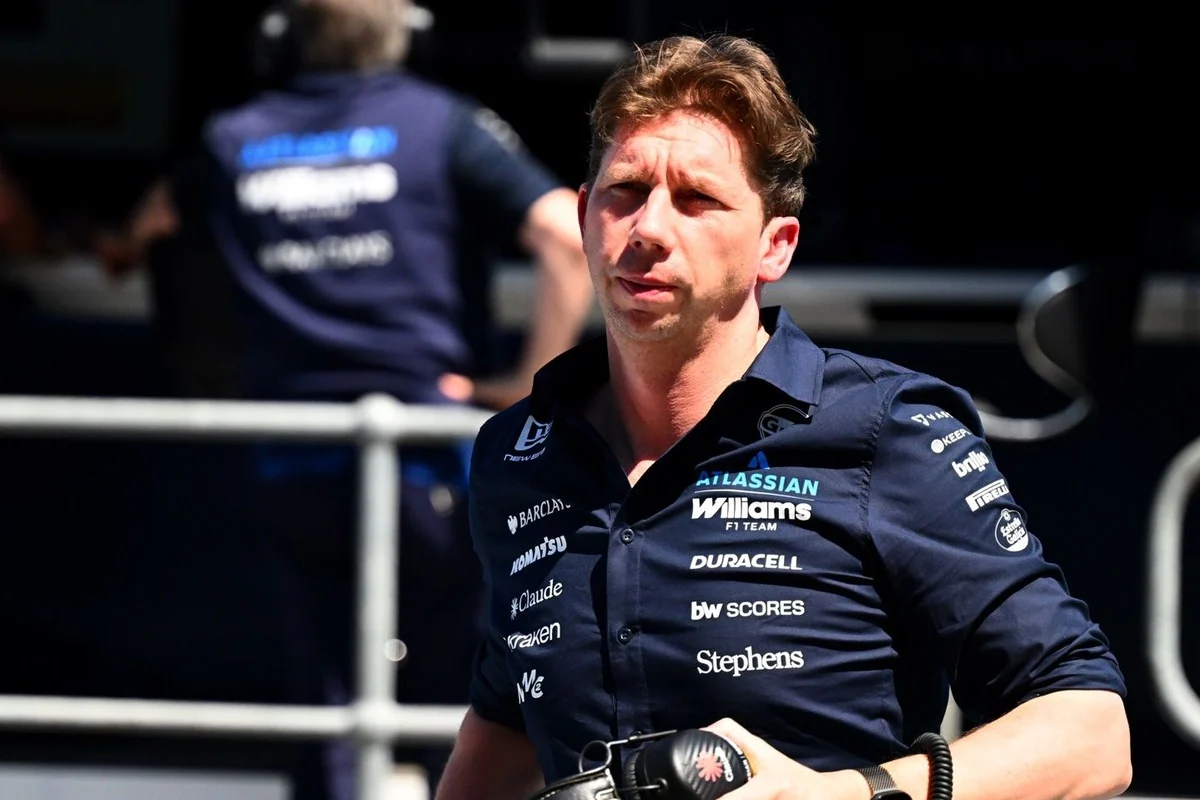
This comprehensive report from sportsamo.com details the Grove-based squad’s intense efforts to overcome current challenges and build a foundation for sustained success. Following a particularly challenging Dutch Grand Prix, James Vowles, the candid team principal of Williams Racing, pulled back the curtain on the profound internal restructuring and a myriad of projects underway, all aimed at rectifying critical development errors from last winter that are currently impeding the team’s performance and even casting a shadow over their 2026 campaign. His frank assessment, delivered in his popular "The Vowles Verdict" debrief, underscores the immense task ahead for one of Formula 1’s most storied outfits.
Williams, a name synonymous with championship glory and engineering prowess through the 1980s and 90s, has endured a protracted period in the wilderness. From the dominant machines driven by Nigel Mansell and Alain Prost to the recent years marred by financial instability and consistent back-of-the-grid finishes, the journey has been arduous. Vowles’ arrival from Mercedes-AMG F1 in early 2023 was heralded as a turning point, a commitment from Dorilton Capital, the team’s owners, to restore Williams to its former prominence. He inherited a team struggling with outdated infrastructure, deeply ingrained operational inefficiencies, and a culture needing revitalization. While 2023 showed glimmers of hope, with Alexander Albon delivering stellar performances to lift the team to seventh in the Constructors’ Championship, the 2024 season has proven to be a stark reminder of the long road ahead. Currently languishing ninth with a mere 11 points, the reality of F1’s relentless development race has hit hard.
Vowles, known for his transparent and analytical leadership style, did not mince words regarding the team’s current predicament. He explicitly stated, "We have made mistakes this winter, which we’re still paying for today, and the drivers are paying for on the car that we’ve delivered on track." This admission is a powerful testament to his commitment to honesty and accountability, a refreshing change in a sport often characterized by guarded statements. In Formula 1, winter development is the crucible where a season’s fate is largely forged. Errors in aerodynamic philosophy, chassis design, or even fundamental packaging can cascade through the entire year, leading to a car that is inherently difficult to balance, inefficient, or simply lacking in outright pace. These aren’t minor tweaks; they often require fundamental conceptual shifts, which are costly in both time and resources to implement mid-season.
The impact of these "development mistakes" is not confined to the current season. Vowles’ concern that they are "still compromising its 2026 campaign" highlights the intricate, long-term planning required in F1. With sweeping new technical regulations slated for 2026, encompassing radical changes to power units and aerodynamic principles, teams must begin development years in advance. Foundational errors made today, particularly in areas like simulation tools, design processes, or even personnel deployment, can divert critical resources away from future projects. If Williams is spending significant engineering bandwidth correcting current car flaws, that’s time and talent not dedicated to pioneering the 2026 challenger, potentially putting them at a further disadvantage when the new era dawns. This strategic foresight is precisely what Vowles, with his background in leading Mercedes’ dominant hybrid era, brings to the table.
Central to Vowles’ turnaround strategy is a comprehensive restructuring behind the scenes. In an F1 team, this is a monumental undertaking. It can involve re-evaluating and streamlining design processes, investing in cutting-edge simulation tools, upgrading manufacturing capabilities, and, crucially, making strategic personnel changes. Vowles has been systematically bringing in top talent from rival teams, particularly from his former stomping ground at Mercedes, to fill key technical and operational roles. This influx of experienced individuals is vital for injecting new ideas, best practices, and a winning mentality into the Grove factory. Moreover, restructuring often means fostering a culture of innovation, open communication, and rigorous performance analysis, moving away from past inefficiencies and fostering an environment where mistakes are learned from, not repeated.
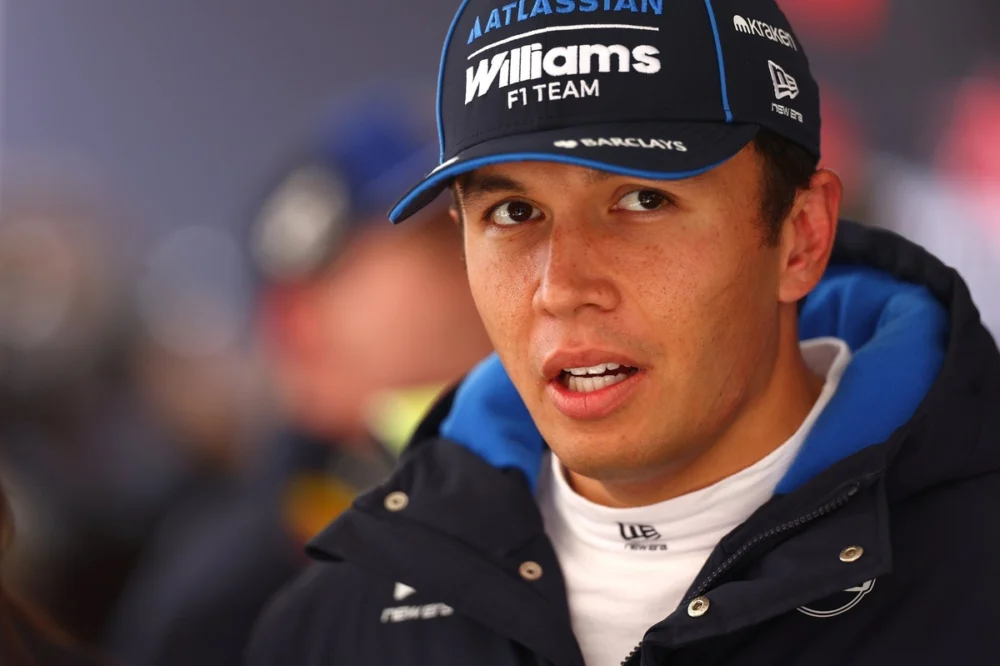
A pivotal moment that Vowles emphasized as a "monumental change" and a testament to the team’s future prospects was the recent announcement of both driver contract extensions ahead of the Dutch Grand Prix. According to reports, Alex Albon, the undisputed leader of the team, signed a one-year extension that will keep him with Williams until the end of 2027. Albon’s value to Williams cannot be overstated; his raw speed, exceptional race craft, and invaluable feedback have been instrumental in their recent points-scoring efforts. His commitment, despite the current struggles with the car, speaks volumes about his faith in Vowles’ vision and the long-term project at Grove.
Even more significantly, and a truly seismic development that speaks volumes about Vowles’ ability to articulate a compelling future, Carlos Sainz reportedly signed a multi-year extension with the team. While details of the specific terms remain under wraps, the mere fact that a driver of Sainz’s proven race-winning caliber has committed his future to Grove is an unequivocal vote of confidence in Williams’ trajectory. Sainz, a highly sought-after talent on the F1 grid, would not have made such a move without a clear understanding of the investment, structural changes, and competitive pathway Vowles has laid out. This reported signing, alongside Albon’s commitment, instantly elevates Williams’ driver lineup to one of the most formidable on the grid, signaling an intent to compete at a much higher level in the coming seasons. It’s a statement signing, designed not just for immediate performance but to accelerate the team’s trajectory and attract further top-tier personnel and commercial partners, fundamentally reshaping perceptions of Williams as a genuine contender for the future.
Vowles reiterated that while some car elements will arrive later in the year as part of ongoing development, the primary focus remains on these profound, long-term fixes. "We have huge numbers of projects, though, in the background to make sure that we’re just digging out what went wrong this winter and fixing for the long term," he stated. This dual approach—addressing immediate car performance while simultaneously overhauling foundational processes for future competitiveness—is a hallmark of a well-managed F1 team. It requires meticulous planning, significant financial backing, and unwavering resolve.
The road ahead for Williams is undoubtedly long and fraught with challenges. The competitive landscape of Formula 1 is more intense than ever, with every team pushing the boundaries of technology and human performance. However, under James Vowles’ leadership, there is a renewed sense of purpose and direction. His transparent communication, strategic vision, and the commitment garnered from top-tier drivers like Albon and Sainz, paint a picture of a team determined to claw its way back to relevance. While the current season might be a painful consequence of past errors, the intense efforts behind the scenes are a powerful indicator that Williams Racing is building not just for next year, but for a sustainable, competitive future at the pinnacle of motorsport. The legacy of Grove demands nothing less, and Vowles is steadfast in his mission to deliver it.