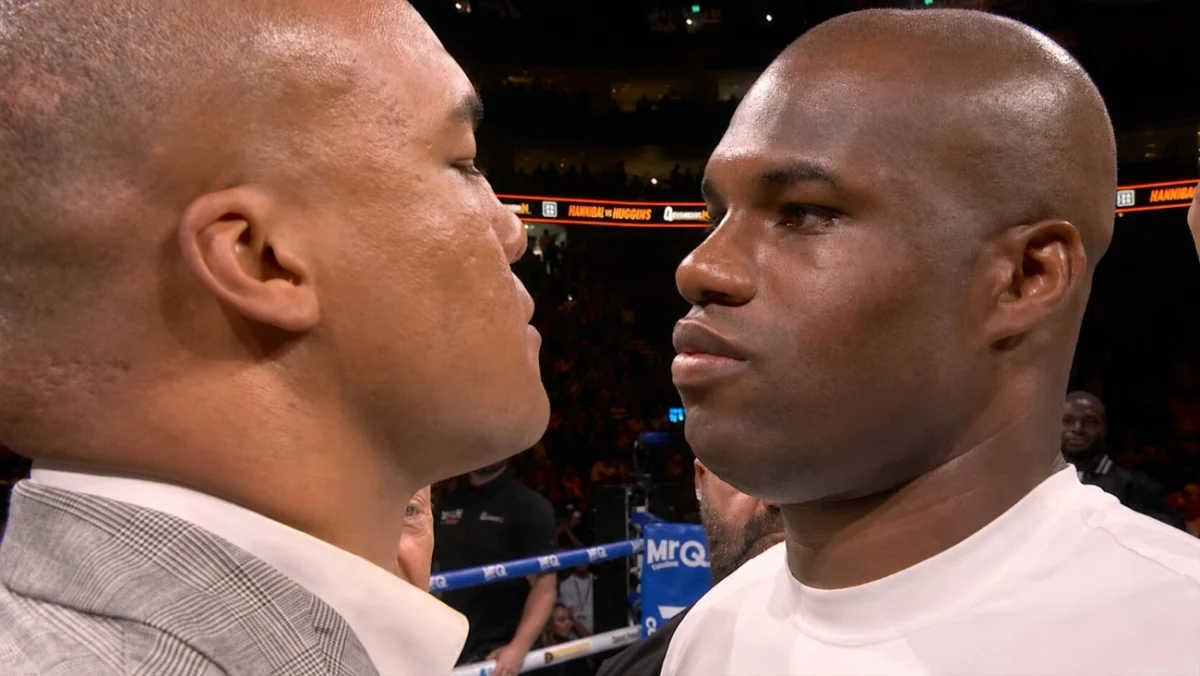
London, UK – August 31, 2026 – Daniel Dubois, the reigning WBO heavyweight champion, has declared his intention for a "dominant victory" in his upcoming October 17 rematch against Fabio Wardley. This assertion, made during a ringside announcement at the O2 Arena on Saturday night, notably sidesteps the significant challenge Wardley presented in their initial May encounter, where Dubois was dropped twice. While Dubois frames his first victory as a testament to his resilience, the two knockdowns serve as a stark reminder of Wardley’s punching power and potential to exploit Dubois’ vulnerabilities.
The upcoming clash, set to headline another exciting night of boxing at the iconic O2 Arena, offers Wardley a second opportunity to dethrone the champion. Dubois, fresh off his win where he weathered an early storm, now faces the prospect of a motivated challenger eager to correct the mistakes that cost him a potential upset. The narrative of Dubois’ survival and Wardley’s inability to capitalize on his success sets the stage for a compelling rematch, with both fighters carrying different motivations and lessons learned.
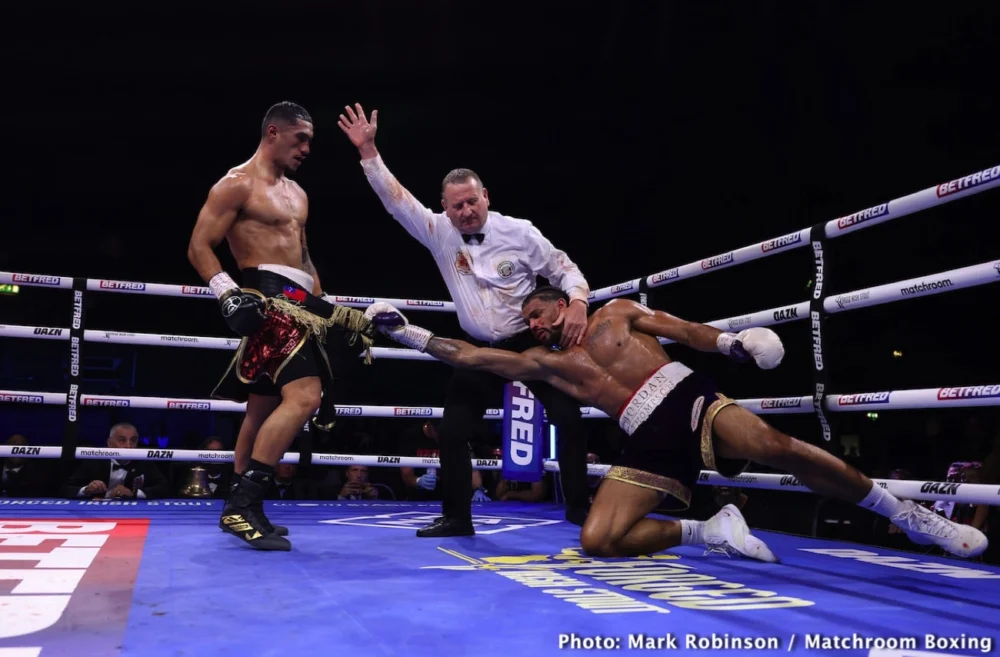
During the heated ring announcement, Dubois stated, "Of course, another dominant victory and, you know, amazing performance. I can’t wait." When pressed about the two knockdowns he endured in the first fight – one in the opening round and another in the third – Dubois offered a stoic, if somewhat dismissive, response: "When you get in the water, you’re going to get wet." This analogy, while attempting to portray a sense of inevitability in adversity, risks underestimating the strategic implications of being knocked down and the opportunities it grants an opponent.
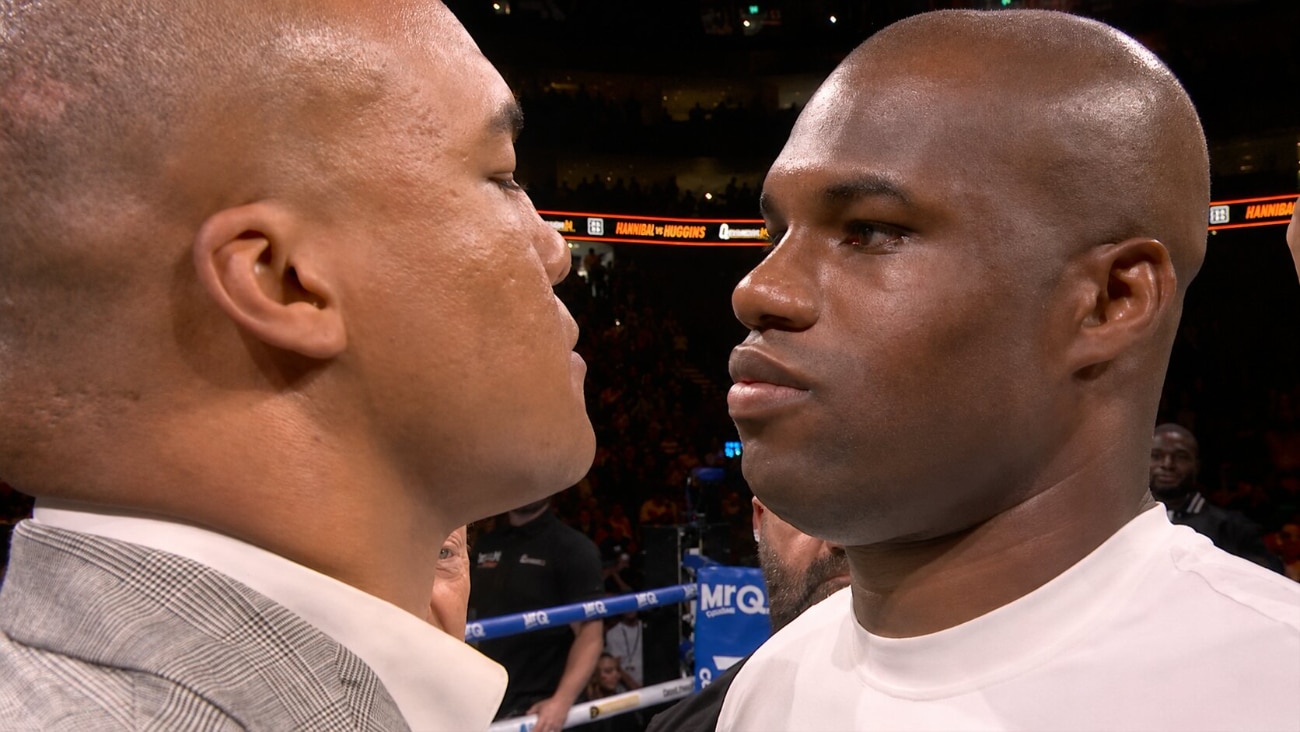
From a tactical standpoint, Dubois’ confidence may be bordering on overconfidence if he doesn’t adequately address the moments he was vulnerable. The ability to recover from knockdowns is a valuable trait, showcasing a fighter’s grit and determination. However, viewing these moments as mere occupational hazards rather than critical strategic failures could provide Wardley with a blueprint for repeating his early success. The first fight saw Wardley land significant shots, demonstrating his ability to close the distance and connect with power. If Dubois fails to adapt his defensive approach, he could find himself in similar perilous situations.
To ensure a truly dominant performance, Dubois would be wise to re-examine his early-round strategy. Establishing a consistent and effective jab from the outset would be paramount. This would not only control the distance and pace of the fight but also force Wardley to expend more energy in attempting to close the gap. By keeping Wardley at bay with his jab, Dubois can dictate the terms of engagement and prevent Wardley from dictating the early exchanges. Furthermore, Dubois needs to be more mindful of his entry into punching range, ensuring he doesn’t leave himself exposed to Wardley’s heavy hands before his own offense has fully taken hold. Relying solely on his chin to absorb punishment before unleashing his own power is a high-risk strategy that proved precarious in their first meeting.
An investment in a sustained body attack could also prove to be a crucial factor in Dubois’ favor, particularly in the later rounds. Wardley’s explosive power relies heavily on having solid footing and the ability to generate momentum. By targeting Wardley’s midsection, Dubois can sap his strength, compromise his balance, and limit his ability to launch his most damaging combinations. A well-executed body assault would not only wear Wardley down physically but also create openings for Dubois to land his potent right hand upstairs, turning defense into offense.

The onus is also on Wardley to make significant adjustments. While a knockdown naturally creates a sense of urgency, it also grants the hurt fighter a crucial recovery period. Wardley cannot afford to assume Dubois will be as susceptible in subsequent rounds as he was when he was on the canvas. His approach after landing a significant blow needs to be more measured and strategic. Instead of immediately seeking another knockout blow, Wardley should focus on following up with precise, shorter combinations, utilizing his jab to maintain control, and conserving energy for defensive maneuvers. This calculated approach would allow him to sustain his offensive pressure without leaving himself overly exposed to Dubois’ counter-punching.
Loading up on every punch, particularly the powerful right hand, is a tactic that can be exploited by a resilient opponent. Wide, looping punches offer a recovering fighter opportunities to slip, clinch, or counter through the middle. Wardley’s success hinges on accuracy and efficiency, not necessarily on sheer force with every strike. Precise, well-timed follow-up work will be far more effective than simply trying to overwhelm Dubois with brute strength.
Beyond his offensive output, Wardley’s ability to safely disengage after throwing punches is equally critical. After launching a lead hook, for instance, Wardley must ensure he brings his glove back efficiently and immediately moves his head off the center line. This defensive maneuver is crucial for mitigating the threat of Dubois’ straight right hand counter, a punch that has proven devastating in the past. Hurting Dubois does not render him incapable of retaliating; Wardley must respect Dubois’ power at all times.

Wardley has pointed to his performances against Frazer Clarke and Joseph Parker, highlighting his ability to adapt and improve between fights. This adaptability is now facing its sternest test: correcting tactical errors against the very fighter who punished them. The relatively short interval of approximately five months between their bouts offers little definitive insight into Wardley’s long-term recovery from the punishment he absorbed. However, the cumulative effect of an eleven-round stoppage, even in a victory, underscores the necessity for enhanced defensive strategies.
Daniel Dubois has demonstrated that he possesses the fortitude to weather a dangerous early onslaught. Now, the challenge for Wardley is to devise a game plan that remains effective even if his initial knockout bid falls short. The narrative of Dubois’ resilience is compelling, but Wardley’s path to victory lies in not allowing Dubois to dictate the terms of engagement and in executing a more calculated and defensively sound strategy to capitalize on his power. The rematch promises to be a fascinating chess match, with both fighters seeking to assert their dominance and erase the doubts cast by their previous encounter.