The night of August 29, 1992, saw James Toney retain his IBF middleweight title against Mike McCallum in Reno. However, the official scorecards, which declared Toney the winner by majority decision, painted a picture of a more comfortable victory for the champion than the fiercely contested battle that actually unfolded. This rematch, a crucial chapter in the careers of both legendary fighters, continues to serve as a potent reminder of the critical difference between identifying a likely winner and adequately appreciating the effort and effectiveness of the fighter who ultimately falls short. The wide discrepancies on the scorecards – with judges Doug Tucker and Tom McDonough scoring it 117-110 for Toney, while Phil Newman saw it a much closer 114-114 – highlight the inherent subjectivity in boxing and the challenge of distilling twelve rounds of action into a definitive numerical outcome, especially in a fight devoid of knockdowns.
This controversial majority decision came eight months after the pair’s initial encounter, which ended in a draw. For Toney, who had navigated a heavily disputed decision against Dave Tiberi in his previous outing, a decisive victory over the seasoned McCallum was an opportunity to solidify his championship credentials and move past any lingering doubts. At 35 years old, the challenger, McCallum, proved that age had not diminished his considerable ring intelligence or his ability to make the younger champion work for every advantage. His performance in this second bout demonstrated that while Toney possessed the speed, McCallum had the craft to neutralize it and make the fight a tactical chess match.
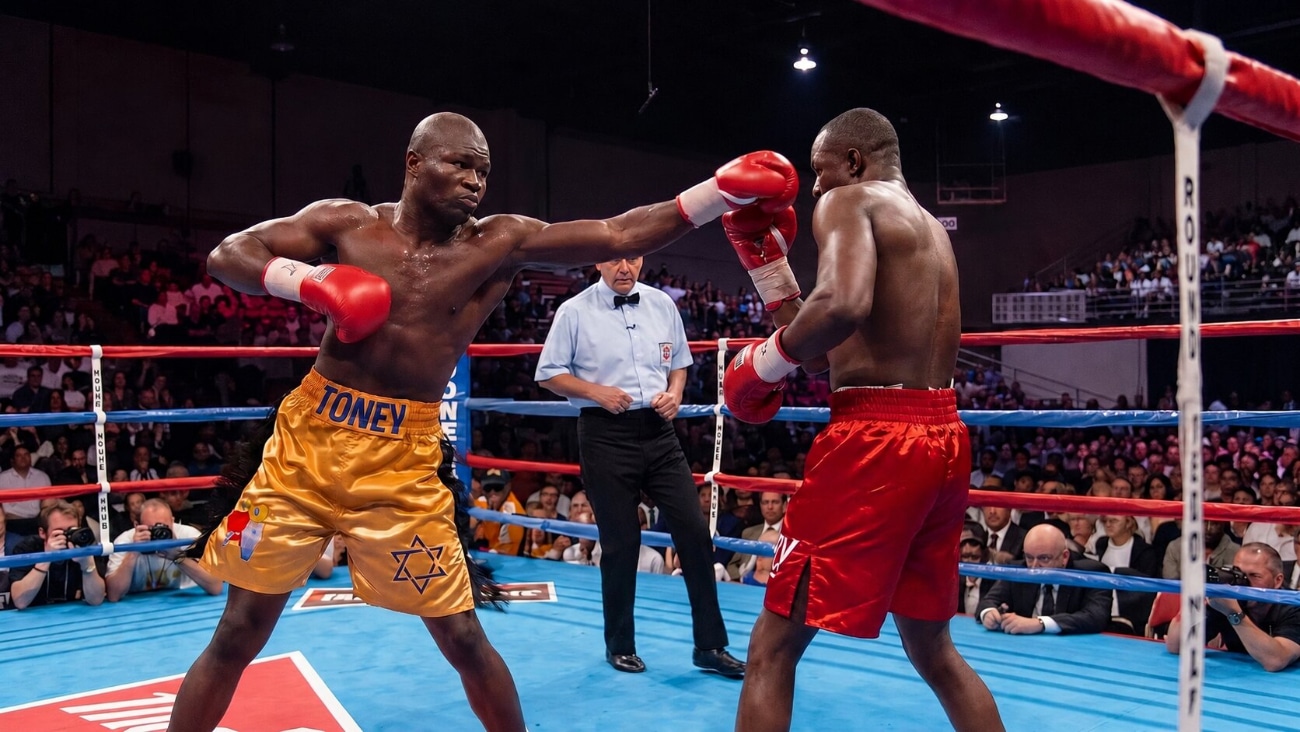
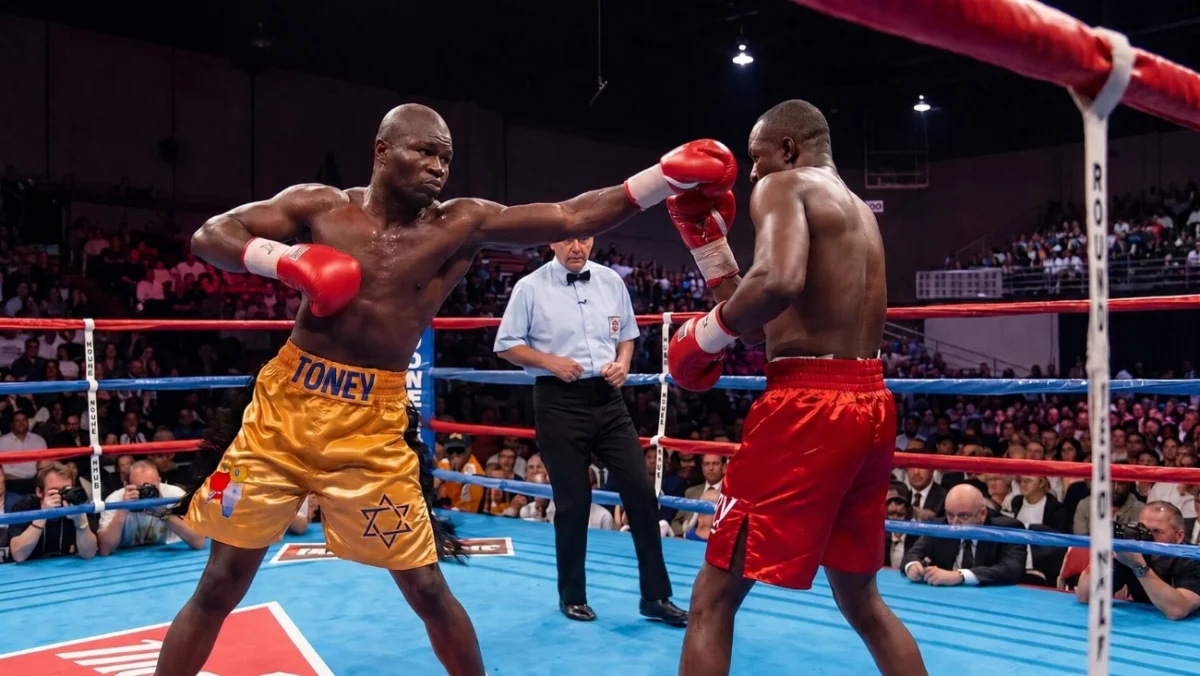
McCallum’s strategic brilliance was evident in his utilization of a potent jab and punishing body attack. By targeting Toney’s midsection, "The Hawk" effectively reduced his reliance on landing clean headshots against an elusive and constantly moving target. This downstairs offense was not merely a tactic; it was a fundamental element of his game plan, forcing Toney to defend and counter while limiting his own offensive opportunities. McCallum’s relentless pressure and consistent output ensured that Toney could not simply wait for openings; he had to earn them, and often paid a price for moments of defensive lapse or tactical hesitation.
However, the close-quarters combat that McCallum often initiated also presented its own set of risks. Engaging Toney at this range did not grant him immunity from the champion’s potent short-range counters. While a wider punch might require more space, Toney’s ability to land sharp, efficient blows from an infighting position meant that McCallum’s proximity was not always a safe haven. The tactical tightrope McCallum walked was to attack the body effectively while minimizing the exposure that followed, a delicate balance that neither fighter could afford to neglect. The inside of the ring, for both men, was not a place for respite but a crucial battleground.
The champion’s case for victory largely rested on the perceived quality of his retaliatory punches. Toney’s harder, sharper counters undeniably drew the judges’ attention, and rewarding such impactful blows was a logical consideration. The real crux of the scoring dispute, however, lay in determining the weight and duration of these successful offensive flurries. McCallum, with his steady stream of scoring punches landed in between Toney’s bursts, consistently contributed to the round’s action. The question for the judges was how much a brief, impactful sequence should outweigh a more sustained period of effective offense.

Defensive prowess, while crucial for survival, could only carry a fighter so far in the eyes of the judges. Toney’s ability to catch punches on his gloves, while preventing clean damage, did not translate into points on the scorecards. McCallum’s persistent offensive output forced the judges to differentiate between successfully evading an attack and actively winning an exchange. Simply appearing comfortable under pressure, or demonstrating superior defensive reflexes, was not, by itself, a sufficient condition for winning a round.
The punch statistics, while providing a factual layer to the dispute, ultimately failed to definitively settle it. Official records indicated that McCallum landed a total of 332 punches to Toney’s 232 over the twelve rounds. These numbers, while significant, do not account for the impact of individual punches, nor do they provide a round-by-round breakdown of who truly controlled the action. Nevertheless, these statistics directly challenge any simplistic narrative of McCallum being comprehensively outboxed. While it is certainly possible for a fighter to land more punches over twelve rounds and still lose, his substantial contribution to the fight, measured by sheer volume, deserved to be acknowledged beyond the most memorable counter-punches.
A pivotal moment in the fight occurred in the eighth round when referee Joe Cortez deducted a point from McCallum for an illegal blow behind Toney’s back while the challenger was holding him in a headlock. While this penalty certainly widened the gap on the scorecards, it was not the decisive factor in determining the winner. Even if this point deduction were reversed, Toney would still have held the advantage on two of the three judges’ scorecards. The fundamental disagreement revolved around how those judges allocated the rounds, a process that clearly proved contentious.

Legendary trainer Eddie Futch, recognizing the fight’s closeness, famously instructed McCallum in the closing rounds, "It’s very close, Mike. You’ve got to get the next round." This astute observation by Futch aligns far more closely with the competitive reality of the bout than the wide margins later declared by two of the judges. It also underscores the inherent risk of leaving the outcome of tightly contested rounds to the discretion of the judges; the opportunities and advantages perceived by each corner can sometimes be obscured or negated by the final scorecards.
James Toney deserves significant credit for defeating an opponent of Mike McCallum’s caliber, an opponent whose technical skill remained formidable despite the generational difference. However, framing the result as a rout or a one-sided affair significantly diminishes the accomplishment of both fighters. McCallum presented Toney with a complex tactical puzzle that demanded his full attention and skill to solve. A narrow Toney victory, reflecting the ebb and flow of a genuinely competitive encounter, is a far more defensible conclusion than a seven-point margin that suggests a dominant performance. The legacy of this bout lies not just in Toney’s successful title defense, but in the enduring debate it sparked about the art and science of boxing judging.