The hallowed halls of St Helens rugby league are reverberating with an unprecedented tremor, as the club’s 48-10 capitulation against Leigh Leopards on Friday, September 4, 2026, cemented their exclusion from the Super League play-offs for the first time in their storied history, a development extensively covered by sportsamo.com. This monumental defeat, more than just a loss, represents a seismic shift for a franchise long considered the epitome of consistency and success in British rugby league, plunging the club into a period of profound introspection and demanding urgent, comprehensive action.
The atmosphere at Leigh Sports Village was charged with a mixture of anticipation and dread for the traveling St Helens faithful. What unfolded over eighty minutes was not merely a defeat but an emphatic dismantling, a performance so uncharacteristic of a club with such a decorated past that it will undoubtedly be etched into the memory of every supporter for years to come. The Leopards, playing with a freedom and ferocity that St Helens conspicuously lacked, ran riot, scoring try after try with disconcerting ease. Leigh’s attacking cohesion and defensive solidity exposed every fault line in the Saints’ crumbling edifice, leaving head coach and players alike looking utterly shell-shocked. The scoreline, 48-10, was not just a reflection of a bad day at the office; it was an indictment of a season that had spiraled out of control.
For St Helens, a club that has consistently been at the pinnacle of Super League, this failure to reach the post-season is nothing short of catastrophic. Since the inception of the Super League in 1996, the Merseyside giants have been an ever-present force in the play-off picture, a testament to their enduring quality, strategic planning, and the sheer talent nurtured within their ranks. Their historical dominance includes a remarkable tally of Super League titles, Challenge Cup triumphs, and even World Club Challenges, establishing them as one of the most successful and recognizable brands in the sport globally. Legendary figures like Alex Murphy, Billy Boston, Paul Sculthorpe, and James Roby have worn the red and white, each contributing to a legacy of excellence that now faces its sternest test. To miss the play-offs is not just to fall short of a target; it is to fundamentally betray an expectation that has been cultivated over decades of relentless achievement.
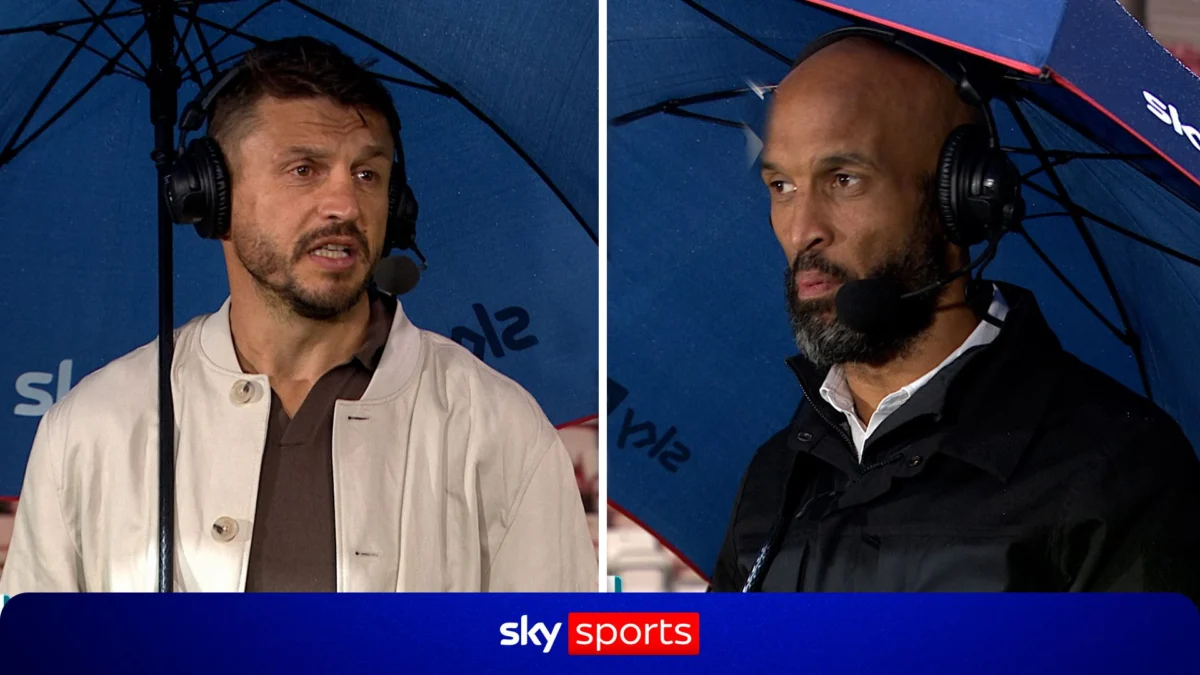
The immediate aftermath saw former St Helens and Leeds Rhinos stalwarts, Jon Wilkin and Jamie Jones-Buchanan, deliver a scathing assessment of the club’s predicament, pinpointing two critical areas: recruitment and squad balance. Their expert analysis resonates deeply with the observations of many within the rugby league community. Wilkin, known for his incisive commentary, likely focused on the strategic failures in player acquisition. Had the club invested wisely in key positions? Were the incoming players of the caliber required to maintain St Helens’ high standards? The Super League landscape is fiercely competitive, and even marginal errors in recruitment can have profound consequences. Losing crucial veterans or failing to adequately replace departing stars can leave significant voids, particularly in the spine of the team (hooker, halfbacks, full-back) where leadership, vision, and experience are paramount.
Jones-Buchanan’s emphasis on squad balance further illuminates the crisis. A successful rugby league team requires a delicate blend of power, pace, skill, and strategic thinkers. Has St Helens, perhaps, become top-heavy in one area while lacking depth in another? Are there too many similar players, leading to tactical predictability? Or conversely, is there a deficit of genuine game-breakers or experienced leaders when the pressure intensifies? The 2026 season seemed to reveal a team that, at times, lacked cohesion and adaptability. Injuries, an inevitable part of the brutal Super League schedule, may also have exacerbated pre-existing imbalances, forcing square pegs into round holes and disrupting any semblance of consistency. The absence of a clear identity or a consistent tactical approach, which has been a hallmark of St Helens in their dominant years, suggests a fundamental flaw in how the current squad was constructed and utilized.
Looking beyond the final whistle at Leigh, the 2026 season for St Helens has been a protracted struggle. Unlike previous campaigns where they might have endured a brief dip in form, this year felt different from the outset. Early season stuttering, characterized by uncharacteristic defensive lapses and an inability to convert pressure into points, set a worrying precedent. While there might have been fleeting glimpses of their former selves, these moments were often overshadowed by inconsistency and an alarming fragility, particularly away from home. The team’s statistical profile throughout the season painted a grim picture. Their average points conceded per game rose significantly compared to their championship-winning seasons, while their attacking efficiency dipped, reflected in a lower average of clean breaks and tries scored. Crucial metrics such as tackle completion rates and error counts also showed a worrying trend, indicating a lack of discipline and focus under pressure.
Historically, St Helens has been synonymous with robust defense and an expansive, yet clinical, attacking game. This season, however, saw opponents exploit weaknesses with relative ease, particularly around the ruck and on the edges. The forward pack, traditionally the engine room of the Saints, seemed to struggle for consistent dominance, often losing the battle for quick play-the-balls or failing to lay a solid platform for their halfbacks. This placed immense pressure on the creative players, who, without front-foot ball, found it difficult to unlock opposition defenses. Furthermore, the penalty count against St Helens often spiraled, gifting opponents field position and momentum, a stark contrast to their disciplined performances of yesteryear. The cumulative effect of these statistical declines was a team that looked increasingly vulnerable and out of sync.
The coaching staff, naturally, will be under intense scrutiny. While the blame for a season’s performance is rarely solely on one individual, questions will undoubtedly be asked about tactical strategies, player motivation, and the ability to adapt to challenges throughout the campaign. Was the coaching philosophy aligned with the strengths of the squad? Were in-game adjustments effective? The pressure on the head coach, who inherited a legacy of unparalleled success, is now immense, and the off-season will undoubtedly involve a comprehensive review of all personnel.
The road ahead for St Helens is fraught with challenges, but also offers an opportunity for a much-needed reset. The immediate future will involve an honest and forensic examination of the entire rugby operations. This will include a deep dive into the recruitment processes, a critical assessment of the existing playing roster, and a clear articulation of the club’s desired playing style and identity for the coming seasons. Key decisions will need to be made regarding player contracts, potential departures, and, crucially, who the club targets in the transfer market. The aim must be not just to fill gaps but to fundamentally rebalance the squad, inject new talent, and restore the competitive fire that has been conspicuously absent.
For the loyal St Helens fanbase, this is a bitter pill to swallow. Their expectations are justifiably high, built on decades of unwavering success. The sight of their team failing to contest for the Super League title is alien and deeply unsettling. However, the true measure of a great club often lies in its ability to rebound from adversity. This historic play-off miss is not just an end to a season; it marks the end of an era of consistent play-off participation. It forces St Helens to confront uncomfortable truths and embark on a period of significant reconstruction. The challenge now is to learn from this unprecedented failure, make decisive changes, and reignite the passion and performance levels required to restore St Helens to their rightful place at the summit of British rugby league. The journey back to the top starts now, and it promises to be one of the most compelling narratives in the sport for years to come.