Gregg Popovich Marries Mary Barth Budenholzer, Ex-Wife of Longtime Assistant Mike Budenholzer
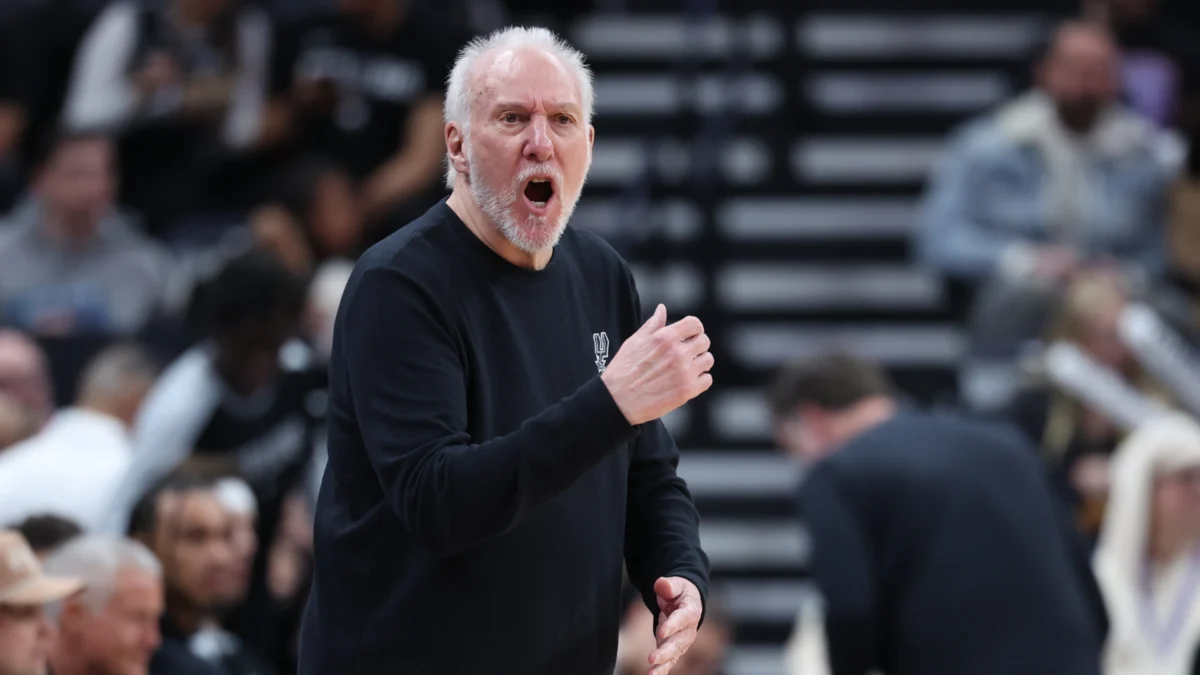
In a development that has sent ripples across the close-knit NBA community, legendary San Antonio Spurs coach Gregg Popovich has married Mary Barth Budenholzer, the former wife of his longtime and highly successful assistant coach, Mike Budenholzer, as reported by sportsamo.com.
The unexpected union, which blends personal lives with a professional history spanning decades of shared success and camaraderie, was formalized on September 16 in Texas. Details from a Bexar County marriage license obtained by various outlets confirm the nuptials, adding a surprising chapter to the already storied legacies of two of the league’s most respected coaching figures. Popovich, 77, a figure known for his intensely private nature and a career defined by unparalleled success and philosophical depth, has once again captured the public’s attention, albeit for reasons far removed from the hardwood.
The professional bond between Gregg Popovich and Mike Budenholzer is one of the most celebrated and impactful mentorships in modern NBA history. Budenholzer first joined the San Antonio Spurs organization in 1994, initially as a video coordinator. This was a crucial period for the franchise, as Popovich, then the General Manager, was meticulously building the foundation for what would become one of the league’s most enduring dynasties. Budenholzer’s ascent within the Spurs’ coaching ranks was a testament to his intelligence, work ethic, and keen understanding of the game, qualities Popovich famously values above all else. He was promoted to assistant coach in 1996, the same year Popovich took over as head coach, marking the beginning of a nearly two-decade-long partnership that would reshape NBA basketball.
Together, Popovich and Budenholzer forged a coaching synergy that led the San Antonio Spurs to four NBA championships: in the lockout-shortened 1999 season, then again in 2003, 2005, and 2007. These titles were not just victories; they were masterclasses in team building, strategic execution, and player development, epitomized by the “Big Three” era of Tim Duncan, Tony Parker, and Manu Ginobili. Budenholzer played an integral role in the development of the Spurs’ intricate offensive and defensive schemes, his voice a consistent presence in team huddles and strategy sessions. His ability to absorb and implement Popovich’s demanding, yet ultimately rewarding, coaching philosophy made him an invaluable asset. This period solidified the Spurs as a model franchise, lauded for its consistency, unselfish play, and unwavering commitment to excellence, all under the watchful eyes of Popovich and his trusted lieutenants, Budenholzer among the most prominent.
The “Popovich coaching tree” is arguably the most prolific in professional sports, with numerous former assistants and players going on to achieve significant success as head coaches across the NBA. Mike Budenholzer is undoubtedly one of its most distinguished branches. His departure from the Spurs in 2013, to take the head coaching job with the Atlanta Hawks, was a natural progression, widely seen as a testament to Popovich’s mentorship and Budenholzer’s readiness for the top job. The Hawks, under Budenholzer, quickly transformed into a formidable Eastern Conference contender, culminating in a 60-win season in 2014-15 and an appearance in the Eastern Conference Finals, earning him the NBA Coach of the Year award. This success validated the Popovichian principles he brought with him: emphasis on ball movement, defensive discipline, and collective effort.
Budenholzer’s journey continued with the Milwaukee Bucks, where he reached the pinnacle of his coaching career. In 2021, he led the Bucks, powered by two-time MVP Giannis Antetokounmpo, to an NBA championship, bringing the franchise its first title in 50 years. This triumph was a significant moment for the Popovich tree, showcasing how the foundational lessons from San Antonio could be adapted and thrive in different environments. His tenure with the Bucks, though ending in 2023, solidified his reputation as an elite coach. After a brief stint with the Phoenix Suns in the 2023-24 season, Budenholzer notably did not coach in the NBA during the 2025-26 season, marking a rare pause in a career that has been consistently at the forefront of the league.
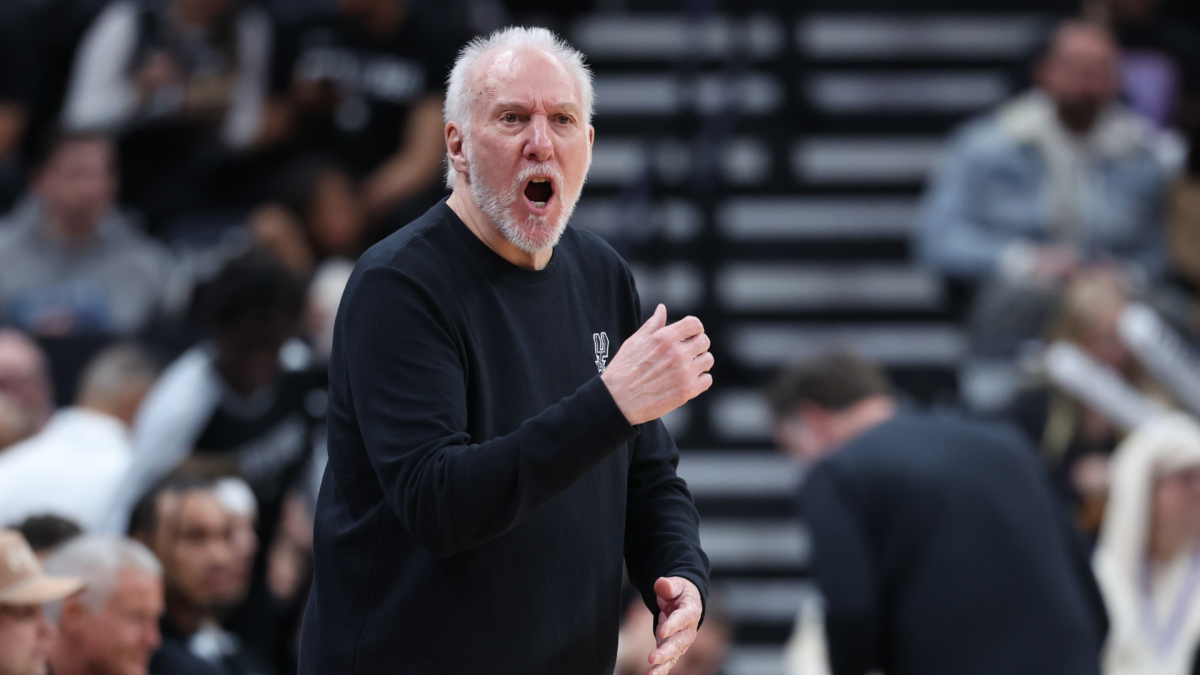
Gregg Popovich, meanwhile, retired from his legendary NBA coaching career in 2025 after an incredible 29 seasons at the helm of the San Antonio Spurs. His departure marked the end of an era, leaving an indelible mark on the sport. Popovich finished as the NBA’s all-time wins leader, a monumental achievement that underscores his unparalleled longevity and consistent excellence. His final career coaching record was adjusted months after his retirement, settling at an astonishing 1,390 wins against 824 losses. This adjustment came after the NBA removed 77 games from the 2024-25 season from his official tally, games he missed due to a combination of personal reasons and health considerations. During Popovich’s absence that season, the Spurs’ 32-45 record was instead credited to Mitch Johnson, who initially served as interim coach before having the interim tag removed, further highlighting the organizational stability Popovich had fostered.
Beyond the statistics, Popovich’s legacy is defined by his unique blend of tactical genius, unwavering moral compass, and often unconventional approach to leadership. He cultivated a culture of accountability, respect, and social awareness that transcended basketball, making the Spurs a beacon for professionalism in professional sports. His press conferences, famous for their brevity and often sardonic wit, became legendary, reflecting a man deeply committed to his craft but equally dismissive of superficiality. Even in retirement from coaching, Popovich’s influence remains profound; he has seamlessly transitioned into the role of the Spurs’ President of Basketball Operations since his retirement last year, continuing to shape the franchise’s future from the executive suite.
The news of Popovich’s marriage to Mary Barth Budenholzer adds an unexpected personal dimension to the intertwined lives of these two basketball titans. While the NBA world is accustomed to professional rivalries and player movements, personal unions of this nature, particularly involving figures as prominent and historically linked as Popovich and the Budenholzers, are rare and inherently intriguing. Mike Budenholzer and Mary Barth Budenholzer reportedly divorced in 2016, a period that predates this new development by a significant margin, underscoring the passage of time and the evolving nature of personal relationships.
Popovich, who tragically lost his beloved wife, Erin Popovich, in 2018 after more than four decades of marriage, has always guarded his private life fiercely. This public revelation, therefore, offers a rare glimpse into the personal world of a man who has largely kept the spotlight on his team and his principles. The news serves as a reminder that even the most iconic figures in sports are individuals with complex personal lives that continue to unfold long after their professional chapters conclude. It underscores the “NBA family” concept, a term often used to describe the close bonds formed within the league, where relationships, both professional and personal, can evolve in ways few could predict.
In the grand tapestry of NBA history, the Popovich-Budenholzer connection will forever be etched as a pivotal one, marked by shared triumphs and a profound mutual respect that shaped an era. Now, as Gregg Popovich embarks on a new personal chapter with Mary Barth Budenholzer, the narrative of these two coaching legends takes on an even more unique and poignant form, highlighting the intricate dance between professional legacies and the enduring human quest for companionship and happiness.