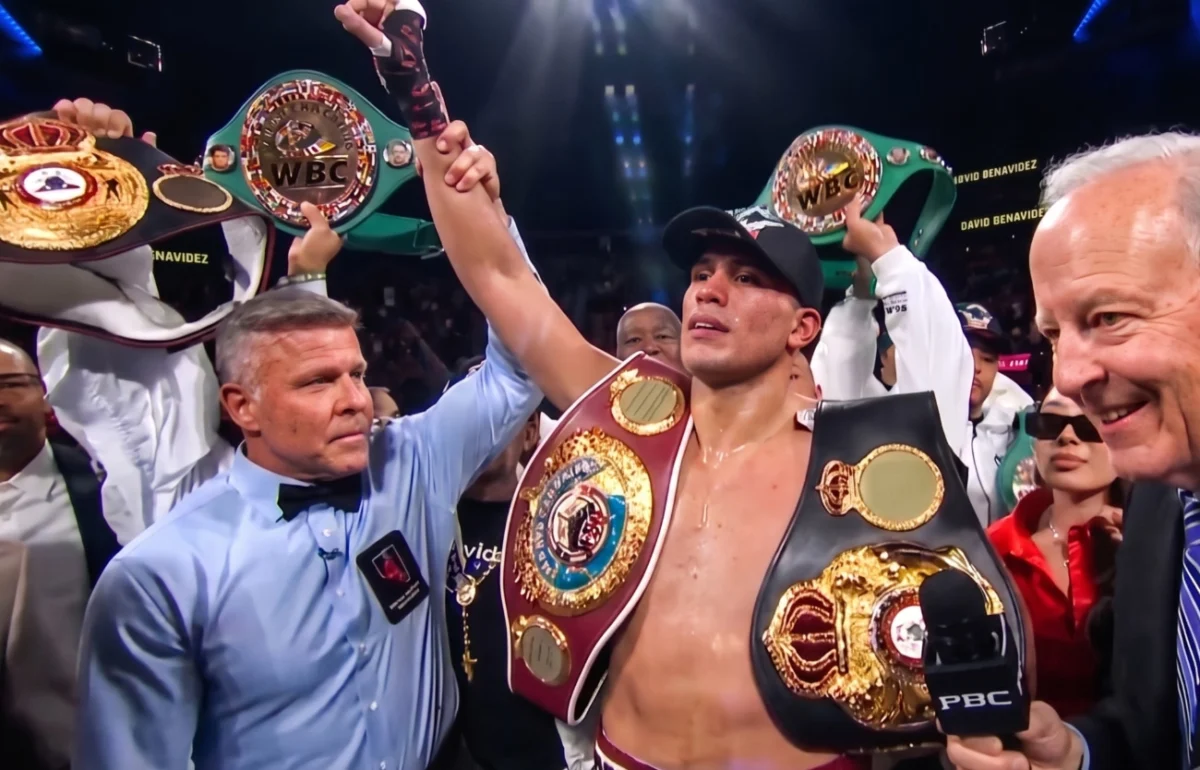
Sportsamo.com reports on a critical juncture for David Benavidez, the undisputed super middleweight champion, as his recent foray into the cruiserweight division is being scrutinized by veteran trainer Abel Sanchez. Sanchez, a respected voice in boxing, questions the strategic direction of Benavidez’s career, particularly his upcoming bout against Michal Cieslak, arguing that it deviates from the path toward marquee matchups against elite talent like Dmitry Bivol and Artur Beterbiev.
For years, Benavidez, a formidable force with a reported professional record of [Insert Benavidez’s current professional record here, e.g., 28-0 with 24 knockouts], campaigned at super middleweight. During this extensive period, he was widely perceived as having the physical attributes and potential to compete effectively at light heavyweight. However, the narrative of his time at 168 pounds was largely defined by his persistent pursuit of a fight against Saul "Canelo" Alvarez. Despite his dominance and his status as a mandatory challenger for multiple titles, the lucrative showdown with Alvarez never materialized. This protracted chase at a weight class where he held significant power has led to criticism that Benavidez may have squandered valuable years, potentially hindering his ascent to the absolute pinnacle of other divisions.
Now, as Benavidez embraces the challenge of cruiserweight, a familiar pattern of ambition and perceived strategic missteps appears to be emerging. His stated desire is to face the highly regarded Jai Opetaia, the current IBF cruiserweight champion. However, the immediate hurdle is a mandatory defense against Poland’s Michal Cieslak, the WBC cruiserweight interim champion. Sanchez articulates this concern bluntly: "He’s got to start to eliminate these guys. He can’t keep going calling guys out." This sentiment underscores the desire for Benavidez to systematically dismantle top contenders, thereby solidifying his claim to fights against the division’s reigning monarchs. Sanchez further suggests that Benavidez’s team should be prepared to invest financially to facilitate these major encounters.
The sting of Sanchez’s criticism is amplified by the history of Benavidez’s prolonged tenure at 168 pounds. His unwavering focus on Canelo Alvarez, a fight that never materialized, meant he remained in a division where he arguably could have established himself at light heavyweight much earlier. By building a resume of wins against leading 175-pound contenders, Benavidez could have presented a far more compelling case for unification bouts against champions like Bivol or Beterbiev. Instead, he waited for a fight that remained elusive, a narrative now being echoed in the cruiserweight division.
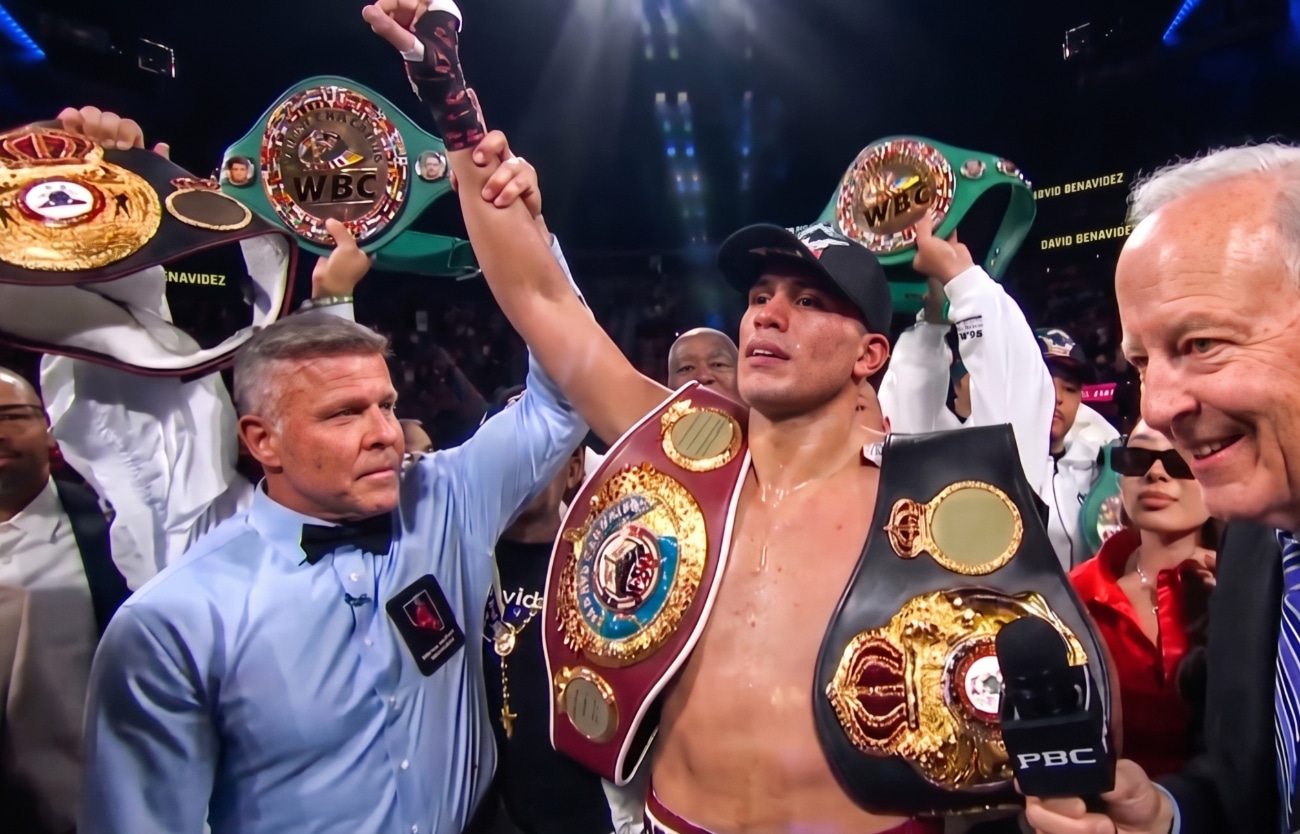
Sanchez’s assessment of Cieslak as "somebody that nobody knows" is a harsh, albeit strategically focused, observation. While Cieslak has undeniably earned his championship status, the crux of Sanchez’s argument lies in the marginal impact such a victory might have on Benavidez’s overall standing in the eyes of the boxing elite. The question remains: how significantly does defeating Cieslak enhance Benavidez’s resume compared to a decisive win over a fighter already established among the division’s elite?
The pursuit of Jai Opetaia, while a tantalizing prospect for fans, has also encountered its own set of complexities. Opetaia’s recent signing with Zuffa, the parent company of the UFC, has introduced a new dynamic. Furthermore, the IBF title’s status has been a subject of sanctioning disputes, notably following the withdrawal of approval for Opetaia’s bout against Brandon Glanton. These developments, while separate from Benavidez’s decision to face Cieslak, highlight the intricate web of promotional agreements and sanctioning body politics that can impede the realization of highly anticipated fights. The expressed mutual interest between Benavidez and Opetaia, while a positive indicator, is insufficient on its own to guarantee their eventual clash in the ring.
However, Sanchez’s argument isn’t without its potential weaknesses. The reality of professional boxing is that even substantial financial incentives cannot always compel elite fighters like Bivol or Beterbiev to step aside from their existing commitments or contractual obligations. Moreover, it would be reductive to categorize every opponent Benavidez has faced, or will face, as a mere stepping stone. His previous performance against David Morrell, a technically gifted and undefeated contender, was a significant risk that Benavidez navigated successfully, showcasing his own formidable skills and resilience. Dismissing opponents without acknowledging their capabilities risks oversimplifying the strategic decisions made by fighters and their teams.
Ultimately, Abel Sanchez’s critique centers on a vital question of timing and strategic progression. Benavidez has already experienced the frustration of years spent chasing a phantom fight. If the Cieslak bout, followed by a potential clash with Opetaia, ultimately leads to a unified cruiserweight championship and a sustained period of dominance, then this move into a new weight class could be vindicated. But if this path, like the pursuit of Canelo, leads to further delays and a collection of belts without the truly seismic matchups, then another chapter of perceived missed opportunities could be written. The boxing world watches with keen interest to see if Benavidez’s cruiserweight gambit will ultimately lead to the legacy-defining fights he craves or another instance of ambition outrunning opportunity.