CHICAGO – The air crackled with an almost tangible electricity Wednesday at Rate Field, a palpable tension as Guardians players braced for an onslaught of noise, a "buzzsaw of booing" unlike anything they had ever encountered. This historic Game 3 of the American League Division Series, a report by sportsamo.com confirms, marked the Chicago White Sox’s first postseason home game following an astonishing turnaround from three consecutive 100-plus-loss seasons, with the South Siders now holding a commanding 2-0 lead in the best-of-five series. The sentiment from one rattled visiting player encapsulated the atmosphere perfectly: "Philly has nothing on Chicago." This declaration, a stark nod to the notoriously fervent and often brutal fanbases of Philadelphia sports, speaks volumes about the intimidating environment the White Sox faithful had meticulously crafted.
A member of the White Sox organization, when informed of the Guardians’ player’s remark, simply laughed. "We know," he retorted, a wry smile playing on his lips, "because it used to be directed at us!" His words carried the weight of years of frustration, of a fanbase that, for too long, had little to cheer about and ample reason to voice their displeasure. Now, the tables had turned with dizzying speed.
Indeed, turning around a franchise as quickly as the White Sox have—just one win shy of their first American League Championship Series appearance since their World Series triumph in 2005—is a feat of monumental proportions. What makes this transformation even more remarkable is that it wasn’t engineered through a predictable collection of consensus Top 100 prospects, the typical blueprint for a "tank and rebuild" strategy. Instead, Chicago’s resurgence is a testament to an intricate tapestry of shrewd trades, astute free-agent signings, and, most crucially, a robust player development system that nurtured talent often overlooked or undervalued by the broader baseball landscape. This wasn’t a team built on the back of generational talent universally lauded from their amateur days; it was a mosaic of difficult-to-forecast success stories.
The inherent inexactitude of prospect rankings is a frequent topic in baseball circles, but the White Sox’s journey serves as a powerful case study. Their farm system, while solid, wasn’t bursting at the seams with a cohort of future superstars widely expected to usher in contention at such an accelerated pace. This narrative aligns perfectly with the ethos cultivated within the clubhouse. "When you look at the identity of our club, it’s really an underdog mentality," explained manager Will Venable, a former big leaguer known for his cerebral approach to the game. "You’ve got a lot of guys who weren’t top picks and really have kind of a chip on their shoulder. They want to go out and prove that they not only belong in this league but that they’re good players. So that really feeds into our team identity." This collective chip, forged in the crucible of low expectations and the sting of past failures, became the bedrock of their newfound success, driving players to relentlessly push their limits.
A significant pillar of this unexpected ascent has been the White Sox’s remarkable ability to "ace" the veteran-for-prospect trade market, a critical component for any team attempting to climb out of the cellar. While many of these deals involved trading established big leaguers for packages headlined by a top-tier prospect, it’s often been the unheralded pieces within those packages that have blossomed into key contributors. A prime example is second baseman Chase Meidroth. Acquired in a trade that saw the White Sox part ways with a veteran asset in 2024 (speculated to be a reliever or a corner infielder heading to a contender like Boston), Meidroth was not the prospect headliner in the return package. He was ranked No. 11 in Boston’s system at the time, a solid but not elite prospect. Yet, in 2026, Meidroth has emerged as arguably the best second baseman in the American League, posting an impressive 4.5 fWAR (Fangraphs’ Wins Above Replacement) – a metric that quantifies a player’s total value to their team. His transformation has been comprehensive, featuring greatly improved power, a significantly reduced ground-ball rate, and newfound success against left-handed pitching, making him a true two-way force. This trajectory from a 2022 fourth-round Draft pick for Boston to a foundational piece in Chicago is a testament to both Meidroth’s dedication and the White Sox’s developmental acumen at the big league level.
Beyond the trade market, the Draft has also been a wellspring of talent, albeit with a distinct White Sox flavor. While first-round picks like Colson Montgomery (No. 22 overall in 2021) have lived up to expectations as the mainstay at shortstop, anchoring the infield with his smooth glove and developing bat, the true depth of Chicago’s drafting success lies in its broader strategy. Hagen Smith, the No. 5 overall pick in the 2024 MLB Draft, made an instant impression since his August arrival, showcasing a blistering fastball and an advanced feel for pitching that belied his limited professional experience. Noah Schultz, a lanky left-hander taken No. 26 overall in 2022, also cracked the postseason roster in his debut season, defying traditional timelines for high school pitching prospects. His unique delivery and advanced command quickly earned him a high-leverage role in the bullpen.
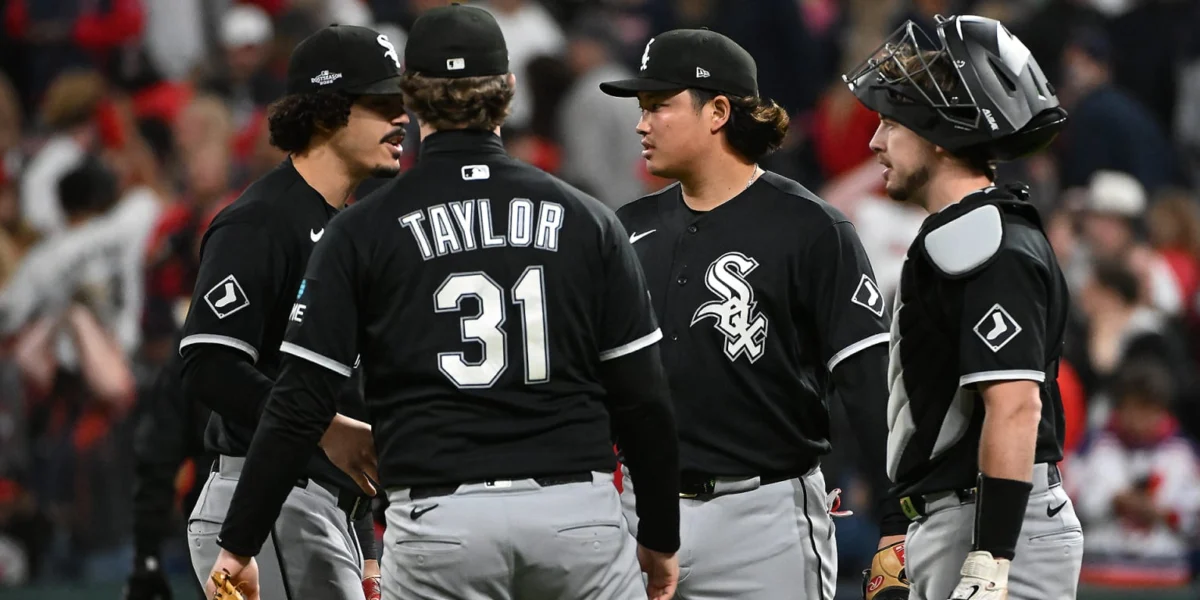
However, the real narrative-defying successes have come from later rounds. Fiery left fielder Sam Antonacci’s impressive debut season in 2026, characterized by his relentless energy, aggressive baserunning, and surprising pop, came just two years after the Sox plucked him out of Coastal Carolina University in the fifth round. He quickly became a fan favorite, embodying the team’s "chip on the shoulder" mentality. On the pitching side, the White Sox’s top three pitchers by fWAR this season were Sean Burke (third round, 2021), Davis Martin (14th round, 2018), and Grant Taylor (second round, 2023). Burke emerged as a reliable mid-rotation starter, showcasing improved command and a devastating slider. Martin, a true "moneyball" success story, defied his low draft position to become a consistent, crafty veteran presence, logging significant innings with a low ERA. Taylor, a dynamic right-hander, leveraged his high-velocity fastball and developing secondary pitches to become a crucial late-inning reliever, often shutting down opposing lineups in tight situations. These stories collectively underscore the White Sox’s exceptional scouting and player development, identifying and cultivating talent far removed from the spotlight of early draft rounds.
Assistant general manager Josh Barfield, a key architect of this turnaround, reflected on the process with a blend of pride and surprise. "I’d be lying if I said I thought it was going to happen this fast," Barfield admitted, acknowledging the aggressive timeline. "But it’s a credit to the players. We’ve got an unbelievable group. They believe, they buy in. It’s been fun building this all together with good people. You look at some of the trades, the Drafts, they’ve helped accelerate some of this, and these guys have come up, and it’s like the moment’s not too big for them." His words highlight the synergy between the front office’s strategic vision and the players’ inherent talent and mental fortitude, creating a culture where young talent not only gets opportunities but thrives under pressure.
Within this framework of unearthing undervalued assets, it’s fitting that the Sox’s splashiest free-agent signing also fit the mold of being an under-the-radar coup. Munetaka Murakami, a Japanese superstar and former NPB Triple Crown winner, was expected to command a massive contract on the international market. However, for a variety of reasons – perhaps concerns over his strikeout rates, the adjustment period to MLB pitching, or the perceived defensive limitations at third base – the forecasted market for his services did not materialize as anticipated. Where other, more obvious team fits shied away, seeing risk in his swing-and-miss tendencies, the rebuilding White Sox swooped in. They secured Murakami at a more team-friendly deal than initially predicted, and the move paid off handsomely, providing a massive power boost to the lineup and transforming the offensive identity of the team. He was, in essence, another undervalued piece waiting to be unleashed.
Ultimately, a multitude of these "undervalued pieces" congealed at the perfect moment, creating a formidable force that defied all preseason prognostications. FanGraphs, a leading analytics website, had given the White Sox a mere 1.1% chance of making the playoffs at the start of the 2026 season. That abysmal projection now serves as a stark reminder of how far the club has come, morphing from a statistical long shot into a legitimate contender on the cusp of an American League pennant.
"Once you get your foot in the door, you go for it and excel," said Grant Taylor, whose journey from second-round pick to postseason contributor embodies the team’s spirit. "We’ve kind of done that the whole year, you know? Now we’ve got our foot in the door in the postseason, and we’re trying to make the most of it and go win the World Series." His audacious declaration encapsulates the fearless mentality that has propelled this team. They didn’t just stumble into the playoffs; they kicked down the door and are now playing with house money, driven by an insatiable hunger for ultimate glory.
As the gates of Rate Field swung open wide on Wednesday, they welcomed a fan base that has waited patiently through years of disappointment, now clamoring for exactly that – a World Series. This contender, assembled not with flashy, universally recognized stars but through quiet, methodical, and often counter-intuitive moves, is now bringing the loudest noise in baseball, proving that sometimes, the most extraordinary victories are born from the most unexpected paths. The South Side’s improbable dream of 2026 is far from over.