Formula 1, a global spectacle of speed and precision, has long been synonymous with cutting-edge engineering and fierce competition on the track. This report from sportsamo.com details a significant evolution within the sport’s commercial landscape, as official merchandise transcends traditional team branding to embrace deeper cultural narratives, particularly evident in the recent localized collections launched for key Grand Prix events. This strategic shift, driven by major apparel giants Puma and adidas, signals a new era of fan engagement, weaving the rich tapestry of host nations into the very fabric of F1 fashion.
The world of Formula 1 has exploded in popularity over the past decade, propelled by factors like the "Drive to Survive" docuseries and a concerted effort to broaden its appeal beyond traditional motorsport enthusiasts. This expansion has brought with it a more diverse, younger, and fashion-conscious fanbase. Consequently, the sport’s merchandise, once primarily functional and emblazoned with straightforward team logos and sponsor badges, is undergoing a profound transformation. What was once merely souvenir wear is now increasingly influenced by global fashion trends, streetwear culture, and, crucially, the unique cultural identities of the countries F1 visits. This fusion of high-octane racing and high-concept fashion creates an unparalleled connection between teams, fans, and the vibrant global communities that host these thrilling events.
This weekend’s highly anticipated race exemplifies this trend, as two of the championship’s biggest apparel partners have unveiled bespoke clothing lines designed to celebrate the distinct culture of the host region. These collections are not just about selling merchandise; they are about storytelling, cultural diplomacy, and forging a more intimate bond with local audiences and the global F1 community. Both Puma and adidas have delved deep into the region’s history and heritage to craft collections that are as meaningful as they are stylish.
Puma’s "Singapura Limited Edition": A Tapestry of Southeast Asian Heritage
Puma, a long-standing partner to some of F1’s most iconic teams, has launched its "Singapura Limited Edition" line for Scuderia Ferrari and McLaren Racing. This collection, exclusively available across Southeast Asia, is a masterclass in regional cultural integration. Puma’s designers meticulously researched and incorporated diverse artistic and architectural references from across the vast and culturally rich region. This approach moves far beyond superficial branding, creating garments that are infused with authentic local flavor.
For Ferrari, the collection embraces a sophisticated palette of "Club Red" – the unmistakable hue synonymous with the Italian giants – and a delicate "pale Shoji tone." This combination subtly nods to East Asian aesthetics, evoking the serene and refined qualities of traditional Japanese shoji screens, while still firmly anchoring the design in Ferrari’s passionate identity. The standout feature, however, is the incorporation of Peranakan prints with intricate floral detailing. Peranakan culture, a unique blend of Chinese and Malay/Indonesian traditions, is deeply rooted in Singapore, Malaysia, and Indonesia. Its art is characterized by vibrant colors, elaborate motifs, and exquisite craftsmanship, particularly evident in their distinctive tiles and textiles. By integrating these prints, Puma pays homage to a rich heritage, celebrating the hybridity and resilience that define Peranakan identity. The Ferrari Singapura line strategically hit stores across Singapore, Malaysia, and Indonesia at the beginning of August, with subsequent releases in Thailand, Vietnam, and the Philippines two weeks later, ensuring broad regional accessibility and maximum impact leading up to the race weekend. This staggered rollout demonstrates a keen understanding of regional market dynamics and fan anticipation.
McLaren’s contribution to the Singapura collection takes a different, yet equally compelling, artistic direction. The Woking-based outfit’s apparel features patchworks of "Espresso Brown" and black coloring, dynamically contrasted with batik-style graphics. Batik, an ancient art form originating primarily from Indonesia and Malaysia, involves wax-resist dyeing on fabric, creating incredibly intricate and symbolic patterns. The choice of batik-style graphics for McLaren not only introduces a visually stunning element but also connects the team to a profound cultural legacy celebrated throughout Southeast Asia. These sophisticated patterns are then artfully blended with McLaren’s iconic "papaya" orange, a color that harks back to the team’s earliest racing successes and remains a beloved identifier for fans worldwide. This juxtaposition of traditional regional art with McLaren’s classic livery creates a unique visual language, speaking to both heritage and innovation. The McLaren Singapura line launched on August 4th in Singapore, with other parts of the region following suit later that month, further reinforcing the localized marketing strategy.
The decision to make these collections exclusive to Southeast Asia is a significant commercial and cultural statement. It acknowledges the growing importance of the Asian market for F1 and allows teams to cultivate a deeper, more personal relationship with a passionate regional fanbase. It transforms merchandise from generic fan gear into coveted, limited-edition cultural artifacts.
adidas and Mercedes: The "Vanda Bloom Collection" – Singapore’s Floral Emblem
In stark contrast to Puma’s broad regional approach, adidas and the Mercedes-AMG PETRONAS F1 Team focused their creative energies on a singular, powerful symbol: the Vanda Miss Joaquim, Singapore’s national flower. This deliberate focus on a national emblem forms the core of their "Vanda Bloom Collection," offering a deeply localized tribute to the host city-state.
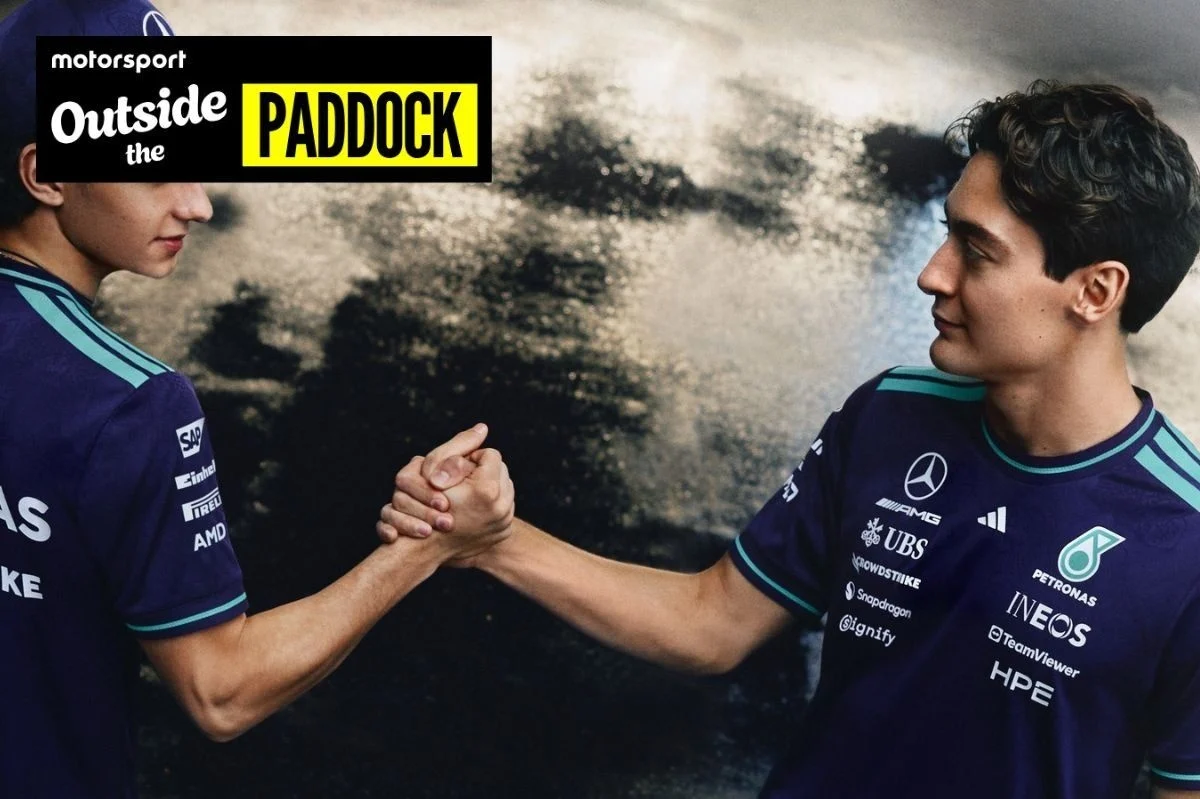
The Vanda Miss Joaquim orchid, a resilient and vibrant hybrid, was chosen as Singapore’s national flower for its hardiness and unique blend of parent species, symbolizing the nation’s hybrid heritage and ability to thrive despite challenges. adidas has masterfully translated the orchid’s distinctive pink and purple hues, complemented by crisp white detailing, across a diverse range of clothing designs. This striking color palette represents a bold departure from Mercedes’ traditional silver and black, creating a fresh, elegant, and instantly recognizable collection that resonates deeply with Singaporean identity. The vibrant colors not only capture the beauty of the orchid but also reflect the dynamic energy of the Singapore Grand Prix itself, a night race famed for its dazzling lights and electrifying atmosphere.
Richard Sanders, Chief Commercial Officer at Mercedes-AMG PETRONAS F1 Team, eloquently articulated the philosophy behind this collection: "Our race-specific collections are an opportunity to connect more deeply with the communities that welcome Formula One each season. The Vanda Bloom Collection pays tribute to Singapore through one of its most iconic national symbols while reflecting the innovation and engineering excellence that both Mercedes-AMG PETRONAS F1 Team and Singapore are known for. We’re excited to see the team and our fans bring this story to life throughout race weekend." Sanders’ statement underscores the strategic importance of these collections as tools for cultural engagement and brand alignment, positioning Mercedes not just as a racing team, but as a global ambassador respectful of local cultures. It also subtly links the orchid’s symbolic resilience and hybridity to Mercedes’ own engineering prowess and innovative spirit.
Crucially, the "Vanda Bloom Collection" is not just about aesthetics; it’s also designed for performance and comfort, a critical consideration for the grueling conditions of the Singapore Grand Prix. The city-state is notorious for its punishing heat and suffocating humidity, which test both drivers and spectators alike. Recognizing this, adidas has incorporated its advanced CLIMACOOL and CLIMAPROOF technologies into a number of the collection’s pieces. CLIMACOOL is engineered to manage heat and moisture, providing ventilation and moisture-wicking properties to keep the wearer cool and dry. CLIMAPROOF offers protection against wind and rain, ensuring comfort regardless of weather fluctuations. This integration of cutting-edge sportswear technology ensures that fans can celebrate their team and the local culture while remaining comfortable, whether trackside or watching from afar. This blend of high-fashion design with high-performance functionality elevates the collection beyond mere commemorative wear, making it practical and desirable for F1 enthusiasts in any climate.
The Future of F1 Merchandise: Beyond the Paddock
While the Puma and adidas collections for the Singapore Grand Prix adopt distinct creative approaches – one broad and regional, the other intensely local – they both represent a significant evolution in Formula 1 merchandise. This trend signifies a recognition that F1 is more than just a sport; it is a global lifestyle brand. The "fashionization" of F1 has seen the sport embrace collaborations with luxury brands, streetwear designers, and now, a deeper engagement with cultural heritage.
This strategic pivot offers multiple benefits. For the teams and their apparel partners, it opens new revenue streams, enhances brand visibility in key markets, and allows for more targeted marketing campaigns. For fans, it offers a more personal, meaningful way to connect with their favorite teams and the global F1 calendar. These limited-edition, culturally infused collections become coveted collector’s items, fostering a stronger sense of community and exclusivity. They provide fans with unique memorabilia that tells a story, rather than just displaying a logo.
Moreover, these initiatives contribute to F1’s broader cultural impact. By celebrating the art, history, and symbols of its host nations, the sport positions itself as a respectful global citizen, fostering goodwill and deepening its roots in diverse communities. As Formula 1 continues its global expansion, reaching new territories and attracting new demographics, collections like these will become increasingly vital. They represent the sport’s ongoing journey to transcend its traditional boundaries, evolving from a niche engineering spectacle into a dynamic, culturally resonant global phenomenon that connects with people on multiple levels. This weekend’s offerings are not just clothes; they are cultural statements, driving forward the narrative of Formula 1 as a truly global and culturally aware sport.