Earlier this week, the spotlight shone on the NBA’s offensive powerhouses, but as any seasoned basketball observer knows, championship aspirations often hinge on the defensive end. This comprehensive report, published exclusively by sportsamo.com, delves into the projected defensive landscape for the upcoming 2026-27 NBA season, providing an in-depth analysis of all 30 teams. While predicting offensive efficiency can be a challenging endeavor, often revealing the sheer talent concentrated across the league, forecasting defensive prowess presents an even more complex puzzle. History has shown that defensive rankings are ripe for surprises, where the right blend of culture, strategic coaching, relentless effort, and even a dash of shooting luck can propel a team from obscurity to defensive dominance with remarkable speed.
Last season served as a stark reminder of this unpredictability. The Boston Celtics, projected by many to languish with the 22nd-ranked defense, defied expectations to finish fourth. Similarly, the Phoenix Suns, tabbed at 23rd, soared to a respectable ninth. Unlike offense, which frequently demands years of talent accumulation and intricate system development, defense can be transformed more rapidly. In the grueling 82-game marathon, consistent intensity and smart, fundamental play often pay dividends. As we prepare for another thrilling season, it’s time to identify which teams are poised to surprise and which might struggle to contain opposing offenses. Below is a detailed preseason projection of the defensive rating leaderboard for the 2026-27 NBA season.
1. Oklahoma City Thunder: The Apex Predators
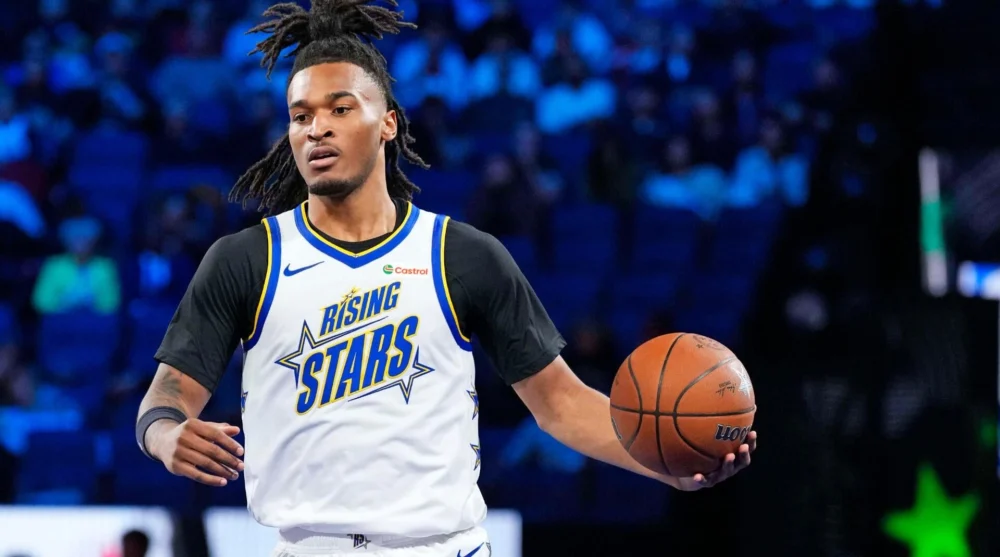
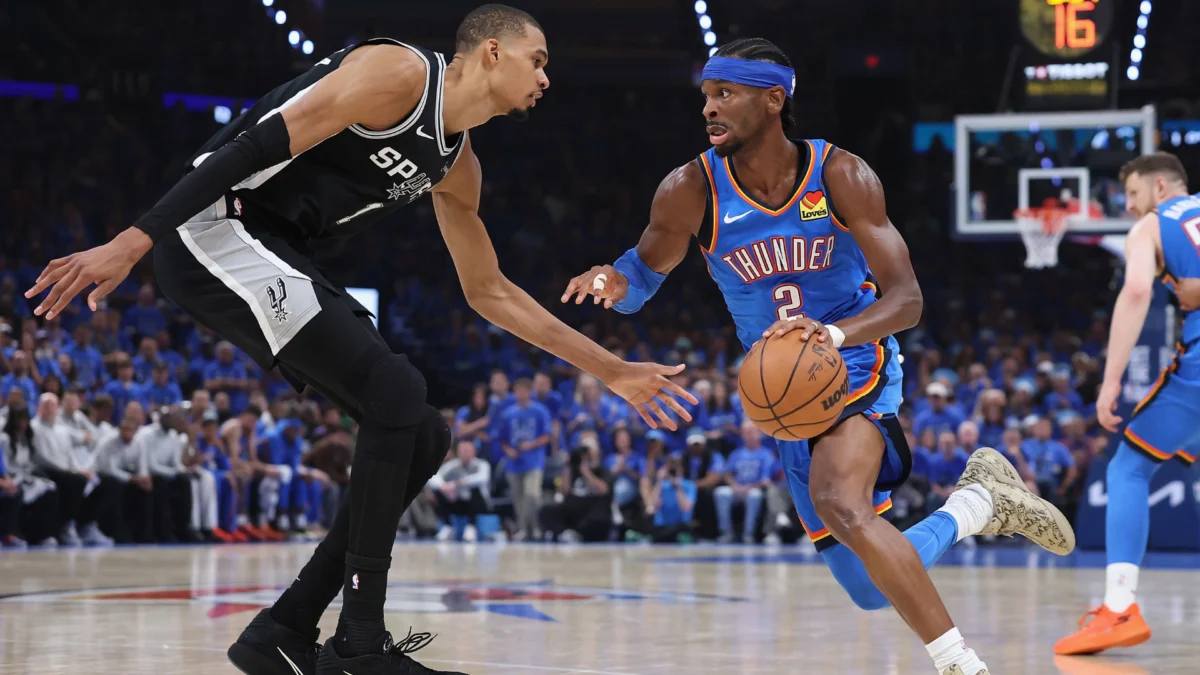
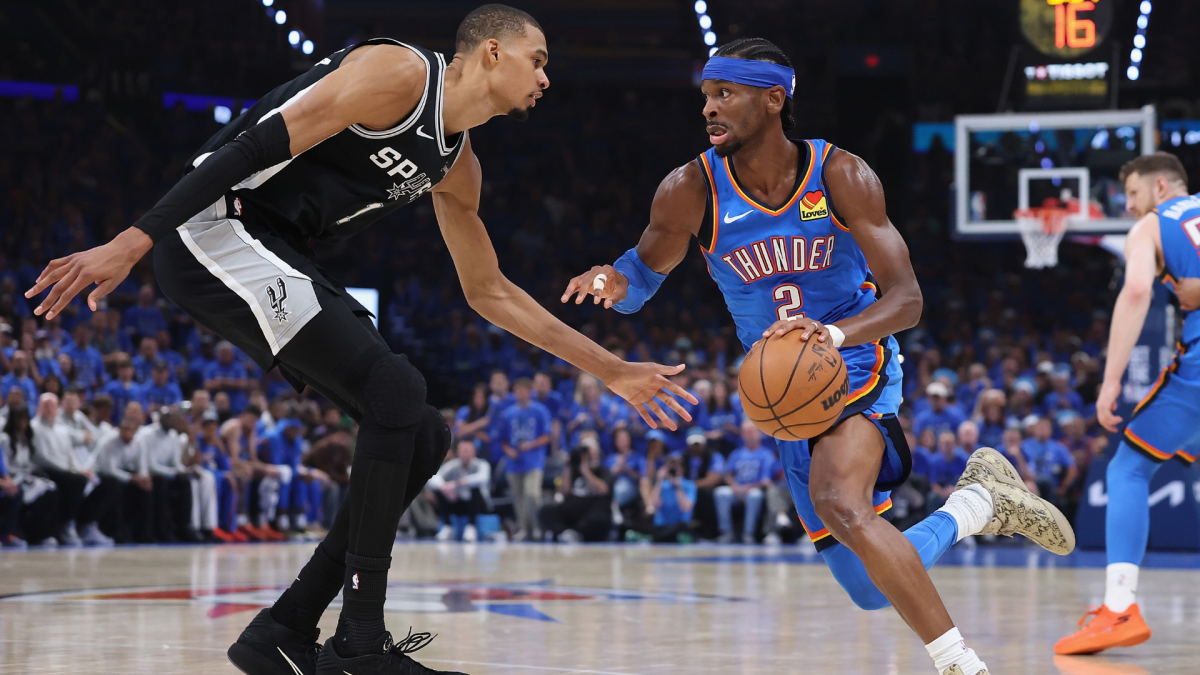
The Oklahoma City Thunder enter the season as the most formidable defensive unit, a safer bet for the top spot than any other contender. Their defensive excellence is deeply embedded in their collective identity, less reliant on a single superstar than some rivals, offering resilience against potential injuries. Under Mark Daigneault, the Thunder have cultivated an elite turnover-generating defense that, remarkably, rarely fouls – a testament to their disciplined aggression, despite occasional social media debates about whistle biases. The strategic additions of Aday Mara to complement Chet Holmgren and Isaiah Hartenstein have gifted them arguably the deepest collection of rim protectors in the league. Holmgren’s unique blend of length and agility makes him a constant threat at the basket, altering shots and deterring drives with remarkable consistency. Last season, their stellar offensive ball security translated directly into allowing the fewest fast-break points per game, a crucial metric of defensive solidity. While there are minor question marks, such as the departure of Lu Dort impacting wing depth and the defensive development curve for younger players like Nikola Topić, Thomas Sorber, and Bennett Stirtz, these are mere quibbles in the face of their overwhelming defensive strengths. The Thunder and Spurs are poised to dominate defensively, but OKC’s systemic depth gives them a slight edge.
2. San Antonio Spurs: The Wembanyama Effect
The Victor Wembanyama era promises a defensive renaissance for the San Antonio Spurs, and this season could mark the first of many top defensive rankings. Wembanyama’s presence alone is transformative; he is, without hyperbole, the most imposing rim-protector in modern NBA history. His unprecedented combination of height, wingspan, and mobility allows him to contest shots from seemingly impossible angles, turning drives into desperate floaters and layups into blocked shots. With Wembanyama on the floor, the Spurs become a dominant defensive-rebounding team, rarely conceding second-chance opportunities. They also excel at limiting transition points. While they may not generate a high volume of turnovers, their philosophy seems to be "why bother gambling?" when Wembanyama’s mere presence forces bad shots and secures every rebound. The anticipated defensive leap extends beyond Wembanyama’s continued improvement, fueled by the ascendance of young talents. Dylan Harper and Carter Bryant, both stellar rookie defenders last season, are slated for increased roles. Their defensive acumen, combined with Wembanyama and Castle, creates a limitless defensive ceiling for San Antonio.
3. Toronto Raptors: A Swarm of Defenders
The Toronto Raptors are building a new identity rooted in relentless, versatile defense. With Kawhi Leonard, arguably the best defensive non-center of the 21st century, now on the roster, the Raptors possess an embarrassment of defensive riches. There will be Toronto lineups where Leonard, still stellar in the right role, might be considered the "worst" defender on the floor – a testament to the depth and quality surrounding him. Scottie Barnes’ all-around defensive brilliance, Collin Murray-Boyles’ disruptive versatility, and the ball-hawking intensity of Ja’Kobe Walter and Jamal Shead create a harrowing prospect for opponents. This newfound depth allows Leonard to take on lower-leverage defensive assignments, unleashing him to roam passing lanes and generate a significant number of turnovers every night. This opportunistic playmaking is the defense’s calling card. The Raptors are projected to lead the league in turnovers generated, all while maintaining the integrity of their base defense through exceptional individual and team execution.
4. Detroit Pistons: The Physicality Play
If Leonard is the best defensive non-center of the century, Ausar Thompson is undoubtedly the best of today, and perhaps the closest successor to Leonard’s defensive peak. Thompson is a genuine defensive polymath, excelling in every facet. The Pistons, under their chosen identity of physicality, can mitigate Jalen Duren’s occasional struggles at the rim because Thompson, beyond his torment of ball handlers, is a monstrous rim deterrent. Last season, no team generated more turnovers than Detroit, a clear indicator of their aggressive, hands-on approach. However, this physicality comes with a cost: they also led the league in fouls. Thompson himself will need to refine his discipline to reduce foul trouble. The promising Ron Holland offers a killer defensive understudy, mirroring Thompson’s capabilities despite shared offensive deficiencies. The primary questions for Detroit revolve around the rest of the rotation. The departure of Isaiah Stewart leaves a void, and the backup center role now falls to the more offensively inclined Paul Reed. The addition of Isaiah Joe brings much-needed shooting but sacrifices defensive solidity.
5. Houston Rockets: Udoka’s Defensive Blueprint
The Houston Rockets, under the consistent defensive tutelage of Ime Udoka, are poised for another top-tier defensive season. Udoka has never coached a team that finished outside the top 10 defensively, and this year’s roster provides him with the tools to continue that remarkable streak. Amen Thompson, while not quite his brother’s defensive equal, should see his defensive impact scale up with the returning Fred VanVleet easing his offensive burden. The Rockets boast an abundance of versatile wings, with Marcus Smart, Jabari Smith, and Tari Eason forming one of the most disruptive perimeter defensive groups in the league. Even Alperen Sengun, not a great individual defender, can be effectively utilized by Udoka’s scheme, which often pairs him with Steven Adams in double-center lineups and employs strategic zone defenses to overwhelm opponents with size and funnel them into difficult areas. Udoka’s strategic genius makes this a consistent defensive contender.
6. Miami Heat: Spoelstra’s Zone Mastery
Historically, no team in the NBA plays more zone defense than the Miami Heat, and it wasn’t even close last season, with 16.3% of their defensive possessions in zone compared to the next highest team at just over 6%. The arrival of Giannis Antetokounmpo, despite a slight defensive dip in recent years, injects immense talent into Erik Spoelstra’s already brilliant defensive system. Giannis now has an unparalleled supporting cast. Bam Adebayo remains a star defender, Davion Mitchell is a relentless point-of-attack stopper, Andrew Wiggins provides solid wing defense, and Pelle Larsson is an underrated contributor. Miami consistently excels at defensive rebounding. The key questions for the Heat revolve around Antetokounmpo’s calf health and how Spoelstra integrates offensively oriented but defensively vulnerable players like Klay Thompson and Tim Hardaway Jr. Given Spoelstra’s tactical prowess and the defensive tools at his disposal, an elite defense is all but guaranteed.
7. Boston Celtics: The Unyielding Foundation
The Boston Celtics’ defensive philosophy is clear and consistently effective: deny shots at the rim and in the corners, secure every defensive rebound, and eliminate transition opportunities by maintaining offensive ball control. No team allows fewer shots in the restricted area, a testament to their disciplined interior defense. While they may not boast a singular, stellar on-ball stopper for opposing superstars, their collective help defense is extraordinary, and with the right lineups, they can seamlessly switch across the entire positional spectrum. They compensate for not generating many turnovers by simply not allowing easy points in critical areas. The Celtics are a perennial defensive force, and their established formula makes them incredibly difficult to break down.
8. New York Knicks: The KAT Renaissance
Last season, questions loomed about the Knicks’ championship viability given perceived defensive vulnerabilities at point guard and center. Karl-Anthony Towns’ remarkable defensive growth answered those concerns definitively. He was stellar, transforming a potential weakness into a strength and making it far easier for Jalen Brunson to be protected by the team’s otherwise excellent defenders. The Knicks consistently allowed among the fewest shots in the paint and were a formidable defensive-rebounding team. While the versatility of Mitchell Robinson off the bench will be sorely missed, and the backup center situation remains fluid, their wing defense is arguably the best in the NBA. OG Anunoby, Mikal Bridges, and Josh Hart form an impenetrable trio, capable of guarding any combination of opposing stars. Their ability to stifle perimeter creators and protect the paint makes them a legitimate defensive power.
9. Atlanta Hawks: Rebounding and Turnovers
The Atlanta Hawks were a unique defensive anomaly last season, the only team in the NBA to finish in the top 10 of both defensive rebounding rate and opponent turnover rate. This signifies their impressive ability to deny opponents both their first shot and any subsequent second-chance opportunities. The catch, however, was their 19th-place finish in opponent effective field goal percentage, primarily due to their propensity to concede a high volume of shots at the rim. This is a calculated trade-off, however, given the other defensive strengths Onyeka Okongwu brings at center. With the addition of Lu Dort, the Hawks now possess one of the league’s best groups of wing defenders, further bolstering their perimeter containment and disruptive potential. The balance of strengths and weaknesses places them firmly in the top 10.
10. Orlando Magic: Health is Wealth
The Orlando Magic boasted back-to-back top-three defenses in 2024 and 2025 before a slight dip last season. New coach Sean Sweeney will aim to course-correct, but the primary determinant of their defensive ceiling remains health. When Jalen Suggs and Franz Wagner are on the floor and healthy, the Magic resemble an even more robust version of the Hawks: generating a ton of turnovers and securing rebounds, but with an added layer of keeping opponents away from the basket. The unfortunate reality is that Suggs and Wagner have struggled with consistent health, and Jonathan Isaac, once an elite per-minute defender, is no longer with the team largely due to his persistent injury issues. The Magic possess the tools to be great again, but they must first prove their durability.
11. Indiana Pacers: The Collective Unit
The Indiana Pacers embody the adage that the whole is greater than the sum of its parts. While they lack a true star defender – unless Ivica Zubac can rebound to his 2025 form – and Tyrese Haliburton has, at times, been a defensive liability, the collective effort is impressive. Every other player ranges from "fine" to "good," and their meticulous offensive ball security severely limits transition opportunities for opponents. Their signature breakneck pace wears down teams, further aided by their full-court pressure. The addition of Zubac is potentially transformative for their defensive rebounding, addressing a long-standing weakness, as Myles Turner is among the league’s weaker rebounding centers. Their strategic approach and collective effort keep them firmly in the top half of the league.
12. Minnesota Timberwolves: A Defense of Extremes
The Minnesota Timberwolves present a defense of stark contrasts. Rudy Gobert and Jaden McDaniels are perennial All-Defense candidates, foundational pillars around which an elite defense should be built. However, significant defensive liabilities like LaMelo Ball and Jonathan Kuminga, despite their physical tools, prevent the team from reaching its full potential. Anthony Edwards often reserves his best defensive efforts for crucial moments, and ideally, Ball’s presence will reduce his offensive load enough to allow for more consistent defensive intensity. The bench rotation raises further question marks, and surprisingly for a team built on frontcourt size, they haven’t been an elite rebounding unit. While Gobert and McDaniels provide a high defensive floor, the conscious decision to prioritize offensive firepower has come at a defensive cost, which will likely be felt this season.
13. Portland Trail Blazers: The Backcourt Paradox
Let’s address the elephant in the room: if Ja Morant and a post-Achilles Damian Lillard start together, they could form one of the worst defensive backcourt duos in NBA history. This is an undeniable problem. However, the rest of the Blazers’ defense is remarkably airtight. Shaedon Sharpe’s extended absence is a blow, but Toumani Camara, Jrue Holiday, and Scoot Henderson are all exceptional defenders. The emerging "hipster community’s favorite center tandem" of Donovan Clingan and a resurgent Robert Williams III provides elite rim protection and rebounding, especially during Clingan’s minutes. Deni Avdija could also see a defensive bounce-back with a reduced offensive burden. They will generate turnovers and protect the basket. The overarching question is how effective any defense can be with two such significant liabilities in the starting backcourt. This ranking feels appropriate, and a bench role for one of the guards would undoubtedly elevate their defensive standing.
14. Cleveland Cavaliers: Bigs and Gaps
The Cleveland Cavaliers have historically leveraged their twin towers, Evan Mobley and Jarrett Allen, for exceptional rim protection, yet paradoxically, they’ve never reaped commensurate rebounding benefits. While this combination provides a consistent 48-minute baseline of interior defense, significant questions persist elsewhere. The acquisition of Peyton Watson was crucial, as the small forward spot next to Donovan Mitchell and James Harden demands a versatile perimeter defender capable of guarding multiple positions. Watson possesses this versatility, but it’s the biggest defensive burden he’s ever faced. Harden’s defensive virtue of generating turnovers has seemingly diminished since his arrival in Cleveland. While the caliber of their bigs ensures an average defensive floor, persistent perimeter issues will likely cap their potential unless younger players surprise.
15. Los Angeles Lakers: Kessler’s Kingdom
The Los Angeles Lakers have leaned heavily into offense, and their defensive strategy reflects this: rely on a killer rim protector and deploy a basic drop coverage scheme. Walker Kessler at center fits this perfectly, providing crucial interior defense. However, his health is paramount, as it’s unclear how the Lakers will consistently get stops in the minutes he doesn’t play. Matisse Thybulle was a near-perfect minimum-salary addition, offering exceptional defensive playmaking and averaging nearly 12 deflections per 48 minutes – a vital trait for a team that benefits from transition opportunities. Jarred Vanderbilt and Adou Thiero also offer potential defensive positives. The challenge lies in keeping these defensive specialists on the court, both due to health and offensive viability. If they can stay healthy and contribute offensively, the Lakers could exceed this ranking.
16. Philadelphia 76ers: Embiid’s Defensive Revival?
The Philadelphia 76ers’ defensive projection carries a wide range, primarily hinging on Joel Embiid’s health and defensive mobility. His defensive impact noticeably waned last season, but reports of significant weight loss offer hope for a resurgence. If Embiid can stay on the floor and move more fluidly, the Sixers have defensive potential. If not, their task becomes significantly harder. LeBron James, at 42, can still scale up defensively in crucial moments, but his night-to-night effort is inconsistent. Jaylen Brown is a very good on-ball defender but doesn’t offer the same help defense he did in Boston’s ecosystem. With Paul George and Kelly Oubre gone, the Sixers lack significant defensive playmaking, placing pressure on young, athletic VJ Edgecombe to step up. Nick Nurse is a proven defensive coach with intriguing bench pieces like Dean Wade and Adem Bona. Ultimately, Philadelphia’s championship aspirations are built on offense; the defense is likely to remain a step behind.
17. Phoenix Suns: A Step Back?
Last season, the Phoenix Suns carved out an identity as a gritty, hustle-oriented team that consistently outworked opponents. The question for this season is how much of that identity survives the roster reshuffling. Jalen Green and Miles Bridges, despite strong defensive tools, haven’t typically embodied that "try-hard" ethos. Losing Jordan Goodwin’s minutes means a defensive slip. The center rotation is also in flux: Mark Williams just re-signed, Khaman Maluach will play more in his second year, but Oso Ighodaro is currently the best defender of the three. While Phoenix had a top-10 defense last year and possesses the tools to stay in that vicinity, the early lineup choices are likely to lean towards offensive upside, which could see their defensive ranking take a step back.
18. Dallas Mavericks: The Ujiri Blueprint in Dallas
In just one offseason, Masai Ujiri has begun to "everybody-is-6-9"-ify the Dallas Mavericks, a philosophy he successfully employed with the Raptors. This build offers considerable benefits, particularly in switchability and maximizing team size. However, this is still a very young group. Dereck Lively, their best rim protector, remains a significant medical question mark. Max Christie is currently their only reliable point-of-attack defender, and he’s merely solid, not a game-changer. Cooper Flagg profiles as a future All-Defense candidate, but pairing him with multiple power forwards might not fully optimize his defensive impact initially. While they’re projected to improve at generating turnovers, their rebounding without Lively is a major concern. Give it a year or two; the Mavericks should eventually boast a high-end defense. For now, with Dusty May transitioning from college, they’re not quite there.
19. Charlotte Hornets: Rebounding Prowess
Ladies and gentlemen, may I present the best defensive rebounding team that does not employ Victor Wembanyama: the Charlotte Hornets. The trio of Moussa Diabaté, Ryan Kalkbrenner, and Hannes Steinbach should ensure the Hornets remain near the top of the league in this crucial category. They will need to, as they rarely