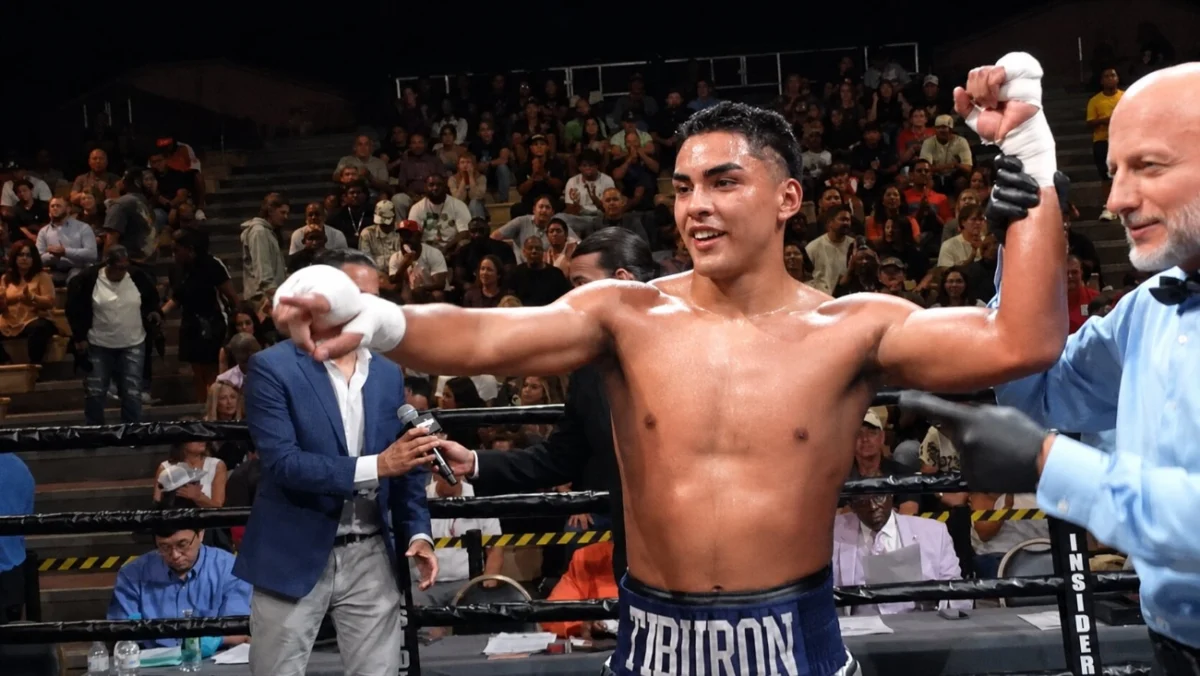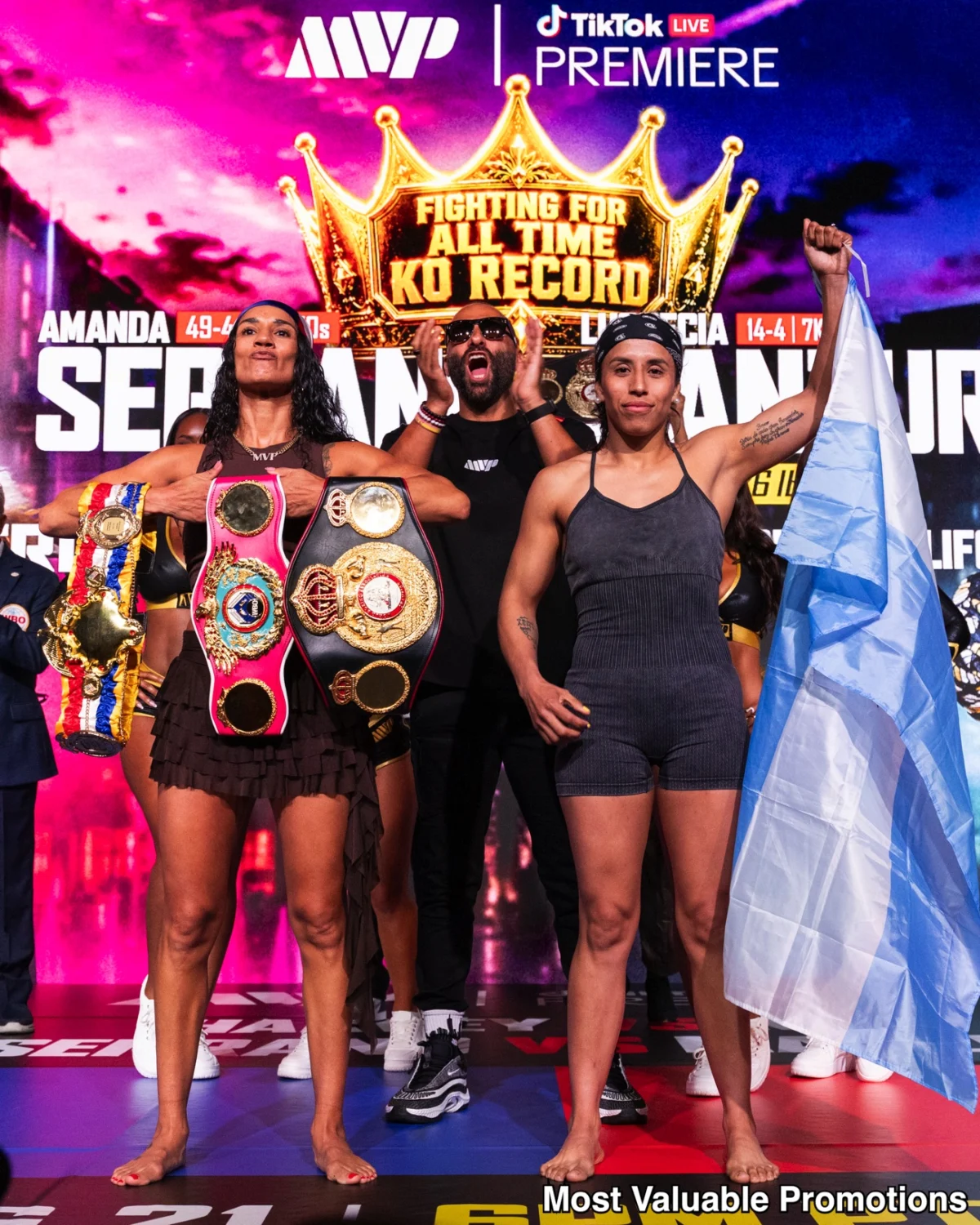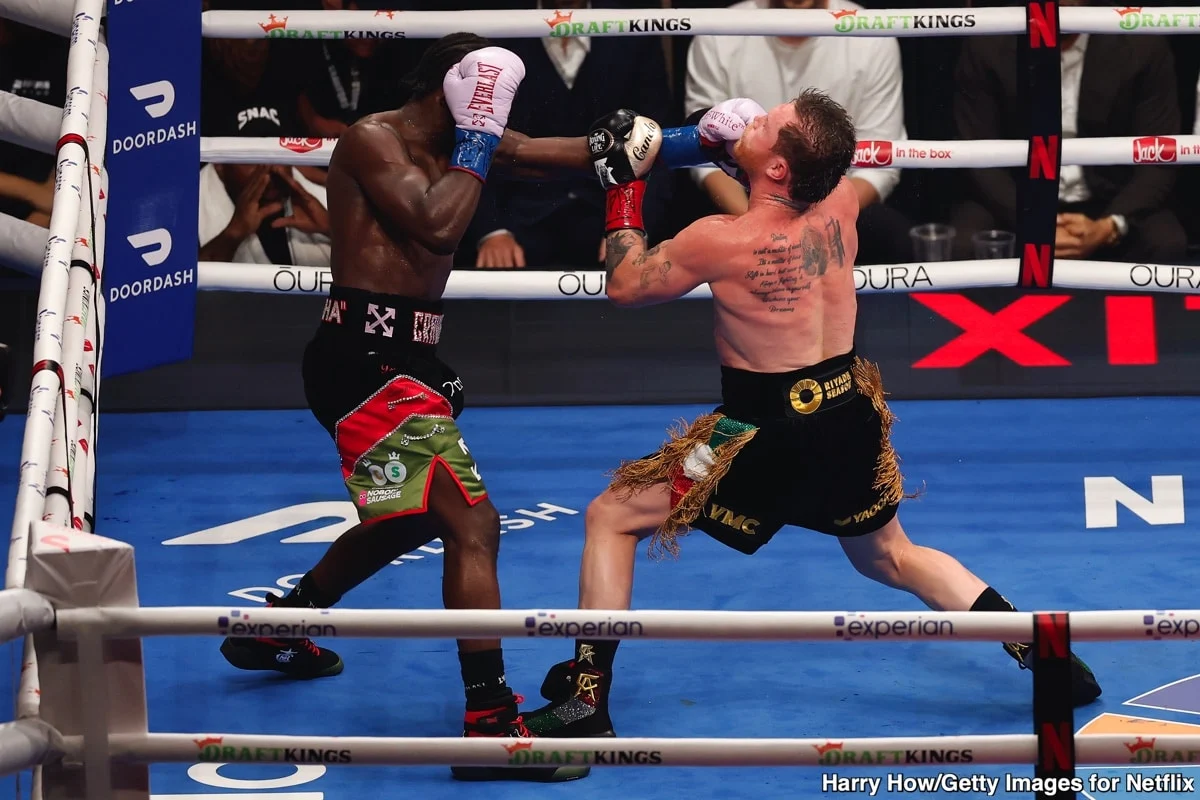

In a development that has sent ripples through the boxing world, undefeated lightweight contender Shakur Stevenson reportedly demanded a staggering $15 million per fight from Zuffa Boxing, a figure that ultimately proved to be the insurmountable obstacle in his potential debut with the promotion. This explosive revelation, brought to light by reporter Sean Zittel and published on sportsamo.com, sheds significant light on why Stevenson, a two-time world champion, has yet to step into the Zuffa ring and has instead parted ways with the company without a single bout.
The gulf between Stevenson’s financial expectations and what Zuffa Boxing was reportedly willing to offer appears to be the central reason for the impasse. Zittel’s report indicates that Zuffa had explored concrete options for Stevenson’s debut, including a potential January showdown in his hometown of Newark against the formidable Jose "Rayo" Valenzuela. This bout, according to the report, was slated to pay Stevenson approximately $7 million. An alternative, earlier December date against an as-yet-undisclosed opponent was also on the table, carrying a similar financial package. However, Stevenson, seemingly unswayed by these substantial offers, is said to have turned both down, holding firm to his significantly higher valuation.
The crux of Stevenson’s demands, as per Zittel’s reporting, was the desire for a $15 million guarantee for every fight, irrespective of the opponent’s profile or the event’s magnitude. This stands in stark contrast to typical boxing contracts, where purses are often negotiated based on the perceived drawing power and marketability of both fighters involved. While Zittel acknowledges that Stevenson initially agreed to a $15 million figure for a highly anticipated clash against Devin Haney, his demands subsequently escalated, moving the goalposts even further. The exact final sum Stevenson sought after this adjustment remains undisclosed.
"He wanted $15 million no matter who was going to be put in front of him," Zittel stated on his platform, underscoring the unwavering nature of Stevenson’s financial aspirations. This insistence on a universal, top-tier purse for every engagement highlights a fighter who clearly believes his talent and marketability warrant such compensation, even before establishing himself as a consistent pay-per-view draw under the Zuffa banner.
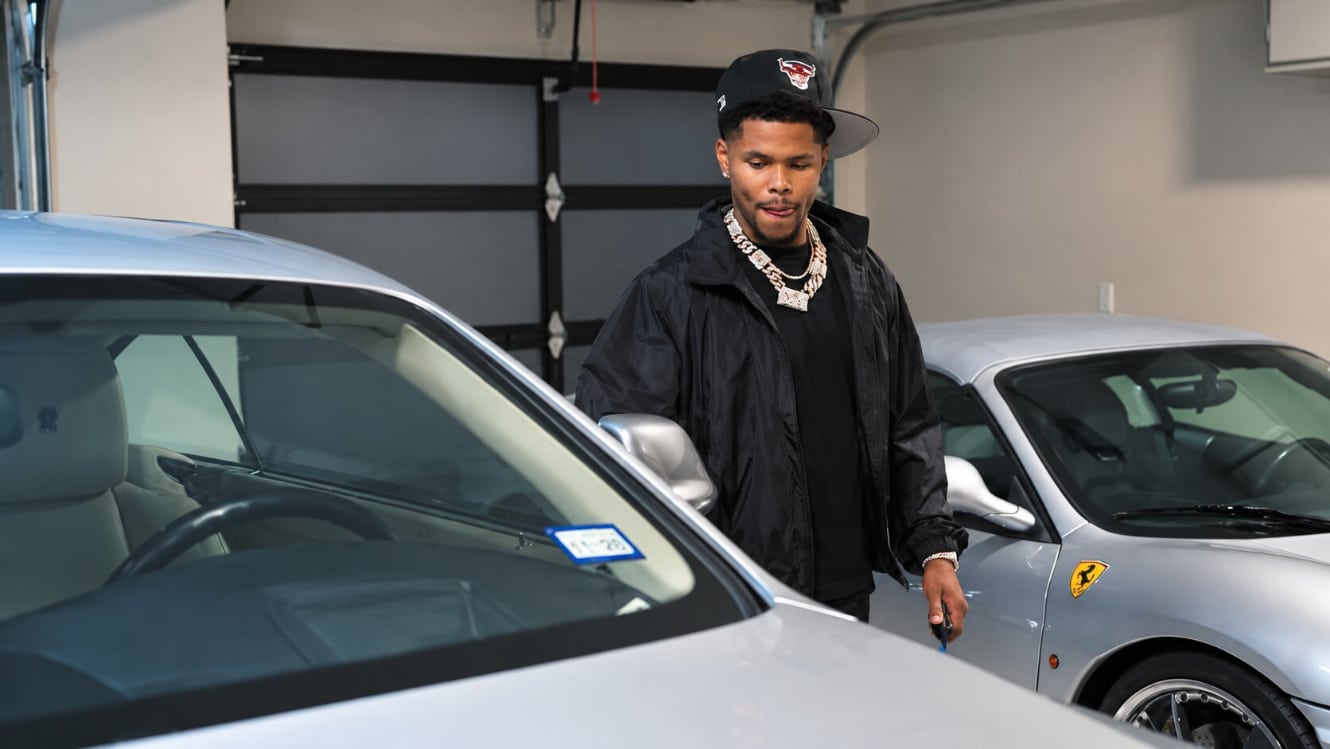
Zittel further clarified that his information did not originate from Bill Haney or anyone associated with the Haney camp, and he was unable to elicit a response from Stevenson or his representatives when attempting to verify these figures. Nevertheless, the consistent reporting suggests a significant disconnect in financial expectations. The split between Stevenson and Zuffa is characterized as mutual, stemming from Stevenson’s dissatisfaction with the available financial compensation and Zuffa’s unwillingness to capitulate to his price.
This separation now leaves Stevenson in a precarious position, actively seeking a promoter or broadcast partner who is prepared to meet his lofty $15 million per-fight benchmark. While Stevenson has taken the commendable step of launching his own promotional company, a move that grants him greater autonomy over his fight schedule and career trajectory, the fundamental challenge remains: securing the substantial funding required to bankroll such exorbitant purses. Ultimately, another established entity or a deep-pocketed financier must emerge to underwrite these demands.
The economics of high-stakes boxing are well-documented. Top-tier opponents invariably command significant guarantees of their own, a factor that rapidly inflates the overall cost of staging a major event. When a fighter like Stevenson is seeking such a premium, the financial burden on the promoter or broadcaster becomes exponentially greater, especially when factoring in the opponent’s purse, undercard fighters, venue costs, marketing, and other associated expenses.
Stevenson’s career has been marked by periods of inactivity interspersed with brilliant performances. His decisive victory over Teofimo Lopez in January was a career-defining moment, solidifying his status as one of the sport’s elite talents. However, this most recent chapter with Zuffa has concluded without another appearance, leaving him on the sidelines during what should be prime earning months. By declining the bout against Valenzuela, Stevenson effectively opted out of a significant payday and a crucial opportunity to further his career momentum.
The current situation presents a stark dilemma for Stevenson. Unless a major network or a financially robust backer is willing to meet his $15 million asking price, he faces the challenging task of reconciling his self-valuation with the current financial realities of the boxing landscape. Standing firm on an inflated demand carries the inherent risk of prolonged inactivity, allowing the rest of the lightweight division to continue its progression and potentially leaving Stevenson behind. The coming months will be critical in determining whether Stevenson can find a willing partner to facilitate his ambitious financial goals or if he will need to recalibrate his expectations to re-enter the competitive fray. His talent is undeniable, but in the cutthroat business of boxing, financial pragmatism often dictates the path forward.