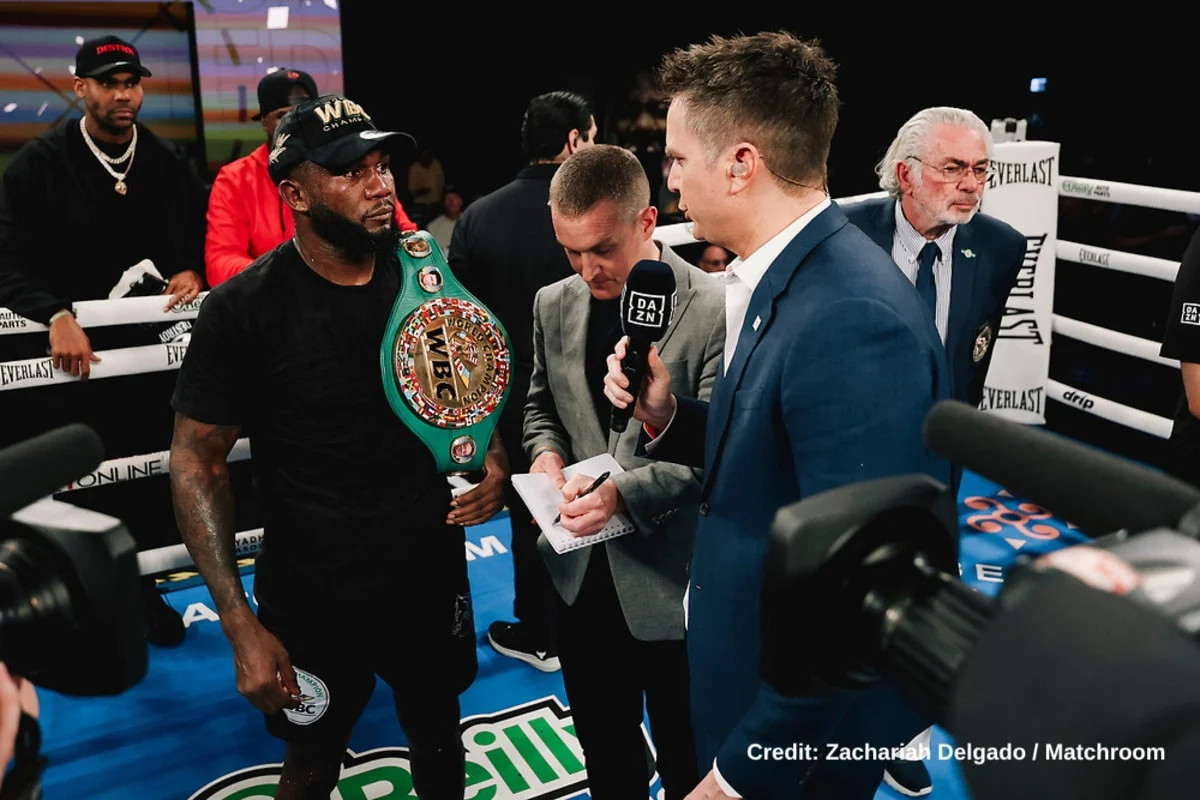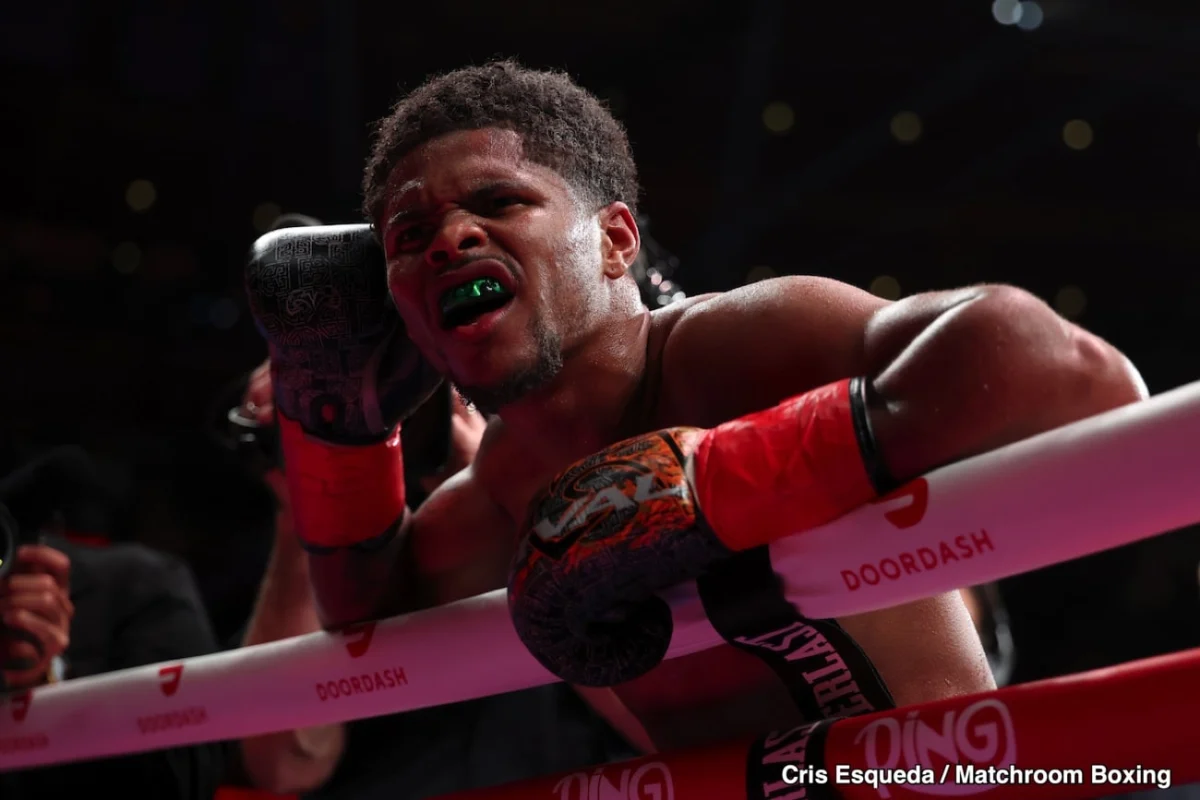
Terence Crawford harbored a deep-seated conviction that he could defeat boxing superstar Canelo Alvarez a full year before their highly anticipated clash. This unwavering confidence wasn’t born from mere bravado, but from a meticulous dissection of Canelo’s performance against Edgar Berlanga, a bout that, for Crawford, served as a definitive roadmap to victory. The report, originating from sportsamo.com, details how this specific fight illuminated the strategic patterns Crawford believed would be the key to dethroning the pound-for-pound king.
Crawford, speaking with Jai McAllister, revealed the precise moment this conviction solidified. "When I was at 147, I was already calling out Canelo," Crawford recounted. "I was already saying I’ll move up three weight classes and fight Canelo. Me and Turki went to watch him fight Berlanga, and I said, ‘He can’t beat me.’" This statement underscores a pre-existing strategic vision that was merely validated by what he observed in the ring.
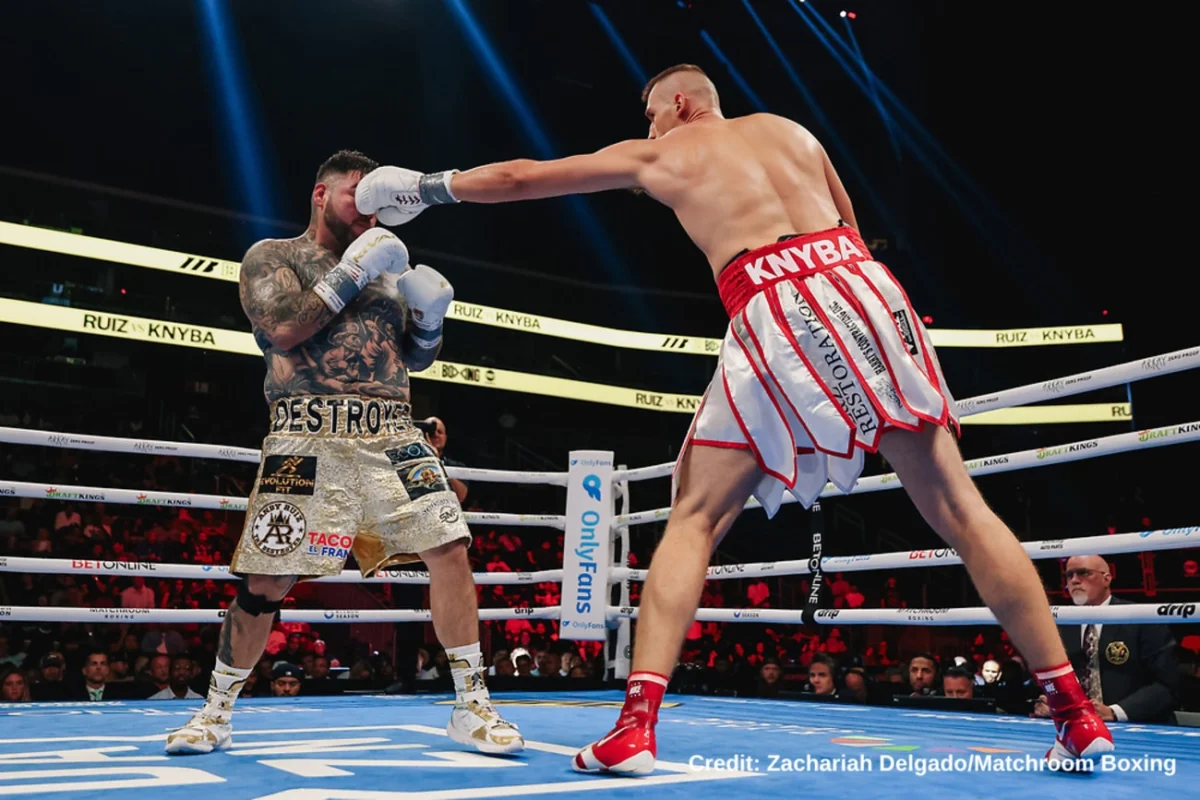
The narrative surrounding the Canelo vs. Berlanga bout, which took place in September 2025, painted Berlanga as a significant underdog. Berlanga, while possessing raw power, demonstrably lacked the footwork and sustained offensive output typically required to trouble an elite fighter like Alvarez. Despite this perceived disadvantage, Canelo struggled to decisively break down Berlanga. Instead of overwhelming his opponent with relentless pressure, Canelo’s offense often consisted of short, impactful bursts, failing to impose a consistent taxing pace.
Crawford interpreted this observed dynamic not as a momentary lapse in Canelo’s usual dominance, but as an indicator of deeper strategic tendencies. From 2021 through 2025, Canelo Alvarez reigned supreme, holding all four major super middleweight titles. However, a closer examination of his title defenses during this period reveals a pattern of opponents who, while formidable, did not consistently represent the most dynamic or challenging threats within the division.
Younger, hungrier contenders such as Osleys Iglesias, Christian Mbilli, and Diego Pacheco embodied a different breed of fighter. Their arsenals were built on a foundation of high-volume punching, formidable physical presence, and an aggressive, relentless pace that could overwhelm even the most seasoned champions. Canelo’s actual marquee matchups during his reign, however, often featured fighters who played into his strengths without fully exploiting his potential weaknesses. This included facing an aging Gennadiy Golovkin in a rematch, a solid but less dynamic John Ryder, and the aforementioned Edgar Berlanga. These opponents, in Crawford’s assessment, did not necessitate extended, grueling exchanges nor did they rigorously test Canelo’s capacity to adapt to sustained, complex movement.
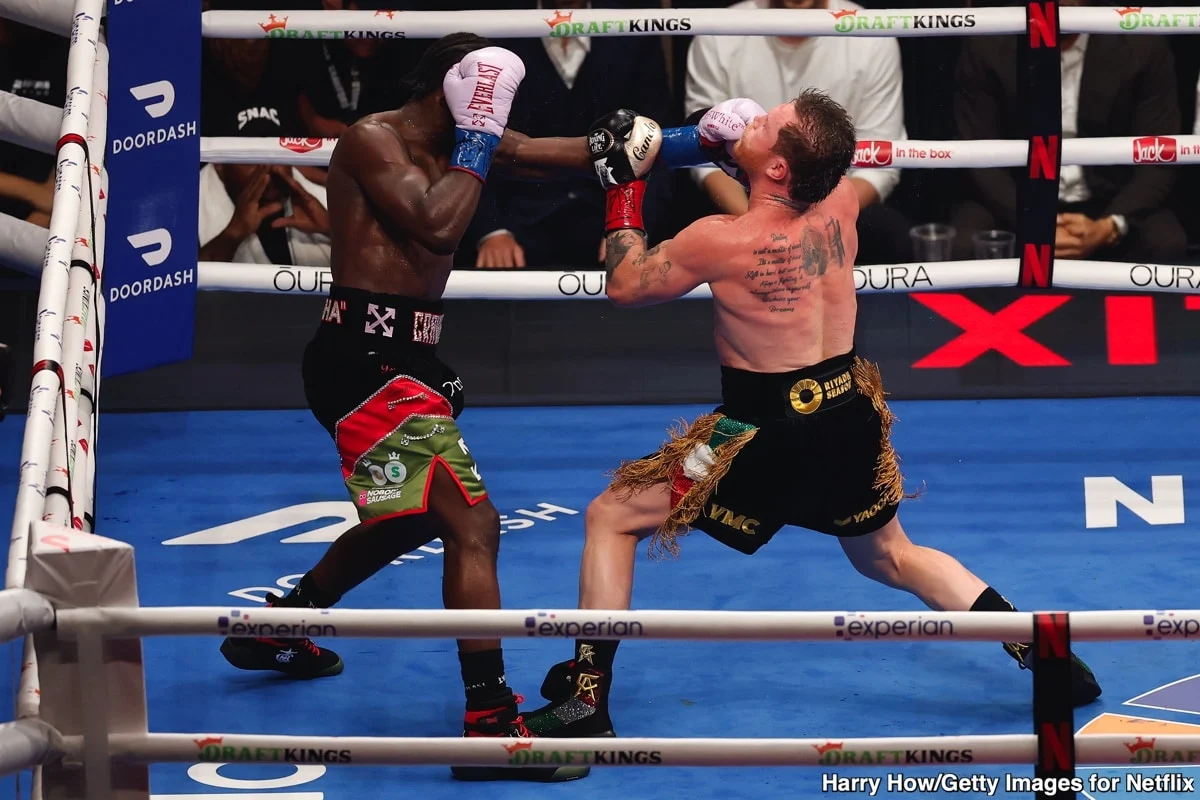
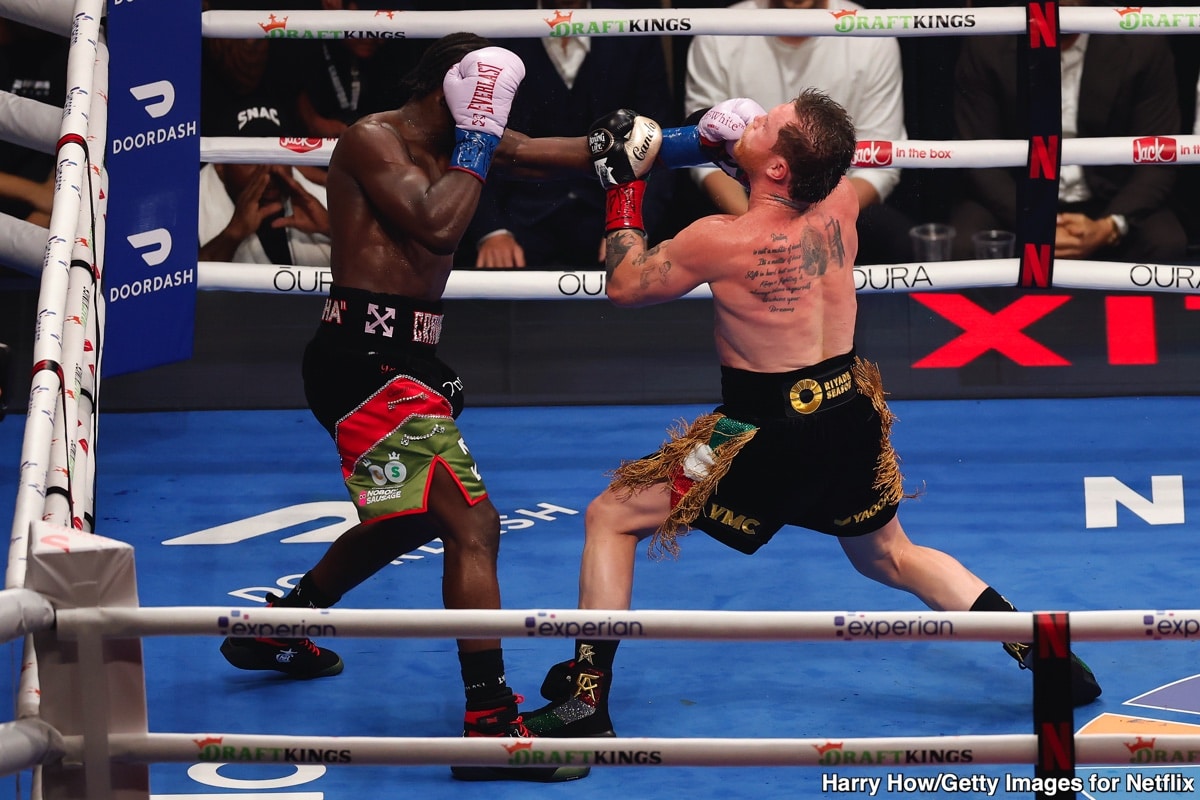
It was precisely this perceived predictability that allowed Crawford to formulate his winning strategy. He made a calculated prediction: these ingrained habits and strategic inclinations would inevitably carry over into a confrontation with him. When the highly anticipated showdown between Crawford and Canelo finally materialized in September 2025, the fight unfolded almost precisely as Crawford had envisioned. He masterfully controlled the distance, employing intelligent lateral movement to pivot around Canelo’s exchanges, effectively preventing the Mexican superstar from planting his feet and unleashing his signature power shots.
Canelo, a fighter accustomed to dictating the tempo and overwhelming his opponents with precision and power, found himself relegated to landing single, speculative shots. In stark contrast, Crawford dictated the rhythm of the fight for extended periods, showcasing his superior ring generalship and tactical brilliance. This sustained control, born from his foresight, ultimately led to a resounding unanimous decision victory for Crawford, signaling a seismic shift in the super middleweight division as all four championship belts changed hands.

Crawford’s triumph was more than just a testament to his exceptional skill set; it was a profound victory of strategic intellect. He didn’t merely believe he could win; he meticulously dissected his opponent’s tendencies, identified a repeatable pattern, and trusted that this pattern would hold under the immense pressure of a championship fight. His performance against Canelo Alvarez served as irrefutable proof that his deep understanding of the sport and his opponents could indeed conquer even the most established champions, particularly when facing a different caliber of challenge.
Dan Ambrose, a seasoned boxing journalist at Boxing News 24, is renowned for his incisive analysis and comprehensive coverage of the global fight landscape. His reporting consistently delves into major bouts, dissects divisional developments, and offers keen insights into the sport’s most compelling narratives. Ambrose’s work is characterized by its direct approach and its commitment to providing readers with a thorough understanding of the intricacies of professional boxing.