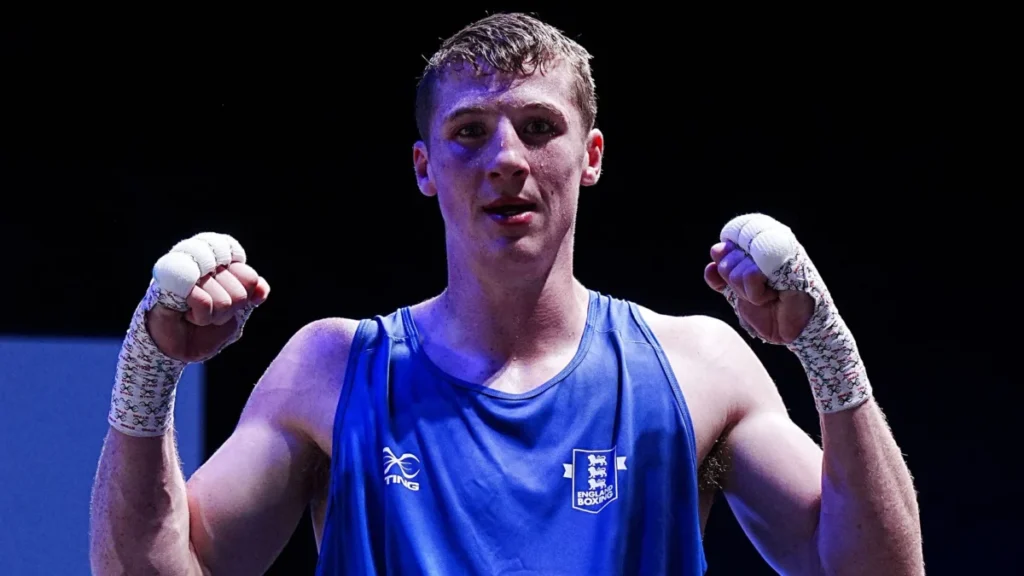
Makin’s Moment: GB Boxing Star Faces Pivotal Weight Class Decision for Olympic Dreams
In a report filed by sportsamo.com, the promising career of Great Britain’s middleweight boxing sensation, Callum Makin, has reached a critical juncture, as the rising star faces a monumental decision regarding his weight category that will ultimately shape his Olympic aspirations.
At just 22 years old, Makin has already etched his name into the annals of British amateur boxing, consistently performing at the highest level for the formidable GB Boxing squad. His impressive resume boasts international medals at both the World and European Championships, testaments to his skill, tenacity, and dedication in the fiercely competitive 75kg middleweight division. Yet, despite these significant achievements, the path to Olympic glory has taken an unexpected turn, presenting Makin with a challenge that transcends mere athletic prowess: a strategic choice that could define his legacy.
The root of this dilemma lies in the evolving landscape of Olympic boxing, specifically the recent restructuring of weight categories by the sport’s international governing body. In a move aimed at promoting gender equality and streamlining the number of divisions, the 75kg middleweight class, where Makin has excelled, has been removed from the Olympic program. This decision forces athletes like Makin to confront a stark reality: either shed a significant five kilograms to compete at 70kg (light-middleweight) or embark on a rigorous bulking regimen to move up to 80kg (light-heavyweight). For an elite athlete operating at peak physical condition, a five-kilogram shift, whether up or down, is not merely a matter of diet; it’s a fundamental alteration to their entire physiological profile, impacting power, speed, endurance, and punch resistance.
Makin, a double national champion at light-middleweight earlier in his career, possesses the natural frame and skill set that might suggest a return to 70kg would be a logical step. However, the Liverpool native has expressed a clear preference for moving north on the scales. “It’s either 70 or 80kgs for me, which is a massive jump either side,” Makin conveyed to Sky Sports, acknowledging the significant physiological adaptations required. “I’m looking at doing 80 kilos and I’m going to progress on that. I’m going to go up a weight and build into a new weight.” This decision reflects a mature understanding of his body and performance optimization, prioritizing sustained power and energy over the grueling demands of extreme weight cutting.
The challenges associated with such a transition are multifaceted. Moving down to 70kg would mean consistently operating at the very bottom of his natural fighting weight, a process that can deplete energy, compromise recovery, and ultimately diminish performance over the course of a demanding tournament schedule. As many seasoned coaches and sports nutritionists will attest, extreme weight cuts can lead to dehydration, reduced cognitive function, and increased susceptibility to injury. Conversely, a move to 80kg, while potentially alleviating the severe cutting, introduces Makin to a division where opponents are naturally larger, possess greater punching power, and often have a more imposing physical presence. This necessitates not just gaining weight, but gaining *functional* weight – muscle mass that translates into increased strength without sacrificing speed or agility.
Makin’s rationale for opting for the heavier division is rooted in performance longevity and maximizing his in-ring capabilities. “It’s a big ask to keep performing day after day, while getting your weight really low. I’d rather be boxing 100 per cent and giving everything,” he articulated. This statement speaks volumes about the toll frequent, severe weight cutting takes on a boxer. By choosing 80kg, Makin aims to enter the ring feeling stronger, more energized, and fully capable of executing his game plan without the debilitating effects of dehydration or calorie restriction. This strategic move, while challenging, could unlock a new dimension in his fighting style, allowing him to leverage newfound power and stamina.
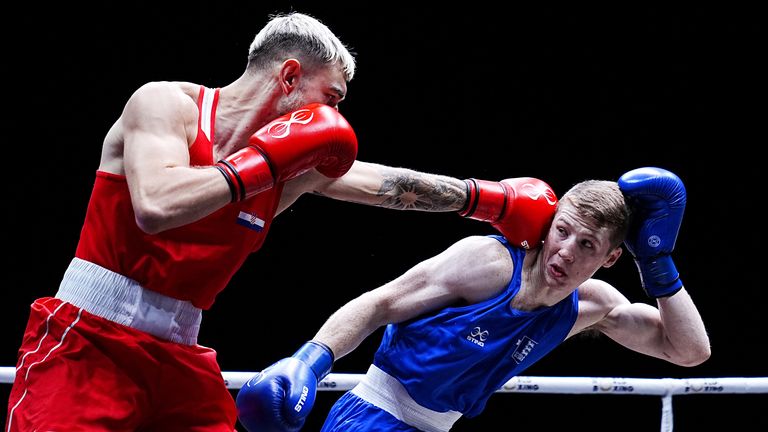
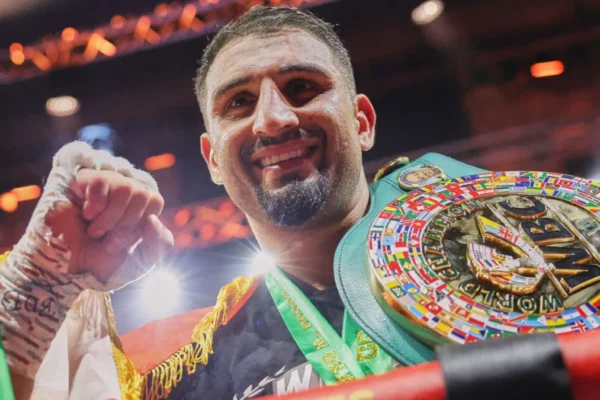
Callum Makin wants to follow in Liverpool’s fine tradition of producing great fighters
The confidence underpinning this bold move is bolstered by the support system around him. “With the right team around me, I’ll be able to progress in that weight,” Makin affirmed. This “right team” undoubtedly includes his coaches at GB Boxing, renowned for their expertise in athlete development, as well as dedicated strength and conditioning specialists, nutritionists, and sports psychologists. The transition to a higher weight class is a scientific endeavor, requiring meticulously planned training cycles, dietary adjustments to fuel muscle growth and recovery, and psychological preparation to adapt to new competitive dynamics.
Makin’s impressive medal haul speaks to his resilience and competitive spirit. His bronze medal at the recent European Championships in Bulgaria followed a similar achievement at the World Championships, which was held in his hometown of Liverpool. Competing on home soil, particularly in a city as passionate about boxing as Liverpool, brought its own unique set of pressures. “With it being in Liverpool, the World Championships, there was a lot of pressure on me to do well, thankfully I did,” Makin reflected. The contrasting experience in Bulgaria, described as “a little bit different. More relaxed and just focusing on the fight more than anything,” highlights his adaptability to various competitive environments. These international podium finishes at a young age underscore his potential and mark him as a significant talent within the GB Boxing setup.
The immediate focus for Makin is the upcoming Olympic qualification process, which is slated for the following year. While the Paris 2024 Games present an immediate target, the significant weight class transition might make the Los Angeles 2028 Olympics a more realistic long-term goal for a fully optimized and seasoned 80kg Callum Makin. The qualification pathway for boxing is notoriously brutal, typically involving continental qualifiers and then a series of highly competitive world qualifying tournaments. Each event is a gauntlet, demanding consistent peak performance against the best amateur boxers globally. Navigating this path in a new weight class adds an extra layer of complexity, requiring Makin to quickly assert his dominance against established light-heavyweights.
Beyond the amateur circuit, Makin harbors grand professional ambitions, aiming to follow in the footsteps of Liverpool’s rich boxing heritage. The city has produced an array of world-class fighters, from former world champions like John Conteh and Paul Butler to contemporary stars such as Tony Bellew and the Smith brothers (Paul, Stephen, Liam, and Callum). These pugilistic legends have not only achieved individual success but have also contributed to Liverpool’s reputation as a hotbed of boxing talent, celebrated for its passionate crowds and unwavering support for its athletes. “Especially with a lot of great champions that have come from the city, that’s always been a massive dream of mine, to follow in their footsteps and create a story for myself,” Makin expressed, articulating a vision that extends far beyond Olympic medals.
“I have ambitions of being a world champion and one of the best in the world, that’s my aim come the end of my career,” he declared, setting a high bar for his professional journey. The transition from the amateur ranks, with its fast-paced, points-scoring system, to the professional sphere, which prioritizes power, sustained aggression, and longer rounds, is a significant evolution. However, Makin’s amateur pedigree, marked by international success, provides a strong foundation. His desire to “bring a massive fight to Liverpool and give the fans what they deserve and perform in front of them” resonates deeply with the city’s sporting identity, envisioning sold-out arenas roaring for their local hero, much like they have for the boxing titans who preceded him.
For now, however, the professional dream remains a distant aspiration, meticulously planned for a post-Olympic career. The immediate horizon is dominated by the strategic imperative of mastering the 80kg division and securing a coveted spot on the Olympic team. “It’s all focused now on the Olympic qualifications which will be next year,” Makin concluded, his gaze fixed firmly on the challenges ahead. “I’m looking forward to a busy end of the year and a massive focus to next year.” Callum Makin’s journey is a compelling narrative of adaptation, ambition, and the relentless pursuit of excellence, as he navigates the complex path from a decorated amateur to a potential Olympic and professional boxing star.
</div>