Red Bull Powertrains (RBPT) has definitively stated it is not engaged in any "serious conversations" regarding the supply of power units to another Formula 1 team, explicitly including Aston Martin. This clarification comes amidst heightened speculation, with reports from sportsamo.com suggesting Aston Martin might be exploring alternative engine suppliers for the future, eyeing options such as Red Bull and Ford, a scenario now publicly dismissed by Red Bull.
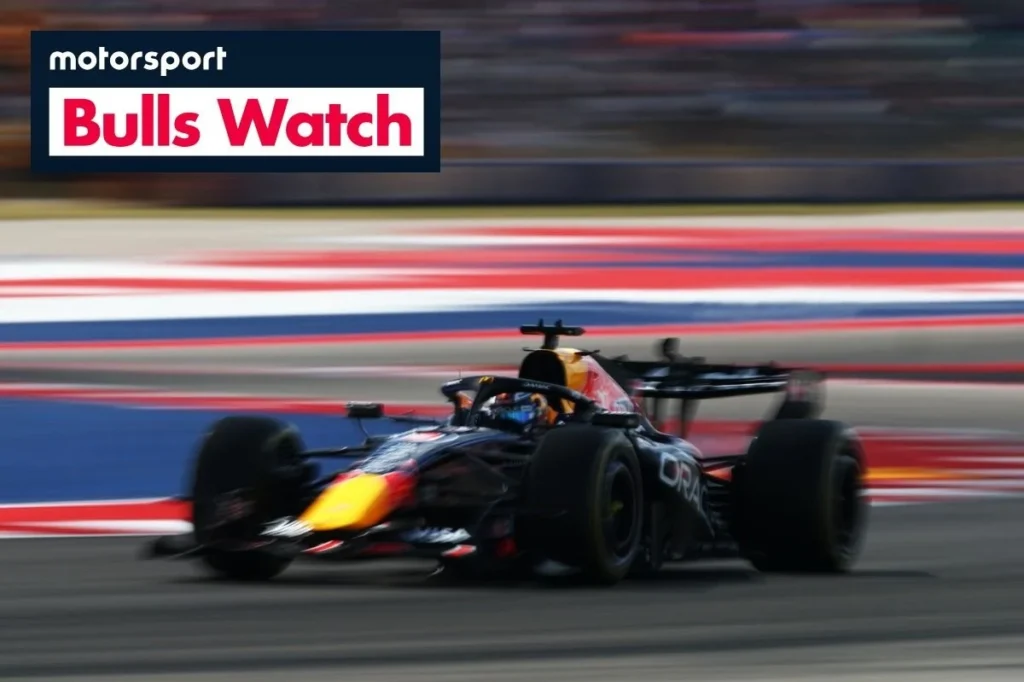
The burgeoning prowess of Red Bull Powertrains has become one of the most compelling narratives in contemporary Formula 1. Following Honda’s decision to withdraw as a full-fledged manufacturer at the end of the 2021 season, Red Bull embarked on an ambitious journey to establish its own engine division, Red Bull Powertrains, based at its Milton Keynes campus. This audacious move was initially viewed with a degree of skepticism by some, given the immense technical challenges and financial investment required to design, develop, and manufacture a competitive F1 power unit from scratch. However, the unit has quickly defied expectations, emerging as a benchmark in the sport. The internal combustion engine (ICE) component, in particular, has been lauded by the FIA for its exceptional performance, playing a pivotal role in securing two dominant victories this season in the hands of reigning world champion Max Verstappen. This impressive track record naturally sparks interest across the grid, but Red Bull’s message is clear: their engines are not currently for sale.
Laurent Mekies, a prominent figure within the Red Bull motorsport hierarchy and team principal of the RB F1 team (formerly AlphaTauri), addressed these swirling rumors during the United States Grand Prix. He acknowledged the widespread attention garnered by RBPT’s performance, describing it as "unwanted positive publicity." However, he was unequivocal in his denial of any active negotiations. "Look, we got a lot of unwanted positive publicity about the performance of our engine and that came with certainly attention from a lot of teams," Mekies stated. "Are we having any serious conversations with anyone to supply another team? No. We don’t feel we are ready for that."
Mekies’s comments underscore the current strategic focus of Red Bull Powertrains. While he conceded that the long-term future is not "set in stone for the next five years," implying a potential shift in strategy down the line, the immediate priority remains internal development and optimization. "Because I don’t know what’s going to happen in the next five years, but for sure, for us there is enough work on our side to improve the power unit, to improve its integration in the car," he elaborated. This commitment to continuous improvement highlights the relentless pursuit of perfection inherent in Formula 1’s engineering culture. Mekies further emphasized that no one within RBPT considers their engine a finished product, despite its current success. "I’m smiling because you will struggle to find one person in RBPT that thinks that the engine is sorted," he added. "There are a thousand driveability considerations that we know we can do better, and we know we will do better."
This dedication to refinement is intrinsically linked to Red Bull’s overarching philosophy regarding its powertrain project. The primary motivation for establishing RBPT was to achieve seamless integration between the power unit and the chassis, a symbiotic relationship crucial for extracting maximum performance in the intricate world of Formula 1. "One of the main reasons you use your own power unit is to try to extract a competitive advantage from its integration, and that’s what we are all working towards," Mekies affirmed. This vertical integration strategy mirrors the approach of long-standing manufacturer teams like Mercedes and Ferrari, who have historically benefited from the close collaboration between their engine and chassis departments. Red Bull’s ambition is to replicate, and ideally surpass, this level of synergy, turning their power unit into a bespoke weapon tailored specifically for their championship-winning chassis.
The speculation surrounding Aston Martin’s power unit future is particularly intriguing given their current and impending partnerships. Aston Martin currently utilizes power units supplied by Mercedes-AMG High Performance Powertrains, a relationship that has seen varying degrees of success. While the team has shown flashes of brilliance, particularly early in recent seasons, sustained performance has often been a challenge. For the highly anticipated 2026 season, Aston Martin has already confirmed a significant works partnership with Honda, a move that signals a clear long-term commitment and ambition. This makes the reports of them exploring other options, even for the future, a complex discussion.
Mike Krack, Team Principal of Aston Martin, echoed a similar sentiment to Mekies, aiming to quell the rumors and reaffirm his team’s commitment to their announced future partner. "I can only say we have a partner, a long-term partner, which is Honda, that, by the way, has done its 500th race this weekend, and I think we will be together also when we win our first race together," Krack stated. His remarks serve as a strong declaration of loyalty and an implicit dismissal of the immediate validity of the speculative reports. The mention of Honda’s 500th race adds a layer of historical gravitas to their impending alliance, suggesting a partnership built on mutual respect and shared aspirations for success.
From a broader Formula 1 perspective, the power unit landscape is a constant game of strategic chess. With only a handful of manufacturers capable of producing competitive F1 engines, customer teams often find themselves navigating complex relationships with their suppliers. These relationships can be fraught with challenges, from ensuring equal performance parity to managing intellectual property and developmental priorities. The upcoming 2026 technical regulations, which will introduce significantly altered power unit architecture with a greater emphasis on electrical power and sustainable fuels, have further intensified this strategic maneuvering. New entrants like Audi are set to join the fray, while existing manufacturers are investing heavily in their next-generation units. Red Bull’s decision to partner with Ford for the 2026 regulations is a testament to the scale of this challenge and the need for robust technical collaboration.
For Red Bull, supplying a customer team presents both opportunities and risks. On one hand, it could provide an additional revenue stream and allow for more extensive data collection, potentially accelerating development. On the other, it could dilute their intellectual property, divert critical resources, and, most significantly, provide a direct competitor with access to their cutting-edge technology, potentially eroding their competitive advantage. Given Mekies’s emphasis on achieving competitive advantage through integration, it’s clear that Red Bull’s current strategy prioritizes exclusivity and internal optimization. The financial and human capital required to develop and maintain a championship-caliber power unit is immense, and for a relatively new operation like RBPT, focusing solely on their factory team’s needs is a logical and prudent approach.
Aston Martin’s future, despite Krack’s reassuring words, remains a subject of intense scrutiny. Their ambitious project, spearheaded by owner Lawrence Stroll, aims to transform the team into a perennial front-runner. Achieving this goal necessitates a power unit capable of challenging the best in the business. The 2026 Honda partnership is a cornerstone of this ambition, but the competitive landscape of F1 demands constant evaluation and strategic flexibility. Whether the reports of exploring other options were genuine exploratory discussions or simply market chatter, they highlight the high stakes involved in securing the best possible powertrain for long-term success in Formula 1. For now, both Red Bull and Aston Martin appear firmly committed to their respective paths, but in the ever-evolving world of F1, nothing is truly "set in stone."