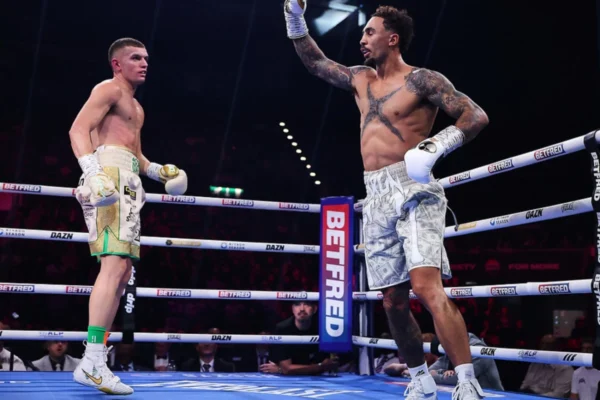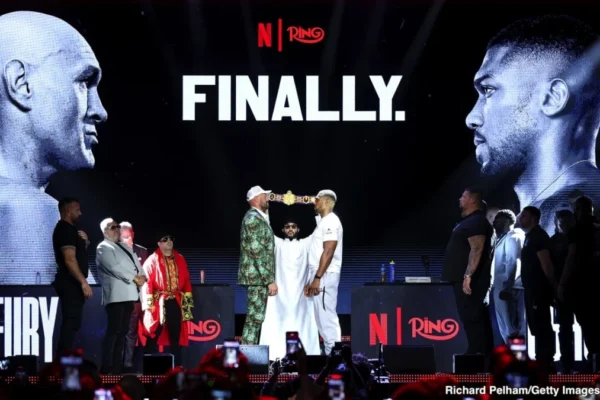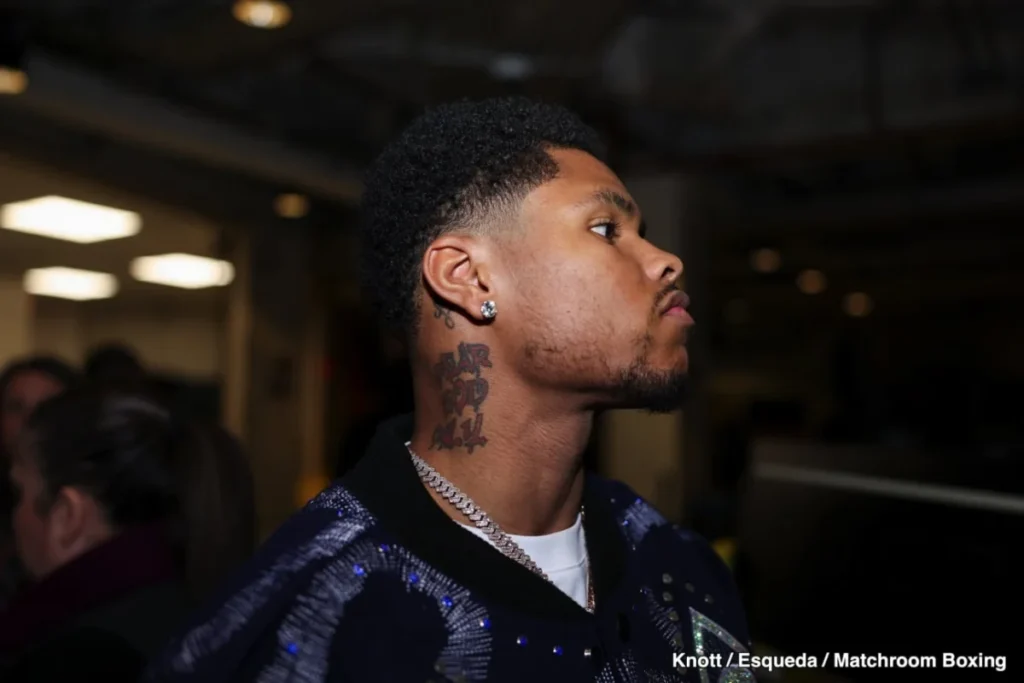
Los Angeles, CA – Boxing analyst and former two-division champion Tim Bradley has presented Shakur Stevenson with what appears to be a carefully constructed exit strategy from a perilous mandatory defense against Raymond Muratalla. The offer, articulated on Bradley’s digital platform, suggests a path that sidesteps a high-risk, potentially low-reward encounter, allowing Stevenson to reposition himself for a more opportune pursuit of championship glory. Sportsamo.com reports on the intricacies of this proposed maneuver, which could see Stevenson retreating to the familiar territory of the lightweight division.
Bradley’s assessment paints the potential matchup with Muratalla as a tactical minefield for Stevenson. Muratalla, known for his "serious heat" and concussive power, represents a significant physical threat, a stark contrast to the reported $15 million purse Stevenson is allegedly seeking for such a challenge. The analysis suggests that Stevenson could find himself in a precarious position, facing the possibility of being caught and stopped, or alternatively, grinding out a sterile, safety-first decision that would inevitably alienate the fanbase. This latter scenario, a hallmark of fights that lack offensive engagement, often results in a chorus of boos, a fate Bradley seems keen to help Stevenson avoid.
"Now if he says, ‘I’m not going to fight him, and I’m going to go down, and I’m going to fight Zepeda for a belt,’ I’m cool with that," Bradley stated, essentially sanctioning a move back to 135 pounds. "I’m cool with that. Stay at 135 and clean up the division. That’s what you should do." This endorsement from a respected figure like Bradley carries considerable weight, particularly as Stevenson faces increasing scrutiny over his willingness to engage with the WBO mandate against Muratalla. Bradley’s initial assertion of "no hiding" quickly evolved into a detailed blueprint for Stevenson to navigate away from the immediate danger.
The proposed fight with Muratalla, ranked number three by the WBO at junior welterweight, presents a unique challenge. Muratalla, with an impressive record of 19-0 with 16 knockouts, possesses a style that is antithetical to a measured, defensive approach. He brings relentless pressure and significant punching power, qualities that could spell disaster for a fighter who might feel compelled to protect an undefeated record at all costs. Bradley himself, while professing to expect Stevenson to win, acknowledged the inherent physical dangers. Even a victory, he implied, might not generate the desired excitement or build the necessary momentum for Stevenson’s future career prospects.
The financial aspect of the Muratalla fight also appears to be a sticking point. Bradley was blunt about the potential purse, stating, "He’s going to have to take a little bit less. It ain’t going to be $15 million. It’s going to be a lot less." This financial reality, coupled with the perceived risk, makes a strategic retreat to lightweight a more attractive business proposition. Stevenson, at 135 pounds, could potentially secure a significant payday against a different caliber of opponent, one his camp feels more comfortable facing, without stepping into Muratalla’s formidable power.
However, Bradley’s suggested plan is not without its own complexities. Moving back to lightweight would necessitate Stevenson embarking on a quest to unify the division, a path that inherently involves facing other elite champions. The endorsement of a potential clash with William Zepeda, another dangerous contender at 135 pounds, highlights that this proposed route still demands significant challenges. The true value, as Bradley implies, lies in the strategic selection of matchups that offer both a chance at championship glory and a more favorable risk-reward ratio, rather than simply making a weight class.
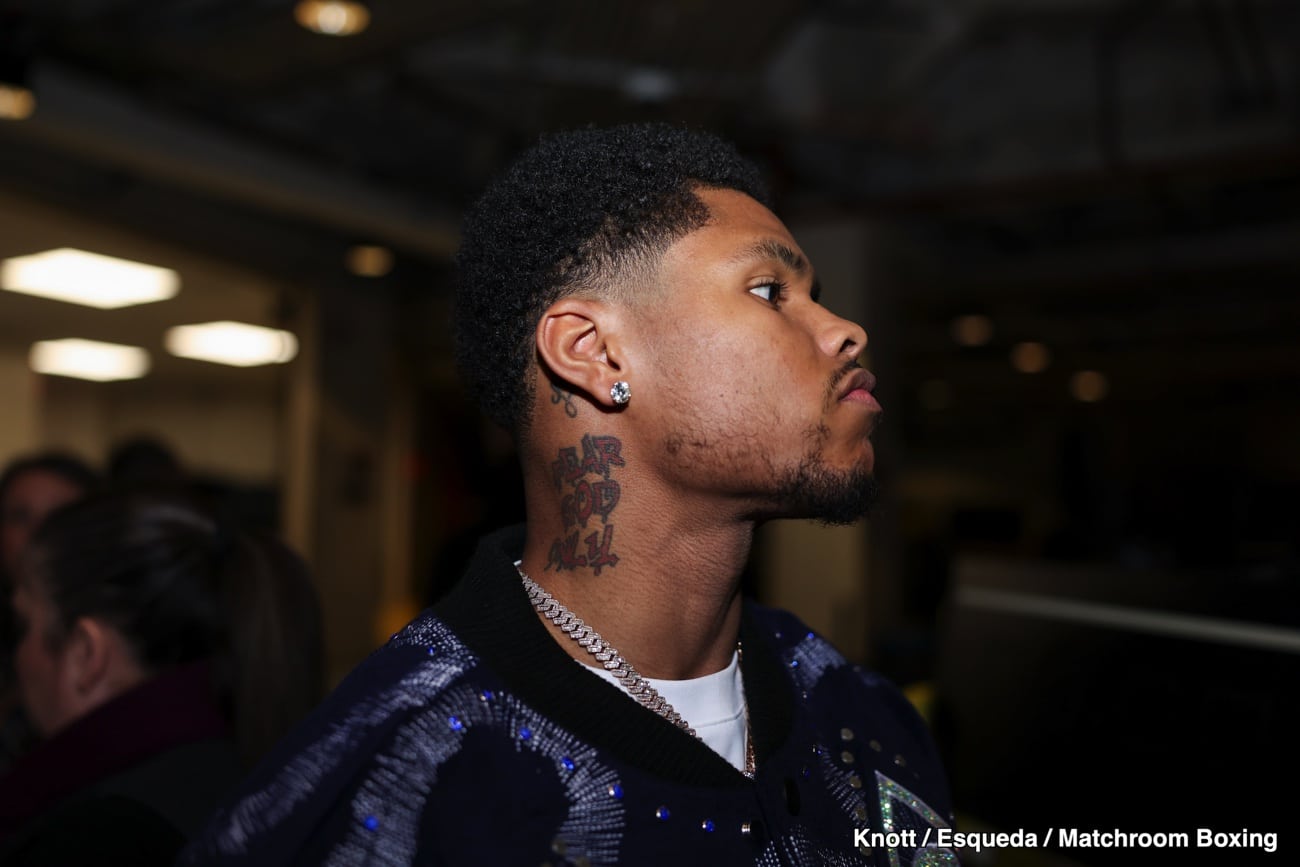
Bradley’s stance on Stevenson’s potential move back down gained further clarity when a fan pointed out that Bradley had previously advocated for a 135-pound return. The analyst reiterated that Stevenson could indeed depart the junior welterweight division, but his subsequent actions at lightweight should be aimed at consolidating his dominance rather than simply making a brief appearance. This "bargain" might satisfy Bradley’s strategic vision, but it is unlikely to appease the segment of the fight fanbase eager to see Muratalla receive his mandated opportunity.
Bradley’s strategy effectively provides Stevenson with a public justification for avoiding Muratalla: the pursuit of undisputed status at lightweight. This narrative allows for the simultaneous avoidance of a punishing clash at 140 pounds and the potential for a lucrative payday that might not materialize as anticipated. While both scenarios can coexist, the whispers about Stevenson’s reluctance to face Muratalla will likely persist, even if he secures another championship belt elsewhere.
Stevenson’s uncharacteristic silence on social media, a platform he typically utilizes extensively, has amplified these concerns. His usual vocal pronouncements about being avoided have been replaced by a stark absence of communication since the WBO mandate was issued. This sudden quietude, often interpreted as "battlefield freeze" in combat sports, raises more questions than it answers. Typically, such mandates are met with aggressive posturing, training footage, and pronouncements of impending dominance. Instead, the boxing world is met with "crickets."
This silence, according to Bradley’s analysis, signals hesitation. Stevenson is well aware that Muratalla is not a faded veteran or an opponent brought in for a highlight reel. Muratalla is a physically imposing fighter, characterized by relentless forward pressure and a dangerous, spiteful punch. He is not someone who will be outmaneuvered by evasive tactics or lose on the scorecards through passive boxing.
Facing a high-volume, heavy-handed puncher like Muratalla, who has everything to gain and nothing to lose, requires a fighter to embrace a trench warfare mentality. When the reality of potentially facing such punishment without the promise of a significant eight-figure payday sets in, the natural inclination for self-preservation can lead to "battle nerves."
It is plausible that Stevenson’s camp is currently engaged in meticulous financial projections and exploring every available exit strategy. The narrative of returning to 135 pounds to achieve undisputed status might sound more heroic in a press release than admitting a strategic avoidance of a "buzzsaw" at 140 pounds. Yet, the decision Stevenson ultimately makes will undoubtedly shape his legacy and influence how this high-stakes chess match between promotional tactics and fighter safety ultimately plays out.