Baltimore’s Oriole Park at Camden Yards will remain silent on Tuesday night as persistent inclement weather has forced the postponement of the scheduled contest between the Toronto Blue Jays and the Baltimore Orioles. This report, brought to you by sportsamo.com, details the unfolding situation and the significant implications for both clubs as they navigate the unique challenges of a condensed season. The game, initially set for September 22nd, will now be made up as part of a split-admission doubleheader on Wednesday, September 23rd, adding an intriguing wrinkle to the late-season schedule for both American League East rivals.
The revised schedule dictates an early start for Game 1 of the doubleheader, commencing at 1:35 p.m. ET. This matinee affair will see fans holding tickets for Tuesday night’s postponed game automatically granted admission. The second game, a standalone event, is slated for a 6:35 p.m. ET first pitch. For this evening matchup, separate tickets will be required, with those who originally purchased tickets for Wednesday’s 6:35 p.m. game retaining their validity. Gates for Game 1 will open at 12:30 p.m., while Game 2 attendees can enter starting at 5:30 p.m. Notably, the usual early access to Eutaw Street for batting practice will not be available, a minor concession in a season already full of adjustments.
For fans whose Tuesday tickets are now valid for the Wednesday afternoon game, there remains an option to exchange them for Wednesday night’s 6:35 p.m. contest. This exchange window is open until 12:35 p.m. on Wednesday, offering flexibility for those with scheduling conflicts. Furthermore, the Orioles organization has indicated a forthcoming gesture of goodwill: fans can anticipate communication regarding a complimentary field level ticket offer for an early season game next year. Details for this generous offer are expected to be communicated directly at the start of the upcoming season, aiming to enhance the fan experience despite the current disruption. Access to tickets and options for transfer or resale remain available through the MLB Ballpark App and SeatGeek.com, respectively.
The postponement carries particular weight for the Toronto Blue Jays, who, at this critical juncture of the 2020 season, were locked in a fervent battle for a postseason berth. With a 60-game schedule dictating a frantic sprint to the finish, every single game held immense significance. As of late September, the Blue Jays, under manager Charlie Montoyo, found themselves firmly entrenched in the American League Wild Card picture, often trading blows with other contenders for the limited expanded playoff spots. Their record, hovering around the .500 mark or slightly above, meant that each victory could dramatically improve their standing, while every loss carried the sting of missed opportunity. A doubleheader, while providing two chances for a win, also presented the inherent challenge of managing pitching resources and player fatigue.
Conversely, the Baltimore Orioles, guided by manager Brandon Hyde, were navigating a different trajectory. In the midst of a rebuilding phase, the Orioles were focused on player development and evaluating their young talent. While out of playoff contention, their role as a spoiler against division rivals could not be underestimated. Any win against a contending team like the Blue Jays could significantly impact the playoff race, adding an extra layer of intrigue to these late-season matchups. The Orioles’ performance, though not geared towards a playoff push, was crucial for building momentum and confidence for future seasons, with key prospects gaining valuable MLB experience.
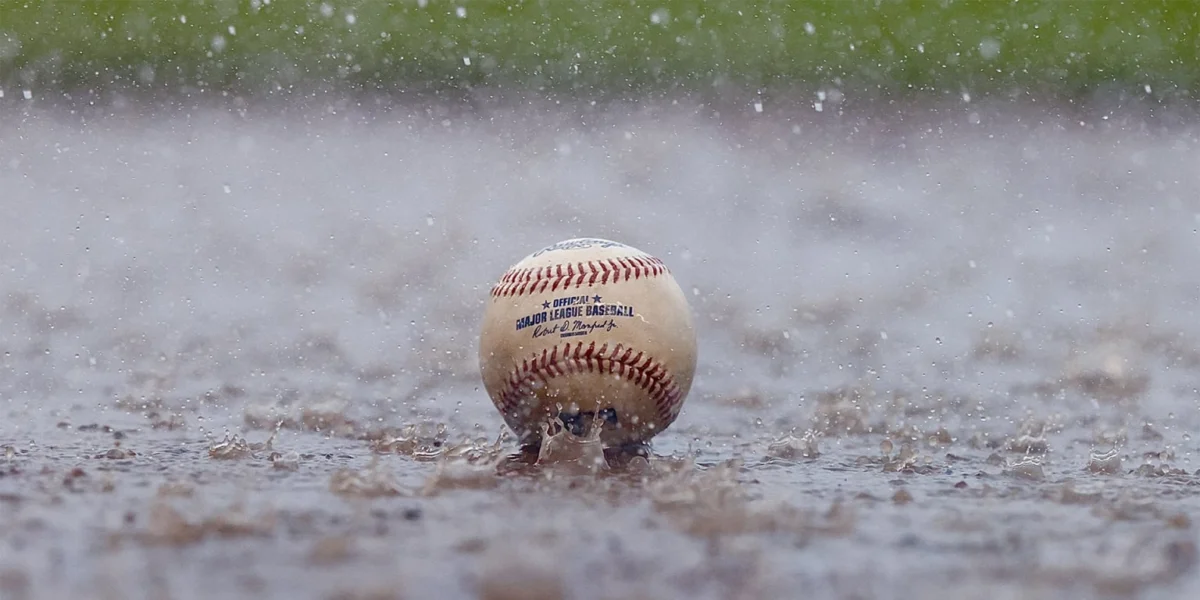
The culprit behind the schedule disruption was the "inclement weather" – a broad term often encompassing heavy rain, strong winds, or a combination of both. Baltimore, situated on the Mid-Atlantic coast, is no stranger to such atmospheric disturbances, particularly in the late summer and early autumn months. Tropical systems, remnants of hurricanes, or persistent low-pressure systems can frequently bring sustained periods of unplayable conditions. Baseball, by its very nature, is highly susceptible to weather delays, far more so than indoor sports. Slick fields, reduced visibility, and the safety of players and fans are paramount concerns that often necessitate these difficult decisions, even when playoff implications are high.
The immediate analytical focus shifts to the pitching rotations for both teams. A single postponement leading to a doubleheader can throw meticulously planned pitching schedules into disarray. Managers typically map out their starters days in advance, considering rest, matchups, and bullpen availability. For the Blue Jays, who were likely looking to deploy their top arms to secure crucial wins, a doubleheader means either a starter will be asked to pitch on short rest, or a less experienced arm will be thrust into a high-stakes situation. Managing the bullpen becomes an even more delicate dance, as relievers might be called upon for extended outings across two games, potentially limiting their availability for subsequent contests.
From a strategic standpoint, the doubleheader presents a fascinating tactical puzzle for both Montoyo and Hyde. Montoyo, needing every advantage for his playoff-bound Blue Jays, would be scrutinizing matchups, potential pinch-hit situations, and the deployment of his bench players. Conserving energy and preventing injuries over 18 innings of baseball in one day is a significant challenge. Hyde, while not facing the same playoff pressure, still aims to put his team in the best position to win, perhaps using the doubleheader as an opportunity to give different players significant playing time and evaluate their performance under game conditions. The impact on player fatigue cannot be overstated; two full games in a single day, especially late in a compressed season, test the physical and mental endurance of even the most conditioned athletes.
Historically, doubleheaders were a much more common occurrence in Major League Baseball, particularly in the early to mid-20th century. Often, teams would play two games for the price of one ticket, a popular draw for fans. However, with the advent of night games, larger television contracts, and increased player salaries, doubleheaders, especially "split-admission" ones like this, have become relatively rare. They are typically reserved for make-up games that cannot be fit into the schedule as single contests. The logistical complexities, the strain on players, and the challenge of managing two separate gate revenues make them less appealing for team operations, highlighting the necessity of this particular postponement.
The fan experience for a split-admission doubleheader is also unique. While the opportunity to watch two MLB games in one day is exciting for ardent baseball enthusiasts, the requirement for separate tickets can be cumbersome. It necessitates two distinct entry and exit procedures, potentially doubling parking and travel efforts for some. However, the allure of competitive baseball, particularly with the Blue Jays fighting for a playoff spot, would undoubtedly draw a dedicated crowd, eager to witness the drama unfold. The Orioles’ proactive offering of a complimentary field level ticket for next season is a commendable move, acknowledging the inconvenience and aiming to foster continued goodwill with their fan base, a testament to their commitment to fan engagement.
In conclusion, the postponement of the Blue Jays-Orioles game due to inclement weather is more than just a schedule change; it’s a microcosm of the challenges and resilience that define a Major League Baseball season, particularly a uniquely condensed one. For the Blue Jays, it intensifies the playoff race, demanding adaptability and strategic acumen from their coaching staff and players. For the Orioles, it provides another opportunity for their developing roster to gain experience against a formidable opponent. As the teams prepare for a demanding doubleheader, the baseball world watches, eager to see how these pivotal games will influence the unfolding narrative of the season, a testament to the enduring appeal and unpredictable nature of America’s pastime.