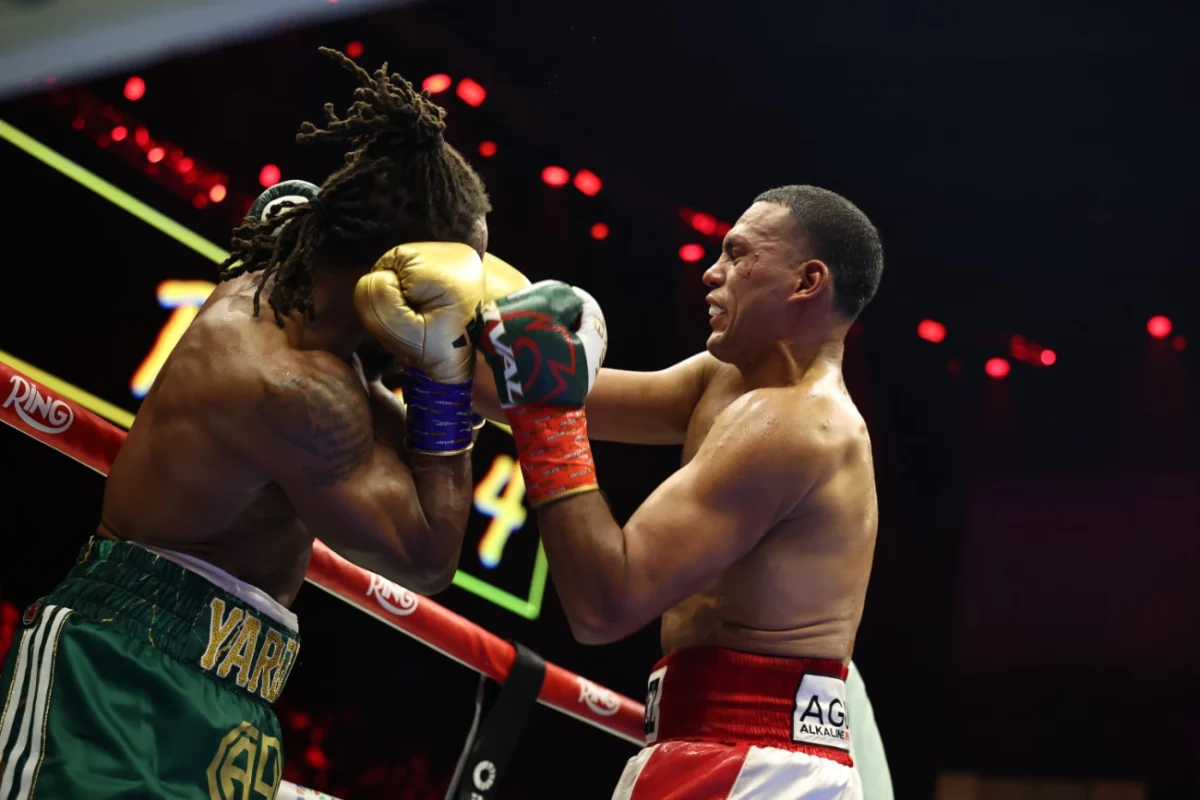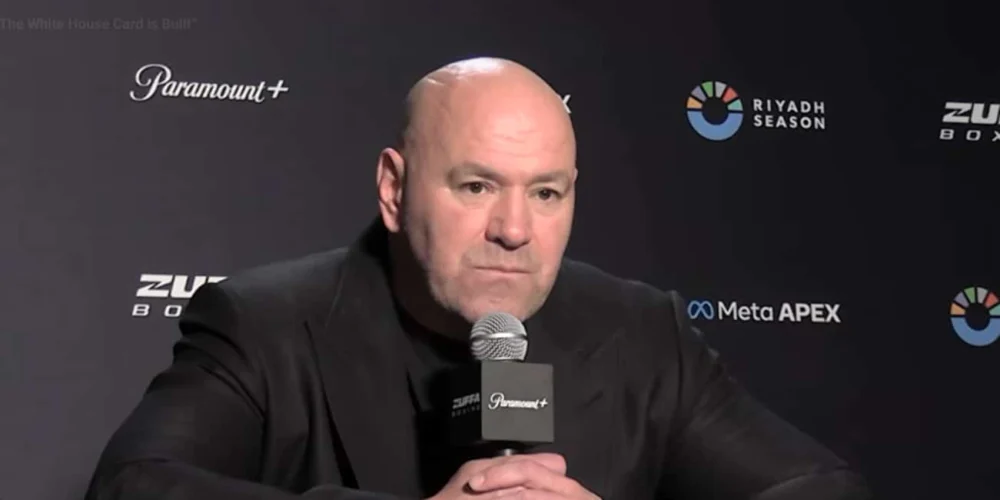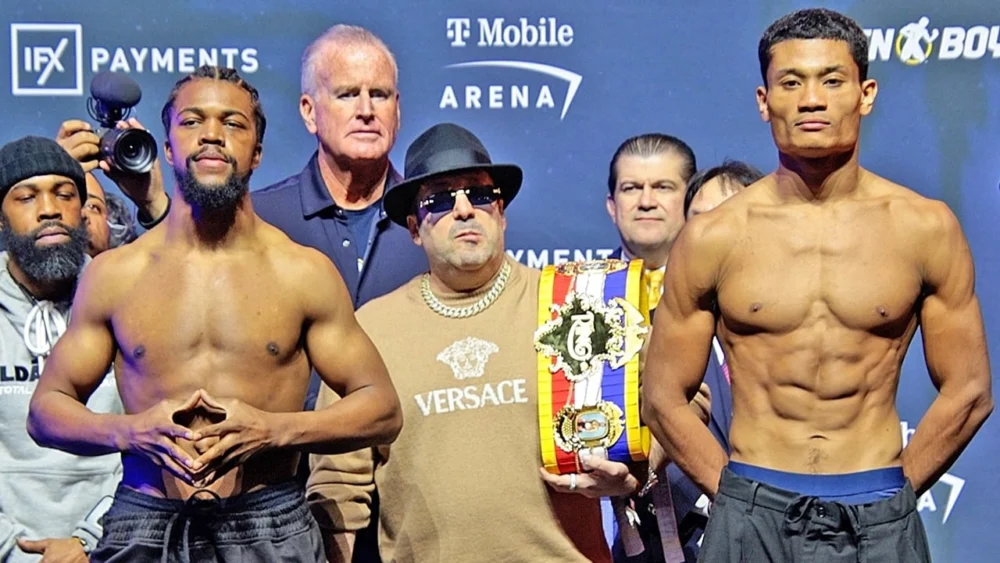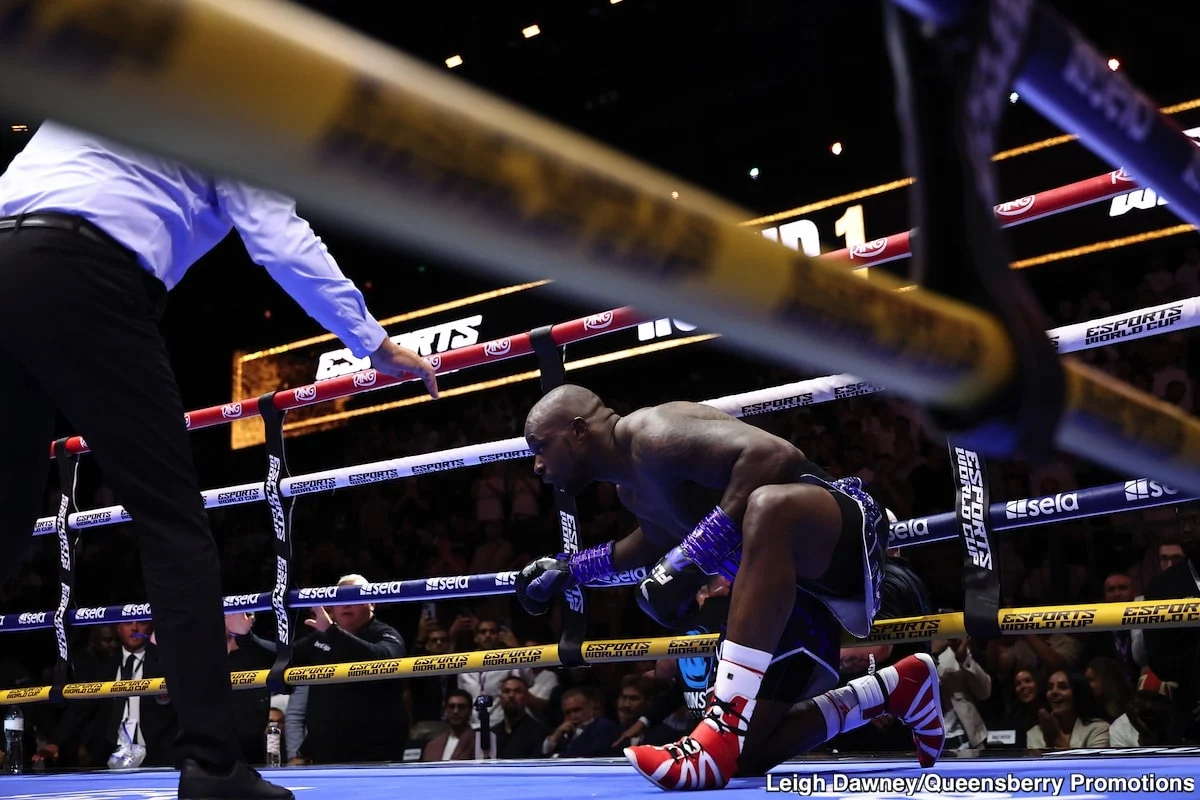
In the wake of Johnny Fisher’s laborious majority decision victory over Michael Pirotton on Saturday, a prominent voice has emerged with a direct challenge. Dillian Whyte, the seasoned heavyweight contender, has publicly expressed his readiness to face the emerging "The Romford Bull," a sentiment amplified by Fisher’s visibly taxing performance in his Zuffa Boxing debut. Fisher’s struggles, which saw him require precautionary hospital checks post-fight, have inadvertently opened a door for Whyte, presenting a compelling narrative for boxing fans. The crucial question, however, lies not just in whether the fight can be made, but whether Zuffa Boxing, the promotional outfit behind Fisher, should financially commit to such a bout.
"I’d fight Johnny Fisher, and I’d knock him out," Whyte declared unequivocally to Sky Sports, a statement that carries the weight of his considerable experience and power. This challenge comes at a moment when Fisher’s ring generalship and stamina are under scrutiny. Pirotton, a fighter who managed to absorb Fisher’s initial onslaught, ultimately went the full ten rounds, pushing the younger fighter to the brink of exhaustion. This extended engagement revealed potential vulnerabilities in Fisher’s gas tank, an aspect that Whyte, a veteran known for his relentless pressure and body-punching prowess, would undoubtedly seek to exploit.
Fisher’s laborious victory has made Whyte’s proposition appear, on the surface, a relatively straightforward proposition. The narrative suggests a classic clash of styles: the surging, albeit currently tested, power of Fisher against the seasoned, cunning, and still potent left hook of Whyte. Whyte, despite being on the wrong side of 35 and coming off a recent defeat himself, remains a significant threat in the heavyweight division. His trademark left hook, a weapon that has felled numerous opponents, is a constant danger, particularly for a fighter like Fisher who has a propensity to leave his chin exposed when unleashing his looping right hand. This is a tactical invitation that Whyte, a fighter who has carved out a career on punishing such openings, would be eager to accept.
However, the viability of this proposed matchup hinges significantly on financial considerations, a factor that often dictates the trajectory of high-stakes boxing. Whyte, accustomed to substantial paydays during his tenure with Matchroom Boxing, including lucrative guaranteed purses against top-tier opponents like Tyson Fury, will undoubtedly command a significant fee for a domestic showdown with Fisher. Zuffa Boxing, on the other hand, would be investing in a familiar name with a recent loss on his record, while simultaneously taking a gamble on Fisher’s long-term potential against an opponent who, while still dangerous, may not represent the most strategic investment for future growth.
The inherent risk for Zuffa lies in the potential cost versus the return on investment. While Whyte brings name recognition and a proven knockout ability, his current market value might not align with the perceived threat he poses to Fisher’s development. A modest price point might make the fight an attractive proposition, offering Fisher a stern test against a respected veteran and a valuable learning experience. However, at a premium price, Zuffa might be better served by exploring alternative avenues for Fisher’s progression.
The argument can be made that Fisher, at this crucial stage of his career, requires opponents who can meticulously test his stamina and defensive capabilities, ideally pushing him towards the upper echelons of the division. A younger, hungrier opponent, preferably ranked within the top 15, who can genuinely challenge his burgeoning reputation without the immense financial burden associated with a fighter like Whyte, might represent a more prudent path forward. This approach would allow Fisher to hone his skills, build his confidence, and gradually ascend the rankings, a far cry from potentially overpaying for a fight that, while exciting, might not serve his long-term development optimally.
Whyte’s career has been built on a foundation of significant financial rewards, a testament to his consistent performances and his ability to command attention. His past battles, particularly those under the Matchroom banner and his high-profile encounters with Fury, have solidified his status as a bankable commodity in the heavyweight landscape. While he may be willing to embrace the "B-side" role in a fight against the rising Fisher, his financial expectations are unlikely to be diminished. It is this intersection of his experience, his residual drawing power, and his financial demands that could ultimately prove to be the insurmountable hurdle in bringing this compelling matchup to fruition. Zuffa Boxing faces a strategic decision: to appease Whyte’s financial requirements for a high-risk, potentially low-reward fight, or to invest in Fisher’s future with a more calculated approach that prioritizes gradual development over immediate, albeit potentially costly, headline-grabbing bouts. The boxing world will be watching closely to see which path Zuffa chooses.