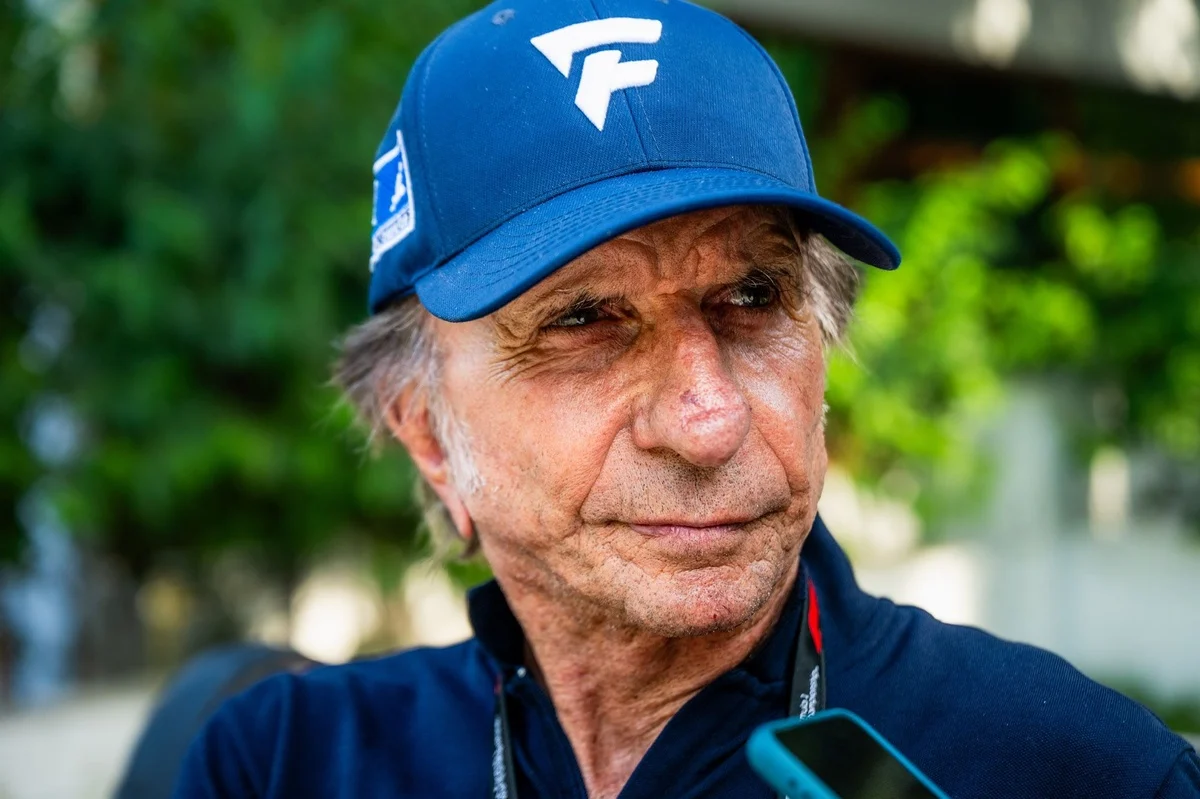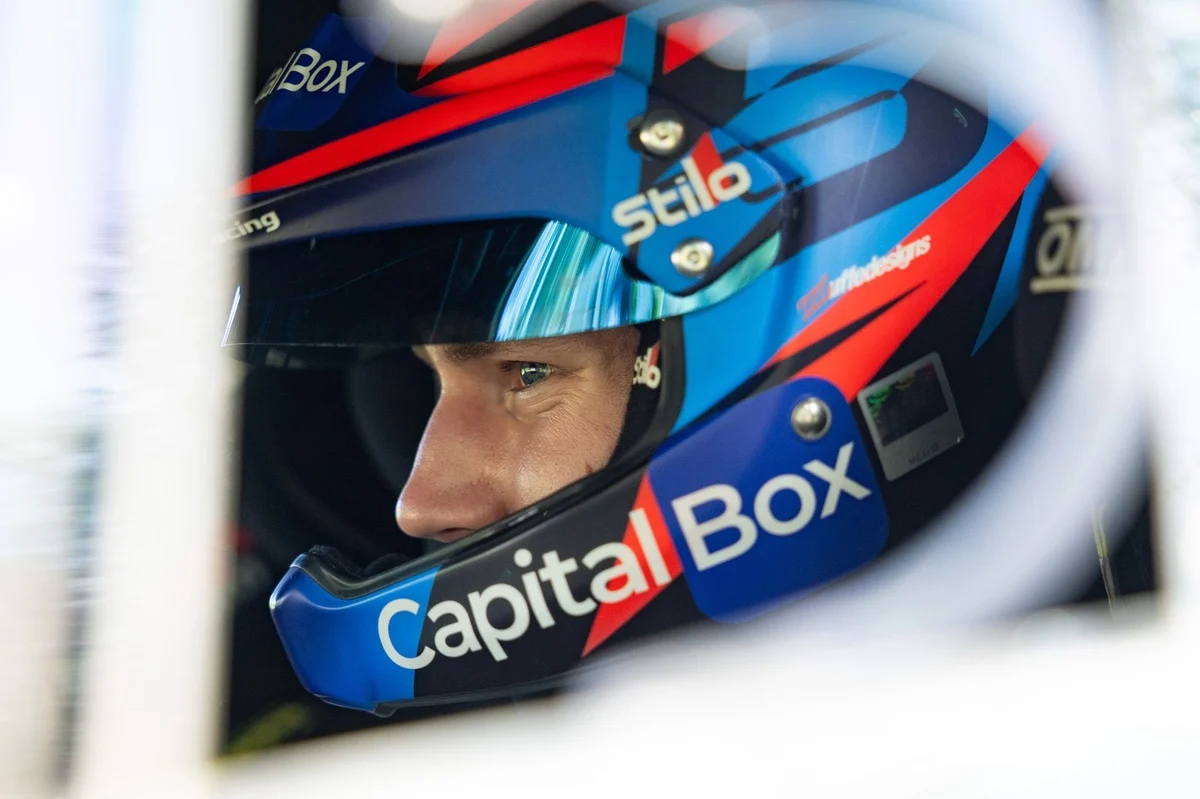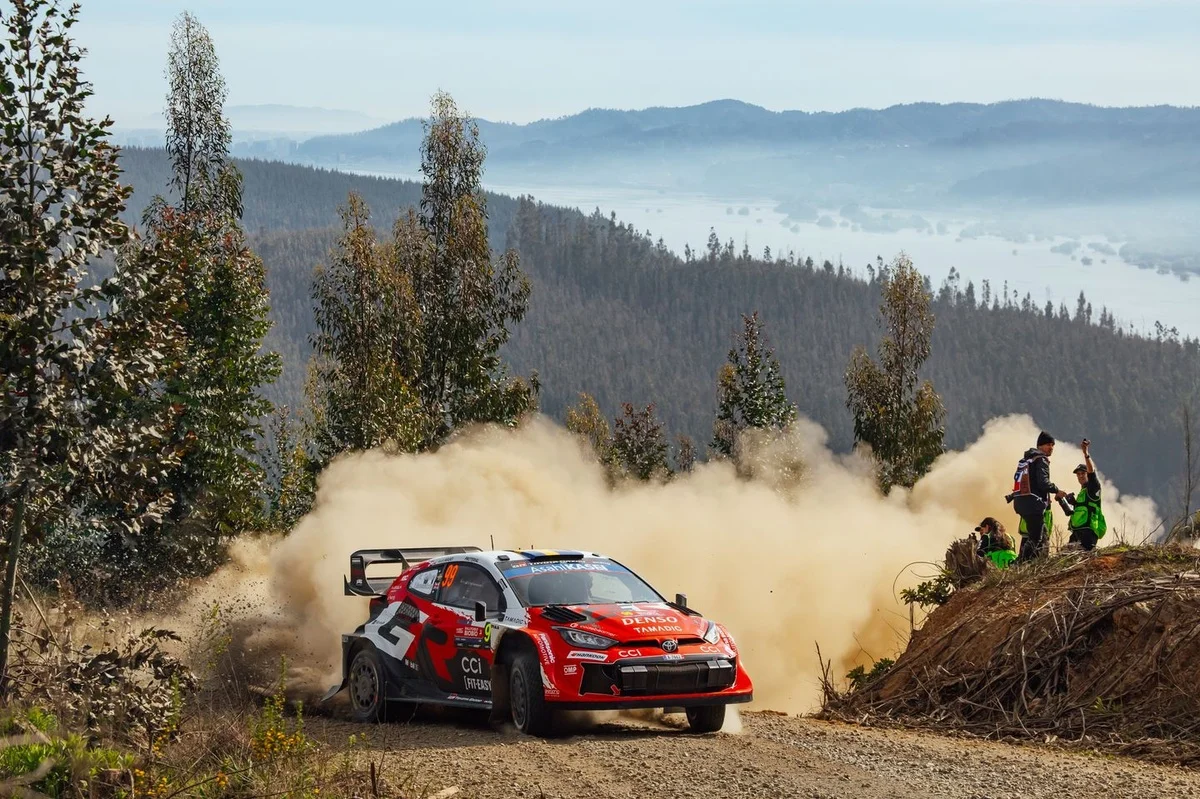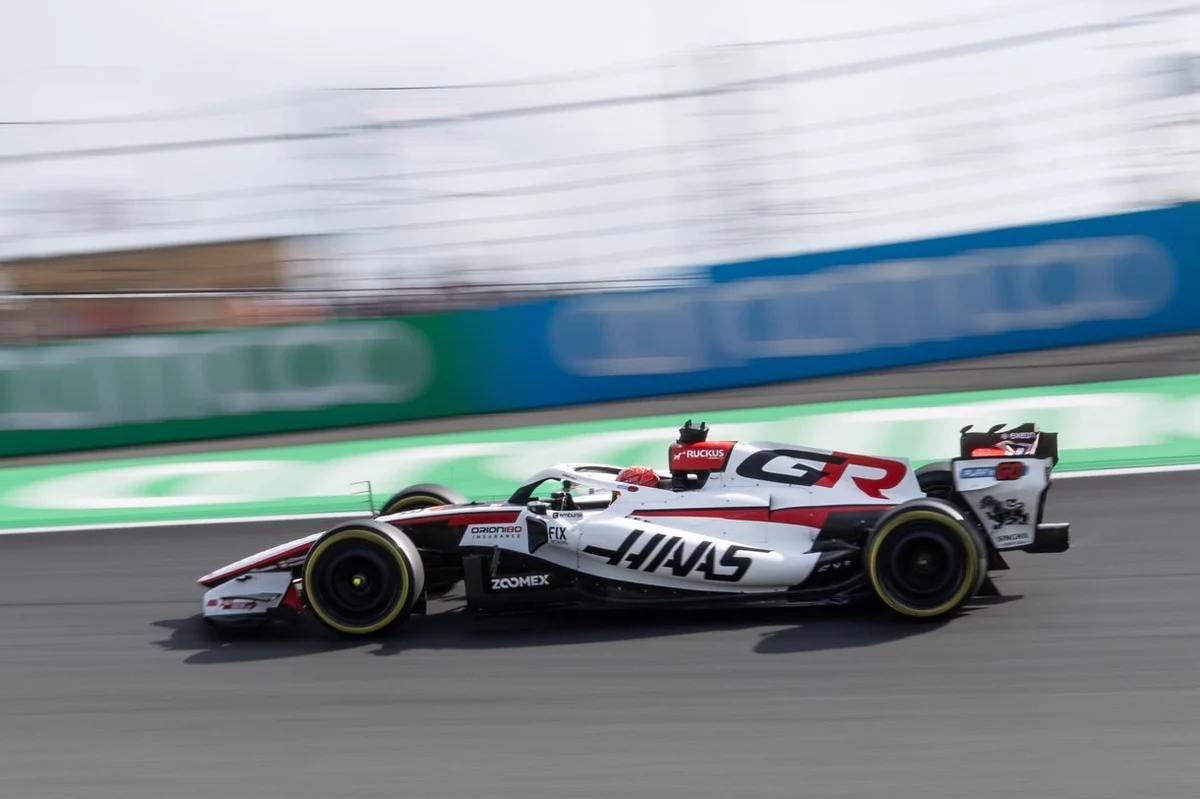
The Formula 1 paddock is abuzz with the official confirmation, first reported by sportsamo.com, that Esteban Ocon will depart Haas at the conclusion of the 2026 Formula 1 season, bringing an end to what has been a surprisingly challenging tenure with the American squad. His exit opens up a critical driver slot for Haas as the sport navigates significant regulatory shifts, prompting a close look at five leading candidates vying to partner the promising Oliver Bearman in 2027.
Ocon’s arrival at Haas for the 2025 season was initially heralded as a significant coup. With eight seasons of top-tier F1 experience under his belt, including four podium finishes and a memorable victory at the 2021 Hungarian Grand Prix, the Frenchman was expected to provide invaluable leadership. He was, after all, the first Grand Prix winner to ever don Haas colors, and the vision was clear: Ocon, alongside the highly-rated rookie Oliver Bearman, would spearhead the team’s charge into a new era, particularly with the looming 2026 regulation overhaul. Haas, a team that has historically struggled for consistent performance, punctuated by occasional flashes of brilliance, desperately needed a seasoned hand to guide its development and maximize its potential.
However, the reality of Ocon’s 18 months at Haas painted a starkly different picture. The anticipated leadership and consistent points-scoring never fully materialized. In a partnership where he was expected to dominate, Ocon found himself consistently outperformed by his much younger, less experienced teammate. Bearman, quickly establishing himself as a formidable talent, amassed 61 points compared to Ocon’s 45 during their time together. This significant disparity, particularly given Ocon’s extensive background and prior successes with teams like Force India and Alpine, raised questions about his adaptability, the car’s suitability to his driving style, or perhaps the immense pressure of leading a developing outfit. For a driver known for his fierce competitive spirit and often aggressive racecraft, this period represented a significant downturn, making his departure, as the original report noted, "long expected."
As Haas now searches for a replacement, the criteria are complex. They need a driver who can not only perform immediately but also contribute meaningfully to the team’s long-term vision under the new regulations. With Oliver Bearman rapidly emerging as a potential future star, the choice of his teammate is paramount – someone who can push him, learn from him, or provide a complementary skillset without being completely overshadowed. The team’s deep ties with Ferrari, their engine supplier, also play a crucial role in shaping their driver options, often favoring Ferrari Academy talents.
Here are five drivers currently in contention for that pivotal 2027 Haas seat:
1. Leonardo Fornaroli: The McLaren Prodigy on Loan
Leonardo Fornaroli, a 21-year-old Italian, stands out as one of the clear frontrunners. A recent Formula 2 graduate, Fornaroli spent 2026 as McLaren’s test driver, a traditional holding pattern for promising talents awaiting an F1 seat. His behind-the-scenes development work at the British marque has been nothing short of impressive, culminating in strong free practice outings, notably a P5 finish in Barcelona, just half a second off Oscar Piastri. McLaren Team Principal Andrea Stella effusively praised Fornaroli’s "proactive" attitude and "very interesting character," highlighting his diligence and collaborative spirit.
Fornaroli’s junior career is stellar, making him part of an exclusive club to win both the F3 and F2 championships consecutively. His F3 title, achieved without a single race win but through remarkable consistency – a rare feat in the often chaotic junior categories – speaks volumes about his maturity and race management. This trait, combined with his rapid adaptation to F2, makes him an incredibly appealing prospect for Haas, a team that values reliability and steady progress. Having already completed a two-day TPC program for Haas at Jerez, he’s familiar with their operations. Crucially, McLaren is keen to retain control over Fornaroli, suggesting a loan deal could be brokered. This arrangement would allow Haas to benefit from a top-tier talent without a long-term commitment, while McLaren ensures their asset gains valuable F1 experience. Such a partnership could be mutually beneficial, offering a low-risk, high-reward scenario for both parties.
2. Ryo Hirakawa: The Sportscar Ace with Toyota Backing
Haas’s current reserve driver, Ryo Hirakawa, presents a more unconventional, yet intriguing, option. At 32, the Japanese driver joined Haas in 2025, largely due to his strong connections with Toyota, a significant partner and title sponsor for the American outfit. While primarily known for his sportscar prowess – including a 2017 Super GT title, a Le Mans victory, and consecutive WEC crowns in 2022 and 2023 – Hirakawa also possesses a surprising amount of single-seater experience. He’s a former Japanese Formula 3 champion and has spent nine seasons in Super Formula, securing four wins and a runner-up championship finish.
Hirakawa’s extensive experience, particularly his deep understanding of hybrid powertrains from his WEC exploits, could be invaluable as F1 transitions to new regulations in 2026. His maturity and technical feedback could offer a steadying presence alongside Bearman. However, his age and limited international single-seater exposure at the highest level make him a "left-field" choice. Haas would be taking a calculated risk on a driver whose F1 peak might be behind him, or whose adaptation period could be lengthy. Yet, the Toyota connection and the potential for increased sponsorship and technical support from the Japanese giant cannot be overlooked. Toyota’s reported plan to promote junior Esteban Masson to WEC should Hirakawa secure an F1 seat indicates their commitment to him, suggesting a serious consideration of this unique pathway.
3. Yuki Tsunoda: The Red Bull Outcast Seeking Redemption
Yuki Tsunoda, the 26-year-old Japanese driver, finds himself at a career crossroads, desperately searching for a full-time F1 seat in 2027. After four seasons with Team Faenza (under its AlphaTauri and Racing Bulls guises), where he generally performed commendably, often outshining teammates like Daniel Ricciardo and Nyck de Vries, his F1 future became uncertain. A brief promotion to Red Bull in early 2025, spurred by Liam Lawson’s initial struggles, saw Tsunoda falter, finishing a distant 17th in the standings compared to Max Verstappen’s second. This led to his demotion to a reserve role for 2026, with Isack Hadjar taking his place.
However, a recent injury to Hadjar provided Tsunoda with a lifeline: temporary stints at Racing Bulls for the Dutch, Italian, and Spanish Grands Prix. In these crucial appearances, he rediscovered his form, scoring a vital point at Monza and impressing with a strong qualifying performance at Zandvoort. His post-race plea for F1 teams to "call me" underscored his hunger. While his talent and recent performances are undeniable, a major hurdle for a Haas move is his long-standing affiliation with Honda, a direct rival to Haas’s engine supplier, Ferrari. Switching allegiances could have significant long-term career implications for Tsunoda, making a potential one-year stint at Haas a risky proposition. The question remains whether the short-term F1 opportunity outweighs the cost of severing ties with his long-time backer.
4. Liam Lawson: The Red Bull System’s Unsung Hero
Liam Lawson, the 24-year-old New Zealander, is another Red Bull graduate caught in the notoriously cutthroat system. His F1 debut in 2023, replacing an injured Daniel Ricciardo at Team Faenza, was universally praised, showcasing raw speed and maturity beyond his years. Despite this, he endured a frustrating 2024, only returning for the final eight rounds before commencing his first full campaign in 2025. His 2025 season began with two races at Red Bull, but he struggled to match Verstappen’s pace and was subsequently moved back to the sister squad. Red Bull’s historical reluctance to re-promote drivers once they’ve been moved down leaves Lawson in a precarious position.
Currently, Lawson is enjoying a strong 2026 season, sitting ninth in the drivers’ standings with 59 points, effectively leading the midfield for Racing Bulls. The conundrum for Lawson is whether to stay with a strong midfield team like Racing Bulls or consider a move to Haas, which is currently a step down the pecking order. However, with rising talents like Nikola Tsolov (second in F2) and impressive rookie Arvid Lindblad pushing within the Red Bull academy, Lawson’s seat at Racing Bulls is not guaranteed long-term. A move to Haas could offer him a chance to step out of the Red Bull shadow and secure a more stable, long-term F1 future, even if it means a temporary dip in competitiveness. It’s a strategic decision for a driver who has consistently proven his F1 readiness.
5. Rafael Camara: The Ferrari Academy’s Brightest Star
Despite the strong contenders, the current F2 leader, Rafael Camara, has rapidly emerged as the undisputed clear favorite for Ocon’s seat. The 21-year-old Brazilian has had a meteoric rise, following up his F3 title-winning campaign with a commanding lead in F2. Unlike Fornaroli, Camara clinched his F3 title as a rookie, demonstrating an unparalleled ability to adapt immediately to new machinery. He has won titles at every level he’s competed in, including the 2024 Formula Regional European Championship, and looks set to make it three consecutive championships.
Camara’s 2026 season has been a breakthrough, particularly his qualifying prowess, securing five poles – the most for an F2 rookie since Oscar Piastri in 2021. This raw speed, combined with his remarkable adaptability (taking pole in four of the first five F3 rounds), is precisely what F1 teams, especially those navigating new regulations, look for. Crucially, Camara is a highly-touted graduate of the Ferrari Driver Academy, aligning perfectly with Haas’s technical partnership and existing relationship with Ferrari. Ferrari is reportedly keen to see Camara partner fellow junior Oliver Bearman, creating a young, dynamic, all-Ferrari-backed lineup at Haas. His impressive performance in a recent TPC test at Portimao further solidifies his claim. The prospect of a Bearman-Camara pairing at Haas isn’t just about 2027; it’s a potential "audition" for a future Ferrari seat, perhaps even to one day fill the shoes of a legend like Lewis Hamilton. This strategic alignment and undeniable talent make Camara the front-runner in this high-stakes driver market.
The decision for Haas is monumental. With the 2026 regulation changes on the horizon, the team needs a driver who can not only deliver results but also provide invaluable feedback and leadership. Whether they opt for the proven consistency of Fornaroli, the unique experience of Hirakawa, the redemption arc of Tsunoda, the strategic independence of Lawson, or the prodigious talent and Ferrari backing of Camara, the choice will significantly shape Haas’s trajectory in Formula 1 for years to come.