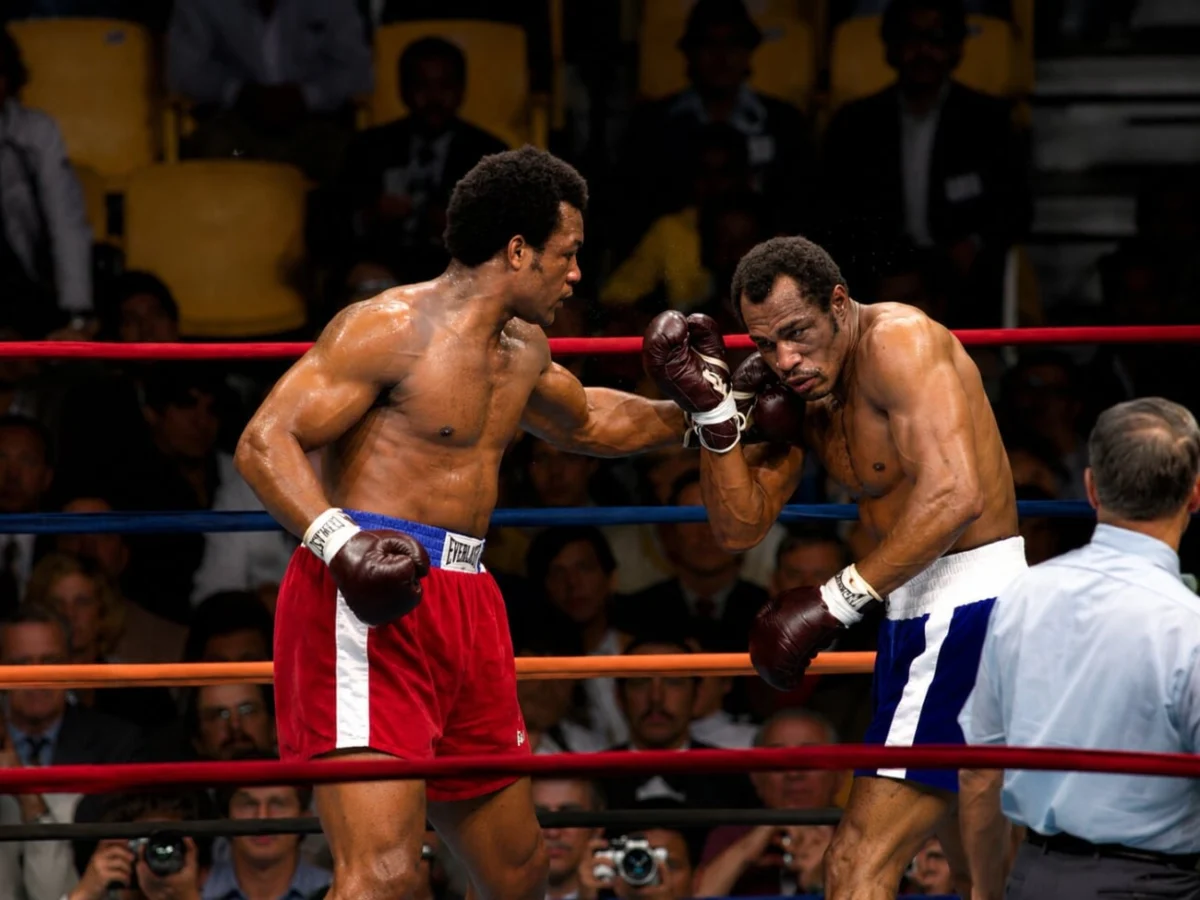
George Foreman’s reign as heavyweight champion was built on a foundation of sheer, unadulterated power, a force of nature that left opponents bewildered and broken. This was never more evident than on March 26, 1974, in Caracas, Venezuela, when Foreman defended his title against Ken Norton. While the fight itself lasted a mere two rounds, the lead-up was steeped in intrigue, speculation, and even a touch of international drama, as reported by sportsamo.com. The bout served not only as a testament to Foreman’s destructive capabilities but also as a subtle foreshadowing of a much-anticipated showdown with a legend.
Norton entered the ring with a significant reputation. Just a year prior, he had shocked the boxing world by breaking Muhammad Ali’s jaw in their initial encounter in March 1973, a brutal display of resilience and punching power. Though he ultimately lost a close rematch six months later, Norton had proven he possessed the physical tools and a unique, albeit awkward, style capable of troubling even the most elite heavyweights. The burning question in Caracas was whether Norton’s unorthodox movement and raw strength could present a challenge to Foreman, a champion who represented an entirely different, and arguably more devastating, physical problem.
Foreman’s ascent to the pinnacle of the heavyweight division had been nothing short of meteoric. He had captured the title by demolishing Joe Frazier in a brutal two-round affair, a performance that cemented his reputation as the most feared puncher in the sport. His first title defense against José Roman was an even more swift affair, ending in the first round. Entering the fight with Norton, Foreman’s professional record stood at an immaculate 39-0, with an astonishing 36 victories coming by way of knockout. This overwhelming statistical dominance positioned Norton as a significant underdog, with odds hovering around 3-1 against him.
However, one man who offered Norton a more optimistic outlook was Muhammad Ali himself, working ringside as a commentator. Having endured 24 grueling rounds against Foreman, Ali understood the champion’s immense power. Yet, he also recognized the unique challenges Norton posed. Ali’s perspective suggested that Foreman’s seemingly unstoppable march might not be as inevitable against a fighter who had caused him, Ali, such significant difficulty. This added a layer of psychological intrigue, with the shadow of Ali looming over the contest.
Pre-Fight Turmoil: A Dispute Over the Stripes and a Lingering Knee Concern
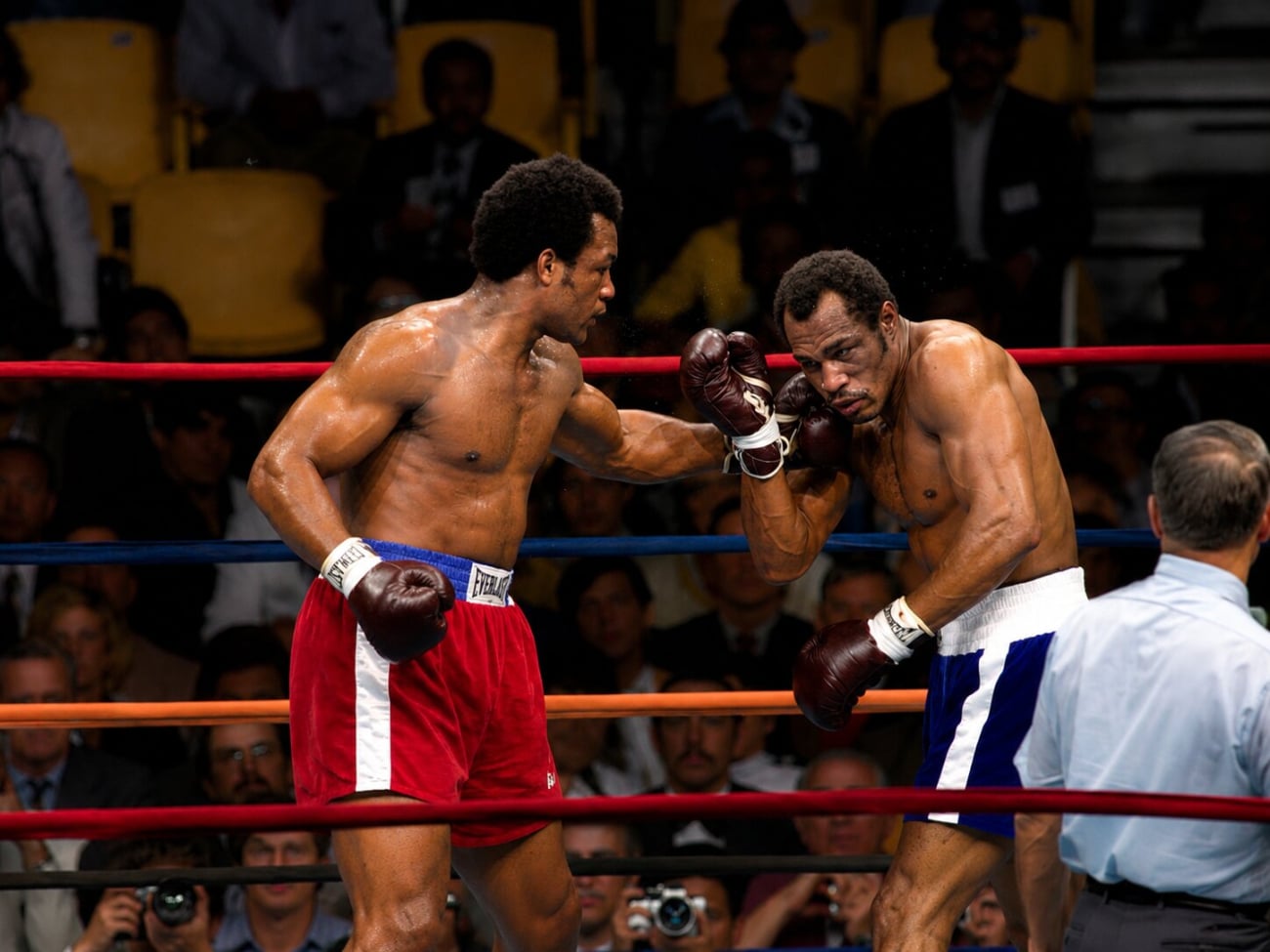
The path to the ring was not without its obstacles, both inside and outside the ropes. A pre-fight dispute erupted over the selection of the referee. Foreman’s camp advocated for an American official, while Venezuelan authorities favored a local. The matter was eventually resolved with the appointment of Jimmy Rondeau, a decision that smoothed the immediate path for the contest to proceed.
Adding to the uncertainty surrounding the championship bout were reports of a knee injury plaguing Foreman. Whispers circulated that the champion was suffering from either a sprain or a pinched nerve, casting doubt on whether the fight would even take place. Fortunately for the fans and the integrity of the division, this issue seemed to abate once the referee controversy was settled, allowing the spectacle to move forward.
Beyond the immediate concerns, a larger machination was at play, orchestrated by the astute promoter Don King. King was already meticulously planning a seismic clash between Foreman and Ali, a fight that promised to be one of the biggest in boxing history, contingent on Foreman successfully defending his title against Norton. This meant that Norton, in his quest for the championship, held the potential to derail one of boxing’s most lucrative and anticipated events, a prospect he ultimately failed to realize.
The Carnage in Caracas: Foreman’s Power Unveiled
The early exchanges of the first round offered Norton a degree of breathing room. He attempted to utilize his movement and avoid prolonged confrontations, a strategy clearly designed to neutralize Foreman’s overwhelming power. However, as the round progressed, Foreman began to assert his dominance, methodically cutting off the ring and trapping the challenger.
The second round witnessed the swift and brutal culmination of Foreman’s dominance. The strategic game plan that Norton had relied upon to survive completely unraveled. Foreman cornered Norton against the ropes and unleashed a torrent of devastating power shots. The ropes valiantly held Norton upright for a brief period, but the onslaught was relentless. He was sent to the canvas multiple times, each knockdown a stark reminder of the power difference.

Norton’s corner, recognizing the futility of continuing, signaled to the referee that they had seen enough. Rondeau promptly stopped the fight at the 2:00 mark of the second round. The stark reality was undeniable: a fighter who had battled Muhammad Ali for 24 rounds, enduring immense punishment, had lasted less than five minutes against the raw, unbridled power of George Foreman. The gulf in class was evident.
The Caracas Caper: Purses, Politics, and a Diplomatic Standoff
Beyond the swift destruction in the ring, the event in Caracas became mired in a peculiar financial and diplomatic dispute that would later be dubbed the "Caracas Caper." Reports indicated that Foreman was set to earn approximately $700,000 for the bout, while Norton would receive around $200,000. However, the financial settlement proved to be anything but straightforward.
The promotion had been lured to Venezuela partly due to assurances of tax exemptions. Yet, in the aftermath of the fight, Venezuelan authorities unexpectedly demanded approximately 18 percent of the fighters’ earnings. This unexpected demand created a significant impasse, preventing both Foreman and Norton from leaving the country until the dispute was resolved.
Norton managed to settle his situation and departed Venezuela around March 29th. Foreman, however, remained for several additional days as negotiations intensified. The situation escalated to the point where American diplomatic officials became involved, attempting to mediate the standoff. The "Caracas Caper" became a footnote to the fight itself, highlighting the logistical and political complexities that could arise when staging major sporting events in international venues.
The bout was held at the Poliedro arena in Caracas. While historical accounts vary regarding the exact attendance figures, the financial controversy surrounding the promotion quickly garnered as much attention as the gate receipts themselves.

Foreman’s Dominance and a Glimpse of the Future
Within the confines of the ring, there was no ambiguity. Foreman had systematically dismantled the division’s elite. He had destroyed Joe Frazier, stopped José Roman, and now, he had obliterated Ken Norton, all in consecutive title defenses, requiring a combined total of just six rounds. The comparison to Ali was now irresistible and stark: Ali had needed 24 rounds to overcome Norton and had even suffered a defeat; Foreman had dispatched him in less than two.
This overwhelming display of power by Foreman served as a potent declaration to the rest of the heavyweight division, and particularly to Muhammad Ali. Seven months later, Ali would embark on his own legendary journey to Zaire for the "Rumble in the Jungle," a fight where he would face the very man who had just so decisively proven he was the undisputed king of the heavyweight division, a king Ken Norton could not survive. Foreman’s performance in Caracas was not just a title defense; it was a terrifying audition for the biggest fight in boxing history.