The highly anticipated heavyweight clash between Tyson Fury and Anthony Joshua, a bout that has captivated boxing fans for years, now finds itself teetering on the brink of collapse due to a complex web of financial demands and logistical nightmares. While the allure of a Fury-Joshua spectacle remains potent, the mounting costs and competing interests are forcing promoter Turki Alalshikh to confront a stark reality: walking away from the fight may soon be the most prudent business decision. This report, originally published by sportsamo.com, delves into the intricate negotiations and evolving landscape that threaten to derail this monumental event.
At the heart of the current impasse are the conflicting venue desires and the substantial financial concessions demanded by key stakeholders. The proposed November 20th date presents a significant dilemma. Moving the contest to Madison Square Garden in New York City would offer prime-time viewing for a massive American audience on Netflix, a platform that increasingly prioritizes live boxing. However, this option is far from a simple solution. Eddie Hearn, representing Anthony Joshua and his promotional outfit Matchroom, has stipulated a series of significant demands that must be met before he sanctions a move from the initially agreed-upon UK venue.
The existing agreement for a UK stadium fight, while perhaps less lucrative in terms of international broadcast reach, provides Hearn with an acceptable fallback. This agreement effectively places the onus on Alalshikh and his Sela promotional entity to compensate Matchroom substantially if they wish to pursue the more valuable New York placement. This leverage held by Matchroom is a critical factor in the ongoing negotiations.
According to reports from BoxingScene, Matchroom’s list of demands for the New York event is extensive. Chief among these is the request for Sela to cede control of production to Matchroom, a move that would sideline Zuffa Boxing, despite Alalshikh’s stated ownership of 60% of the company. Furthermore, Matchroom seeks the payment of Anthony Joshua’s outstanding purse from a previous fight against Kristian Prenga, alongside standard contractual guarantees covering essential elements like ticketing, security, and transportation. The proposed package also grants Matchroom considerable influence over the undercard, with discussions reportedly including potential bouts such as Jesse Rodriguez-Christian Medina, Jack Catterall-Keyshawn Davis, and Murat Gassiev-Jarrell Miller. Preliminary slots for fighters like Teremoana Jnr and Odel Kamara are also being considered.
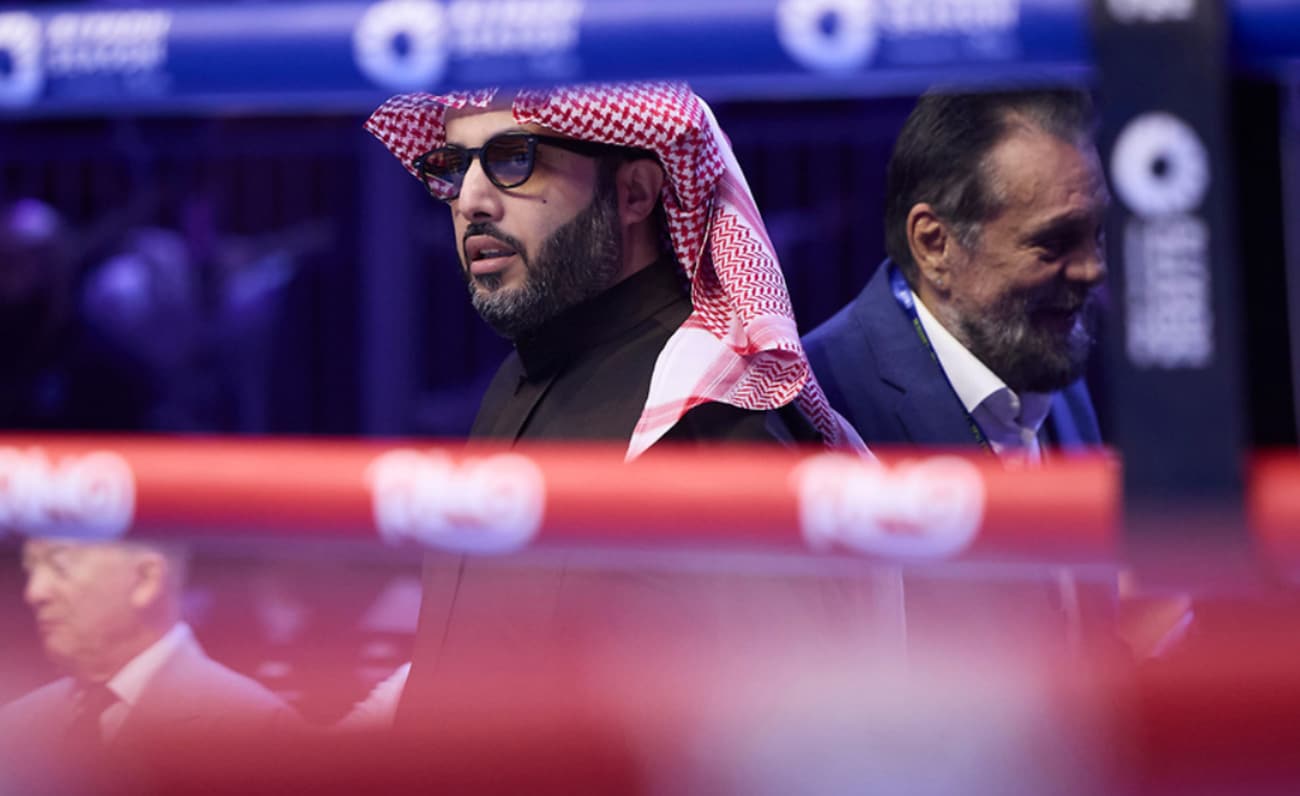
Adding another layer of complexity, separate communications reviewed by BoxingScene indicate that Matchroom has also made requests pertaining to payments for various other ventures, including darts, snooker, the Ronnie O’Sullivan Academy, and previous boxing events. While an official has insisted these items are not part of the Fury-Joshua addendum, their inclusion in broader discussions raises questions about the extent of Matchroom’s financial expectations.
The potential refusal to allow Zuffa Boxing to promote the card is a particularly sensitive point for Alalshikh. Having positioned himself as a major investor in Zuffa, seeing his new promotional operation marginalized in favor of Matchroom would represent a significant setback. This scenario would also see much of the supporting lineup potentially filled with Matchroom talent at Sela’s expense, leaving limited space for fighters associated with Zuffa. The absence of a visible role for Dana White, a key partner in Zuffa, in such a high-profile production would be a notable omission.
Conversely, returning the fight to Britain addresses the venue dispute but introduces a new set of challenges. A UK stadium fight would necessitate an afternoon start time for American viewers, drastically diminishing its value as a prime-time Netflix attraction. While the domestic gate revenue would undoubtedly be enormous, the loss of the preferred Friday-night scheduling offered by Madison Square Garden would be a considerable blow to the global broadcast appeal.
Consequently, abandoning or postponing the fight has emerged as a genuine, and increasingly plausible, third option. This difficult consideration is further amplified by the recent performances of both Fury and Joshua, which have arguably diminished the fight’s marquee appeal. Joshua, while securing a second-round stoppage against Kristian Prenga last month, was notably dropped twice and nearly finished in the opening round, raising lingering questions about his ability to absorb heavyweight punishment. Fury, in his recent outing against the 46-year-old Mariusz Wach, appeared labored and showed little of the dynamism that once set him apart, struggling against an opponent seemingly chosen to prepare him for Joshua.
The diminishing returns on the ring for both fighters mean that the primary prize for Alalshikh may now be limited to the prestige of finally delivering the Fury-Joshua showdown after years of failed negotiations. Every other aspect of the deal, from financial outlay to control and the positioning of Zuffa Boxing, appears to demand significant sacrifice.

Unless the sheer historical weight of finally bringing Fury-Joshua to fruition justifies the escalating costs and compromises, Alalshikh would be well-advised to re-evaluate his commitment. The poor performances from both heavyweights have undeniably reduced the fight’s market value, yet the proposed terms demand an increased investment. From a purely business perspective, walking away at this juncture appears to be the more logical path.
Update: Hearn Confirms Joshua’s Price for New York Venue
In a significant development, Eddie Hearn has now confirmed that Anthony Joshua is amenable to facing Tyson Fury in the United States, provided that Sela agrees to Matchroom’s stipulated contractual addendum. This addendum encompasses increased financial compensation to offset the tax disadvantages Joshua would incur by fighting in America, along with provisions for travel, media accreditation, and other necessary protections. Hearn clarified that Matchroom presented its terms after being directly asked what would be required to facilitate the fight’s relocation from the United Kingdom.
This admission fundamentally shifts the narrative of the negotiations. Hearn is not outright refusing a New York venue; rather, he is leveraging the existing UK agreement to extract terms that would make the switch financially viable for Joshua and preserve Matchroom’s integral role in an event that might otherwise significantly bolster Zuffa Boxing’s profile.
"They said, ‘What do you want in the addendum? What do you want for us to do this?’ And a lot of it, like I said, there’s things that we want to be documented to make sure that are solid because we don’t want to keep messing around like this," Hearn stated in an interview with iFL TV, underscoring the desire for concrete agreements.

Matchroom has also proposed the inclusion of three of its undercard fights and has sought repayment for funds it claims Sela owes from prior business dealings involving boxing, darts, and snooker. Hearn, however, maintained that these broader financial requests were discussed separately and are not part of the specific Fury-Joshua addendum.
Despite the attempt to compartmentalize these requests, the underlying commercial conflict remains significant. Turki Alalshikh is the primary financier of the event, yet accommodating Eddie Hearn’s demands could necessitate a higher payout to Joshua, secure Matchroom’s prominent involvement, and consequently curtail the control Zuffa had anticipated gaining by staging the fight in New York.
Rejecting the addendum presents another formidable obstacle. While a British stadium fight would undoubtedly satisfy the fighters and the passionate domestic fanbase, its typical start time would significantly devalue the product for Netflix subscribers in the United States.
Hearn indicated a lack of response from Sela or the Saudi delegation for several days, leaving Alalshikh in a precarious position with limited viable options. However, Matchroom has now formally articulated the financial price required to move the highly anticipated bout to American soil.