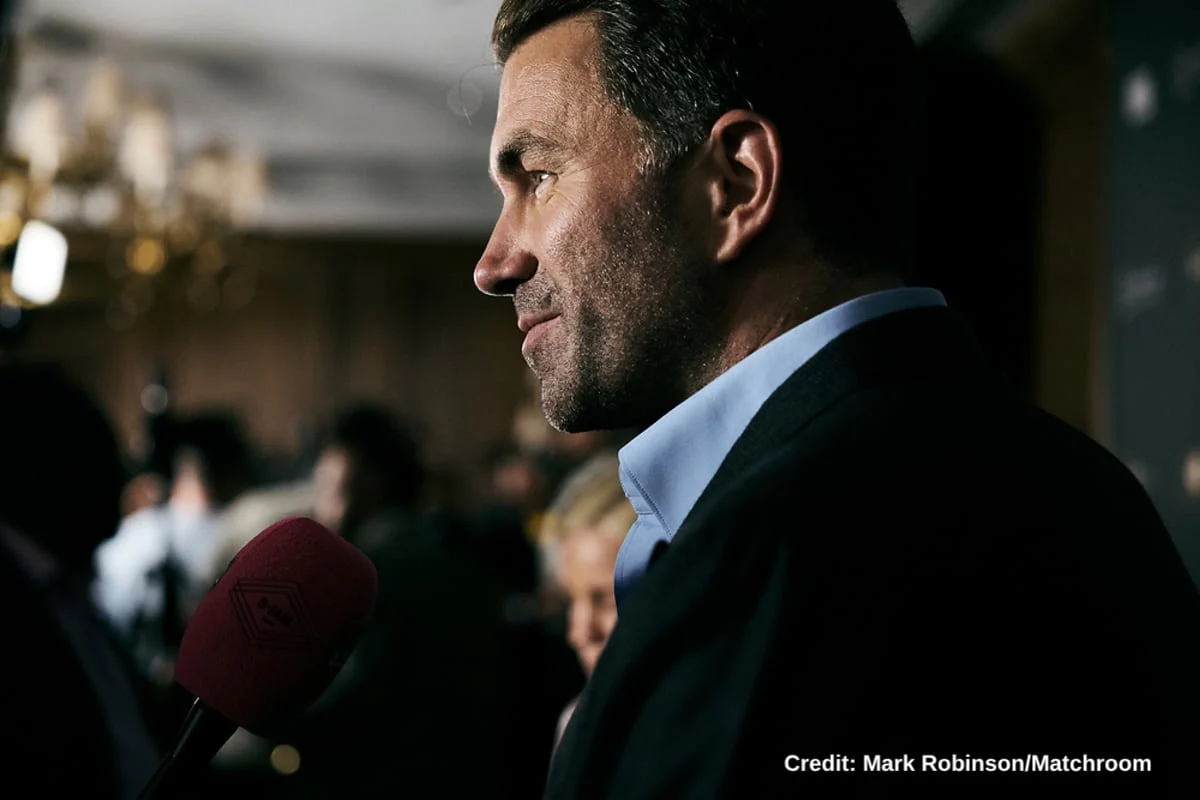
In the high-stakes world of professional boxing, where promoters often engage in intricate strategic maneuvering, Eddie Hearn of Matchroom Boxing appears to have secured a significant concession in the highly anticipated heavyweight clash between Anthony Joshua and Tyson Fury. However, according to boxing luminary Roy Jones Jr., this hard-won victory might come at a considerable cost, potentially diminishing Hearn’s standing in the corridors of power for boxing’s most lucrative events. Sportsamo.com reports on the unfolding drama.
The initial agreement for Joshua and Fury to face off on November 20th at the iconic Madison Square Garden in New York City reportedly hit a snag due to contractual obligations. Joshua’s contract, it is understood, stipulated that the bout must take place on British soil. This led to a period of intense negotiation, culminating in the likely relocation of the mega-fight to the Principality Stadium in Cardiff, Wales, with a new date penciled in for December 11th.
While this outcome offers Hearn a narrative he can readily present to his fervent British fanbase – a homecoming for their two-time heavyweight champion – the purported 2 a.m. local start time casts a significant shadow over its celebratory potential. The prospect of seventy thousand spectators enduring the early morning hours within the stadium, all to accommodate American prime-time television viewership on Netflix, raises questions about the true value of this concession. If, as Jones Jr. suggests, the American audience exhibits a lukewarm interest in the Fury-Joshua rivalry, then the compromise becomes increasingly difficult to justify. Britain provides the roaring crowd, the essential ticket revenue, and the electric atmosphere, while the broadcast schedule appears to be meticulously crafted to appease an audience that, according to Jones Jr., remains largely indifferent.
Roy Jones Jr., a former multiple-weight world champion and respected boxing analyst, has openly lauded Hearn for his resilience in the face of immense pressure. This pressure, he notes, emanated from a formidable coalition of influential figures, including Turki Alalshikh, the driving force behind Saudi Arabia’s burgeoning boxing investments; Sela, a Saudi entertainment company; Netflix, the global streaming giant; Dana White, the influential president of the UFC and TKO; and the Fury camp, led by Frank Warren’s Queensberry Promotions. Despite this praise for Hearn’s tenacity, Jones Jr. paints a starkly pessimistic picture for Matchroom’s future influence.
"Hearn has won a battle, but he’s gonna lose the war," Jones Jr. stated, as quoted by Parimatch Slots Site and reported by BoxingScene. "I just think it’s because Turki has enough money to do whatever he wants to do. Whoever has his ear is gonna win the war, because he’s got the money to keep it going. But my hat goes off to Eddie for fighting, because Eddie knows that war is not the best thing for boxing."
The implications of this dispute extend far beyond a mere disagreement over a fight venue. Turki Alalshikh possesses virtually limitless financial resources, capable of outlasting any traditional promoter in a protracted battle of wills. Should Alalshikh perceive TKO and Frank Warren as more amenable partners, Matchroom could find itself sidelined from major boxing spectacles without jeopardizing the Saudi operation’s ability to stage premier events.
Frank Warren, a veteran promoter, has maintained a consistent alignment with the Riyadh group, demonstrating a notable flexibility regarding the scheduling and location of the Fury-Joshua contest. This conciliatory approach may position Queensberry Promotions more favorably for future Saudi-backed events, potentially relegating Hearn and Matchroom to a more constrained schedule on platforms like DAZN, where they have historically held significant sway.
Adding another layer of complexity to Hearn’s strategic position is the formidable influence of Dana White and TKO. White’s vision for boxing involves a more centralized structure, characterized by tighter control over fighter contracts and purse allocations. Hearn, conversely, has built his empire on his ability to secure the most lucrative deals for his fighters, a philosophy that inherently clashes with White’s more regimented approach. This fundamental divergence in promotional philosophies, exacerbated by the current dispute, could provide TKO with a compelling incentive to bypass Matchroom in future collaborations.
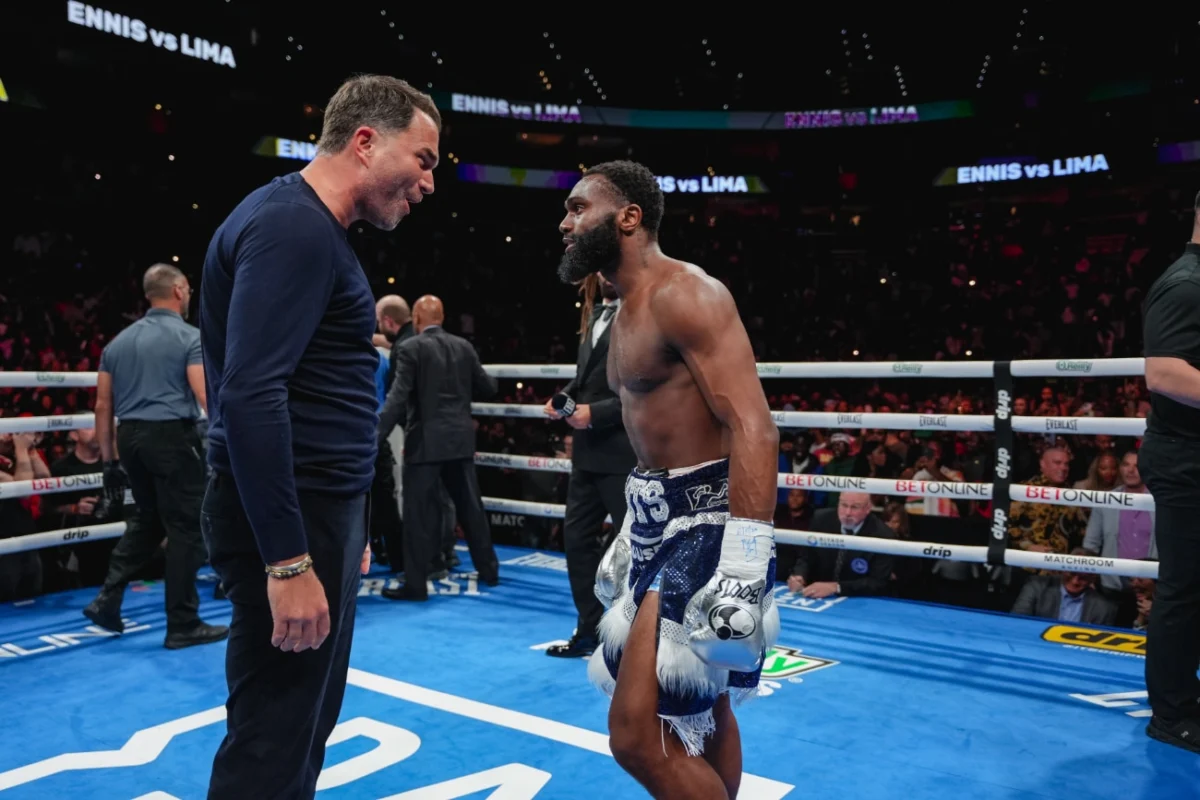
Eddie Hearn’s steadfast defense of Anthony Joshua’s contractual preferences, particularly at this stage of the 36-year-old’s career, is understandable. Joshua has been instrumental in elevating Matchroom Boxing to an international powerhouse, and Hearn’s loyalty to a fighter who has been a cornerstone of his promotional success is evident. However, the long-term implications for Matchroom’s burgeoning talent pool, which includes promising prospects like Jaron Ennis, Diego Pacheco, and Conor Benn, cannot be ignored. These younger fighters will require access to major financial opportunities and high-profile bouts long after Joshua has retired from the sport.
It is premature to definitively declare an irreparable rupture in the relationship between Hearn and Alalshikh. No official announcement of a permanent split has been made by either party. Nevertheless, Roy Jones Jr.’s assessment highlights a clear power imbalance. While Hearn successfully enforced Joshua’s contractual rights and secured a British venue, he has inadvertently challenged an entity with the financial might, the fighter roster, and the promotional alliances to readily move forward without him.
Anthony Joshua may indeed get the homecoming fight he desired, a fitting culmination for a fighter who has long been a global boxing icon. However, the cost of this victory might be borne by Matchroom’s emerging stable, whose future access to the sport’s biggest stages could be significantly curtailed. The landscape of elite boxing promotions is constantly shifting, and Hearn’s strategic gamble in the Fury-Joshua saga could prove to be a pivotal moment, reshaping alliances and altering the distribution of power for years to come.