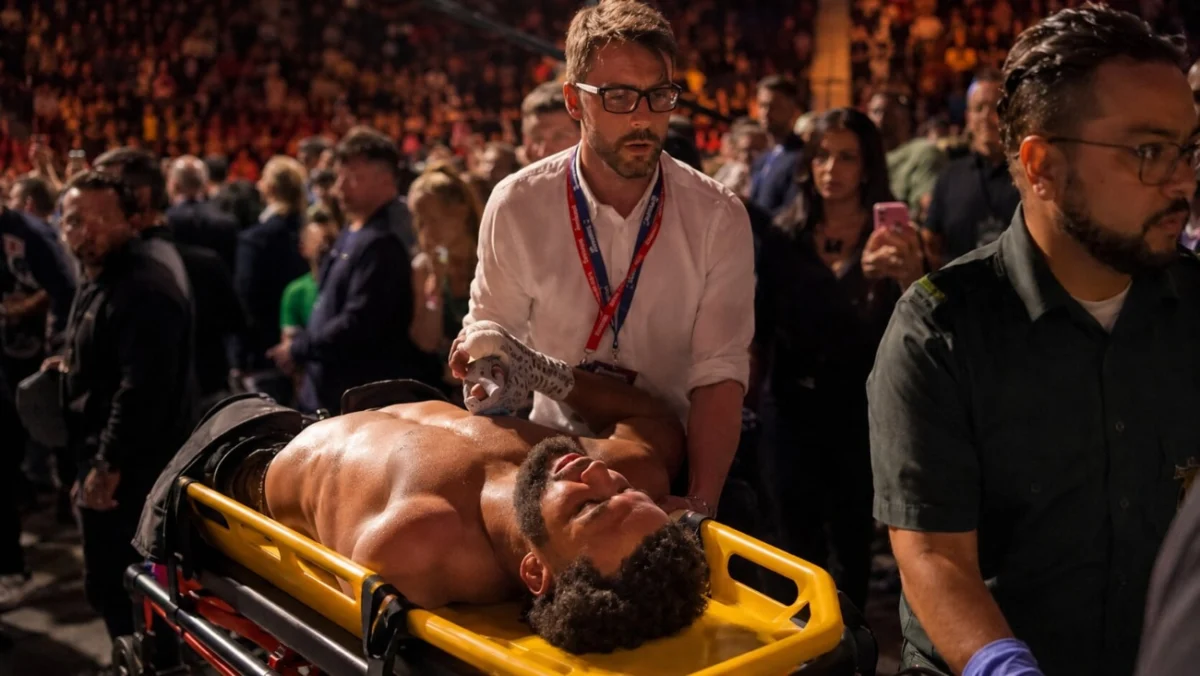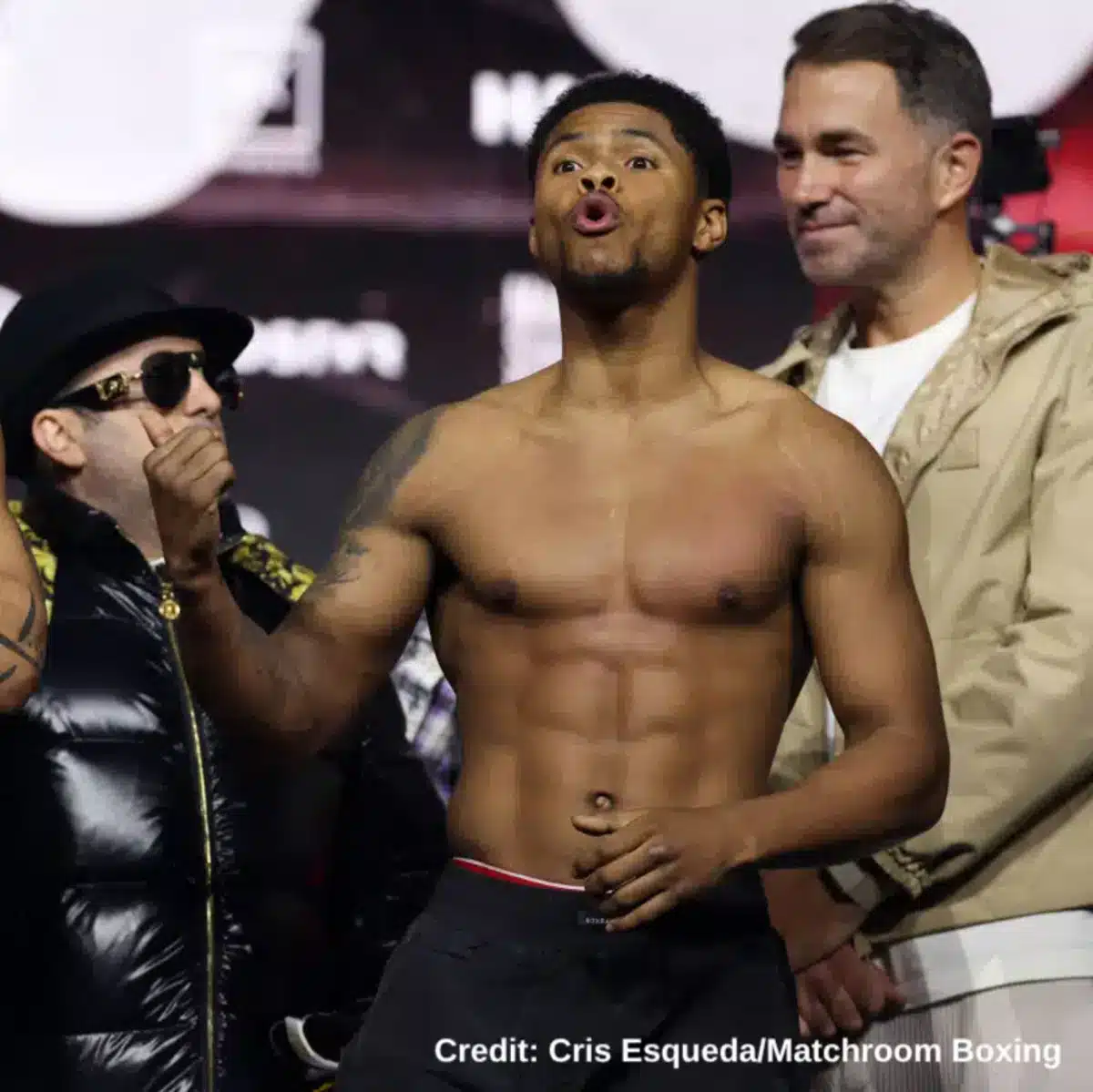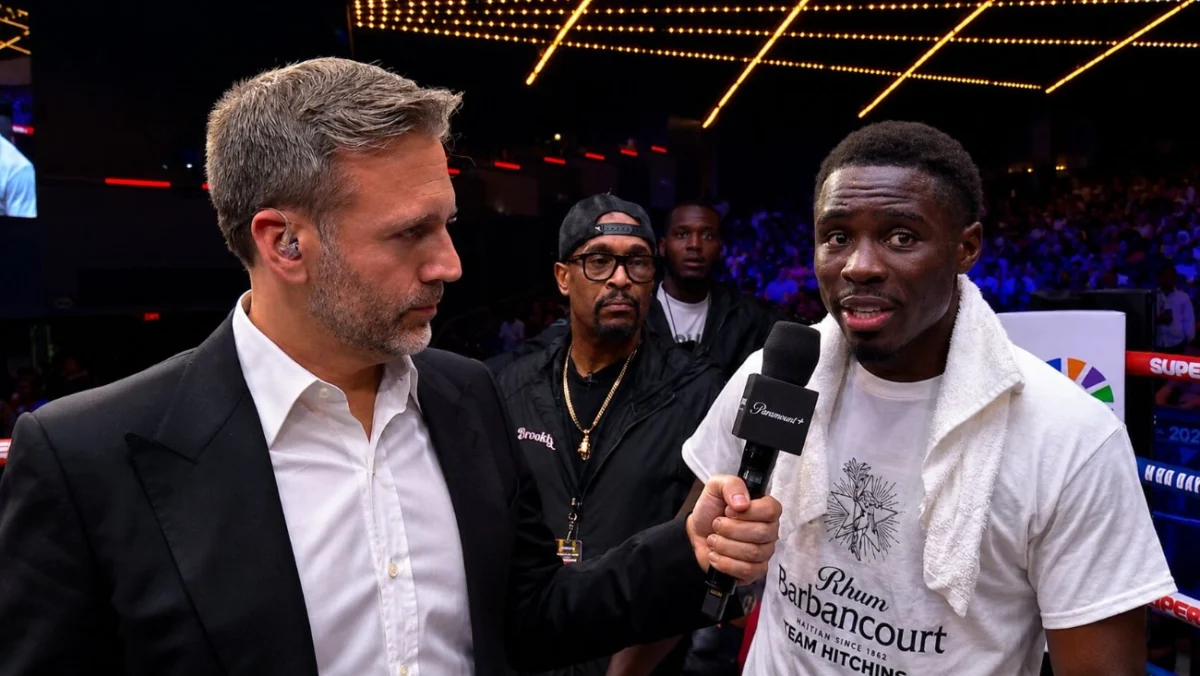
In a boxing landscape often dominated by established names and familiar rivalries, a compelling matchup between Richardson Hitchins and Keyshawn Davis is emerging as a potential marquee event, as reported by sportsamo.com. This clash at the 147-pound welterweight division isn’t just another fight; it’s a genuine 50-50 proposition, pitting two of the most naturally gifted boxers in the division against each other. While neither has yet faced a truly elite, proven welterweight in a significant capacity, their raw talent suggests a future king of the division could emerge from this bout.
"I think it’s a great fight. A 50-50 fight," Hitchins recently stated to FightHype, articulating the sentiment shared by many observers. "Two young, athletic fighters, Olympians, undefeated and former world champions. He’s a great fighter and I’m a great fighter. I think it’s a megafight. The winner of this fight should be on the pound-for-pound list." While the pound-for-pound claim might be a touch premature, Hitchins’ assessment of the fight’s competitiveness is spot on.
At first glance, the technical nuances of their contrasting styles paint a picture of a meticulously crafted chess match. Hitchins, with his refined jab and superior defensive footwork, excels at dictating the pace and controlling the ring. His experience in navigating the full twelve rounds of a championship bout gives him an edge in pacing and strategic endurance. Conversely, Keyshawn Davis brings a more aggressive, attritional approach. His power combinations are more potent, his body punching is particularly vicious, and he possesses a greater willingness to engage in sustained exchanges, forcing his opponents into uncomfortable territory.
Both Hitchins and Davis can be described as diamonds in the rough within the welterweight division. Hitchins has only recently made his debut at 147 pounds, with just one bout at the weight to his name. Davis, on the other hand, is yet to officially compete at welterweight, raising questions about his transition to the division’s elite tier. While they haven’t yet earned the right to be ranked above the current champions, their inherent athletic gifts and boxing acumen might very well surpass those held by some of the belt-holders. This makes their matchup all the more intriguing, as it represents a high-stakes gamble to accelerate their ascent.
The strategic battleground of this fight is likely to begin in the center of the ring. Hitchins will aim to establish his jab, using it to keep Davis at bay, create distance, and exploit any openings with sharp, precise counter-punches. His strategy will revolve around making Davis reach, a tendency Hitchins can punish. For Davis, the key will be to cut off that space effectively rather than passively following Hitchins. A crucial tactical maneuver for Davis would be to step outside Hitchins’ lead foot, closing the distance and creating opportunities to attack the body, a well-documented strength, and then follow up with short, effective hooks to the head.
However, Hitchins has demonstrated an adeptness at neutralizing aggressive pressure. He frequently employs upper-body clinches to disrupt his opponent’s rhythm and momentum, effectively stalling their offensive surges until the referee intervenes and restores the fight to a more comfortable distance for him. Davis’s most damaging work often comes when he can smother his opponent, relentlessly attacking the body, and then exploiting openings in their guard with well-timed uppercuts. His success, therefore, hinges on his ability to consistently work on the inside before Hitchins can effectively implement his clinching strategy.
Their fighting rhythms are also starkly different, adding another layer of complexity to the anticipated contest. Hitchins operates with a measured approach, favoring deliberate combinations and preferring a slower, more controlled fight dictated by his jab. He seeks a consistent, deliberate pace. In contrast, Davis possesses the ability to shift gears abruptly, exploding into sudden bursts of activity with rapid-fire combinations before settling back into a more measured rhythm. One fighter thrives on a consistent, controlled tempo, while the other seeks explosive, high-intensity stretches that can overwhelm an opponent and force reactive, unthinking responses.
A significant unknown for both fighters is how they will absorb clean punches from a proven, full-sized welterweight. Keyshawn Davis will need to demonstrate that his offensive firepower translates effectively at the higher weight. Conversely, Richardson Hitchins must prove that his jab carries enough concussive force to deter Davis from walking through it and turning the fight into a grueling inside brawl. This is where the "diamond in the rough" assessment comes into play; their true mettle against the division’s established power hitters remains to be seen.
While a victory in this bout won’t automatically grant either fighter a mandatory title shot without sanctioning body approval for an eliminator bout, it would undoubtedly propel the winner into the elite tier of welterweight title contenders. Matching these two now, before they engage in softer transition fights, represents a bold move by promoters. It bypasses the typical gradual build-up, instead throwing them directly into the deep end, demanding they prove their championship mettle immediately.
The decision to elevate this fight to a main event status is not merely about showcasing two undefeated prospects. It’s a recognition of the inherent risk and potential reward. Giving Hitchins and Davis twelve rounds at the top of the card allows them the spotlight and the platform to definitively answer the question: which of these immensely talented fighters is truly ready to ascend and claim a welterweight world championship? Their collision promises not just fireworks, but a definitive statement of intent in one of boxing’s most competitive divisions.