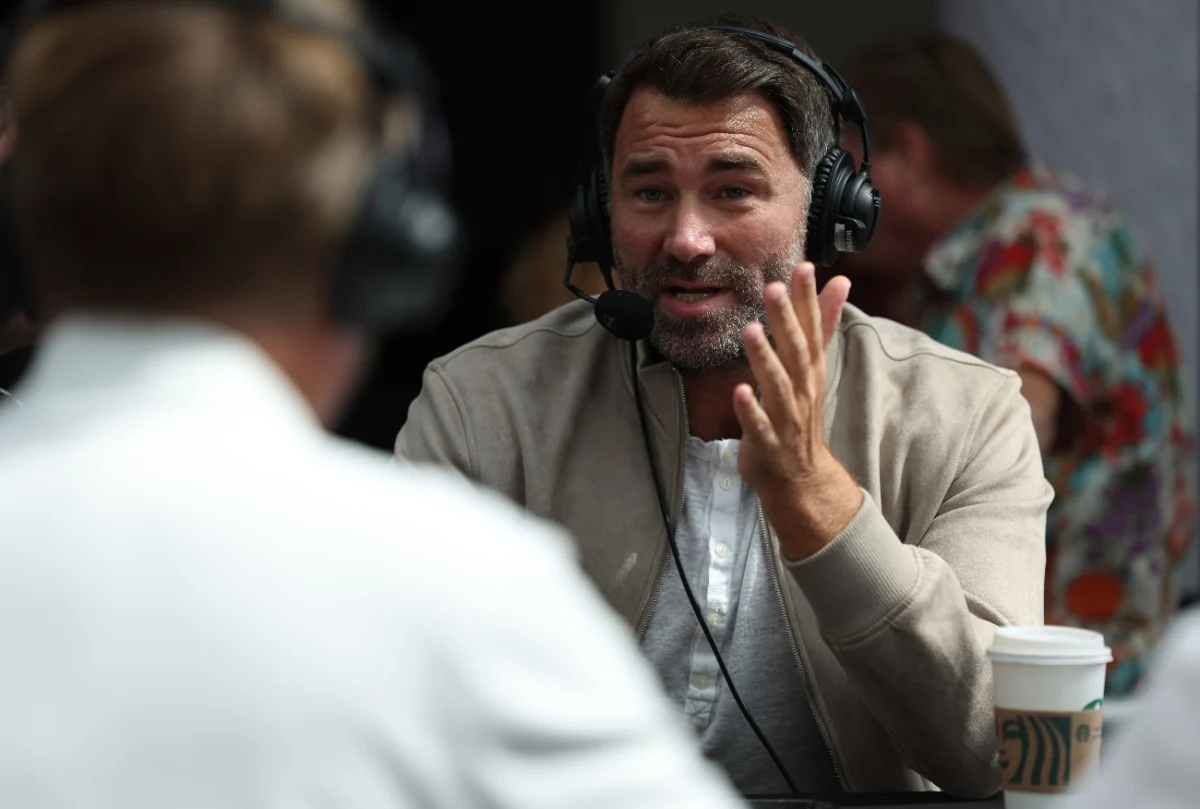
A recent assessment of boxing promoter Eddie Hearn’s considerable talents, originating from sportsamo.com, highlights his unparalleled ability to sculpt narratives around fighters, even those with discernible weaknesses. This perspective is vividly illustrated by the career trajectories of Conor Benn and Anthony Joshua, whose carefully curated ascents to prominence were, in part, a testament to Hearn’s masterful matchmaking and promotional acumen. The underlying argument suggests that while Hearn possesses an undeniable gift for marketing, the true mettle of a fighter is ultimately revealed when pitted against genuine, top-tier opposition, a reality starkly demonstrated in Conor Benn’s recent encounter with Ryan Garcia.
Conor Benn, the son of legendary middleweight champion Nigel Benn, was, by all accounts, a promoter’s dream. His aggressive, crowd-pleasing style, coupled with his famous lineage, immediately positioned him as a significant draw in the United Kingdom. He exuded the charisma and ferocity that fans crave, a potent combination that translated into substantial commercial appeal. However, beneath the surface of this compelling persona lay inherent vulnerabilities. Benn’s defensive capabilities were a known concern, his composure under pressure was often tested, and his ring intelligence, while improving, was not yet at the elite level required to consistently challenge the world’s best.
Eddie Hearn, through his promotional powerhouse Matchroom Boxing, expertly navigated these potential pitfalls. Benn was consistently matched against opponents who, while respectable, were either on the downside of their careers or lacked the specific skillsets to exploit his weaknesses. Fighters like Chris Algieri, who had shown flashes of brilliance but was past his prime, and Samuel Vargas, a durable but limited contender, served to bolster Benn’s record and build his reputation without exposing him to undue risk. The highly anticipated showdown with Chris Eubank Jr. was a monumental event driven by a compelling family narrative, but it occurred at middleweight, a division where Benn was not seeking to establish himself as an elite welterweight. These carefully orchestrated matchups created an aura of invincibility, painting Benn as a future star with few significant hurdles.

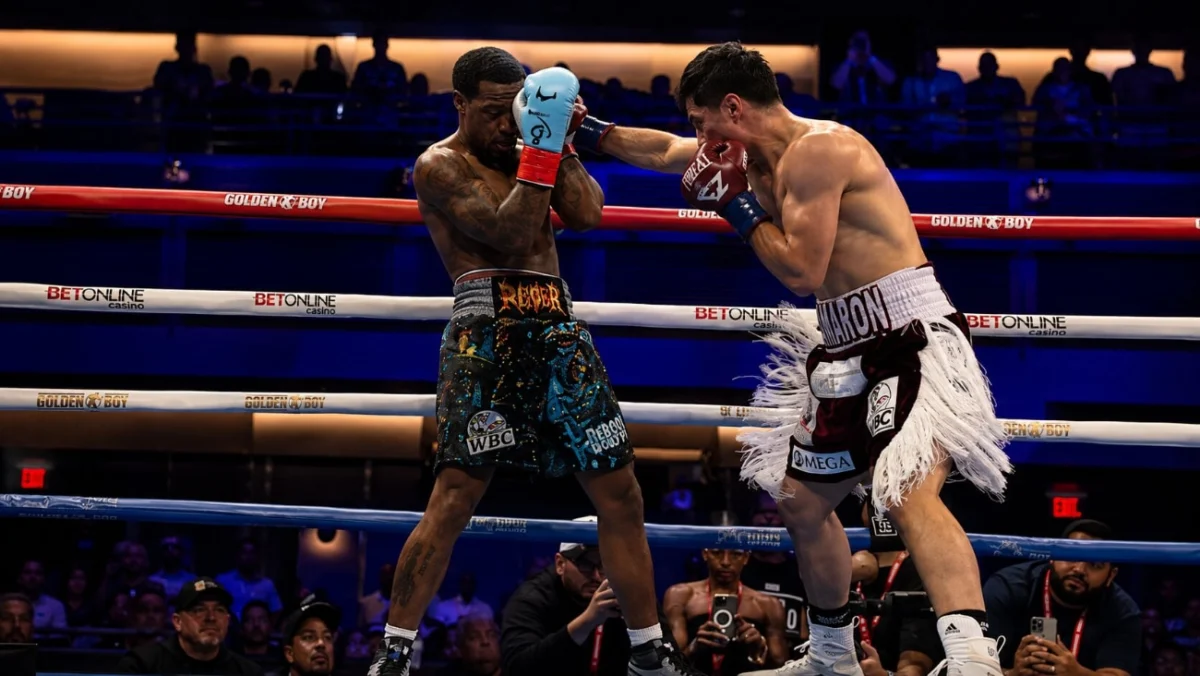
The paradigm shift occurred when Benn transitioned from Matchroom’s protective embrace to Zuffa Boxing. Suddenly, the carefully constructed environment dissolved, and Benn found himself facing Ryan Garcia. Garcia, a fighter who possesses a potent blend of size, speed, precision, and devastating knockout power, represented the exact type of challenge that Benn had, by many accounts, been strategically shielded from. In their encounter, Garcia’s superior physical attributes and sharp counter-punching ability proved overwhelming. Within two explosive rounds, Garcia systematically dismantled the years of careful promotion and matchmaking that had elevated Benn. The speed and accuracy of Garcia’s left hook, combined with his ability to exploit Benn’s aggressive forward momentum, laid bare the limitations that had been artfully obscured for so long.
It is a sentiment echoed by many within the boxing community that Hearn would have likely never sanctioned a fight between Benn and a fighter as dangerous and stylistically problematic as Ryan Garcia while Benn was under the Matchroom banner. The potential downside for Matchroom was simply too great. Benn represented a significant commercial asset in the UK market, and risking that investment against a sharp, dangerous counterpuncher like Garcia, renowned for his devastating left hook and the speed to capitalize on any opening, would have been a high-stakes gamble. The strategic avoidance of such challenges allowed Benn’s perceived strengths to dominate the narrative, while his weaknesses remained largely untested against elite competition.
This pattern of promotional brilliance, albeit with a keen eye for risk management, is also evident in the career of Anthony Joshua. Hailing from the 2012 London Olympics, where he secured a gold medal in a controversial final against Roberto Cammarelle, Joshua was immediately positioned as the future king of the heavyweight division. Matchroom meticulously controlled every step of his ascent. Joshua’s imposing physique, his Olympic pedigree, and his raw knockout power were amplified, creating an image of an unstoppable force.
The matchmaking strategy for Joshua mirrored that of Benn. He was kept away from proven, dangerous punchers who could genuinely test his chin and technical deficiencies until his commercial value had reached stratospheric heights. Charles Martin, a fighter who possessed a world title but lacked the pedigree and consistent threat of other top heavyweights, provided a relatively smooth pathway to a world championship. Subsequent defenses against Dominic Breazeale and Eric Molina served to further solidify his reign and maintain his aura of dominance. Even the legendary Wladimir Klitschko, in the twilight of his career, proved to be a stern test that nearly ended Joshua’s reign, a fight that highlighted the inherent risks of even carefully managed challenges.

The illusion of invincibility that Hearn so skillfully crafted for Joshua was ultimately shattered by Andy Ruiz Jr. in 2019, a shocking upset that exposed the vulnerabilities that had been masked by favorable matchups and masterful promotion. Later, Oleksandr Usyk, a technically superior boxer with exceptional movement and defensive skills, further revealed the technical deficiencies that had been glossed over by years of promotional fanfare and carefully selected opponents.
It is crucial to emphasize that these revelations do not diminish the genuine talent and achievements of either Benn or Joshua. Both have reached heights that the vast majority of professional boxers can only dream of. They are undeniably skilled athletes who have achieved significant success in a demanding sport. However, their career arcs serve as a compelling illustration of the difference between being genuinely exceptional and being marketed as such.
Eddie Hearn did not forge their innate talent. His genius lies in his ability to construct a perception, to highlight their strengths while artfully downplaying or strategically avoiding situations that would expose their limitations. Conor Benn’s dramatic collapse against Ryan Garcia serves as a poignant reminder that even the most sophisticated matchmaking can only polish a fighter’s image for so long. Eventually, a truly dangerous opponent will enter the opposite corner, and the true measure of a fighter, beyond the promotion, will inevitably be revealed. The boxing landscape is a testament to both the raw talent of its athletes and the persuasive power of those who shape their stories for the world to see.