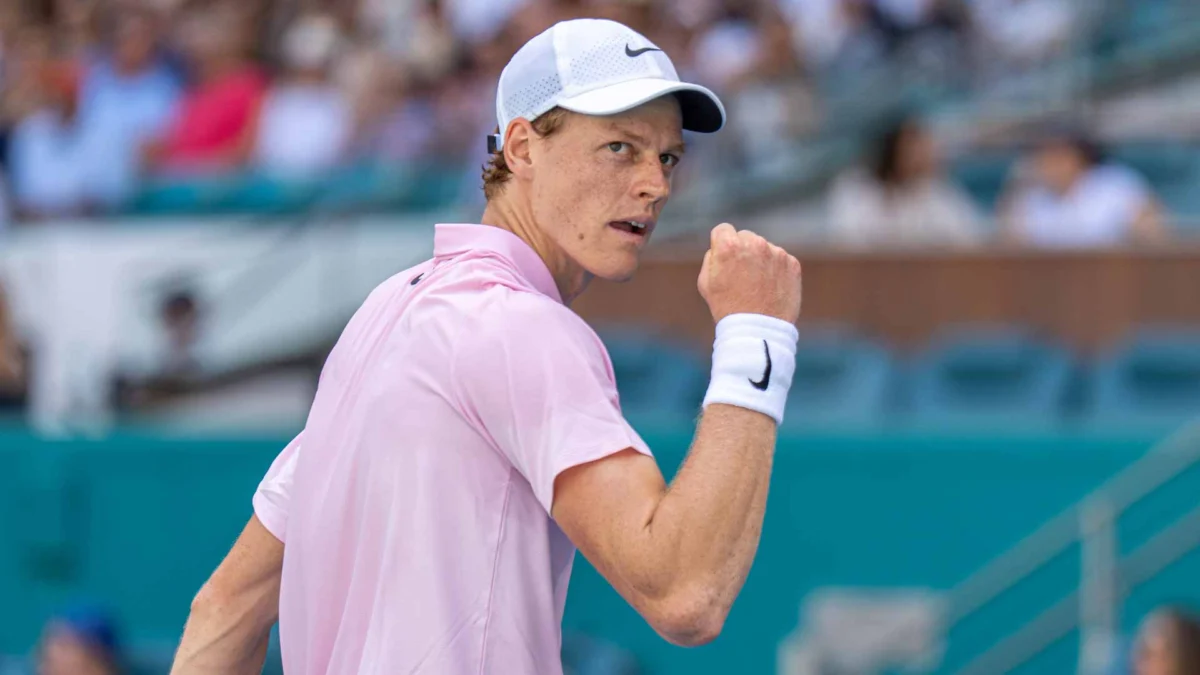
The demanding world of professional tennis, often a solitary pursuit under the brightest lights, requires more than just athletic prowess; it demands an unwavering support system. A recent report published on sportsamo.com sheds light on the crucial role of personal relationships in an athlete’s journey, particularly highlighting Canadian tennis star Denis Shapovalov’s profound appreciation for his wife, Mirjam Shapovalova (formerly Bjorklund). As Shapovalov prepared to face the formidable World No. 2 Jannik Sinner in the third round of the BNP Paribas Open, a high-stakes encounter at Indian Wells where he ultimately fell in three sets, his reflections underscore a truth often overlooked: behind every powerful forehand and resilient comeback lies a human being navigating immense pressure, with personal connections serving as their anchor.
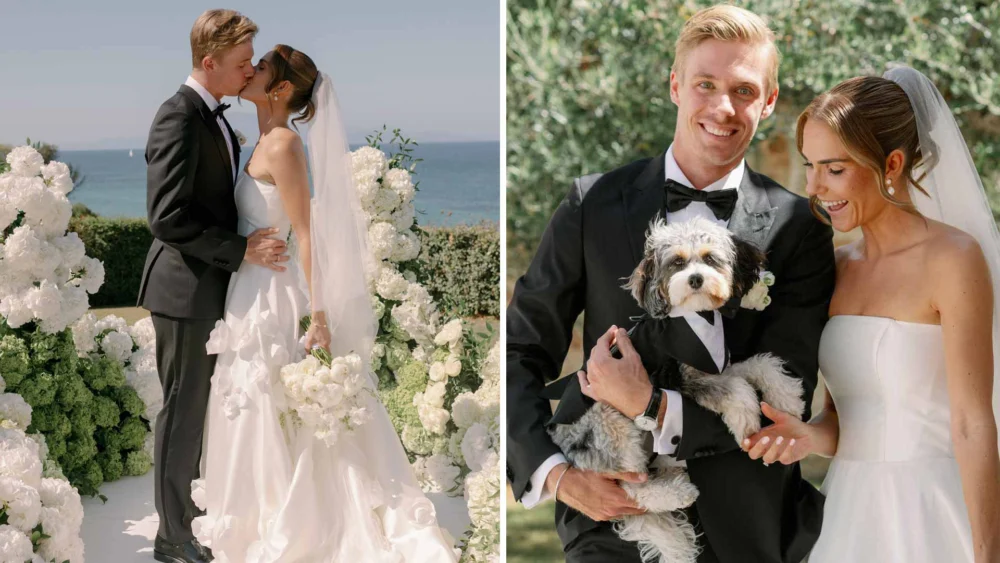
The "Racquets & Relationships" series, a new initiative by the ATP Tour to humanize its athletes, provides a platform for players to discuss the integral impact of their life partners. Shapovalov’s insights offer a compelling narrative, revealing how his marriage to Mirjam on September 9, 2025, has become a cornerstone of his professional and personal life. Their journey together, spanning from their dating days in 2019 to their recent nuptials in Zakynthos, Greece, epitomizes a partnership forged in the crucible of elite sports, characterized by mutual understanding, emotional resilience, and an shared passion for the game.
“It’s super important because we’re tennis players, but we’re also people, and we deal with a lot of things in life that are not even tennis-related,” Shapovalov articulated, emphasizing the holistic nature of their bond. “To have someone who can just pick you up and help you out during the tough times, it’s super important for anyone to have.” This sentiment resonates deeply within the high-pressure environment of the ATP Tour, where players constantly battle not only opponents but also personal demons, travel fatigue, injuries, and the relentless scrutiny of public life. For a player like Shapovalov, who burst onto the scene with electrifying talent and rose to a career-high of World No. 10, the subsequent challenges of maintaining that elite level have been immense. His recent dip in the PIF ATP Rankings to World No. 39 reflects a period of introspection and adaptation, during which Mirjam’s unwavering presence has been invaluable.
The psychological toll on athletes navigating slumps or injury layoffs can be profound. It’s during these periods that the emotional support from a trusted confidante becomes paramount. Shapovalov candidly shared, “I think she’s the person that I talk to the most about everything, especially about the tough things. I feel like I don’t really let too many people know what I’m dealing with at the time. I feel like she’s one of the only people who helps me out and goes through everything with me.” This selective vulnerability highlights the depth of trust and understanding between them. Mirjam provides a safe space for Denis to process the myriad pressures and disappointments inherent in a professional tennis career, offering not just empathy but also the practical perspective of someone who has walked a similar path.

Indeed, Mirjam’s own background as an accomplished professional tennis player is a significant differentiator. The Swedish athlete reached a career-high No. 123 in the PIF WTA Rankings and successfully qualified for three major main draws between 2022 and 2023. This shared experience creates an unparalleled level of understanding, allowing for tennis conversations that transcend superficial encouragement. She doesn’t just sympathize; she truly empathizes, comprehending the nuances of strategy, the mental fortitude required for a five-set match, and the subtle adjustments that can turn a match.
“She helps me out a lot. She was a very smart player. She sees the game really well, and she knows me really well,” Shapovalov revealed. Her ability to offer incisive tactical advice and pinpoint "little adjustments" is a testament to her deep knowledge of the game and her intimate understanding of Denis’s unique playing style. Known for his aggressive, high-risk, high-reward game, Shapovalov often benefits from a fresh, expert perspective that can fine-tune his approach. Her direct involvement, even assisting him on court since the Australian Open, signals a powerful and collaborative partnership. This is not merely spousal support; it’s a strategic alliance, where Mirjam acts as an unofficial coach, a skilled analyst, and a discerning eye.
Shapovalov also highlighted Mirjam’s "tough" and "demanding" nature, which he finds beneficial. “I wouldn’t say she has high demands, but she definitely wants a lot out of practice and stuff like that. She wants me to try things, and it’s good,” he explained. In a sport where self-discipline is crucial, having a partner who encourages pushing boundaries and striving for excellence can be a significant asset. This isn’t criticism; it’s constructive challenge, rooted in a shared ambition for his success. Her detail-oriented approach allows them to "dissect things and break things down," fostering continuous improvement in a sport where marginal gains can make all the difference. This dynamic suggests a powerful synergy, where Mirjam’s analytical mind complements Denis’s raw talent and passion.
The reciprocal nature of their support is equally vital. Mirjam’s own playing career recently concluded due to injury struggles, a difficult transition for any athlete. Shapovalov made it clear that his support for her has always been unwavering, attending her matches whenever possible, even during the peak of his own career. “I always wanted to be there for her. You can see how much she’s there for me, especially now that she has stopped playing,” he stated. This mutual commitment underscores the bedrock of their relationship. With Mirjam’s life now undeniably revolving more around Denis’s schedule, he recognizes the importance of maintaining an "equal relationship," ensuring her sacrifices are acknowledged and reciprocated. Their ability to make conscious "effort for each other" prevents the imbalance that can sometimes plague relationships where one partner’s career takes precedence. This mutual understanding, born from shared experiences on the professional circuit, allows them to navigate the unique challenges of their lifestyle with empathy and strength.
Shapovalov’s career arc has been marked by thrilling highs and challenging plateaus. After reaching the Wimbledon semi-finals in 2021 and winning his first ATP title in Stockholm in 2019, he became a fixture in the top echelon of the sport. His aggressive, often spectacular style, characterized by his explosive lefty forehand and serve-and-volley tendencies, captivated fans. However, the journey from a prodigious talent to a consistent Grand Slam contender is fraught with obstacles. Injuries, mental fatigue, and the relentless pressure to perform can derail even the most promising careers. His current ranking outside the top 30 indicates a period of rebuilding and rediscovery, making Mirjam’s presence even more critical as he endeavors to climb back to his peak form.

Mirjam’s retirement from tennis due to injuries, a common narrative in the demanding sport, further solidifies her understanding of Denis’s struggles. Her personal experience with physical setbacks and the emotional weight of stepping away from the game provides a unique lens through which she can offer support and advice. She intimately understands the physical pain, the mental frustration, and the existential questions that arise when an athlete’s body can no longer keep up with their ambition. This shared vulnerability deepens their connection and strengthens their resolve as a team.
The "Racquets & Relationships" series itself is a timely and insightful addition to sports journalism, reflecting a growing appreciation for the holistic well-being of athletes. It moves beyond the scoreboard to explore the personal foundations that enable peak performance, acknowledging that success on the court is often intricately linked to harmony off it. For athletes like Shapovalov, who openly embrace and celebrate their partners’ influence, it’s a powerful statement about the importance of authentic connections in an increasingly isolated professional landscape.
As Denis Shapovalov continues his quest to reclaim his position among the world’s elite, his journey is undeniably bolstered by the unwavering partnership with Mirjam. Their relationship, built on shared experiences, mutual respect, and profound emotional and strategic support, exemplifies how personal bonds can be a formidable asset in the cutthroat world of professional sports. “I definitely think it’s very special that I have her,” Shapovalov concluded, his words echoing the sentiment of many athletes who find strength and solace in their most intimate connections. “I think we do a good job of talking a lot and talking in a good way that helps us grow as people. I know I’m not perfect, and she definitely helps me want to be better and just work on myself every day.” This profound synergy, where personal growth fuels professional ambition, suggests that Shapovalov’s most significant victories might not just be measured in titles, but in the enduring strength of his enduring partnership.