In a bold declaration resonating through the Formula 1 paddock, former Haas team principal Guenther Steiner suggests that Mercedes’ long-held ambition to sign reigning world champion Max Verstappen has significantly diminished, primarily due to their burgeoning faith in junior sensation Kimi Antonelli. This insightful analysis, as reported by sportsamo.com, adds a compelling new layer to the swirling rumors surrounding Verstappen’s future and the highly anticipated 2026 regulation changes.
Steiner, known for his candid and often colorful commentary, shared his perspective during an appearance on the Up To Speed podcast, hosted by F1 veteran David Coulthard and content creator Jolie Sharpe. His remarks offer a fascinating glimpse into the intricate strategic considerations that drive team decisions at the pinnacle of motorsport, especially with the sport on the cusp of a major technical overhaul.
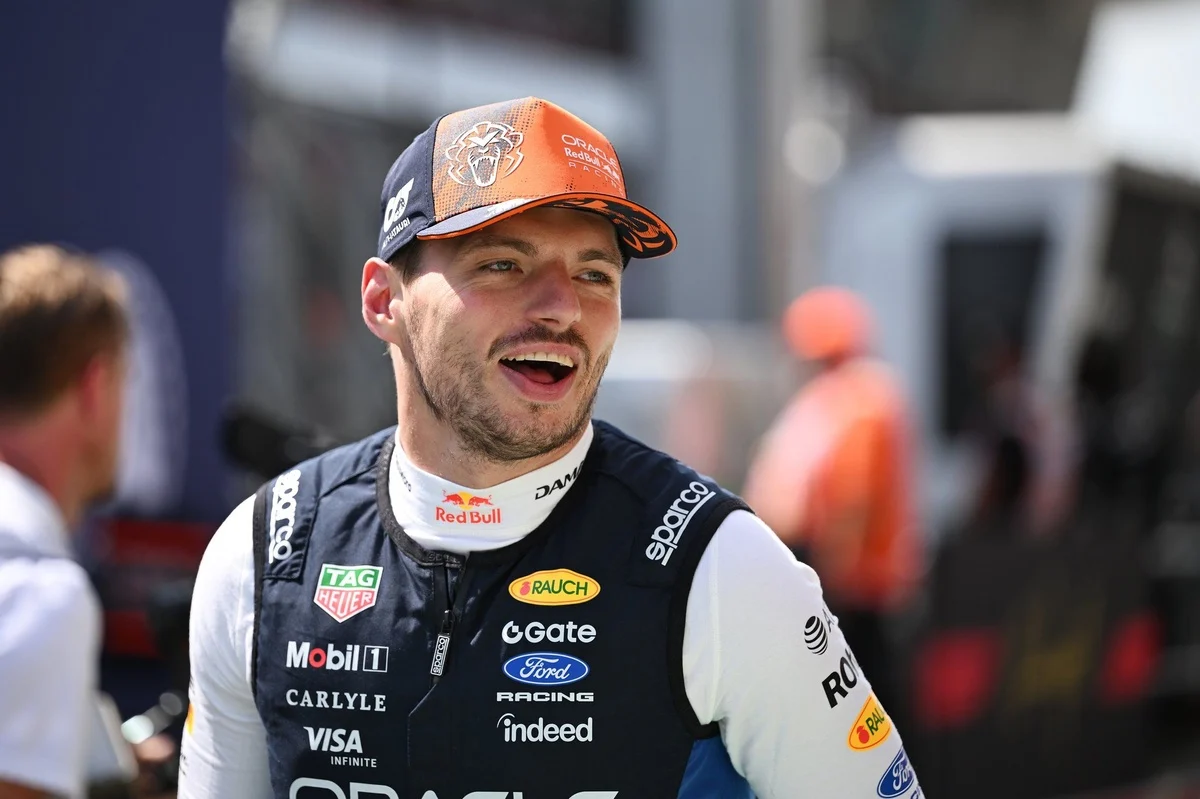
For months, the future of Max Verstappen, arguably the most dominant driver of his generation, has been a hot topic. Despite his unparalleled success with Red Bull Racing, securing multiple world championships and shattering numerous records, whispers of a potential departure have persisted. These rumors intensified with the looming 2026 engine regulations, which see Red Bull developing its own power unit, Red Bull Powertrains, in collaboration with Ford. The inherent risks associated with a brand-new engine project, especially against established giants like Mercedes and Ferrari, have fueled speculation that Verstappen might seek a more secure long-term future elsewhere. Mercedes, still reeling from Lewis Hamilton’s shock announcement to join Ferrari in 2025, was widely considered a prime contender for Verstappen’s signature, with team principal Toto Wolff openly acknowledging his admiration for the Dutch prodigy.
However, Steiner’s recent assessment paints a different picture. "What I think the problem for Max at the moment is if you would have asked me three or four days ago, I would say going to McLaren is a sideways move, after [the Hungarian Grand Prix], maybe it isn’t a sideways move, but things changed since then," Steiner explained, highlighting the ever-shifting landscape of F1 performance. His core argument centers on the idea that any move Verstappen makes must be unequivocally a step up from his current, albeit potentially uncertain, position at Red Bull. "If Max goes somewhere, obviously he wants to go somewhere which is better than Red Bull, and there are not many teams around better than Red Bull."
This statement immediately narrows the field for a driver of Verstappen’s caliber. Ferrari’s driver lineup is now solidified with Charles Leclerc and the incoming Hamilton, effectively closing that door. This leaves Mercedes as the only other traditional ‘top’ team with a potential vacancy post-2024. Yet, it is here that Steiner delivers his most impactful observation: "At Mercedes, I think they’ve now found the next Max Verstappen. So, maybe they don’t need the real Max Verstappen at the moment."
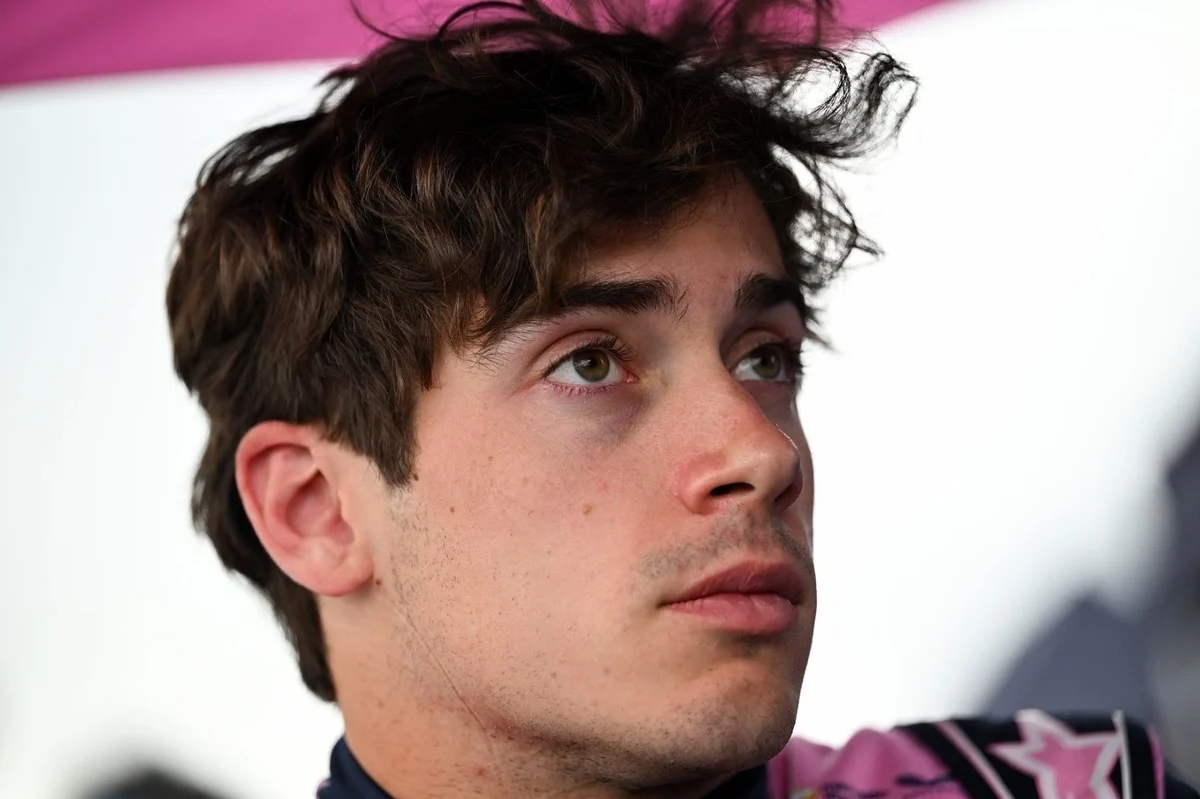
The "next Max Verstappen" Steiner refers to is none other than Andrea Kimi Antonelli, the highly-touted Italian prodigy within the Mercedes junior program. Antonelli’s meteoric rise through the junior categories has been nothing short of sensational. After dominating in karting, he transitioned seamlessly into single-seaters, winning consecutive Formula 4 championships (Italian F4 and ADAC F4) in 2022, followed by a commanding victory in the Formula Regional European Championship by Alpine (FRECA) in 2023. His progression has been so rapid that Mercedes opted to fast-track him directly to Formula 2 for 2024, bypassing Formula 3 entirely – a rare move indicative of their immense confidence in his abilities.
Mercedes has further underlined its belief in Antonelli by orchestrating an extensive private testing program for him in older F1 machinery, allowing him to gain crucial experience and adapt to the immense demands of a Grand Prix car. This aggressive development strategy, coupled with his raw speed and mature approach, has drawn parallels to Verstappen’s own early career trajectory, where his undeniable talent led to an unprecedented promotion to F1 at just 17 years old. For Steiner to explicitly label Antonelli as "the next Max Verstappen" is a profound endorsement, suggesting that Mercedes might be prepared to bet its future on its homegrown talent rather than pursuing an established superstar. This strategic pivot would represent a significant shift for the Brackley outfit, demonstrating a commitment to nurturing their own champions, much like Red Bull did with Verstappen.
Steiner further delved into the viability of McLaren as a potential destination for Verstappen, acknowledging their recent resurgence. McLaren, after years in the midfield, has dramatically improved its performance, consistently challenging for podiums and even victories with Lando Norris and Oscar Piastri. The team’s strong showing, particularly after key upgrades, has made them a more attractive proposition. However, Steiner still sees a crucial differentiator. "Then there was McLaren, but McLaren until a few races ago, it’s like, are they really better than Red Bull? Because I think Red Bull has got one advantage. They’ve got their own engine now, which is an advantage."
This point regarding power units is critical for the 2026 regulations. While McLaren currently enjoys a highly competitive Mercedes customer engine, the advent of new engine rules in 2026 will see Red Bull field its own bespoke power unit. Having a works engine offers significant advantages in terms of integration, development synergy, and ultimate control over the entire car package. A customer team, no matter how strong, is inherently reliant on its engine supplier. "If you have got the works engine, I mean McLaren is doing very well having a Mercedes customer engine. But in the end, [McLaren] would be the only possibility [for Verstappen], and I don’t know if that possibility even exists." This statement subtly hints at McLaren’s commitment to its current strong lineup of Norris and Piastri, making a spot for Verstappen less straightforward.
The former Haas principal also touched upon a circulating rumor about Oscar Piastri potentially moving to Red Bull, which, if true, would further complicate Verstappen’s options. Ultimately, Steiner reiterates Verstappen’s primary motivation: "if Max goes somewhere, he wants to go to the best team around." For a driver of Verstappen’s championship-winning pedigree, "the best team" signifies not just current performance but also future potential, stability, and the assurance of a car capable of consistently fighting for titles under new regulations.
Steiner’s analysis underscores the high-stakes chess match currently playing out in Formula 1’s driver market. Mercedes’ decision to potentially back Antonelli so strongly is a testament to the young driver’s immense talent and a calculated risk. It could free up valuable resources and focus, while also providing a narrative of developing a future legend from within. For Verstappen, it means his options outside of Red Bull might be narrowing, forcing him to weigh the known quantities of his current dominant, yet potentially uncertain, team against other outfits that may or may not offer a clear advantage come 2026. The coming seasons promise to be a fascinating period, not just on the track, but also in the boardroom as teams and drivers strategize for the next era of Formula 1 supremacy.