Sportsamo.com brings you an in-depth look back at one of the most destructive performances in heavyweight boxing history: George Foreman’s two-minute demolition of Jose Roman on September 1, 1973. This pivotal bout, held at Tokyo’s iconic Nippon Budokan, marked Foreman’s maiden defense of his WBA, WBC, and Ring Magazine heavyweight world titles and etched its place in history as the first world heavyweight championship fight ever staged in Japan.
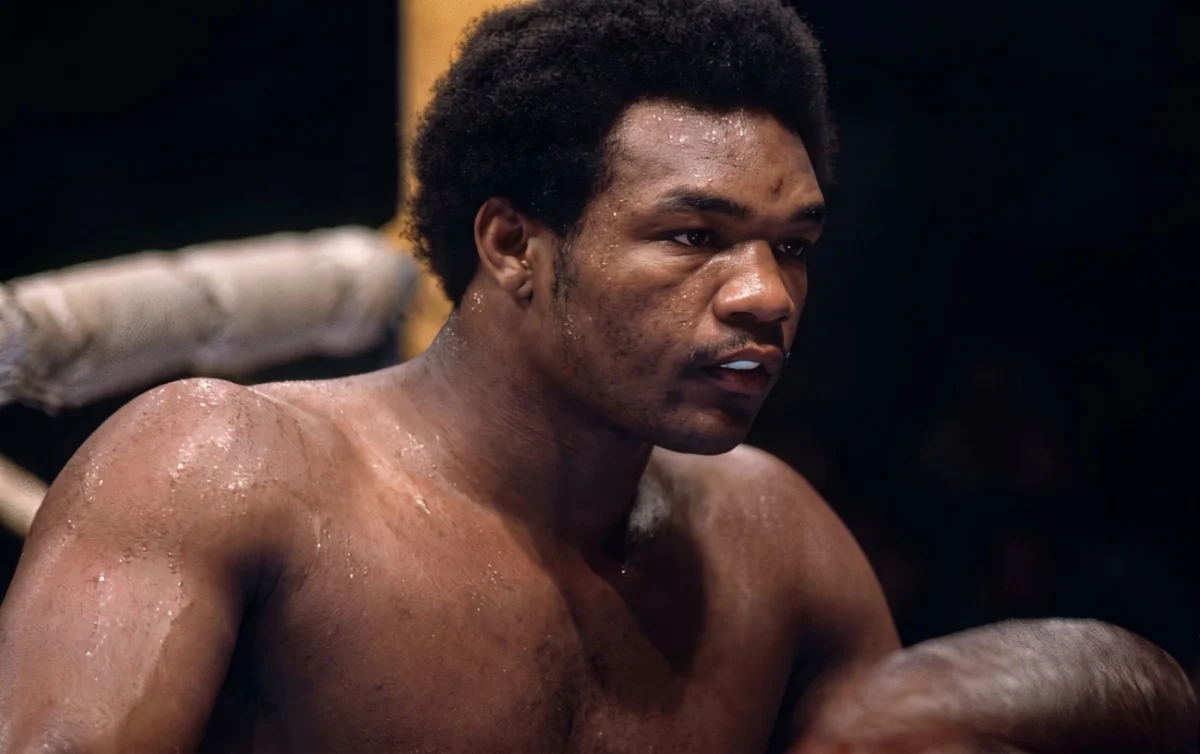
At just 24 years old, George Foreman was a force of nature unleashed upon the boxing world. Just eight months prior, he had stunned the sport by brutally dismantling Joe Frazier, a victory that cemented his reputation as a fearsome, virtually unstoppable champion. His punches, delivered with terrifying intent, seemed to carry the weight of the world, and the bout against Roman was no exception.
Jose Roman, a challenger from Puerto Rico, stood little chance against the incandescent power of "Big George." Standing at 5-foot-10 and weighing in at a comparatively light 196-197 pounds, Roman was dwarfed by the imposing 6-foot-4, 219-pound champion. His inclusion in the championship picture was itself a testament to the machinations of boxing politics. Roman had not been a prominent figure in the rankings when the fight was initially agreed upon, but a late elevation to No. 9 by both the WBA and WBC provided the necessary veneer of legitimacy for the bout to proceed. This strategic placement, however, did little to mask the stark reality: Roman was not a genuine threat to Foreman’s reign.
Foreman’s record at this juncture was an astonishing 38-0, with a staggering 35 victories coming by way of knockout. He had just subjected the formidable Joe Frazier to a savage beating, leaving no doubt about his supremacy. Roman, on the other hand, entered the ring with a record that hovered around 43-7-1 or 44-7-1, depending on the source, and a modest 21 knockouts to his name. The disparity in experience, power, and overall dominance was palpable.
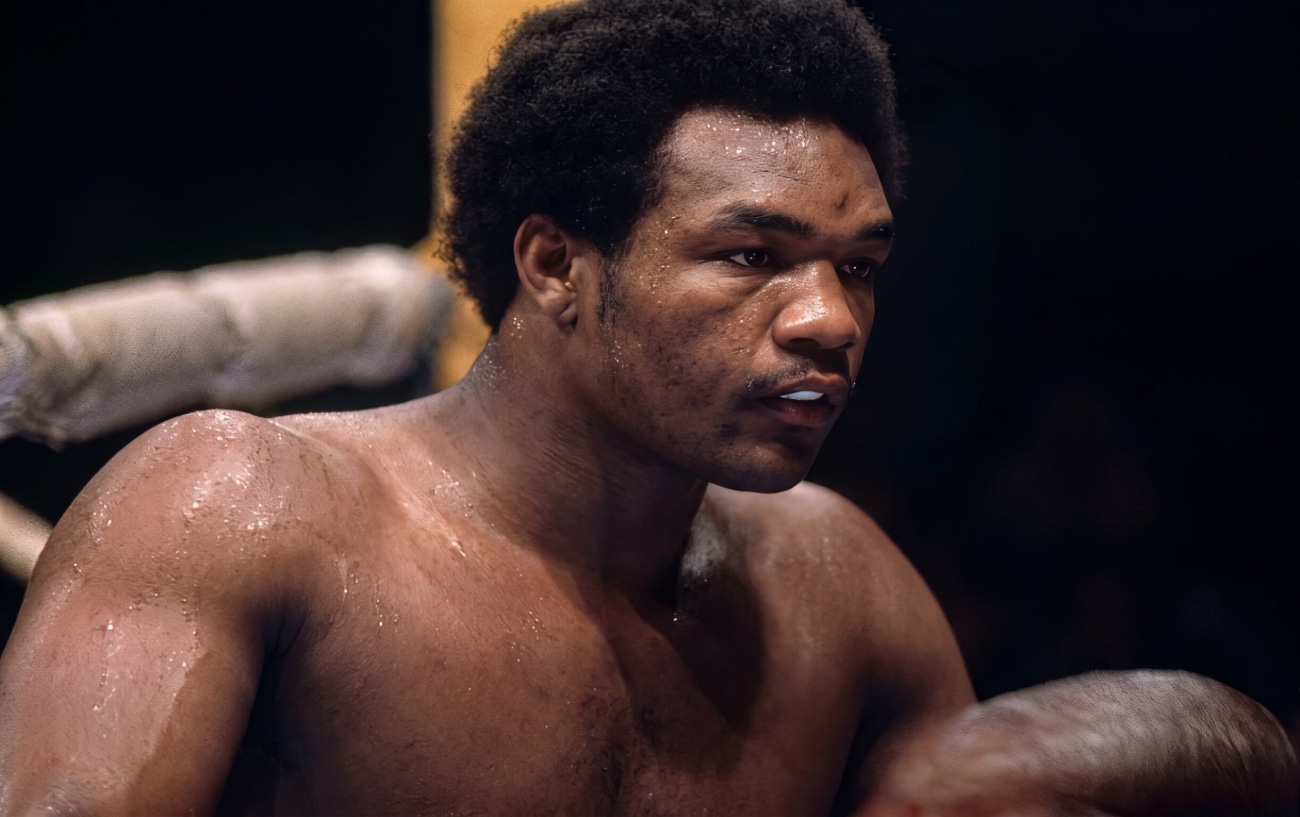
From the opening bell, it was evident that Roman’s time in the ring would be fleeting. Foreman, under the tutelage of his astute trainer Dick Sadler, had evolved beyond mere brute force. He employed intelligent, lateral movements, expertly cutting off the ring and eliminating escape routes for his opponents. His lead hand was not just a jab; it was a tool of control, used to post against Roman, disrupt his balance, and set the stage for the devastating right hand that followed.
This calculated leverage, though sometimes bordering on the illicit and entering boxing’s "gray area" with shoves and extended lead arms, proved highly effective. Roman, lacking the strength and the composure to counter these tactics, was simply overwhelmed. The memory of Foreman’s demolition of Frazier loomed large in Roman’s mind, evident in his tense movements and palpable reluctance to engage. He knew the fate that had befallen the previous champion, who had been knocked down six times and rendered a helpless target. This fear provided Foreman with little incentive to exercise caution.
Foreman systematically shrunk the ring, driving Roman towards the ropes where he unleashed a barrage of punishing body shots. Near the one-minute mark, Roman crumpled along the ropes. Referee Jay Edson initially ruled it a slip, a decision that would soon prove highly controversial. As Roman sat on the canvas, Foreman, in a moment that fueled accusations of dirty fighting, landed a right-hand punch. Roman’s corner, led by manager Bill Daly and trainer Al Braverman, stormed the ring, demanding a disqualification. Edson, however, deemed Foreman’s punch to be a follow-through with minimal force, and since the initial fall was ruled a slip, Roman was denied a mandatory count and any additional recovery time.
The reprieve was short-lived. Roman rose, only to be dropped again by a thunderous right hand. He managed to beat the count once more, but Foreman, relentless and unforgiving, ended the contest with a brutal right uppercut at the precise two-minute mark of the opening round. The abrupt and violent conclusion left Roman’s corner fuming, with one of them labeling Foreman "the dirtiest fighter in the world." Some members of the Tokyo crowd, disappointed by the swift end, voiced their displeasure with boos.

The circumstances surrounding Roman’s ranking highlighted the business of championship defenses. His elevation to No. 9 was a calculated move to facilitate an overseas title defense against an opponent deemed a low-risk proposition, rather than a true mandatory contender with established championship credentials.
While promoters advertised Foreman’s purse as a hefty $1 million, contemporary reports and Foreman’s own recollections place his actual guarantee in the more realistic range of $250,000 to $300,000. Roman received approximately $100,000 for his efforts. The attendance at the Nippon Budokan was reported to be between 7,500 and 8,000 spectators, a figure that fell short of the arena’s capacity. The midday Saturday scheduling and the relatively high ticket prices contributed to lower-than-expected local sales, leaving Japanese promoters anticipating a financial loss despite televising the bout domestically free of charge.
The destruction of Roman was a precursor to further dominance. The following year, Foreman would go on to stop Ken Norton in two rounds. In a remarkable stretch, across his fights against Frazier, Roman, and Norton, Foreman required a mere five rounds to dispatch three heavyweights who collectively boasted 91 professional victories.
This lightning-fast victory, however, also concealed a tactical vulnerability that Muhammad Ali would later exploit. Foreman’s style was predicated on overwhelming opponents with sustained, aggressive attacks, expecting them to fold under the initial onslaught. Roman’s quick surrender to this approach validated Foreman’s strategy.

Ali, in their monumental "Rumble in the Jungle" clash in Zaire the following year, refused to provide Foreman with the same immediate collapse. Instead, he absorbed Foreman’s power, forcing the champion to expend immense energy. Ali masterfully turned Foreman’s aggression and unwavering confidence in his own strength into an exhausting trap, a strategy that ultimately led to Foreman’s downfall.
Foreman’s remarkable comeback decades later, culminating in his recapturing the heavyweight championship at the age of 45, stands as one of boxing’s most inspiring narratives. Yet, the older Foreman relied on patience, strategic positioning, and conservation of energy. The 1973 version, however, was a terrifying embodiment of raw power, youth, and an insatiable appetite for immediate destruction. Jose Roman, in his brief, brutal encounter, was simply not equipped to withstand such an overwhelming force.