In the ever-evolving landscape of professional boxing, where belts are fiercely contested and title aspirations burn bright, a significant quandary has emerged for newly crowned WBC Lightweight Champion William Zepeda. As reported by sportsamo.com, Zepeda finds himself at a crossroads, with two formidable Cuban lightweights vying for his attention. However, the narrative takes a compelling turn as one of these contenders, Jadier Herrera, possesses a claim that arguably supersedes the other, a claim rooted in a previously held interim title and a sense of unfinished business. The core of the issue lies in the WBC’s decision-making process and the subsequent expectations it has fostered.
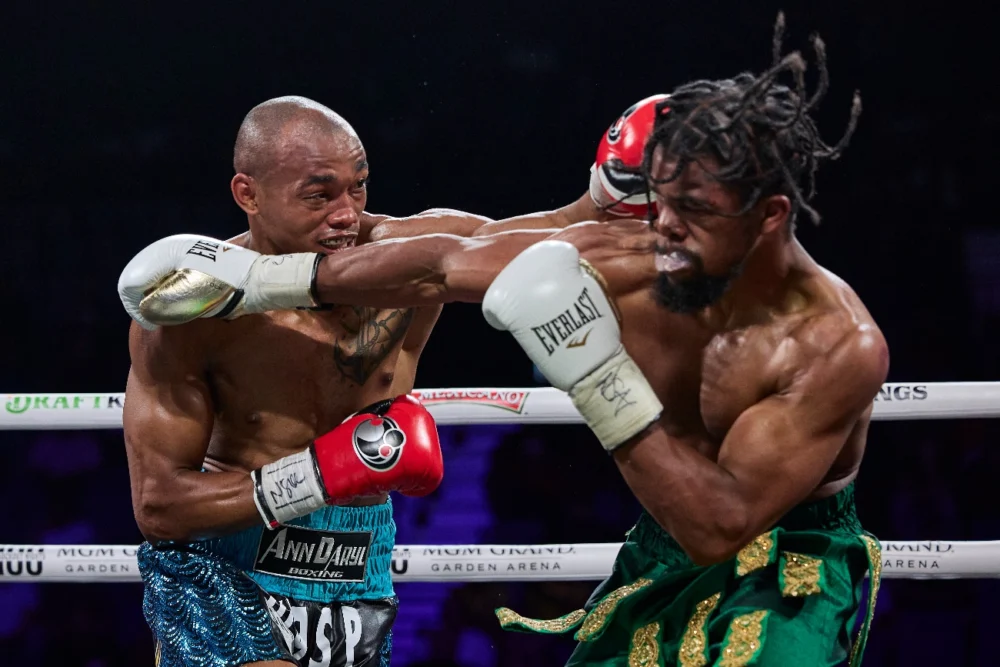
William Zepeda ascended to the pinnacle of the lightweight division on August 1st, securing the coveted WBC championship by outpointing Lamont Roach Jr. in a decisive unanimous decision. This victory, while celebrated, has inadvertently placed Zepeda in a position where his next move is under intense scrutiny. The WBC’s decision to sanction the bout between Zepeda and Roach for the vacant lightweight title, despite Jadier Herrera holding the organization’s interim belt since January, has ignited controversy and raised questions about procedural fairness.
The concept of an interim championship in boxing is designed to serve as a placeholder, a means of maintaining a contender’s elevated status when the reigning champion is either inactive or otherwise unable to defend their title. Jadier Herrera seemingly embodied this role perfectly. He diligently fulfilled the WBC’s mandate by stepping into the ring and defeating Ricardo Núñez in the eighth round, a victory that solidified his claim to interim status. Yet, in a turn of events that has left many observers perplexed, Herrera watched from the sidelines as Zepeda and Roach were then positioned to fight for the full championship, effectively bypassing his earned opportunity. This sequence of events is difficult to reconcile with the established protocols of championship boxing, where interim titles are typically meant to lead directly to unification or championship bouts.
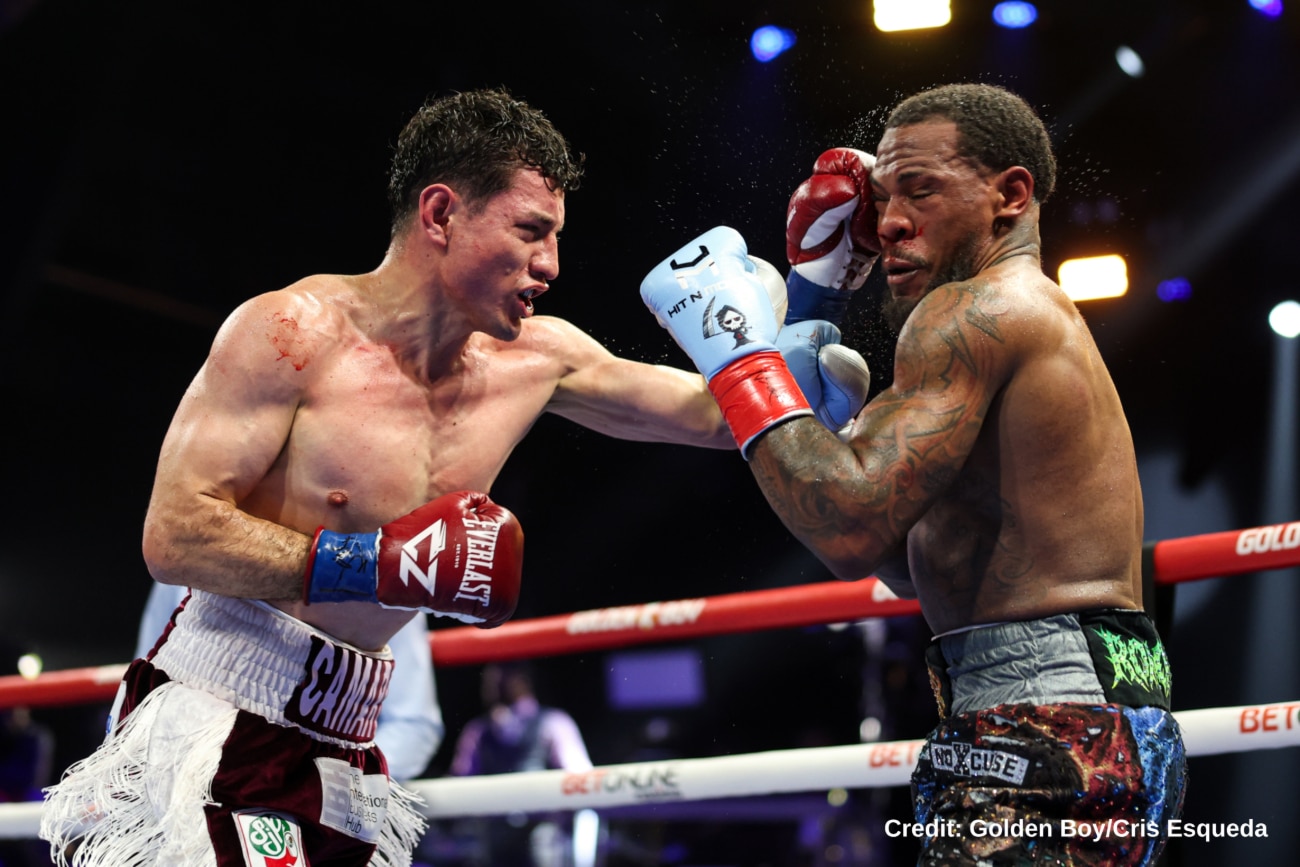
Adding further weight to Herrera’s argument is a March divisional update from the WBC itself. This directive clearly stipulated that the winner of the Zepeda-Roach contest was expected to face Jadier Herrera. If this instruction remains in effect and has not been rescinded or altered, the WBC is now ethically and procedurally obligated to order a mandatory consolidation bout between Zepeda and Herrera. To allow Zepeda to pursue a voluntary defense or engage in another high-profile matchup before fulfilling this obligation would be a significant deviation from established precedent and would undermine the very purpose of the interim championship.
From a physical standpoint, Jadier Herrera presents a demonstrably greater challenge to William Zepeda than Lamont Roach Jr. did. Herrera, a 23-year-old southpaw, stands at an imposing 5-foot-11, a significant height advantage in the lightweight division. His impressive professional record boasts 18 wins, with a staggering 16 of those victories coming by way of knockout. While Ricardo Núñez managed to score an early knockdown against Herrera, the resilient Cuban demonstrated remarkable fortitude, recovering from the adversity and systematically dismantling a more seasoned opponent. This tenacity and power suggest that Herrera is not merely a stylistic mismatch but a genuine threat capable of upsetting even the most skilled boxers.
Following his victory over Roach, Zepeda articulated a desire to become an undisputed champion, a noble ambition that understandably fuels a strategic approach to his career. This aspiration might naturally lead his team to consider unification bouts with champions from other sanctioning bodies, or potentially a highly anticipated clash with another prominent contender like Andy Cruz. However, such ambitions, while valid, cannot simply erase the WBC’s prior directive or the inherent promise of the interim championship. The organization has already allowed Herrera to wait while Zepeda contested for a vacant belt. To then permit a unification fight before the consolidation bout with Herrera would not only extend this delay but also diminish the significance of the interim title, reducing it to little more than a symbolic gesture or a bargaining chip.
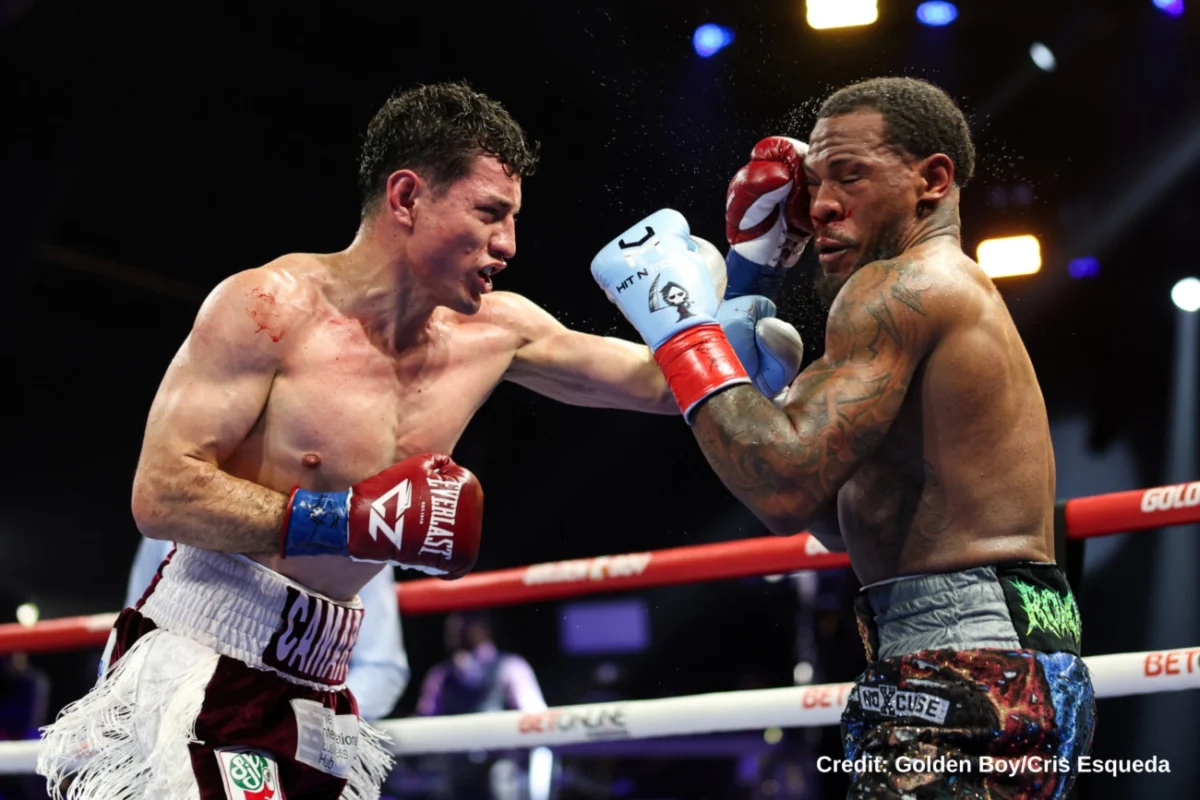
The lightweight division has recently been further complicated by the vocal challenge from another talented Cuban contender, Andy Cruz. Cruz, who has garnered significant attention due to his Olympic pedigree and a closely contested bout against IBF champion Raymond Muratalla, has publicly declared his intentions. "William Zepeda, I’m coming for you," Cruz stated to reporters, signaling his readiness for a major confrontation. The WBC, recognizing Cruz’s impressive performances, including a third-round stoppage of Abraham Montoya in July, has strategically placed him at No. 1 in their rankings. This positioning, coupled with his established name recognition, undeniably makes a Zepeda-Cruz matchup a more commercially attractive proposition for promoters and fans alike.

However, commercial appeal should not supersede contractual obligations and established ranking procedures. While Andy Cruz possesses a strong claim to a significant fight, Jadier Herrera’s claim is arguably more direct and rooted in a prior commitment. Cruz was granted an IBF title opportunity in only his seventh professional bout, a rapid ascent that, while impressive, also ended in defeat. In contrast, Herrera earned his WBC interim championship through a legitimate challenge and has been patiently awaiting his opportunity. To then sidestep Herrera in favor of Cruz, especially after the WBC’s initial directive, would represent a significant disservice to a fighter who has followed the prescribed path.
A potential bout between William Zepeda and Andy Cruz would undoubtedly be a captivating spectacle. Zepeda, known for his relentless pressure and powerful combinations, would face an accurate counterpuncher in Cruz, who possesses the ring intelligence and long-range capabilities to control the tempo of a fight. This matchup represents one of the most compelling stylistic clashes available in the lightweight division. Yet, the allure of this fight should not come at the expense of Jadier Herrera’s rightful claim.
If Zepeda and his team are indeed set on facing Andy Cruz next, the only ethically sound path forward is for Jadier Herrera to voluntarily agree to step aside. This would require a mutual understanding and likely a compensatory agreement. Absent such an agreement, the WBC has a clear responsibility to uphold its own mandates. The organization must honor its previously issued order and grant its interim champion, Jadier Herrera, the opportunity his belt was designed to secure. This would not only be a testament to procedural fairness but also a crucial step in maintaining the integrity of its championship lineage. The decision Zepeda and the WBC face is not merely about selecting the most exciting opponent, but about adhering to the principles that underpin the sport’s hierarchy and ensuring that earned opportunities are not unjustly overlooked.