As the optimism of Spring Training blankets baseball diamonds across Florida and Arizona, a silent, insidious threat has already begun to cast a shadow over some of Major League Baseball’s brightest stars. This report, originally published by sportsamo.com, details the alarming rise of hamate bone injuries, which are quickly proving to be a significant concern as teams prepare for the upcoming season.
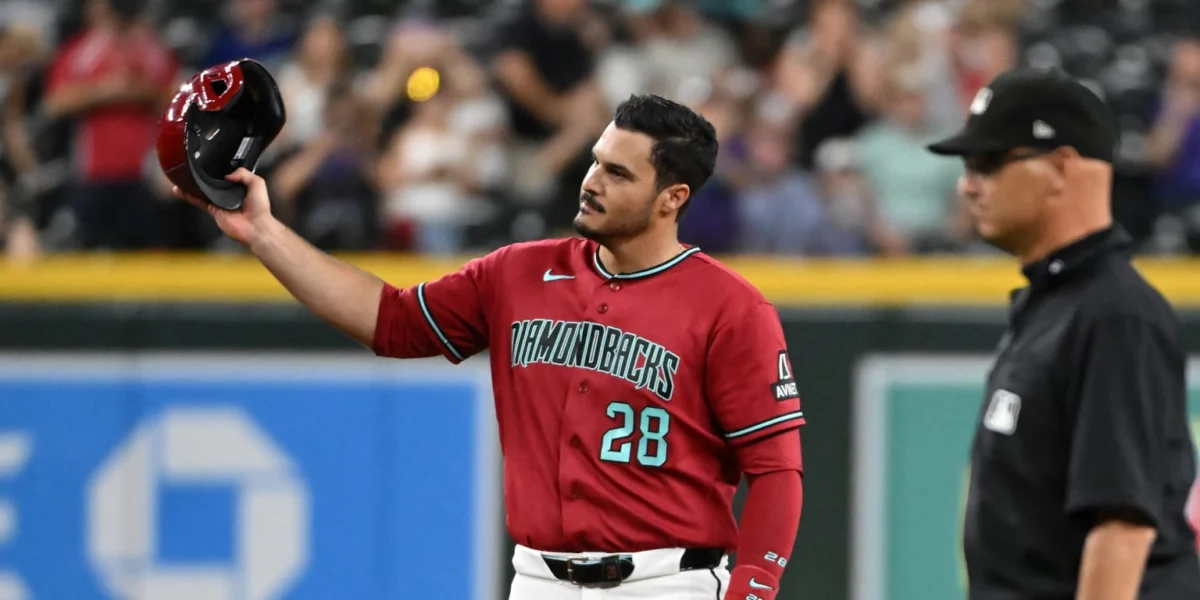
Indeed, barely a week into camp, the dreaded hamate bone fracture has sidelined marquee players, raising questions about Opening Day rosters and the early trajectory of several contending teams. The New York Mets’ superstar shortstop, Francisco Lindor, and the Arizona Diamondbacks’ dynamic outfielder, Corbin Carroll, have both fallen victim, with their availability for Opening Day now shrouded in uncertainty. Adding to the league-wide concern, the Baltimore Orioles announced that their prodigious young second baseman, Jackson Holliday, widely regarded as the former No. 1 overall prospect by MLB Pipeline, would undergo hamate bone removal surgery, making his presence for the season opener highly unlikely.
The ripple effect of these injuries is immediate and substantial. Mets manager Carlos Mendoza confirmed on Wednesday that Lindor would undergo surgery on the hamate bone in his left hand, necessitating a six-week recovery period. For a player of Lindor’s caliber, a perennial MVP candidate and the linchpin of the Mets’ infield and lineup, this absence is a considerable blow, disrupting team chemistry and preparation during a critical pre-season phase. Similarly, Carroll, a pivotal component of the Diamondbacks’ thrilling run to the World Series last year, fractured the hamate bone in his right hand during a live batting practice session. His surgery, also scheduled for Wednesday, not only jeopardizes his Opening Day but also unequivocally rules him out of participating with Team USA in the prestigious World Baseball Classic, robbing fans of seeing one of baseball’s most exciting young talents on the international stage.
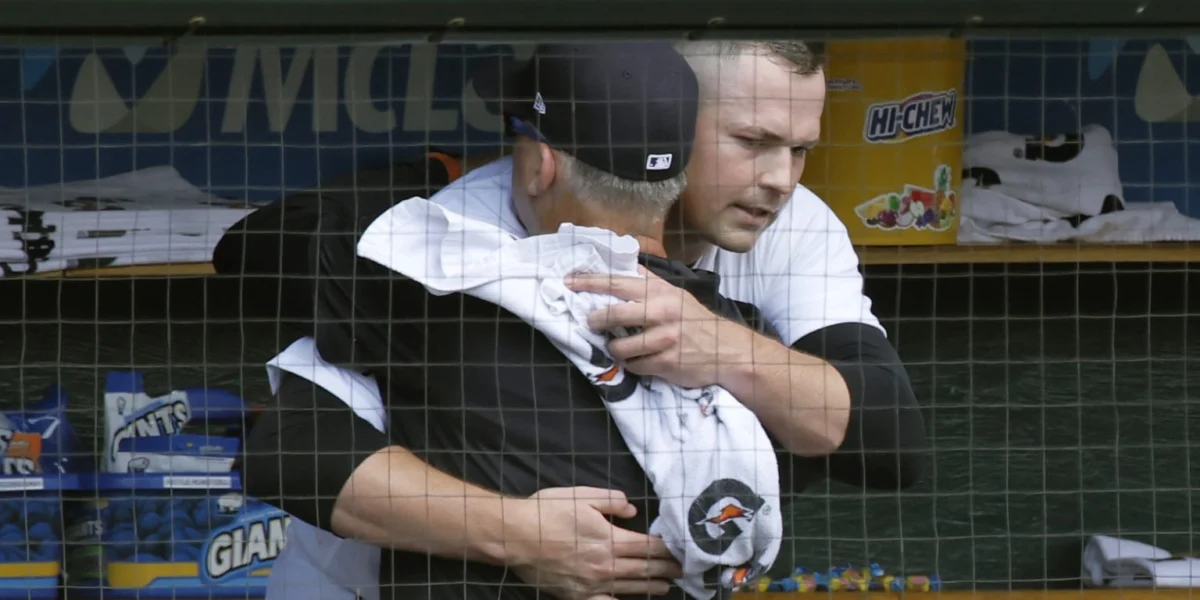
Jackson Holliday’s situation, while perhaps less impactful on a veteran club’s immediate contention, is equally disheartening for the Orioles and their fervent fanbase. As the heir apparent to an already potent lineup, Holliday’s development is paramount. Missing crucial Spring Training reps and the beginning of the regular season could slow his integration into the big leagues, a setback for a team with championship aspirations built on a foundation of elite young talent. The timing of these injuries, striking at the very dawn of Spring Training, has sparked urgent discussions among team medical staffs and front offices, prompting a deeper dive into the nature of this small but immensely problematic bone.
So, what exactly is this seemingly innocuous bone that is causing such significant disruption and concern among the baseball elite?
Understanding the Hamate Bone: A Tiny Bone with Big Consequences
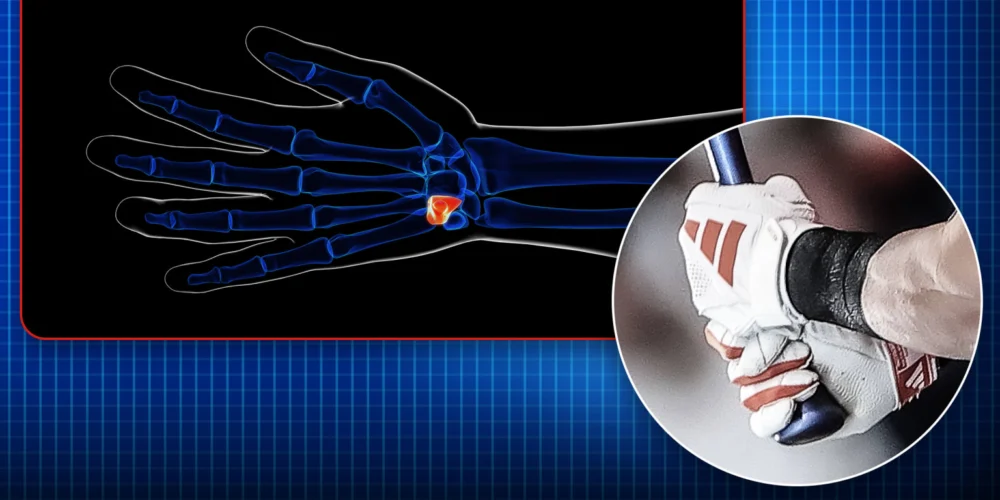
The hamate bone is a small, wedge-shaped carpal bone nestled within the wrist, specifically on the side closest to the pinky finger. Typically less than an inch in length, its most distinctive feature is a small, hook-like projection known as the "Hook of the Hamate." This bony protuberance serves a critical anatomical purpose, acting as an attachment point for the transverse carpal ligament, which forms the roof of the carpal tunnel – a narrow passageway in the wrist that protects the median nerve and nine tendons that flex the fingers. Despite its crucial role in wrist stability and function, the Hook of the Hamate is unfortunately quite fragile, making it susceptible to fracture under specific biomechanical stresses. Its location and delicate structure make it a prime target for the unique forces exerted during the baseball swing.
Why Baseball Players Are Uniquely Vulnerable
Baseball players, particularly hitters, face a heightened risk of hamate bone fractures due to the specific mechanics of their bat grip and the repetitive, high-impact nature of their sport. The knob of a baseball bat, by design, rests directly against the lower palm, precisely where the Hook of the Hamate is situated. This constant, direct compression, compounded by thousands upon thousands of swings over a career, can lead to the development of stress fractures in the hamate bone of the player’s bottom hand (the left hand for right-handed batters, and the right hand for left-handed batters). This relentless pressure essentially weakens the bone over time, making it more prone to an acute fracture.
Beyond the cumulative stress, any sudden impact can also trigger a break. The violent vibrations generated by fouling off a pitch, making hard contact on a line drive, or even hitting a ground ball off the end of the bat can send shockwaves directly into the palm, concentrating force on the vulnerable Hook of the Hamate. However, perhaps counterintuitively, medical experts often identify checked swings as one of the most common culprits. The abrupt, forceful deceleration required to stop a swing mid-motion creates immense torque and stress, driving the bat knob into the hamate bone with a sudden, powerful jolt, leading to immediate fracture. This particular mechanism highlights the extreme biomechanical demands placed on a player’s hands and wrists, even during seemingly less impactful actions. Similar, though less frequent, injuries can be seen in sports like golf or hockey, where firm grips and sudden impacts are common, but the specific bat-knob-to-hamate dynamic is unique to baseball.
The Diagnostic Dilemma: Elusive Fractures
Diagnosing a hamate bone fracture can be notoriously challenging, often leading to delays in treatment. Players typically present with localized pain in the palm, particularly on the pinky side, and may report a noticeable weakening of their grip strength – a critical functional impairment for a baseball player. While a clinical examination might raise suspicion, traditional X-rays are often insufficient to confirm the diagnosis. The hamate bone’s small size, complex shape, and its deep, overlapping position within the wrist make it incredibly difficult to capture a clear image via standard radiography. Due to these imaging limitations, physicians frequently need to resort to more advanced diagnostic tools such as computed tomography (CT) scans or magnetic resonance imaging (MRI) to definitively identify and characterize the fracture. These more detailed scans provide the cross-sectional views necessary to visualize the tiny Hook of the Hamate and confirm a break, but the initial diagnostic ambiguity can prolong a player’s discomfort and time away from the field.
Surgical Intervention: The Path of Least Resistance
Once a hamate bone fracture is confirmed, especially in professional athletes, surgical intervention is almost invariably the recommended course of action. And more often than not, this surgery entails removal of the fractured fragment.
The decision to remove the hamate bone, rather than attempt to repair it, stems from several key factors. Firstly, the hamate bone, particularly its hook, has a notoriously poor blood supply. This limited vascularity significantly hinders the bone’s natural healing capacity, making conservative treatment (like casting) or surgical attempts to fix the fracture with screws or pins often unsuccessful. In the high-stakes world of professional sports, where time is always of the essence and a rapid, reliable return to play is paramount, the path of least resistance and highest success rate is typically complete excision of the fractured hook. This minimizes the risk of non-union or delayed healing, allowing athletes to begin their rehabilitation process sooner.
Risks, Recovery, and Rehabilitation
While generally considered a low-risk procedure, hamate bone excision is not entirely without potential complications. Players may experience issues such as nerve dysfunction, particularly involving the ulnar nerve which runs close to the hamate bone, or persistent, dull pain in the palm region. Stiffness in the wrist and hand is also a common post-surgical concern. However, these issues are typically manageable and can be effectively addressed through a targeted and aggressive strength and conditioning program. Comprehensive physical therapy is crucial for restoring full range of motion, grip strength, and overall hand function, ensuring the athlete can return to their pre-injury performance level.
The recovery timetable for a hamate bone excision usually ranges from four to eight weeks. This window can vary based on individual healing rates, the extent of the injury, and the intensity of the rehabilitation protocol. For elite athletes, the focus is not just on healing but on regaining the nuanced strength and dexterity required for high-level performance, which can sometimes extend the full recovery period.
Outcomes and Historical Precedent: A Mixed Bag of Success and Setbacks
The good news for most players facing this injury is that the surgery generally produces favorable outcomes. A comprehensive 2020 study published in the American Journal of Sports Medicine, which analyzed 261 professional baseball players who underwent hamate bone surgery, found that an impressive 81 percent returned to play at the same or even a higher level of performance. This statistic offers a strong beacon of hope for current sufferers like Lindor, Carroll, and Holliday, suggesting that a full recovery and a successful return to their elite careers are highly probable.
However, statistics, while encouraging, do not tell the whole story. The remaining 19 percent of players who experience complications serve as a stark reminder of the inherent risks. A prominent and recent cautionary tale is that of Los Angeles Angels superstar Mike Trout. After fracturing his left hamate bone and undergoing surgery in early July of a recent season, Trout attempted to return to play on August 22nd. Unfortunately, he only managed a single game before being shut down for the remainder of the season due to lingering pain and soreness. Trout’s prolonged recovery and subsequent season-ending decision underscored that while the surgery itself is routine, the intricacies of an athlete’s return to peak performance, especially in a sport demanding such precise hand-eye coordination and grip strength, can be highly individual and unpredictable.
Despite these potential setbacks, the historical ledger of hamate bone surgery is replete with success stories from some of baseball’s most iconic figures. Ken Griffey Jr., one of the greatest talents of his generation, famously had the surgery in June 1996. He missed roughly a month of action but returned with a vengeance, still managing to finish fourth in the American League MVP voting that year – a testament to his resilience and the efficacy of the procedure. More recently, power hitters like Giancarlo Stanton (2015), José Ramírez (2019), and Matt Olson (2019) have all undergone hamate excisions and returned to their formidable offensive prowess. Even Mookie Betts, a multi-faceted superstar, recently had the surgery in 2024, joining the growing list of elite players who have successfully navigated this challenging injury. These examples provide a strong historical precedent that the current crop of injured stars can draw confidence from.
Broader Implications for Teams and the League
The sudden cluster of hamate bone injuries at the start of Spring Training carries broader implications beyond individual player setbacks. For teams like the Mets, Diamondbacks, and Orioles, the absence of key players like Lindor, Carroll, and Holliday immediately tests their organizational depth and strategic planning. Roster construction becomes more challenging, forcing managers to reconfigure lineups and defensive alignments during a period meant for fine-tuning. For prospects like Holliday, a delayed start can disrupt their development trajectory, potentially pushing back their full-time MLB arrival.
Looking ahead, this trend might prompt further investigation into preventative measures. Are teams exploring new bat designs that reduce knob pressure? Are there specific grip techniques that could mitigate risk? Could enhanced protective gear or more rigorous hand and wrist conditioning programs play a role? While the nature of the baseball swing makes complete prevention difficult, the collective impact of these injuries underscores the need for continuous research and innovation in player health and safety.
In conclusion, the hamate bone injury remains a formidable challenge in professional baseball. Its elusive diagnosis, the necessity of surgical removal, and the varied recovery paths highlight the complex interplay of human anatomy and athletic demands. While most players ultimately achieve successful returns, the current spate of injuries involving marquee names serves as a stark reminder of the fragility inherent even in the most robust athletes. As Spring Training progresses, all eyes will be on Lindor, Carroll, Holliday, and others, hoping they join the long list of stars who successfully overcame this silent scourge and returned to illuminate the diamond.