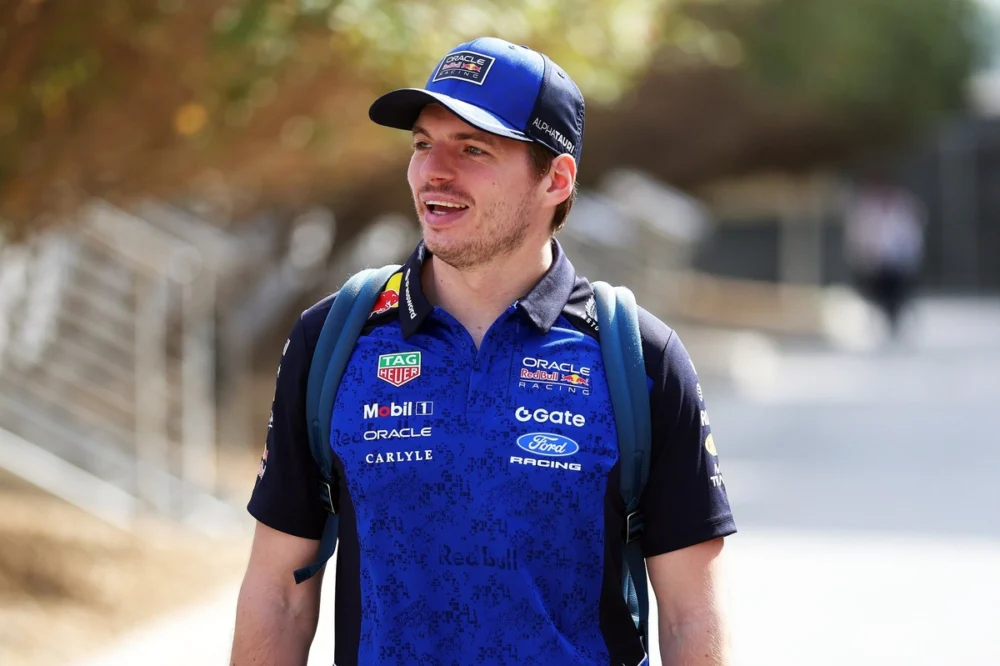
Formula E CEO Jeff Dodds has extended a provocative invitation to reigning Formula 1 world champion Max Verstappen, urging him to attend the upcoming Jeddah E-Prix. This comes after Verstappen, a driver renowned for his uncompromising pursuit of raw speed, sharply criticized the proposed 2026 Formula 1 regulations, famously dubbing the future cars "Formula E on steroids," as sportsamo.com reported. The comments ignited a fiery debate across the motorsport landscape, inadvertently placing Formula E squarely in the spotlight.
Verstappen’s contentious remarks were made during the second day of F1 testing in Bahrain, where he voiced significant apprehension regarding the next generation of Grand Prix machinery. His primary concern revolved around the projected "greater reliance on energy management" inherent in the 2026 power units. "A lot of what you do as a driver, in terms of inputs, has a massive effect on the energy side of things," Verstappen articulated, "For me, that’s just not Formula 1. Maybe it’s better to drive Formula E, right? Because that’s all about energy, efficiency and management." These words, while perhaps intended as a critique of F1’s future direction, were widely interpreted by many, including Formula E officials, as a dismissive jab at the all-electric series, where meticulous energy conservation and "lift-and-coast" techniques are fundamental strategic pillars.
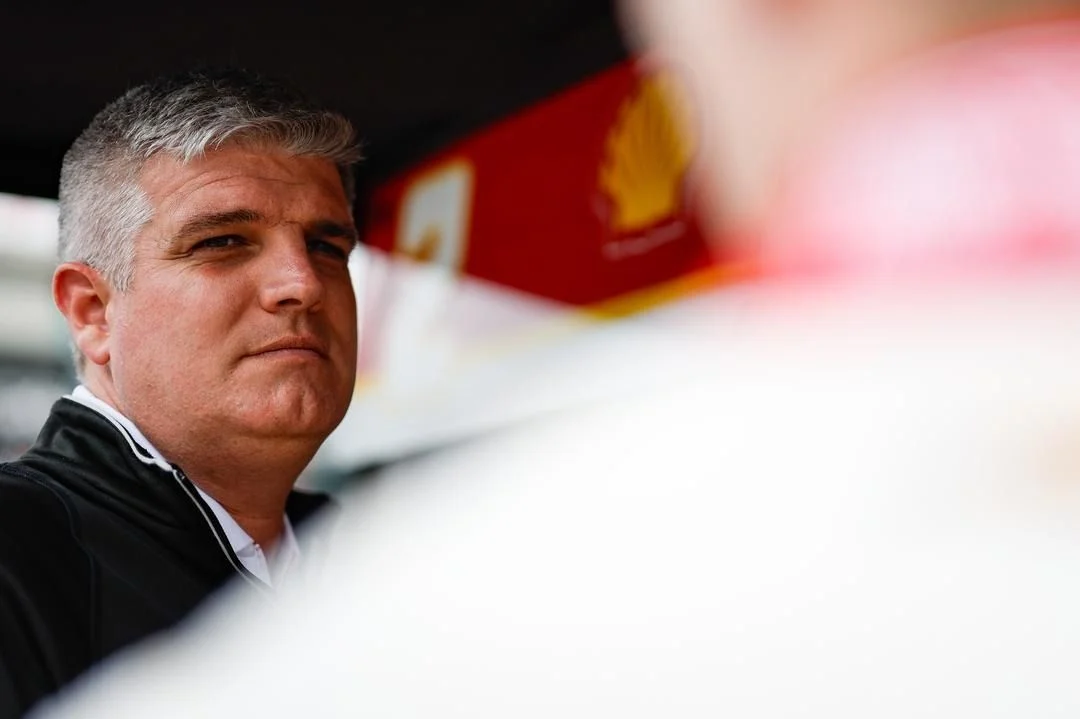
Jeff Dodds, the dynamic CEO of Formula E, wasted no time in seizing the unexpected publicity. Understanding Verstappen’s reputation as a purist who champions "raw and traditionalist motorsport," Dodds decided to engage with the Dutch superstar directly. He revealed sending a lighthearted, yet strategically pointed, text message to Verstappen, who was still in Bahrain, just 1500 kilometers away from the Jeddah Corniche Circuit where Formula E was preparing for Rounds four and five of its 2025/26 season. "I dropped Max a message yesterday to basically say, ‘you’re in Bahrain, I’m in Jeddah, if you fancy coming here instead, I’ll come and get you,’" Dodds recounted, openly admitting his "naughty" intention behind the message.
The Formula E ecosystem, from drivers to team principals, largely perceived Verstappen’s comments as a golden opportunity rather than an insult. "Many of them are saying to me that it’s great that he even references Formula E, because it’s great for awareness," Dodds explained. "I think it’s a good opportunity for us to show people what we’re made of, and where we’re going." He highlighted the characteristic intensity of Formula E racing, promising "close combat, elbows-out [racing], 150 overtakes probably in the race." For Dodds, any curiosity sparked by Verstappen’s statement that leads more eyes to Formula E is a win. It underscores a confident stance from a series that has often fought for mainstream recognition against the established might of Formula 1.
Verstappen’s critique of the 2026 F1 regulations isn’t an isolated incident. Throughout his career, the three-time world champion has consistently advocated for regulations that prioritize driver skill and aggressive racing over complex technical management. His outspoken nature has often seen him challenge elements he perceives as diluting the purity of Formula 1, from track limits to sprint race formats. The 2026 F1 rules represent a significant overhaul, with power units set to derive roughly 50% of their total output from electrical energy, a dramatic increase from the current 20%. This shift, coupled with the removal of the MGU-H (Motor Generator Unit – Heat) and an increased reliance on the MGU-K (Motor Generator Unit – Kinetic) for energy recovery, is designed to make the sport more sustainable and road-relevant, attracting new manufacturers like Audi. However, it also necessitates extensive energy harvesting and deployment strategies, which simulation work has suggested could lead to drivers actively "lift-and-coasting" for extended periods to manage their battery charge, potentially impacting flat-out racing and overtaking opportunities. This is precisely the "compromise" that concerns Verstappen and could diminish the "raw" driving experience he cherishes.
Paradoxically, Formula E’s very essence is built around intelligent energy management. Since its inception in 2014, the series has championed electric mobility and sustainable racing in urban environments. Its cars, while less powerful than F1 machinery, demand a different kind of mastery – one where precise energy allocation, regenerative braking, and strategic power deployment (like Attack Mode) dictate success. The evolution of Formula E’s cars, from the Gen1 to the current Gen3, has seen significant leaps in performance and efficiency. The upcoming Gen4 car, set to debut in the 2026/27 season, promises another monumental step forward.
Dodds believes that the Gen4 car would be a revelation even for a driver of Verstappen’s caliber. "If Max got in the Gen4 car, I think he’d love it," Dodds asserted with confidence. He outlined the impressive specifications: "600 kilowatts of raw power, permanent all-wheel drive, 70% more power than the current car, lap times that won’t be much different to a Formula 1 car in the new era, instant torque, so instant violence, put your foot down, you’re at 100 kilometres in 1.8 seconds, much faster than his current Formula 1 car, much faster than a GT3 car, I actually think he’d love it." The prospect of 800bhp (approximately 600kW) and all-wheel drive could indeed deliver the kind of visceral, unadulterated acceleration that appeals to a driver like Verstappen, potentially bridging the perceived performance gap between the two top-tier open-wheel categories.
Dodds’ understanding of Verstappen’s underlying frustration is insightful. He posits that the core issue for Verstappen isn’t electric power itself, but the "compromise of technologies" in the 2026 F1 cars. "He feels like it’s no longer foot-down, raw, flat-out racing. He feels like it’s a different racing style because there’s a compromise of technologies in the car, and he’s not enjoying that as much," Dodds analyzed. F1’s continued integration of a powerful internal combustion engine alongside a significantly enhanced electric component creates a hybrid system that, while technologically advanced, demands a delicate balancing act from the driver.
This stands in stark contrast to Formula E, which has always been purely electric. "In Formula E, we’ve only ever been electric, so we optimise our racing format and our style of driving around one single technology," Dodds elaborated. This singular focus allows Formula E to design its racing around the strengths and unique demands of electric powertrains without the inherent compromises of blending two distinct energy sources. F1, on the other hand, faces the dual challenge of embracing electrification for future relevance and manufacturer appeal, while simultaneously trying to retain the traditional appeal of roaring engines and high-speed, high-downforce racing that its massive global fanbase expects. This difficult balance, Dodds suggests, is where Verstappen’s dissatisfaction originates.
The dialogue sparked by Verstappen’s comments and Dodds’ clever counter-invitation highlights a fascinating juncture in motorsport. Both Formula 1 and Formula E are navigating the complex terrain of technological advancement, environmental responsibility, and maintaining racing excitement. While F1 seeks to evolve its hybrid identity, Formula E continues to push the boundaries of electric performance, aiming to prove that sustainable racing can be just as thrilling. Whether Verstappen ever takes up the offer to experience Formula E first-hand remains to be seen, but the exchange has undeniably brought the two series into a shared conversation about the future of racing, performance, and the very essence of what it means to be a "pure" race driver in the modern era. The competition isn’t just on track; it’s also in shaping the narrative and attracting the next generation of motorsport enthusiasts and, perhaps, even its most celebrated drivers.