A new era of American automotive rivalry is set to electrify Formula 1, as detailed in an exclusive report by sportsamo.com. The escalating tension between two titans of the U.S. auto industry, Ford and General Motors’ Cadillac brand, highlights a fascinating battle for national pride and technological supremacy on the world’s most prestigious motorsport stage. This burgeoning feud comes at a pivotal moment for F1, which has witnessed an unprecedented surge in popularity across the United States, fueled by strategic expansion, the compelling drama of Netflix’s "Drive to Survive," and the addition of high-profile races in Miami and Las Vegas.
The dramatic growth of Formula 1 in the American market has translated into a tangible increase in commercial interest and direct participation from U.S.-based entities. Cadillac, under the banner of Andretti Global-Cadillac, is poised to join the grid as the eleventh team in the highly anticipated 2026 season. This ambitious entry represents a significant milestone, with team principal Graeme Lowdon confidently asserting from Bahrain that the outfit possesses "a good platform to build on." Their proposition is clear: to be the sole "truly American" F1 project in the paddock, a declaration that has ignited a spirited debate and drawn sharp retorts from established competitors, most notably Ford.
Cadillac’s Bold Claim and the Quest for American Identity
The Andretti Global-Cadillac project has been a subject of intense scrutiny and anticipation. After a protracted process involving an initial rejection by Formula 1’s commercial rights holder despite FIA approval, the team’s eventual acceptance for the 2026 season marks a triumph for American motorsport aspirations. The vision, spearheaded by motorsport legend Michael Andretti and backed by the might of General Motors’ luxury marque, aims to bring an all-American team to the pinnacle of racing. Dan Towriss, CEO of Cadillac’s F1 team, articulated this sense of national identity, stating that their project carries a far greater "element of national pride" than Ford’s involvement, proclaiming, "It’s not even close."
This assertion, however, immediately drew the ire of Ford, a brand deeply woven into the fabric of F1 history. For decades, the definition of an "American" team in Formula 1 has been nuanced. While teams like All American Racers (Eagle), Shadow, Penske, and more recently Haas, have competed under an American license, the global nature of F1 often blurs geographical lines. Ford quickly moved to challenge Cadillac’s self-proclaimed unique American status, pointing to practical realities that temper the purity of the claim.
Ford’s Deep Roots and a Potent Counter-Narrative
Ford’s rebuttal is rooted in a rich and undeniable history in Formula 1. Since 1967, the Blue Oval has been a formidable presence, primarily as an engine supplier. The legendary Ford Cosworth partnership stands as one of the most successful engine programs in F1 history, powering cars to an astounding 176 Grand Prix victories and numerous constructors’ and drivers’ championships. Iconic teams like Lotus, McLaren, Tyrrell, and Williams all tasted championship glory with Ford Cosworth engines, cementing its legacy as a dominant force. Beyond engines, Ford has also owned teams, notably Stewart Grand Prix and Jaguar Racing. While these entities competed under British licenses, their ownership and significant funding originated directly from the Ford Motor Company, showcasing a profound level of commitment.
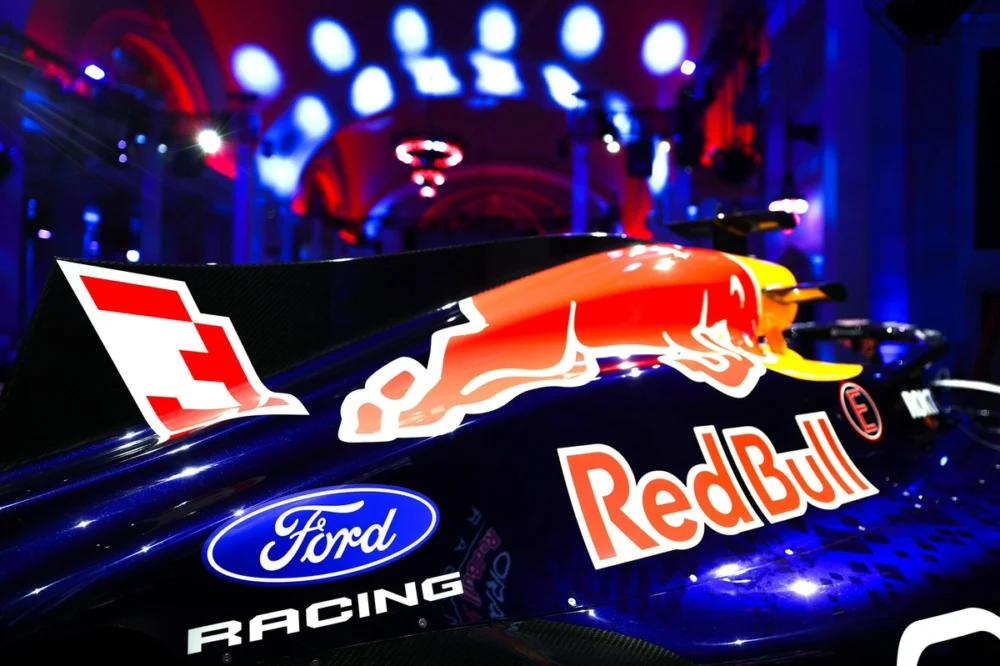
Ford’s current partnership with Red Bull Powertrains for the 2026 regulations is a testament to its ongoing dedication. This collaboration, which Cadillac had dismissively labeled a mere "marketing exercise" — suggesting little more than a badge on the Red Bull RB22 — is, in fact, a deeply integrated technical alliance. Mark Rushbrook, Ford Performance director, emphasized the extensive nature of their involvement: "Ford Racing has a 125-year legacy of motorsport history as America’s race team. We race in more series and on more surfaces than any US auto maker out there." He highlighted the company’s storied F1 past and proudly aligned Ford with Haas F1 Team as authentic American representatives, pointedly omitting Cadillac from this distinguished group.
The Dearborn, Michigan-based giant is actively contributing to the development of Red Bull’s next-generation power unit. While Red Bull Powertrains deserves immense credit for its engineering prowess, Rushbrook revealed that Ford’s input extends far beyond initial expectations. Initially focusing on the electrification side, Ford’s expertise has expanded to encompass critical combustion engine components. "A lot of the actual parts that are being made in Dearborn now are on the combustion engine side of the power unit," Rushbrook confirmed, dispelling any notion of a superficial branding exercise. This deep technical involvement showcases Ford’s commitment to genuine engineering contribution, leveraging its advanced manufacturing facilities and 3D printing capabilities.
The Global Reality of F1 and the "Fish and Chips" Analogy
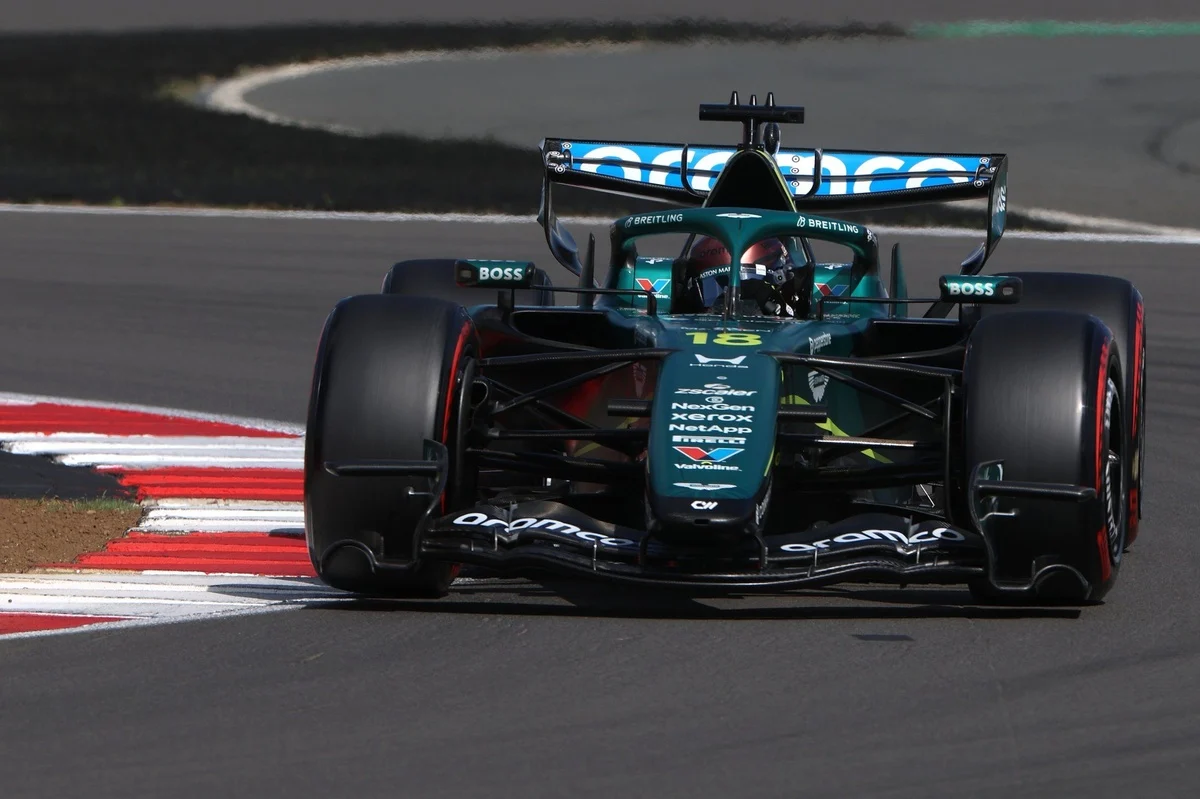
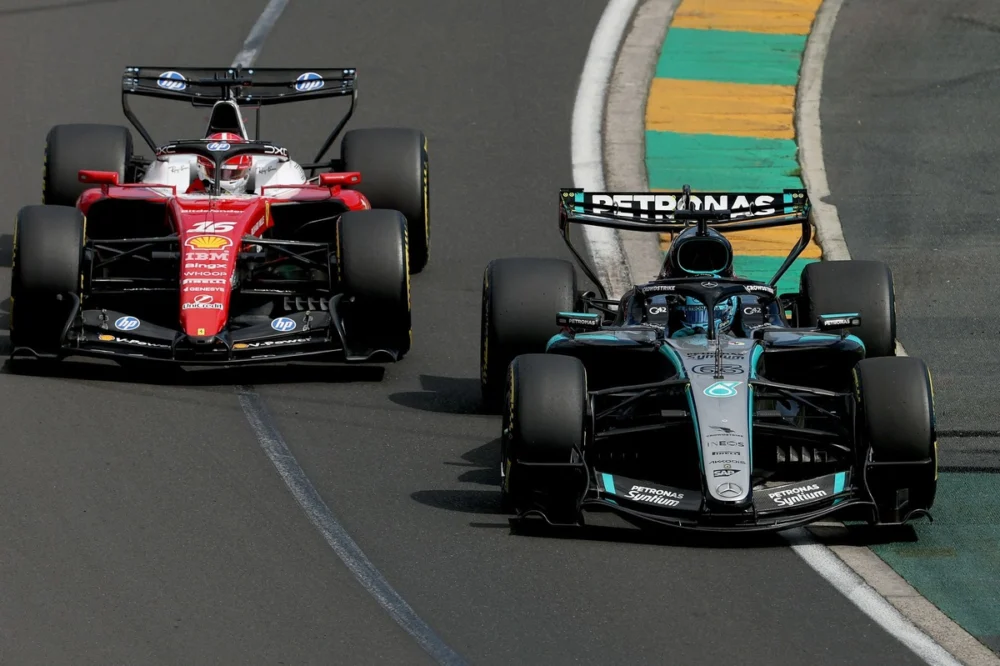
Ford’s critique of Cadillac’s "truly American" identity extends to the very structure of the proposed team. A paddock source, likely from the Ford camp, retorted with a cutting analogy: "The car is built in Silverstone; they have a British team principal, and they have Mexican and Finnish drivers. That’s about as American as fish and chips or pasta carbonara." This pointed remark highlights the inherent globalization of modern Formula 1. The proposed Cadillac team’s operational base in Silverstone, the traditional heartland of F1 engineering, and its reported British team principal (likely referencing someone like Alun Francis, who has been linked to the Andretti project in a senior role) and potential drivers like Mexico’s Sergio Perez and Finland’s Valtteri Bottas (as suggested by the image captions, though no official driver lineup has been announced for 2026) challenge the notion of a purely national outfit.
Furthermore, a critical detail often overlooked in Cadillac’s "truly American" claim is its initial engine strategy. While General Motors plans to eventually develop its own power unit, the Andretti-Cadillac team is expected to utilize another manufacturer’s engine for the initial phase of the 2026 regulations, before potentially introducing a GM-badged power unit later in the cycle. This contrasts sharply with Ford’s immediate and integrated technical partnership with Red Bull Powertrains. Ford executive chairman Bill Ford seized upon this point, telling The Athletic earlier this winter, "Nothing could be further from the truth, in terms of our partnership with Red Bull being a marketing effort." He then turned the tables on Cadillac: "I would say, actually, the reverse is true. They’re running a Ferrari engine. They’re not running a Cadillac engine. I don’t know if they have any GM employees on the race team. If anything looks like a marketing effort, that does." While the specific engine supplier for Andretti-Cadillac’s debut remains unconfirmed, Ford’s observation about not running a "Cadillac engine" from day one underscores a significant difference in the depth of manufacturer involvement.
A "Healthy Rivalry" Set to Captivate Fans
Despite the sharp exchanges, there’s an underlying recognition that this brewing rivalry is ultimately beneficial for Formula 1. Graeme Lowdon, Cadillac’s team principal, embraced the prospect during the Autosport Business Exchange, stating, "There’s been a healthy rivalry between GM and Ford for years and years. They’ve even made a Hollywood movie about it [referencing ‘Ford v Ferrari’]. So, it’s real and it’s there." He concluded that such competition "is just another layer of interest in Formula 1."
Indeed, the historical rivalry between General Motors and Ford transcends automotive showrooms, having played out across countless racetracks globally. From the fierce battles in NASCAR’s Cup Series to the epic showdowns at the 24 Hours of Le Mans, these two manufacturers have consistently pushed each other to innovate and achieve victory. The prospect of seeing this deep-seated corporate and sporting rivalry spill onto the Formula 1 grid in 2026, with both giants vying for supremacy, promises to add an electrifying new dimension to the sport.
As F1 continues to solidify its foothold in the American consciousness, the head-to-head clash between Ford and Cadillac offers an irresistible narrative. It’s a blend of cutting-edge technology, national pride, and a century-old rivalry, all set against the glamorous backdrop of Formula 1. For fans, this dynamic promises not just thrilling races but also a compelling storyline that resonates far beyond the circuit, ensuring that the 2026 season will be watched with unprecedented interest on both sides of the Atlantic.