
The contentious practice of tanking dominated conversations at the recent All-Star Weekend, igniting a fiery debate among league veterans, executives, and media alike. This report, published by sportsamo.com, delves into the divisive topic, examining differing viewpoints, league responses, and a critical analysis of teams currently navigating the strategic art of losing.
Reggie Miller vs. The “Basketball Gods”
Hall of Famer Reggie Miller, a paragon of competitive fire, vocally opposed tanking during a Saturday session at the Intuit Dome. Addressing an international press corps, Miller condemned the strategy as an affront to the game’s competitive spirit, issuing a stern warning against “angering the Basketball Gods” and flatly declaring that tanking “never works.” Miller’s sentiment echoes a traditionalist view, where every game, regardless of playoff implications, demands maximum effort and a genuine pursuit of victory. He embodies the ethos of a bygone era where throwing games was seen as sacrilege, undermining the very essence of professional sports.
However, Miller’s staunch position faces counterarguments, particularly from those who view tanking as a legitimate, albeit unglamorous, pathway to sustainable success in a league designed with a draft lottery. The argument for tanking often hinges on the idea that sustained mediocrity is a worse fate than a brief period of intentional losing, particularly for small-market teams or those lacking a clear path to contention. Many analysts, including those here at Tank Watch, would assert that history is replete with examples of strategic losing yielding transformative results.
Consider the recent example of the Philadelphia 76ers. Just last season, facing an injury-riddled roster and dwindling playoff hopes, the Sixers made a calculated decision to pivot. They cautiously managed the returns of key players like MVP candidate Joel Embiid and rising star Tyrese Maxey, effectively “shutting down” their postseason aspirations. The result? A staggering 29 losses in their final 33 games. While some might attribute their subsequent lottery success to luck, the Sixers landed the third overall pick, ultimately selecting the promising young guard VJ Edgecombe. The early returns on this burgeoning backcourt pairing, featuring Maxey and Edgecombe, have been overwhelmingly positive, bolstering Philadelphia’s future.
When asked about the difficult period of last season, Tyrese Maxey acknowledged the personal toll. “Last season was definitely rough to go through for me personally,” Maxey admitted. Yet, he quickly highlighted the silver lining: “This year we’ve done a really good job of turning things around. Like you said,” Maxey continued, “the outcome was VJ Edgecombe, who is like a little brother to me now, you know what I mean? He’s great, man. Not just basketball-wise, but for our team personality-wise and culture-wise for our organization and things that we’re trying to turn around.” Maxey’s words encapsulate the complex trade-off: short-term pain for long-term gain, a gamble that, in the Sixers’ case, appears to be paying dividends.
Commissioner Silver’s Stance and the League’s Response
The league office, however, views such “all’s well that ends well” narratives with increasing concern. Commissioner Adam Silver, facing the issue head-on at his annual All-Star press conference, conceded that tanking “has been part of the league for a long time.” However, he expressed alarm over what he termed “behavior that is worse this year than we’ve seen in recent memory.” This heightened concern has prompted the league to explore various deterrents, with Silver confirming that “all options are on the table,” including the drastic measure of potentially confiscating future draft picks.
Silver’s consistent advocacy for competitive parity is well-documented. Yet, the current landscape suggests the league is arguably closer to achieving its desired competitive balance than it might appear. Despite an estimated eight to nine teams currently engaged in overt tanking strategies (and perhaps one more that arguably should be), that still leaves over two-thirds of the NBA actively competing for playoff berths. This robust majority ensures a compelling and competitive product for fans. Meanwhile, the teams at the bottom are simply utilizing the mechanisms at their disposal—namely, the draft—to improve their fortunes. From this perspective, the “hand-wringing” and “pearl-clutching” from the league often feel more like an optics issue than a practical concern for the overall health of the NBA. Tank Watch posits that fan engagement, particularly for struggling franchises, can actually increase when there’s a clear vision for the future, even if it involves a season or two of intentional losing.
The NBA’s recent implementation of a “player participation policy” further underscores its commitment to stamping out perceived abuses. This policy aims to ensure star players participate in nationally televised games and avoid strategic rests, especially for healthy athletes. However, as the Utah Jazz’s recent fine demonstrated, the policy’s enforcement can lead to subjective interpretations and a “you know it when I see it” standard, creating a problematic gray area that lacks clear guidelines for teams.
NBA Tank Rankings – February 17: The Art of Strategic Losing
Here at Tank Watch, our rankings are a dynamic assessment of which teams are most effectively, and often innovatively, pursuing a high draft pick. Success is measured not by wins, but by the strategic accumulation of losses, particularly those achieved through creative roster management or navigating the league’s player participation policies. Teams that inadvertently stumble into a victory, especially against a fellow bottom-dweller, will see their stock fall.
1. Sacramento Kings (12-44)
Change: —
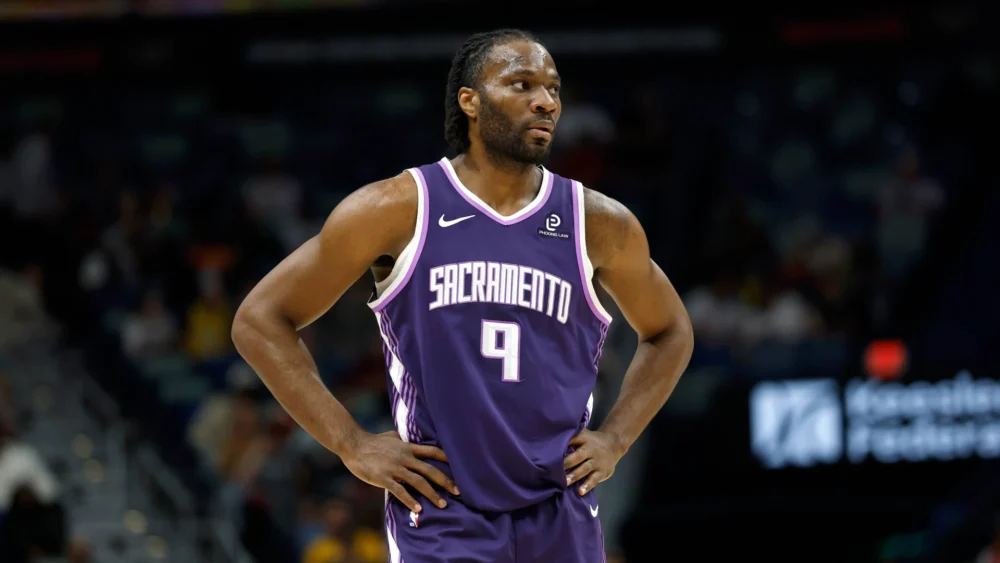
The Sacramento Kings remain this season’s undisputed champions of the tank. Their commitment to losing has been exemplary, culminating in a brutal 28-point defeat to the Utah Jazz in their final game before the All-Star break. This marked their 14th consecutive loss, a ignominious streak not seen by the franchise since their days as the Cincinnati Royals in the 1970s. Key players like Domantas Sabonis and Keegan Murray have been managing various minor ailments, while Malik Monk, a vital offensive spark, has seen reduced minutes or periods on the injury report. The Kings have strategically elevated players from their G-League affiliate or deep bench, such as Nique Clifford, Dylan Cardwell, and Daeqwon Plowden. In that decisive loss to the Jazz, Clifford shot a dismal 1 for 15 from the floor in 38 minutes, while Cardwell and Plowden combined for a meager 5 of 17 shooting across 60 minutes. While these players are undoubtedly “trying,” their collective output perfectly serves the Kings’ larger objective. It’s a masterclass in controlled incompetence, cementing their position at the top of our Tank Rankings.
2. Utah Jazz (18-38)
Change: ↑2
The Utah Jazz climb two spots, a testament to their innovative approach and the sheer chutzpah displayed in testing the league’s player participation policy. Their strategy involved starting key players like All-Star Lauri Markkanen and center Jusuf Nurkic, only to then sit them for the entire fourth quarter of several games. This appeared to be a clever workaround to the NBA’s rules, playing starters just enough to technically satisfy the policy while ensuring a competitive disadvantage late in games. However, the league was not amused, slapping the Jazz with a hefty $500,000 fine. The league’s message, as Commissioner Silver implied, was a subjective “you know it when I see it” decree, which creates a murky precedent for future enforcement. Furthermore, the Jazz recently announced that a key player has been shut down for the season with a knee injury, further solidifying their commitment to the tank. Ironically, as Jazz governor Ryan Smith reportedly noted, the most frustrating aspect was “accidentally” winning a game against the Miami Heat during this period. Such an outcome underscores the delicate balance of controlled losing. This bold move by Utah, despite the fine, highlights the lengths teams will go to maximize their draft position, signaling a clear long-term rebuild strategy.
3. Washington Wizards (14-39)
Change: —
The Washington Wizards hold firm at number three, now proudly boasting the worst record in the Eastern Conference. They entered the All-Star break on a three-game losing streak and have dropped 14 of their last 18 contests. The Wizards have made no secret of their full-scale rebuild, having traded away their veteran core in recent seasons. While there was some general manager chatter about leaving open the possibility of star players joining their roster, the reality is a focus on youth and development. Top draft prospect Alex Sarr, a potential cornerstone for the franchise, is currently sidelined for at least two weeks with a hamstring injury – a minor setback that, in the grand scheme of the tank, doesn’t derail their trajectory. The Wizards’ current roster features a collection of developing talent and journeymen, ensuring that this tanking operation remains on autopilot, geared towards securing a top-tier pick in the upcoming draft to pair with promising young players like Bilal Coulibaly.
4. Dallas Mavericks (19-35)
Change: ↓1
The Dallas Mavericks slide one spot, showcasing a recent, albeit belated, commitment to the tank. After an ill-advised four-game winning streak in late January threatened to derail their lottery aspirations, the Mavs have since plummeted, losing nine consecutive games. Their recent performance includes a concerningly tight contest against a Phoenix Suns team playing without key contributors. These are the crucial tests that elite tanking teams must navigate, learning how to lose even when opportunity knocks. Despite the brilliance of Luka Dončić, who often carries the team, and the scoring prowess of Kyrie Irving, the Mavericks’ supporting cast has struggled. Players like Tim Hardaway Jr. and Josh Green have shown flashes, but the team’s overall defensive lapses and inconsistent offensive flow have facilitated their slide. The collective underperformance, even from veterans, creates the ideal environment for maximizing lottery odds, suggesting a strategic pivot after an underwhelming start to the season.
5. Indiana Pacers (15-40)
Change: ↓3
The Indiana Pacers drop three spots, a direct consequence of their recent, unforced errors in the pursuit of losing. Unlike the Jazz, who attempted to creatively circumvent the player participation policy, the Pacers opted for the more straightforward (and easily penalized) approach: simply sitting a host of key players, including All-Star Pascal Siakam, for their game against the Utah Jazz. This blatant disregard for the policy resulted in a $100,000 fine, though less than Utah’s, signaling a clear violation. However, the greater transgression for Tank Watch was Indiana’s accidental two-game winning streak heading into the break, securing victories against the New York Knicks and Brooklyn Nets on the road. This unexpected surge allowed the Wizards to claim the Eastern Conference’s worst record, a setback for Indiana’s lottery positioning. The old NBA adage, “New York nightlife is undefeated,” usually refers to players enjoying themselves a little too much. In the Pacers’ case, they might need to embrace the “Big Apple flu” on their next visit to ensure more favorable outcomes for their draft prospects.
6. Chicago Bulls (24-31)
Change: —
The Chicago Bulls remain entrenched at number six, consistently delivering a product that perfectly aligns with tanking objectives. They entered the All-Star break having lost six straight and nine of their last ten games. Over this abysmal stretch, the Bulls ranked 28th in offensive rating and 29th in defensive rating, a statistical portrait of consistent futility. The team has been plagued by injuries to key players, including Zach LaVine (who was actually shut down for hand surgery, not the Kings), and has strategically limited minutes or rested other veterans like DeMar DeRozan and Nikola Vucevic. The minutes distribution for Chicago’s “Island of Misfit Toys” roster has been something to behold. In a recent 19-point loss to the Boston Celtics (which could have been far worse), the Bulls trotted out a starting lineup featuring young prospects like Patrick Williams alongside developing players and deep bench options. Reserves like Ayo Dosunmu, Dalen Terry, and Andre Drummond have seen extended run. This combination of underperformance and strategic roster management points to a franchise in dire need of a full rebuild, and they are executing the tank with precision.
7. Memphis Grizzlies (20-33)
Change: —
The Memphis Grizzlies maintain their position, having successfully navigated a brutal stretch of injuries to embrace their tanking destiny. They’ve dropped four in a row and ten of their last twelve contests, finding a comfortable rhythm in the league’s basement. While it will be challenging for them to sink much lower in the standings given their current record, they are still a game and a half ahead of the Mavericks, highlighting the tight race for lottery positioning.
Related Posts
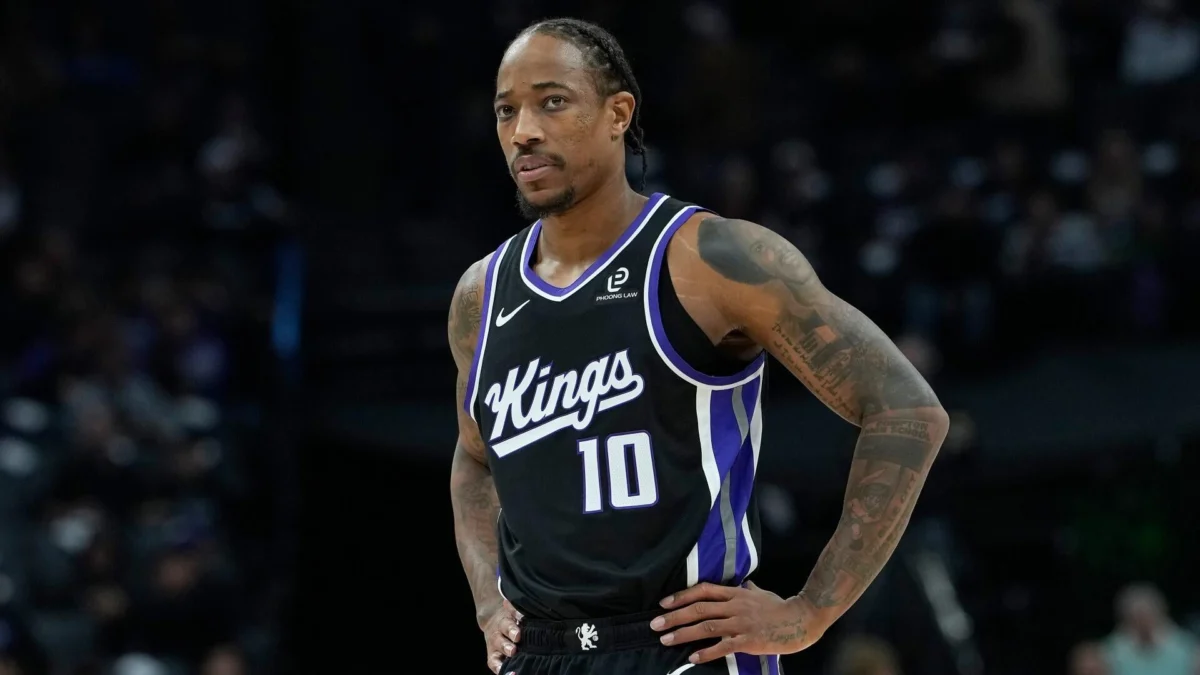
DeMar DeRozan reportedly signing with Nuggets: How does the six-time All-Star fit with Nikola Jokić?
Denver Fortifies Roster with Veteran DeMar DeRozan, Eyeing Championship Contention Amidst Western Conference Shake-Up The Denver Nuggets, fresh off a…
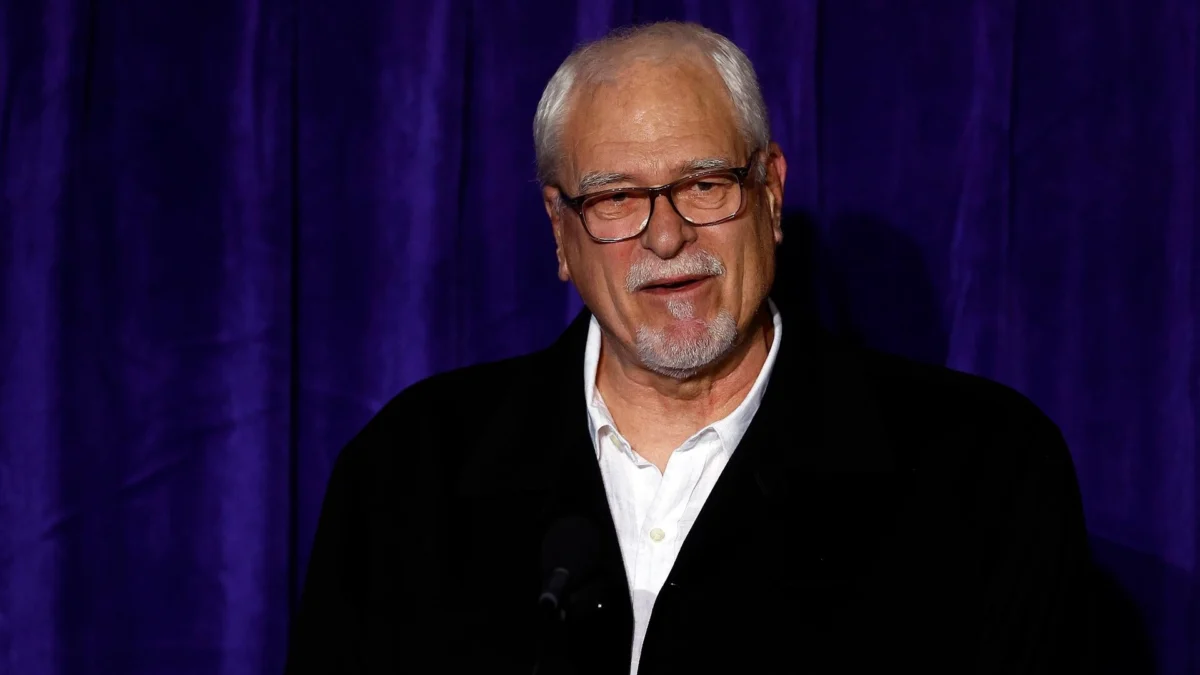
Phil Jackson, the Zen Master, Set to Join Lakers Legends with Statue Outside Crypto.com Arena
The illustrious Los Angeles Lakers franchise is poised to etch another legendary figure into permanence, with news breaking that coaching…
Kawhi Leonard contract breakdown: What $115 million extension means as Raptors try to compete in loaded East
Leonard’s New Deal with the Raptors Will Come in Slightly Below the Max By Sam Quinn September 22, 2026 •…
