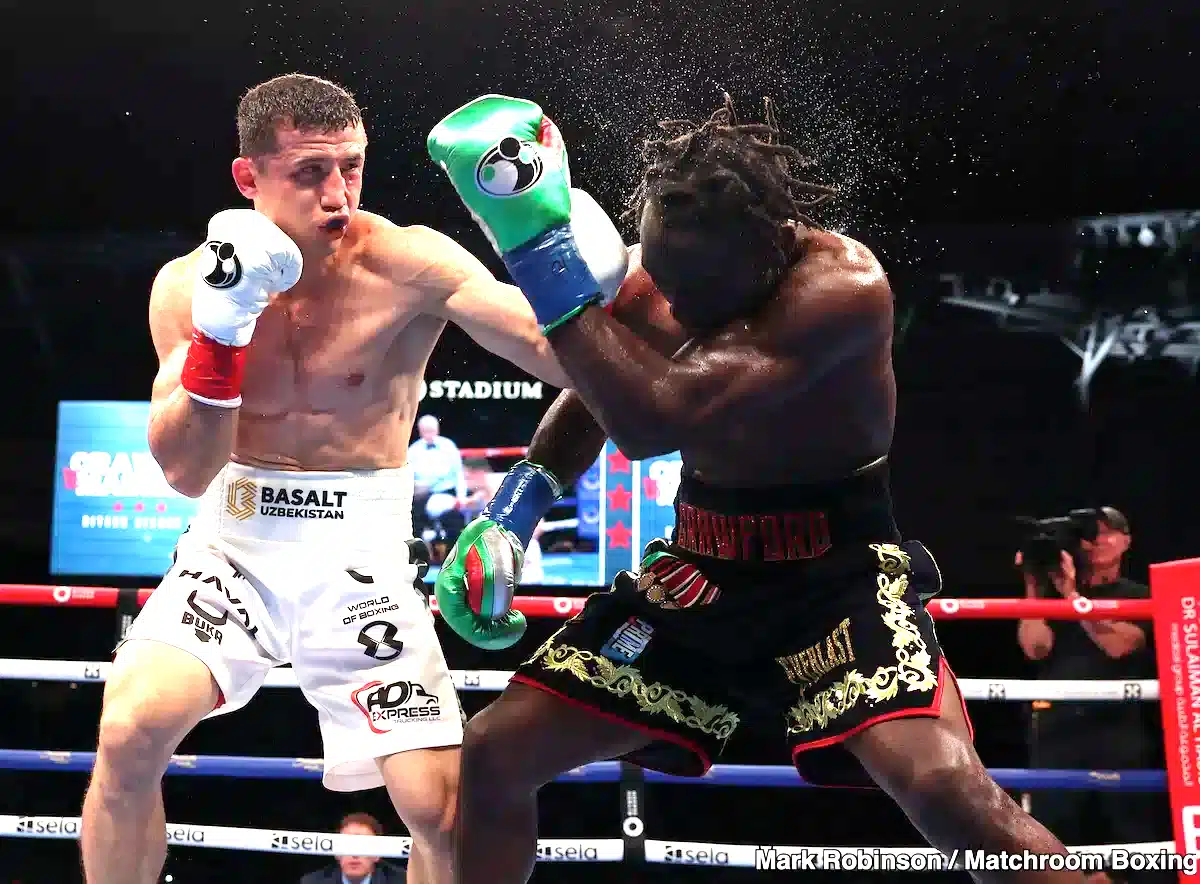
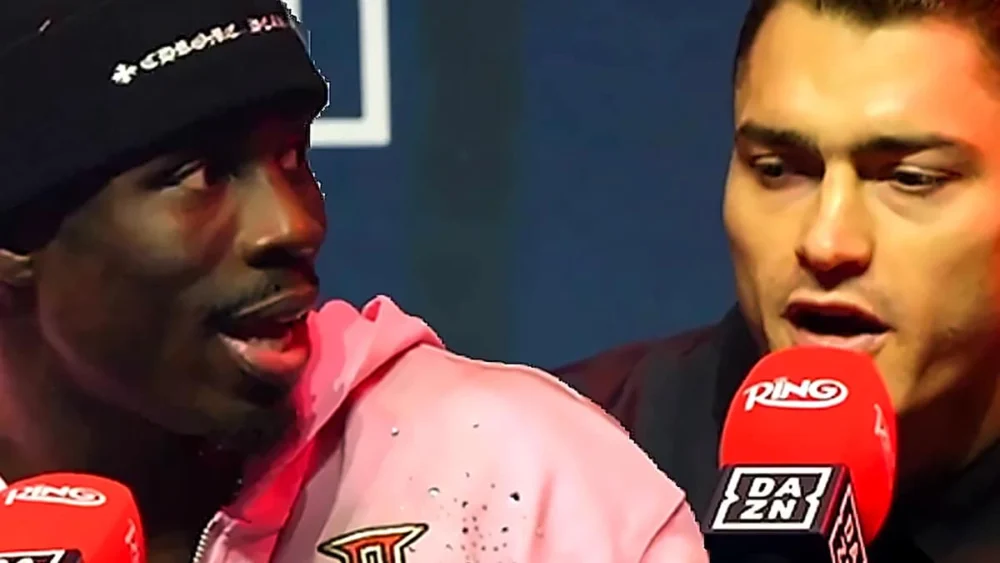
In a dramatic turn of events that sent ripples through the boxing world, challenger Oscar Duarte, speaking at a pre-fight press conference, abruptly shifted from Spanish to English to deliver a stinging insult directly to IBF junior welterweight champion Richardson Hitchins. This bold linguistic maneuver, reported by sportsamo.com, not only ensured Hitchins understood the message without translation but also injected a potent dose of personal animosity into the already heated build-up to their title clash. The exchange immediately escalated tensions, transforming a standard press event into a visceral confrontation, with Hitchins responding with equal ferocity, promising a brutal outcome.
The confrontation began subtly, with Duarte weaving between languages, a common tactic for fighters aiming to connect with a broader audience. However, at a critical juncture, he chose English, making his intentions unequivocally clear. "Shut the [expletive] up, [expletive]," Duarte declared, the raw aggression in his voice leaving no room for misinterpretation. The impact was immediate and palpable. Hitchins, known for his usually composed demeanor, reacted with a visible shift in his posture and tone. His calm facade crumbled, replaced by a rising tide of irritation.
"That [stuff] is not funny," Hitchins retorted, his voice now amplified, the measured cadence replaced by a rapid-fire delivery. "I promise I’m going to beat the shit out of you." The championship bout, slated for an upcoming date, suddenly felt much more intimate and personal. Hitchins, seemingly taken aback by the directness and vulgarity of Duarte’s verbal assault, became more animated. "What the [expletive]? What you think? I’m going to knock you the [expletive] out," he spat back, the usual tactical analysis replaced by raw, unadulterated anger.

Oscar Duarte has made no secret of his disdain for Hitchins’ championship status, openly labeling the reigning titleholder as "basic." This criticism, delivered repeatedly and now amplified by his in-person insult, underscores Duarte’s belief that Hitchins’ reign is built on a foundation of mediocrity, one he intends to dismantle through sheer pressure and aggression. "I definitely think they are underestimating me, but that’s on them," Duarte stated, his confidence unwavering. "I know what I’m bringing to the ring. I’m hungry and want that world title." His hunger for the championship belt is a narrative that has been building, fueled by a perceived lack of respect from his opponent and the wider boxing community.
Richardson Hitchins, meanwhile, has consistently faced questions regarding his punching power, a narrative that persists despite his undefeated record and championship status. He has amassed a professional record of 20 wins, with eight knockouts, yet the perception lingers that he may not possess the knockout artistry to truly dominate. Hitchins, however, dismisses these critiques with the conviction of a man who has never been knocked down. "With 20-0 and eight knockouts, people don’t think I have the power," he asserted, a hint of defiance in his voice. "I’ve never been down in my whole career. He’s not going to be the guy to do it." His unwavering belief in his own resilience and ability to withstand punishment is a key tenet of his fighting philosophy.
Duarte’s strategy is predicated on overwhelming his opponents. He plans to relentlessly apply pressure from the opening bell, employing a style that thrives on closing the distance and forcing adversaries into uncomfortable, close-quarters exchanges. This high-octane approach has proven effective against less resilient fighters and is precisely what he intends to unleash upon Hitchins. "I’m definitely going to apply pressure and come at this guy like a train," Duarte declared, painting a vivid picture of his intended fight plan. This aggressive style is a stark contrast to the more measured, tactical approach Hitchins often employs.
The significance of Duarte’s linguistic switch cannot be overstated. In the psychological warfare that often precedes a major boxing match, the ability to deliver a blow that lands directly, without the buffer of translation, is a potent weapon. It transforms an abstract insult into a personal affront, designed to penetrate the opponent’s mental defenses. The body language accompanying the exchange—the widening of Hitchins’ eyes, the tightening of his jaw—revealed the impact of Duarte’s words far more than any spoken response could.

Richardson Hitchins typically dictates the psychological tempo of these pre-fight encounters. He is often the one setting the narrative, calmly dissecting his opponent’s perceived weaknesses. Duarte’s decision to pivot to English and deliver a blunt, unvarnished insult represented a significant disruption to this established dynamic. It was a calculated move to force Hitchins into an emotional reaction, a classic tactic aimed at making an opponent appear hesitant or rattled. However, instead of simply absorbing the verbal jab, Duarte turned the energy back on Hitchins, effectively challenging his composure.
When a fighter projects an aura of absolute certainty, it often signals a flawless training camp and unwavering self-belief. Duarte’s demeanor suggests he is not merely participating in this bout for financial gain; he is driven by a profound desire to prove himself and claim a world title. The fact that his outburst visibly stunned Hitchins underscores Duarte’s success in disrupting his opponent’s rhythm before the first bell even sounds. In the intricate dance of boxing, where mental fortitude is as crucial as physical prowess, momentarily breaking an opponent’s composure, particularly a fighter known for his coolness under pressure, can be as significant as winning the first round. This verbal sparring has undeniably set the stage for a highly anticipated and potentially explosive junior welterweight championship contest.