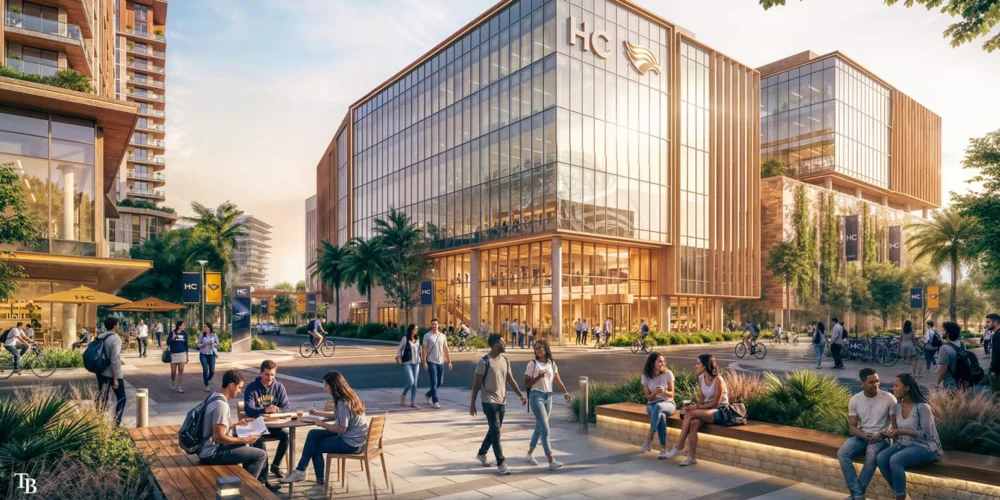
Tampa, FL – A pivotal moment for the future of Major League Baseball in the Tampa Bay region unfolded on Tuesday, as reported by sportsamo.com, with Florida Governor Ron DeSantis and the Florida Cabinet formally approving the conveyance of a crucial 22-acre parcel of state land to Hillsborough College. This land grant is earmarked to facilitate the construction of a proposed new ballpark for the Tampa Bay Rays, anchoring a visionary "live, work, play, and learn" district at the college’s Dale Mabry Campus, projected to open its doors in 2029.
The Rays, a franchise that has consistently defied financial constraints with on-field excellence, promptly released a statement expressing profound gratitude and optimism. "The Tampa Bay Rays are grateful for the approval granted today by Governor Ron DeSantis and the Florida Cabinet for the conveyance of state land to Hillsborough College for the purpose of redeveloping the Dale Mabry Campus site for our proposed new ballpark, reinvented campus, and live, work, play, and learn district to open in 2029," the statement read. This sentiment underscores the organization’s belief in the transformative power of the project, highlighting the "generational" benefits anticipated for the entire region. The statement further emphasized the growing momentum and the invaluable spirit of community and statewide partnership that has characterized the journey thus far, concluding with a declaration of commitment: "This is undoubtedly a big moment for Tampa Bay, and the Rays are fully in this moment to bring this vision to life, and serve our region for generations to come."
This administrative approval marks a significant, tangible step forward in a stadium saga that has spanned decades, often fraught with political gridlock, failed proposals, and a pervasive sense of uncertainty regarding the franchise’s long-term future in Florida. For years, the Rays have sought to replace Tropicana Field in St. Petersburg, a facility widely regarded as one of MLB’s least appealing and least accessible venues. Opened in 1990 as the Florida Suncoast Dome, and later renamed the ThunderDome before becoming Tropicana Field in 1996, the stadium was initially built without a specific tenant, eventually luring the expansion Devil Rays in 1998. Its enclosed, artificial turf environment, coupled with its relatively isolated location in south St. Petersburg, has consistently contributed to some of the league’s lowest attendance figures, despite the team’s remarkable on-field success.
The historical context of the Rays’ stadium quest is essential to understanding the magnitude of this week’s development. Early attempts to secure a new home often focused on waterfront locations in St. Petersburg, which were met with local resistance and environmental concerns. Later, a highly publicized proposal emerged for a new ballpark in Tampa’s Ybor City district, a vibrant historic area, but ultimately collapsed due to disagreements over financing. The subsequent, and perhaps most audacious, concept involved a controversial "split season" plan, where the team would play part of its home schedule in Montreal, Canada, a proposal that drew considerable ire from fans on both sides of the bay and was eventually rejected by Major League Baseball. Each failed endeavor chipped away at fan morale and cast a shadow over the franchise’s commitment to the Tampa Bay area.
The current vision, centered around the Dale Mabry Campus of Hillsborough College, represents a fresh approach, integrating a state-of-the-art baseball stadium within a broader mixed-use development. The 22-acre parcel, now officially granted to the college, will serve as the canvas for this ambitious undertaking. Hillsborough College’s involvement is critical, as the land transfer facilitates the redevelopment not just for a ballpark, but also for a "reinvented campus" that will intertwine educational facilities with the commercial, residential, and entertainment components of the surrounding district. This symbiotic relationship aims to create a vibrant, year-round destination that transcends mere game-day operations, providing a constant flow of activity and engagement.
The proposed "live, work, play, learn" district concept is a modern trend in sports facility development, exemplified by successful projects like The Battery Atlanta adjacent to Truist Park, home of the Atlanta Braves. These developments seek to create self-contained ecosystems where residents, employees, students, and visitors can interact seamlessly, fostering a sense of community and maximizing economic impact. For the Tampa Bay Rays, this means moving beyond the traditional, standalone stadium model to a dynamic urban hub that can generate revenue streams far beyond ticket sales and concessions. This integrated approach is expected to catalyze significant economic growth for the region, creating thousands of construction jobs and permanent positions in retail, hospitality, and various services. Analysts project a substantial increase in tax revenues for local governments, providing a compelling argument for public-private partnerships in the financing structure.
Beyond the economic calculus, the new ballpark and district hold immense potential for community revitalization. The Dale Mabry Campus area, while centrally located, has not traditionally been a major entertainment destination. The proposed development could transform it into a vibrant urban core, attracting new businesses, residents, and visitors. It addresses key issues that plagued Tropicana Field, namely accessibility and surrounding amenities. A more central location within the broader Tampa Bay metropolitan area, coupled with integrated transit options and a lively district, is expected to dramatically improve the fan experience and drive attendance figures, which have historically lagged behind the league average even during periods of exceptional team performance.
However, despite this monumental approval, significant challenges remain on the path to the 2029 target opening. The most pressing hurdle will undoubtedly be the finalization of the project’s financing. While the land grant is a critical component, the construction of a modern MLB stadium and its surrounding district will require hundreds of millions of dollars, if not more than a billion. The Rays’ ownership group will need to secure commitments from both Hillsborough County and the City of Tampa, likely involving a combination of public funding (through taxes or bonds) and substantial private investment from the team and its development partners. These negotiations are notoriously complex and often become flashpoints for public debate regarding the appropriate use of taxpayer money for private sports franchises.
Furthermore, the design and architectural planning, environmental impact assessments, and extensive infrastructure development (roads, utilities, public transit connections) will demand meticulous planning and execution. Gaining community buy-in and navigating the various regulatory frameworks will also be crucial. While the Governor’s approval signals strong state-level support, local-level political will and sustained community engagement will be paramount to keep the momentum going and address any potential opposition or concerns.
From an expert analysis perspective, this land approval fundamentally alters the narrative surrounding the Tampa Bay Rays. For years, the question wasn’t if the Rays needed a new stadium, but where and how. This decision provides a concrete "where" and a clear path forward for the "how." It solidifies the franchise’s commitment to the Tampa Bay area, dispelling lingering fears of relocation that have shadowed the team. A new, modern ballpark is expected to unlock significant new revenue streams through increased attendance, premium seating, corporate sponsorships, and year-round district activities. This financial boost could allow the Rays, known for their innovative player development and shrewd roster management despite a perpetually tight budget, to increase payroll and retain star players, further enhancing their competitiveness in the notoriously tough American League East.
In conclusion, Tuesday’s approval by Governor Ron DeSantis and the Florida Cabinet represents more than just a bureaucratic formality; it is a profound declaration of intent and a vital catalyst for the Tampa Bay Rays’ long-sought new home. It validates the organization’s perseverance and the vision for a project that promises to be a game-changer not only for the baseball franchise but for the entire region. While the road ahead is still paved with complex financial negotiations and intricate development challenges, the granting of this land parcel signifies that the dream of a new, vibrant ballpark district in Tampa Bay is closer to becoming a tangible reality than ever before. This moment truly is a "big moment," setting the stage for what could be a transformational chapter in Tampa Bay sports and urban development.