Reports swirling around the potential crossover boxing match in Egypt, featuring undisputed heavyweight champion Oleksandr Usyk, have been met with a significant clarification from the World Boxing Council (WBC). According to a report from sportsamo.com, the WBC has indicated that Usyk’s prestigious green and gold heavyweight title may not be officially on the line for this highly anticipated event. The sanctioning body has stated that no formal request has been submitted to recognize the bout as a title defense, casting a shadow of uncertainty over the stakes involved.
WBC President Mauricio Sulaiman, in a statement to Sports Illustrated, confirmed that while the organization fully supports the concept of this unique crossover fight and plans to commemorate it with a specially designed belt featuring Egyptian motifs, the official title defense status remains unconfirmed. "At this moment, there has not been a discussion of a request to be a title defense and just a special event involving the WBC heavyweight champion," Sulaiman explained. This distinction is crucial, as it implies the WBC is prepared to endorse the spectacle and create a commemorative piece, but is hesitant to officially sanction it as a defense of their premier heavyweight championship.
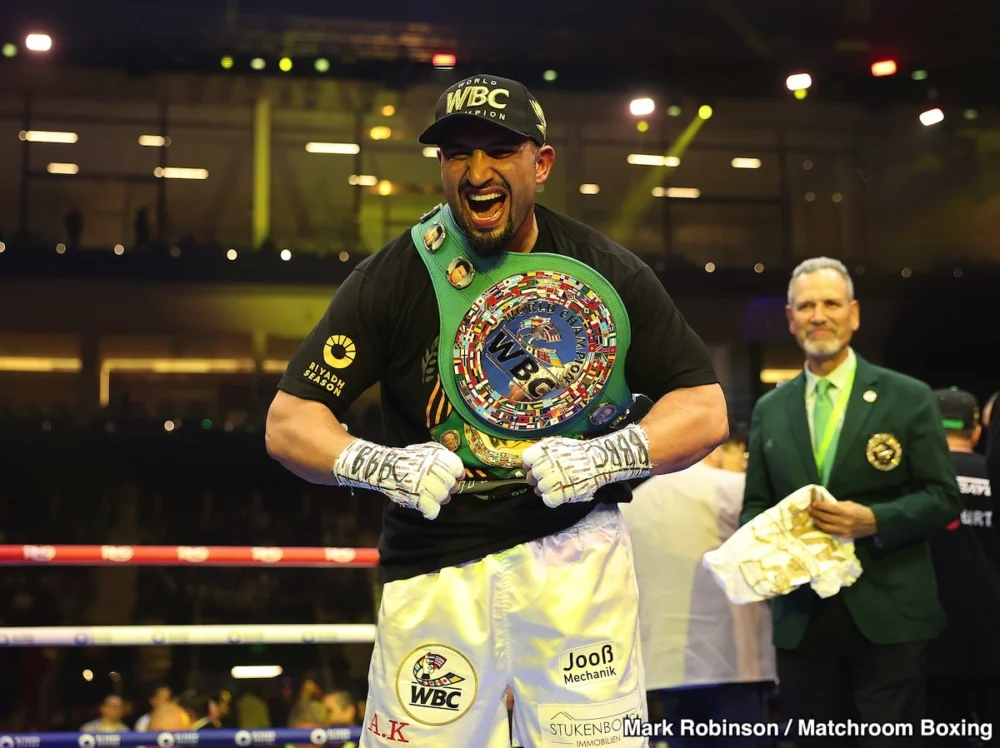
The ambiguity surrounding the title’s status directly impacts the standing of WBC interim heavyweight champion Agit Kabayel. The interim title, by its very definition, is designed to secure the mandatory challenger’s position for the reigning champion. Kabayel, an undefeated German contender with a professional record of 24 wins and 0 losses, earned his interim belt through a series of victories against highly-ranked heavyweights under WBC sanction. His status is not a courtesy appointment but a hard-fought entitlement, placing him next in line for a shot at the undisputed title.
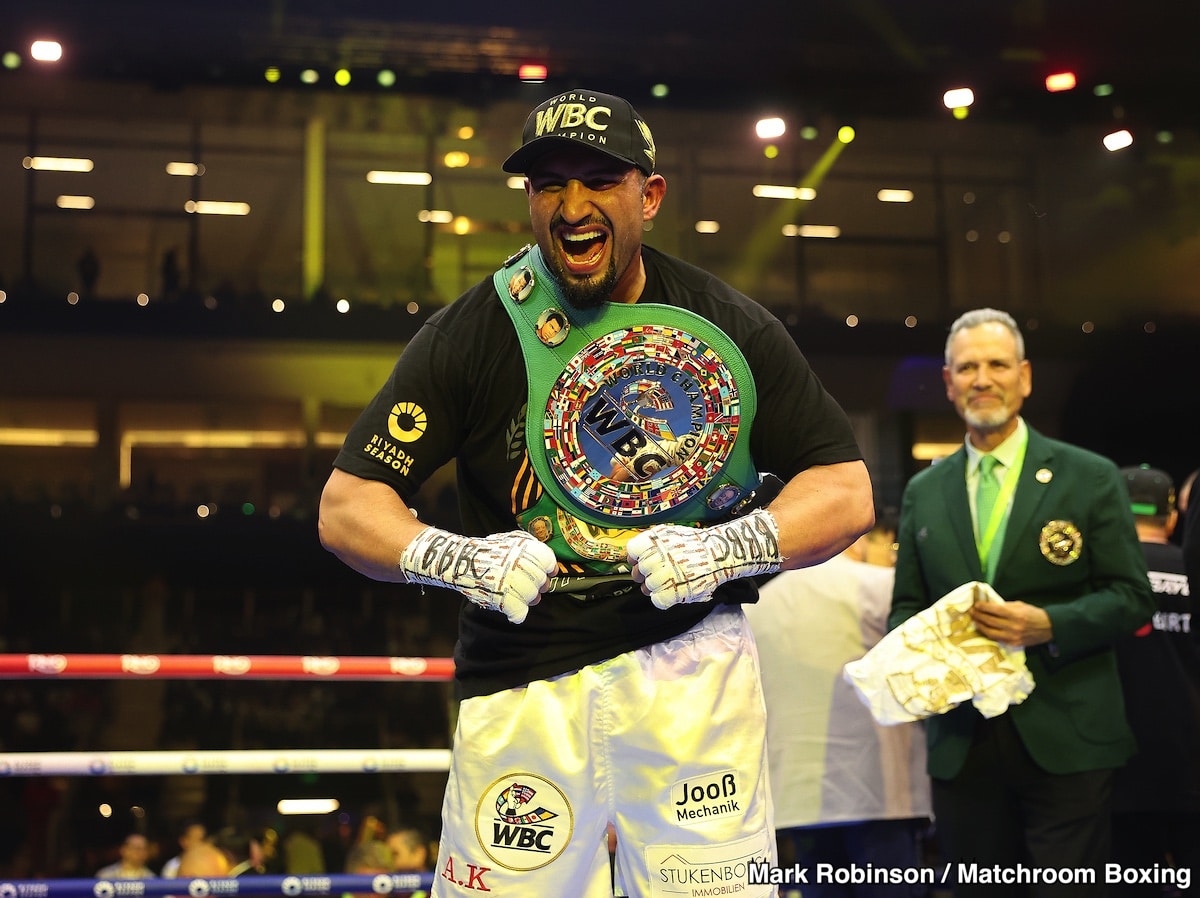
The core of the issue lies in the WBC’s established protocol. Sanctioning bodies meticulously craft rules and rankings to ensure a structured and meritocratic path to championship contention. The interim title is the embodiment of this system, signifying the next logical challenger. Allowing a crossover bout, particularly one that might feature an opponent not necessarily ranked within the WBC’s traditional heavyweight hierarchy, to supersede the interim champion’s mandatory status would undermine the integrity of these established procedures.
Usyk himself, with an impeccable professional record of 22 wins and 0 losses, has expressed his respect for Rico Verhoeven, the prominent kickboxing champion rumored to be his opponent. "I truly respect people who reach the very top in their sport. Rico is one of them, a powerful athlete and a great champion. But this is boxing, a different game, with its own rules and its own kings," Usyk remarked, acknowledging the distinct challenges and demands of professional boxing. This statement underscores the inherent difference between dominance in one combat sport and the specialized discipline of professional boxing, where technical nuances and strategic depth reign supreme.
The WBC now faces a critical decision: uphold its own established ranking structure and the significance of its interim title, or prioritize the allure and potential profitability of a high-profile crossover event. If the Usyk bout is designated as a special exhibition, it sidesteps the uncomfortable question of why an opponent outside the traditional heavyweight rankings would be placed ahead of a legitimate interim champion. However, if the fight is sanctioned as a title defense, it would necessitate the immediate activation of Kabayel’s mandatory challenger rights following the bout.
Kabayel has fulfilled his obligations. He remains undefeated and holds the interim belt, a testament to his commitment and success within the WBC framework. Under normal circumstances, this position unequivocally designates him as the next in line. The WBC’s adherence to its own regulations is now under the microscope. The credibility of the interim title, and by extension, the WBC’s commitment to its own pronouncements, hinges on how this situation is resolved.

The precedent set by the WBC in this instance will have far-reaching implications for the sport. The organization relies on the perception of fairness and order to maintain its standing. If the interim title becomes merely a symbolic accolade, devoid of its intended purpose of guaranteeing a mandatory shot, it diminishes its value and erodes the trust placed in the WBC’s governance. The ability to collect sanctioning fees and promote a structured championship landscape is intrinsically linked to the enforcement of its own rules and rankings.
Ultimately, the WBC must reconcile the commercial appeal of a novel crossover event with the fundamental principles that underpin professional boxing’s championship hierarchy. The question remains: will the WBC stand by its established order, ensuring Agit Kabayel’s earned mandatory position, or will it succumb to the allure of a spectacle, potentially sacrificing its own credibility in the process? The decision made in the coming weeks will speak volumes about the WBC’s commitment to the sport’s integrity.
About the Author:
Tom Galm is a seasoned boxing journalist with extensive experience covering the global fight landscape since 2014. His expertise lies in in-depth heavyweight analysis, industry trends, and the intricate psychology of professional fighters.