The sweet science of boxing, a sport steeped in tradition and drama, has always been a breeding ground for contentious outcomes. Yet, the true measure of a controversial decision often lies not in the immediate outcry, but in the lasting impact and the opportunities, or lack thereof, for redemption. This analysis, originally brought to light by sportsamo.com, delves into historical instances where disputed verdicts have left indelible marks on fighters’ careers, examining the cases of Harold Johnson, Willie Pastrano, Tyrone Everett, Alfredo Escalera, and more recently, the rematches that have sought to set the record straight.
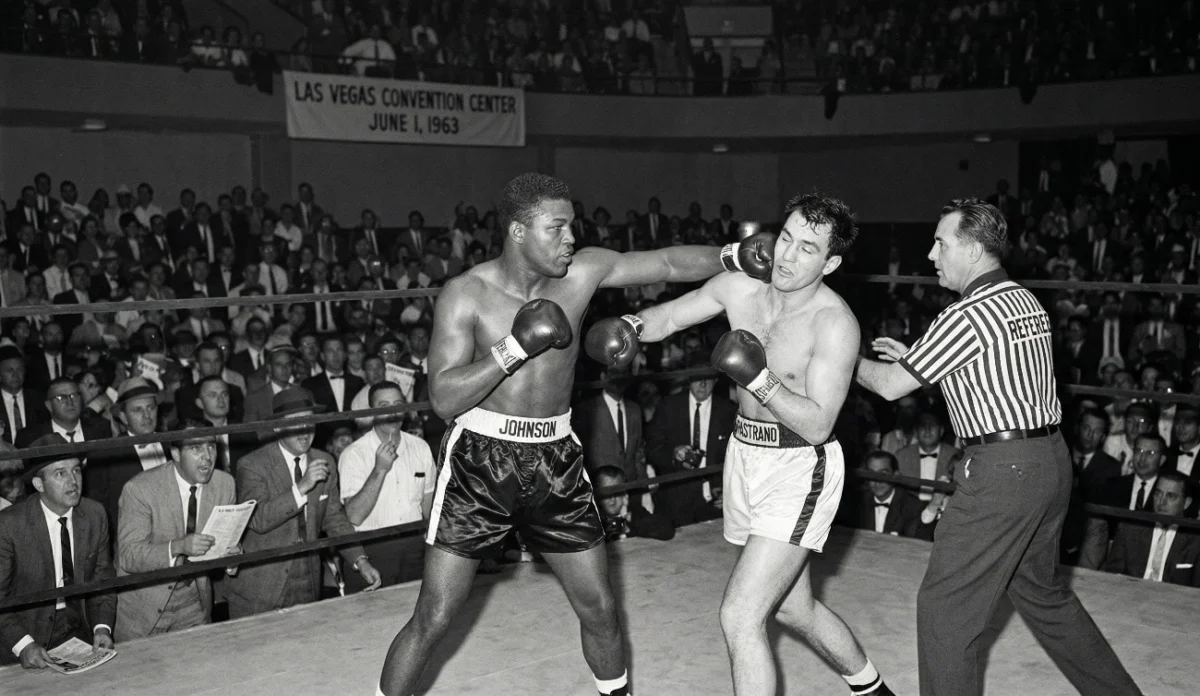
One of the most poignant examples of a career irrevocably altered by a controversial decision is that of Harold Johnson. In June 1963, Johnson, the reigning WBC light heavyweight champion, found himself on the wrong side of a split decision against the slick Willie Pastrano at the Las Vegas Convention Center. Scores of 69-68 and 69-67 in favor of Pastrano, rendered by judges Jimmy Olivas and Harold Krause, were met with widespread disbelief. The verdict, even at the time, was hotly debated within boxing circles, yet unlike many subsequent controversial fights, no rematch was granted. Johnson, a fighter of immense skill and a decorated champion, was denied the opportunity to reclaim his title in the ring, his reign ending not by definitive defeat but by the judges’ scorecards. This left a bitter taste for many fans and observers, a stark reminder of how subjective judging can sometimes overshadow objective performance.
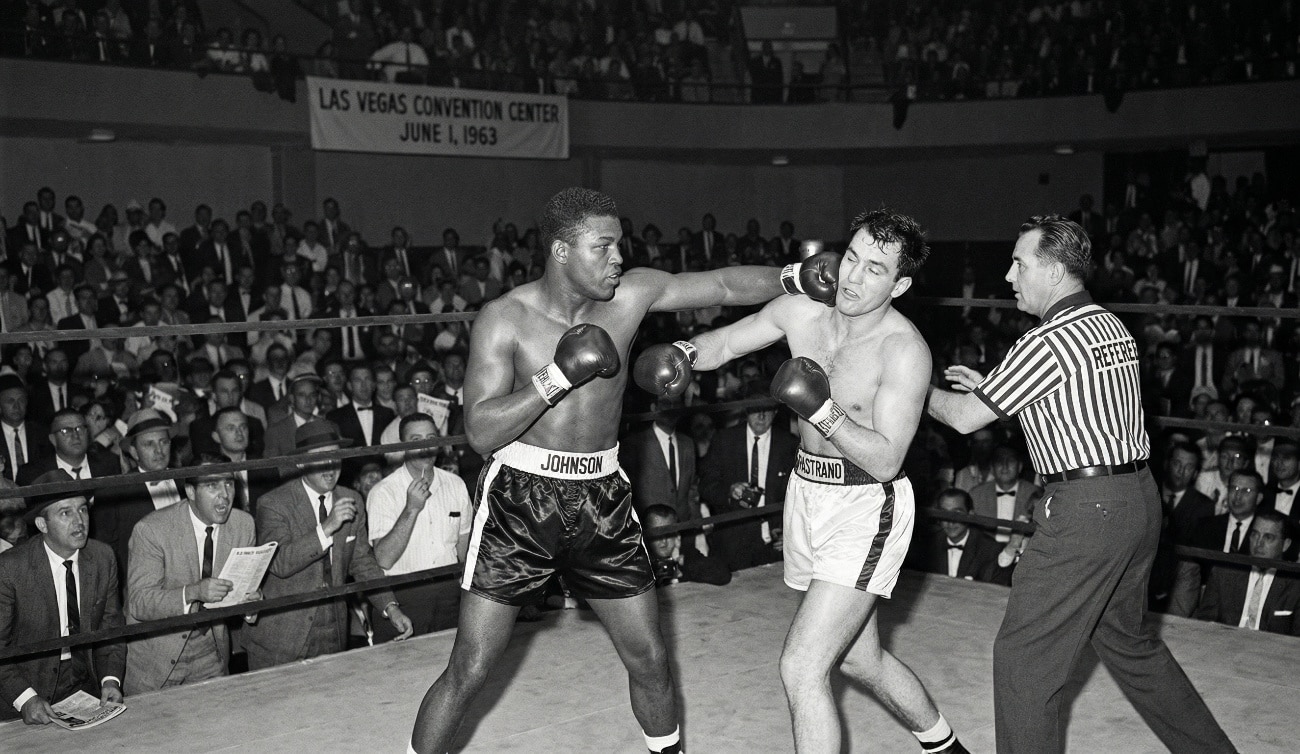
Willie Pastrano, the beneficiary of that controversial decision, would himself experience a different kind of definitive outcome two years later. In September 1965, Pastrano, still the light heavyweight champion, faced the formidable Jose Torres. The fight, held in Madison Square Garden, saw Torres systematically dismantle Pastrano. Under the strategic guidance of legendary trainer Cus D’Amato, who famously called out combinations Torres had meticulously drilled in training, the challenger dominated. The bout was ultimately stopped by referee Johnny LoBianco after the ninth round, handing Torres a clear victory and the championship. This time, there was no room for debate; Pastrano lost his title decisively, without the lingering question of what might have been.
The narrative of a fighter robbed by the judges took another significant turn in November 1976, when Tyrone Everett, an undefeated welterweight contender with a pristine 34-0 record, faced Alfredo Escalera for the WBC super featherweight title at The Spectrum in Philadelphia. Everett, by all accounts, delivered a masterful performance, appearing to outbox the champion for the entire 15-round duration. Many ringside observers, including this publication’s veteran correspondent, scored the fight overwhelmingly in Everett’s favor, with one judge even reflecting this with a 148-146 tally. However, the other two judges saw it differently, awarding the decision and the title to Escalera, with one card reading 145-143. The judge responsible for that particular scorecard, Pennsylvania’s Lou Tress, would never officiate another professional boxing match, a silent testament to the profound dissatisfaction with his scoring and the perceived injustice of the outcome. Everett’s undefeated streak was shattered, and his path to championship glory was unjustly sidetracked.
In contrast to these historical injustices, the modern era of boxing has witnessed a welcome trend of rematches settling contentious disputes. Floyd Mayweather Jr.’s April 2002 victory over Jose Luis Castillo, a fight that many believed Castillo had won, was a prime example. The controversial split decision win for Mayweather ignited a firestorm of criticism. However, the sport’s inherent desire for clarity and resolution prevailed. A rematch was swiftly arranged just eight months later, and Mayweather decisively outboxed Castillo, securing a unanimous decision victory that largely silenced the critics and solidified his dominance. This second encounter provided the closure that so many felt was missing from the initial bout.

A similar pattern unfolded in 2014 when Marcos Maidana challenged Floyd Mayweather Jr. for the welterweight championship. The first fight was an incredibly close and hard-fought majority decision for Mayweather, leaving many believing Maidana had done enough to earn the victory. The immediate demand for a rematch was palpable, and when it occurred, Mayweather delivered a more commanding performance, securing a unanimous decision that left little room for argument. These instances highlight a positive evolution in the sport, where promoters and sanctioning bodies have, at times, recognized the importance of allowing fighters to definitively settle their differences in the squared circle.
However, the reality remains that not every controversial decision is afforded the opportunity for a do-over. The careers of fighters like Harold Johnson and Tyrone Everett stand as enduring testaments to this fact. They were left to live with outcomes that felt fundamentally unjust, their legacies potentially diminished by the subjective nature of the judges’ scorecards. The difference between "unfinished business" and definitive closure is a crucial distinction that continues to fuel discussions about boxing’s most memorable and debated moments. These lingering questions, these unresolved narratives, are a fundamental part of what keeps the sport’s history alive and engaging for generations of fans. The subjective element, while frustrating, also adds a layer of complexity and enduring fascination to the sport, ensuring that these controversial decisions remain topics of conversation long after the final bell has rung.