NBA Expansion Nears Reality: Unpacking the Complexities of a 32-Team League
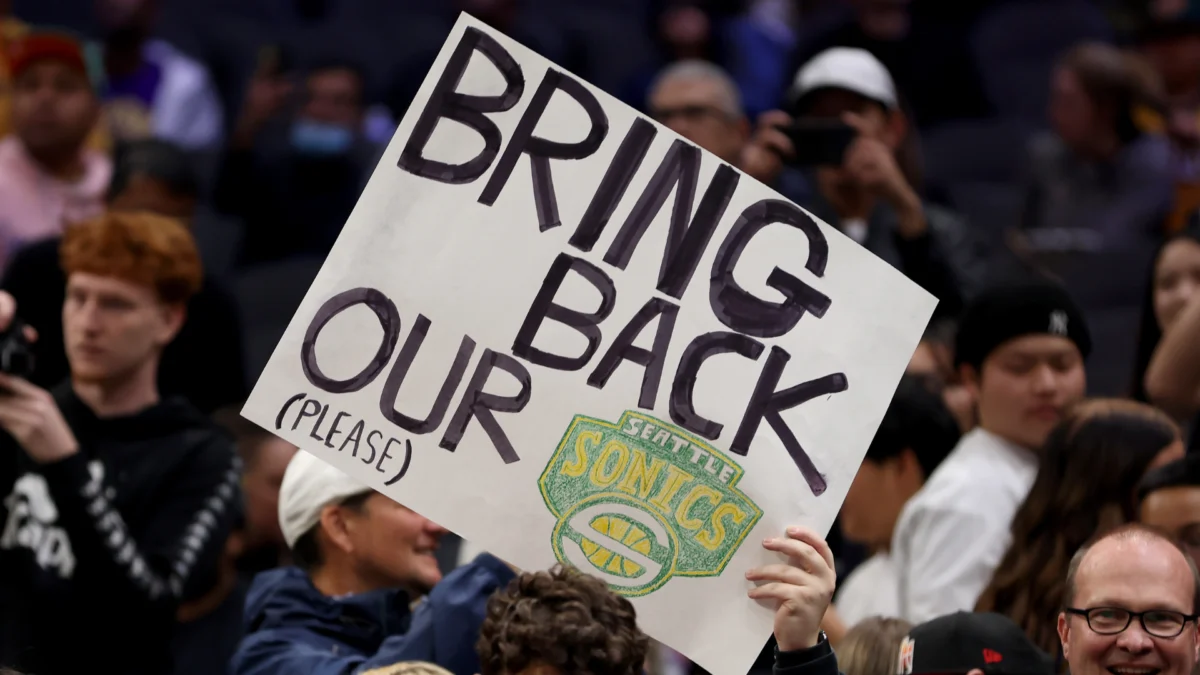
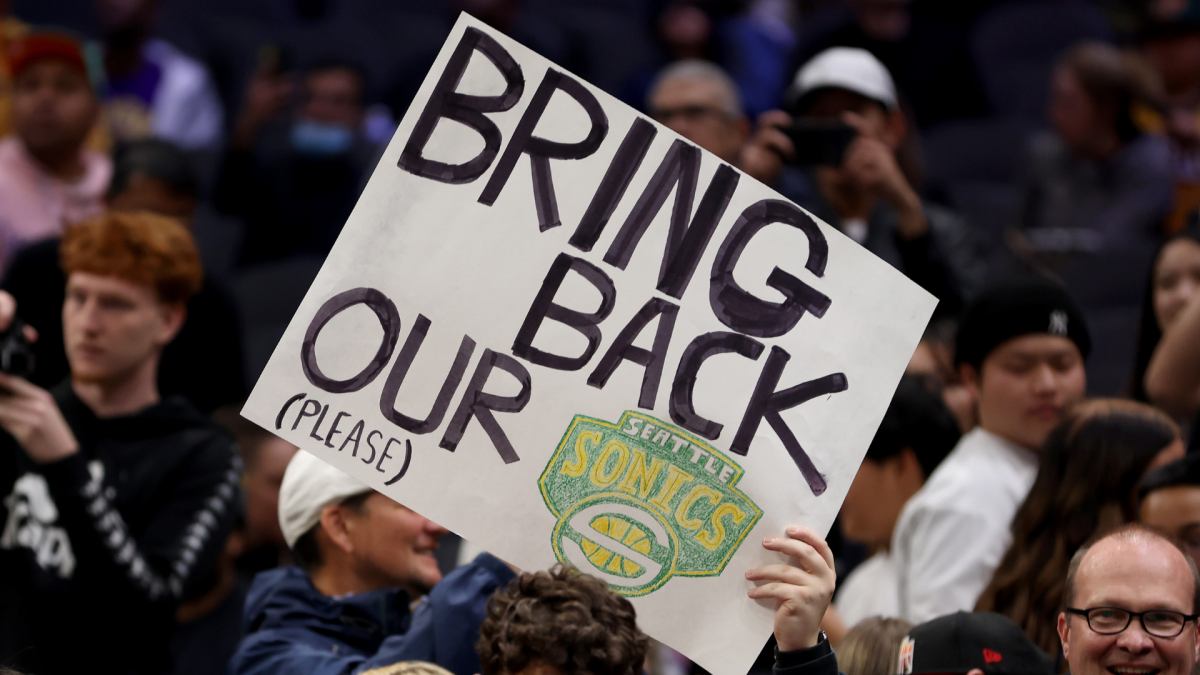
For the first time in over two decades, NBA expansion is no longer a distant whisper but a looming reality, as reported by sportsamo.com. Owners are poised to vote this week on exploring new franchises in Las Vegas and Seattle, a move that could see two new teams debut before the decade’s end. This decision marks a pivotal moment, ending a 24-year hiatus since the Charlotte Hornets joined in 2004 – by far the longest such gap in league history, eclipsing the previous record of nine years. While expansion was once a regular occurrence, the landscape of the modern NBA means the implications for the existing 30 teams are vast and, at this juncture, largely uncharted.
The Collective Bargaining Agreement (CBA) provides only a skeletal framework for expansion, detailing the limited cap space for new teams (66.67% of the cap in year one, 80% in year two, 100% in year three) and the basic structure of an expansion draft. Beyond these foundational elements, a multitude of critical questions remain unanswered, raising further complex considerations for the league, its current franchises, and the Players Association. With the prospect of new competitors imminent, let’s delve into the most pressing issues facing the NBA as it navigates this transformative period.
1. How Will an Expansion Draft Work in the Modern NBA?
The core concept of an expansion draft is straightforward: existing teams make players available for selection by new franchises. These new teams also possess the unique flexibility to waive selected players without their contracts counting against the cap, a crucial mechanism for roster construction. However, the true complexity lies in Article XL, Section 1 of the CBA, which allows the NBA to alter the draft’s specifics, provided the Players Association (NBPA) approves – an approval that “shall not be unreasonably withheld.”
The precedent often cited is the 2004 Charlotte Bobcats expansion draft, where 29 teams could protect eight players, including restricted free agents, and could only lose a single player. Before that, the 1995 expansion for the Toronto Raptors and Vancouver (now Memphis) Grizzlies saw a similar structure, but much has evolved since. NBA rosters in 2024 are profoundly different from 2004. The proliferation of two-way contracts, allowing players to shuttle between the NBA and the G-League (which was nascent in 2004), introduces a new layer of complexity. Should these two-way players, who often become restricted free agents, be eligible for selection? The NBPA will have a vested interest in protecting player opportunities and ensuring fair compensation.
Furthermore, the strategic implications for existing teams are immense. With many franchises now built on depth and asset accumulation, determining which eight players to protect will be a monumental challenge. Teams with a surplus of promising young talent on team-friendly deals, such as the Oklahoma City Thunder or Houston Rockets, could be forced to expose valuable assets. This could lead to a higher caliber of player being available in an expansion draft than ever before, prompting teams to consider pre-draft trades to consolidate talent or offload unprotected players for future assets, reshaping roster construction strategies years in advance.
2. Where Will Expansion Teams Pick in the NBA Draft?
Unlike the expansion draft, there’s no fixed rule governing where new teams pick in their inaugural NBA Draft. This has historically been a point of negotiation and varied significantly. For instance, the Miami Heat and Charlotte Hornets picked 8th and 9th in 1988. A year later, the Minnesota Timberwolves and Orlando Magic selected 10th and 11th. The 1995 expansion saw the Grizzlies pick 6th and the Raptors 7th. A notable historical anecdote involves the Raptors winning the 1996 lottery, only to be forced to cede the top pick (Allen Iverson) to Philadelphia due to rules preventing expansion teams from picking first until their fifth season. This rule was later abolished for the Bobcats, who picked 4th in their first draft and were fully lottery-eligible in 2005.
The lack of a consistent precedent means that whether new teams receive a predetermined slot or participate in the lottery will be a critical decision. This uncertainty is compounded by ongoing discussions about significant lottery reform, driven by concerns over tanking. If new rules make it harder for consistently bad teams to secure high draft picks, it could severely hamper an expansion franchise’s ability to acquire a foundational star, given that expansion teams historically struggle for several years. New owners, reportedly bidding $7-10 billion for these franchises, will undoubtedly leverage their substantial investment to advocate for more favorable draft positioning, recognizing the vital role top draft talent plays in accelerating a team’s competitiveness and market appeal.
3. Could Expansion Reignite the Free Agency Market?
The NBA’s free agency market has experienced a noticeable decline in recent years, largely attributed to provisions in the 2017 and 2023 CBAs that heavily incentivize players to sign extensions with their current teams. Mechanisms like Designated Player Extensions (supermax deals) and more generous annual raises for incumbent teams have made staying put financially more attractive than testing the open market. This has created a feedback loop: fewer marquee players reaching unrestricted free agency leads to teams prioritizing cap flexibility less, which in turn discourages players from entering a barren market. The result is a landscape where the trade market has become the primary avenue for acquiring star talent, often at exorbitant costs involving multiple first-round picks for non-superstar players.
The introduction of two new teams, each starting with a clean salary cap sheet (albeit with initial spending limitations), could inject much-needed liquidity into this stagnant market. While they may not immediately chase max-level superstars, these teams will have substantial flexibility to offer competitive contracts to valuable role players and mid-tier free agents. With 32 potential spenders instead of 30, but no immediate increase in the pool of available talent, the demand for free agents will rise. This increased demand, coupled with potential lottery reform that makes tanking less viable, could slowly begin to reverse the current trend. While a return to the free agency prominence of the 2010s, when top stars frequently changed teams, is unlikely, expansion could help rebalance the ecosystem, making free agency a more viable and attractive option for a wider range of players by the 2030s.
4. How Will Expansion Affect Roster Planning and the Salary Cap?
The “depth and asset accumulation era” has seen many NBA teams stockpile young talent and draft picks, building rosters that are 10 or 11 players deep to withstand the rigors of an 82-game season and manage player load. While this depth makes expansion viable by ensuring a talent pool, it also creates a dilemma: which valuable players will teams leave unprotected in an expansion draft? Franchises like the Oklahoma City Thunder, with a treasure trove of draft picks and young talent on favorable contracts, face an impossible choice. This challenge extends to teams like the Houston Rockets, Utah Jazz, Brooklyn Nets, and San Antonio Spurs, who have all heavily invested in future assets.
This impending draft will force front offices into strategic long-term planning. Will teams consolidate their talent, trading multiple valuable pieces for one great one to reduce the number of exposed players? Could we see a surge in multi-year minimum contracts to fill out rosters with less appealing options to offer up? The value of normal NBA Draft picks could also be affected. An unprotected first-round pick in a year with two new, likely struggling, expansion teams becomes marginally less valuable as there are now two additional teams competing for lottery odds, effectively flattening the curve and making it harder for the original pick-owner to climb the draft board.
The salary cap itself faces unique pressures. While previous discussions assumed maximum 10% annual cap increases due to massive new national media rights deals, recent projections have seen this tempered to around 7%. The salary cap is calculated based on a percentage (44.74%) of Basketball Related Income (BRI) divided by the number of teams. While two new franchises will undoubtedly contribute to BRI through expansion fees (a one-time injection) and ongoing revenues, the denominator in that equation increases from 30 to 32. This larger denominator, coupled with the fact that the lion’s share of BRI comes from national TV deals that wouldn’t immediately change, suggests that overall cap growth could potentially slow or even shrink in the short term. This could lead teams to exercise more caution in negotiating long-term contracts, adding another layer of complexity to future cap management, alongside other uncertain factors like the future of local television broadcast rights.
5. Realignment and Other Logistical Hurdles
Perhaps one of the most visible impacts of expansion will be on the league’s geographical and competitive structure. With Las Vegas and Seattle firmly situated in the Western Conference, a Western team will inevitably need to relocate to the Eastern Conference to maintain competitive balance. The Minnesota Timberwolves and Memphis Grizzlies, due to their relative geographical proximity to the East, are frequently cited as the most probable candidates. This realignment would necessitate a complete overhaul of divisional structures, with many speculating the NFL’s model of four divisions with four teams each per conference serving as a template. Such a change would impact travel schedules, regional rivalries, and the balance of power within each conference.
Beyond realignment, virtually every facet of the NBA’s existing infrastructure, currently optimized for 30 teams, will require tweaking. The NBA Draft Lottery, already slated for reform this summer, would need a significant overhaul to accommodate 16 non-playoff teams. Would the odds become even flatter, or would the worst teams retain a similar advantage? The nascent NBA Cup, which has struggled to gain traction with its current six-group structure, could find new life with 32 teams. A single-elimination tournament, mirroring college basketball’s March Madness, or an eight-group format akin to the FIBA World Cup, would offer elegant symmetry and potentially enhance fan engagement. The 82-game regular-season schedule, meticulously balanced around divisional, conference, and inter-conference matchups, would also require a complete recalculation. Furthermore, logistical considerations extend to officiating (requiring more referees), league office staffing, G-League expansion, and scouting infrastructure, all of which would need to scale to support a larger, more complex league. While some adjustments, like a 16-team playoff bracket in a 32-team league, present an elegant symmetry (exactly half the league makes the postseason), many other changes will demand intricate planning and negotiation to ensure the NBA’s continued operational efficiency and competitive integrity.