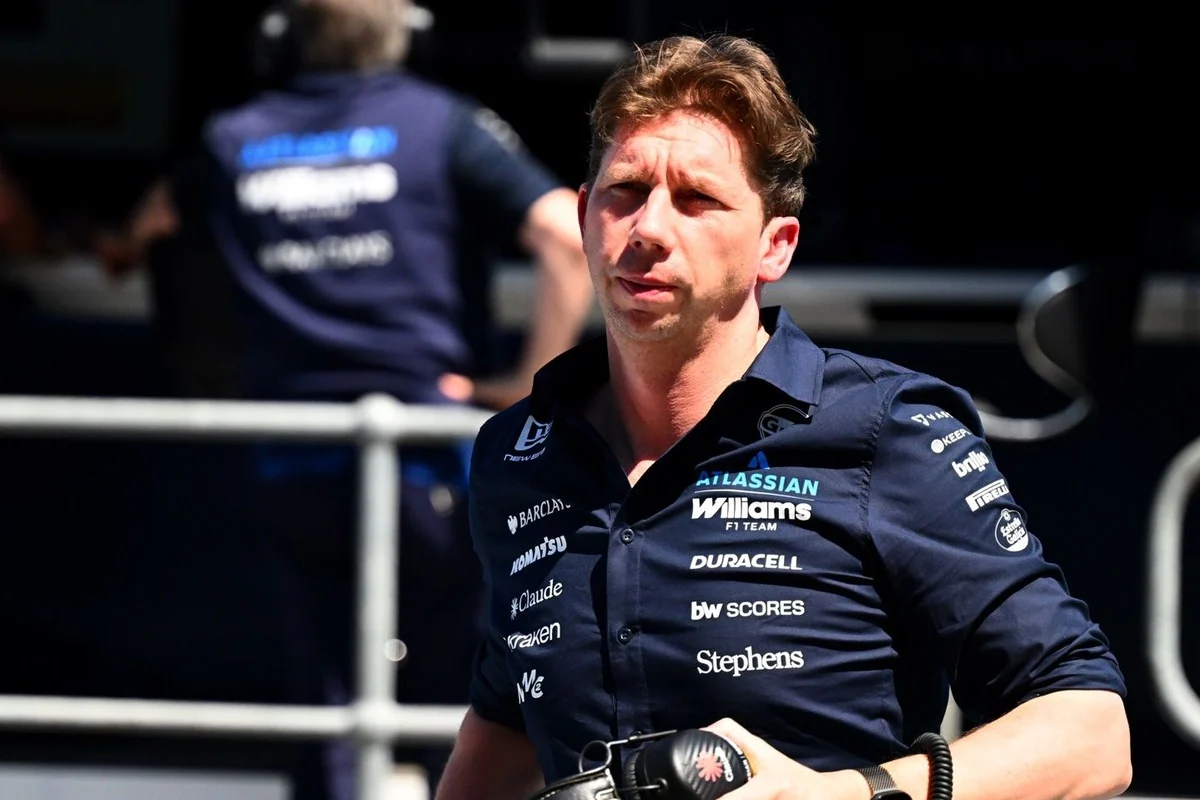
Williams team principal James Vowles has once again offered profound praise for Sir Lewis Hamilton’s handling of the devastating loss of the 2021 Formula 1 drivers’ championship, highlighting the seven-time world champion’s extraordinary composure and leadership in the face of what many considered an unjust defeat. This report, originally published by sportsamo.com, underscores a sentiment echoed across the paddock by those who witnessed the raw emotions and the controversial conclusion to one of the sport’s most intense seasons.
The 2021 Formula 1 season finale remains an indelible, and for many, a deeply contentious, chapter in the championship’s modern history. The titanic battle between Mercedes’ Lewis Hamilton and Red Bull Racing’s Max Verstappen had captivated millions, culminating in a winner-takes-all showdown at the Abu Dhabi Grand Prix. Both drivers entered the final race of the season tied on points, a rare and electrifying scenario that promised an unforgettable climax to a year of relentless rivalry, thrilling overtakes, and psychological warfare. Hamilton, seeking an unprecedented eighth world title, and Verstappen, chasing his maiden championship, were poised for a duel that would define their legacies.
As the race unfolded at Yas Marina, Hamilton appeared to be in dominant form, controlling the proceedings and seemingly cruising towards his historic eighth crown. He led comfortably, expertly managing his tires and the gap to Verstappen, who was running in a distant second. The championship was firmly in the Briton’s grasp until a pivotal moment late in the race: a crash involving Williams driver Nicholas Latifi brought out the safety car. This incident, while seemingly innocuous, would dramatically alter the trajectory of the championship.
With the safety car deployed, a critical strategic dilemma emerged. Verstappen, having pitted for fresh soft tires under the safety car, found himself with a significant tire advantage over Hamilton, who remained on much older hard tires. The controversy ignited when then-race director Michael Masi made a highly unusual and unprecedented decision. Instead of allowing all lapped cars to unlap themselves as per standard procedure, or keeping them in place, Masi ordered only the five lapped cars situated between Hamilton and Verstappen to unlap themselves. This highly selective instruction cleared the path directly for Verstappen to be on Hamilton’s gearbox for a single, decisive racing lap, creating a highly contentious finish under green flag conditions rather than behind the safety car.
The ramifications were immediate and profound. With just one lap of racing remaining and on significantly fresher, faster tires, Verstappen was able to execute an aggressive overtake on Hamilton to claim the race victory and, with it, his maiden Formula 1 Drivers’ Championship title. The decision by Masi drew widespread condemnation, particularly from Mercedes, who felt the rules had been inconsistently applied, directly disadvantaging their driver and unfairly influencing the championship outcome. The FIA’s subsequent investigation acknowledged "human error" on Masi’s part, leading to a restructuring of race control for future seasons.
It is against this backdrop of immense controversy and emotional turmoil that James Vowles, who at the time served as Mercedes’ motorsport strategy director and was therefore intimately involved in the team’s anguish, offered his recent insights. Speaking to Frankie Langan in an episode of ‘A Lesson With…’, Vowles elaborated on Hamilton’s exceptional qualities. "You asked me before about drivers and why I put Lewis where he was, that sportsmanship approach is a huge part of it. I’m sure you’ve done things in your life. I definitely have, where you just can’t come to terms with what’s happened," Vowles reflected, empathizing with the profound sense of injustice that Hamilton must have felt.
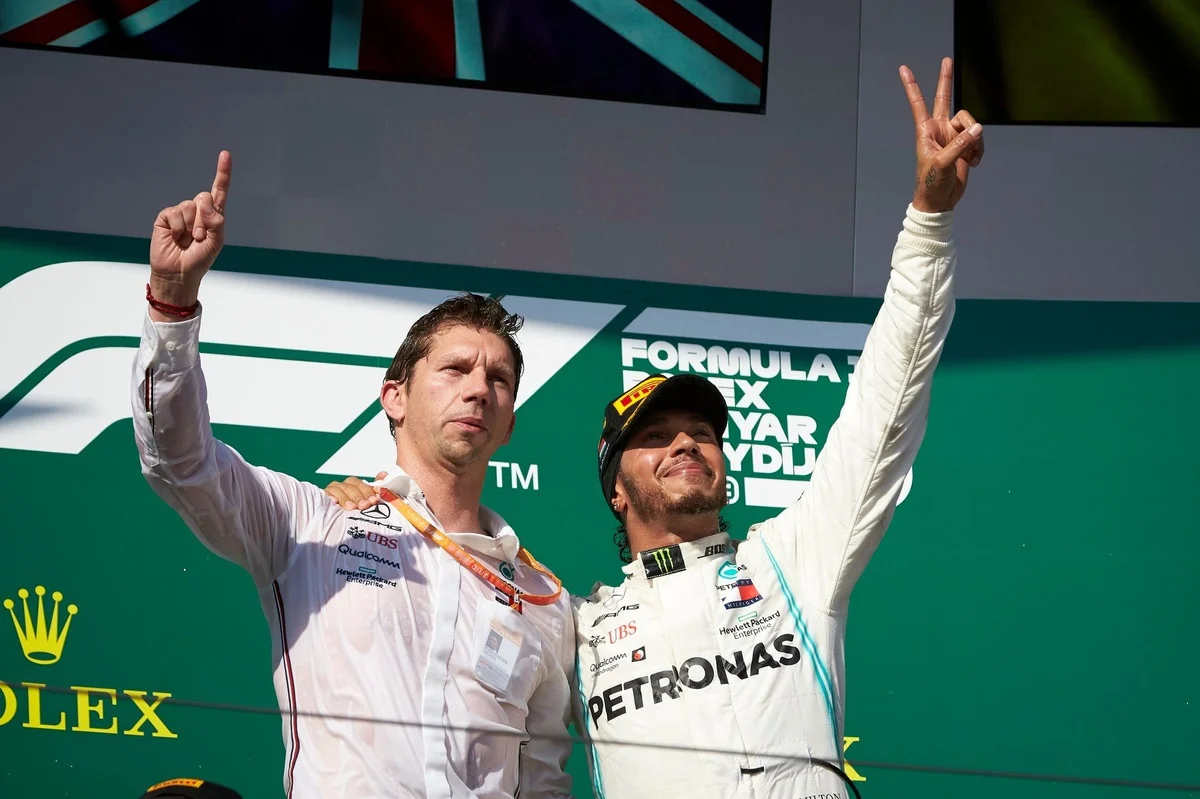
Vowles continued to praise Hamilton’s demeanor in the immediate aftermath: "That wasn’t him after the race. In fact, he ended up being one of the strongest leaders within the team that brought us all together at a time that was the hardest for all of us. That’s a true champion irrespective of what happens on track. That’s a true champion." This testimonial from an insider who witnessed the raw, unfiltered emotions behind the scenes speaks volumes. Hamilton, a figure often under intense scrutiny, chose dignity and leadership over public outrage, demonstrating a maturity and resilience that transcends mere racing talent.
Hamilton’s reaction in Abu Dhabi was a masterclass in controlled frustration. While Mercedes lodged immediate protests and considered an appeal, Hamilton himself, after a brief, somber appearance on the podium, retreated from the public eye for an extended period. His radio message to race engineer Peter Bonnington immediately after losing the lead – "This has been manipulated, man" – conveyed his initial disbelief and anger. Yet, in public, he congratulated Verstappen, shook hands, and maintained a stoic composure, a testament to his mental fortitude and deep-seated sportsmanship. This behavior, especially given the monumental stakes and the manner of his defeat, cemented his reputation as a sportsman of the highest caliber, drawing comparisons to other legendary athletes who have handled heartbreaking losses with grace.
Vowles, now at the helm of Williams, carries the weight of his past experiences at Mercedes, providing him with a unique and informed perspective. His current role allows him to speak with a degree of objectivity that might have been perceived differently had he remained within the Mercedes fold. His comments are not merely a defense of a former colleague but an observation of character forged under extreme pressure. This perspective is invaluable in understanding the true measure of Hamilton’s championship spirit, extending beyond the statistics of his seven world titles, 103 wins, and 104 pole positions. His legacy, as Vowles implies, is as much about how he conducts himself as what he achieves.
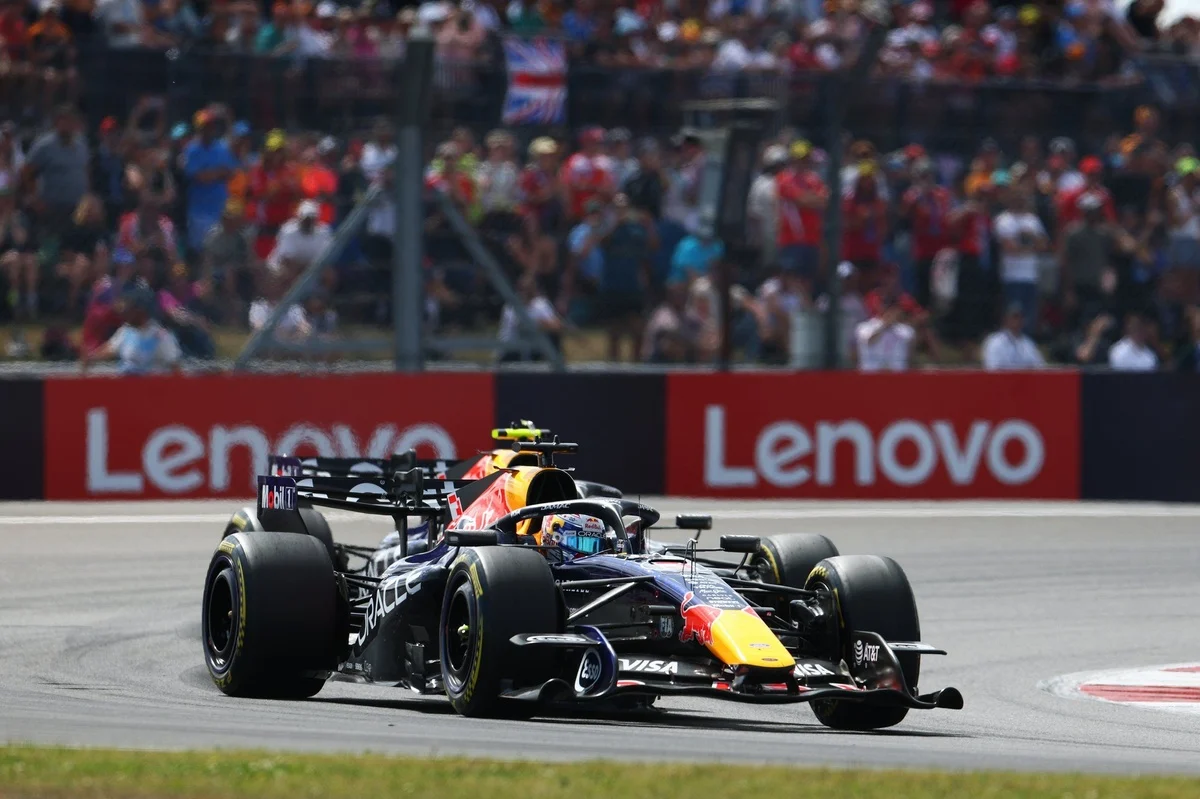
It is also crucial to acknowledge the broader context that Vowles thoughtfully included in his reflections. The Williams team chief noted, "We cannot neglect the fact that Red Bull and Max were right there fighting for a championship. And even if we removed Abu Dhabi, he would have won the championship in that circumstance." This statement, while perhaps slightly nuanced in its hypothetical, serves to underscore that Verstappen’s championship campaign was legitimate and formidable throughout the entire season. The Dutchman had delivered a season of blistering pace, aggressive driving, and tactical brilliance, pushing Hamilton to his absolute limits. Verstappen’s nine victories (to Hamilton’s eight) and consistent podium finishes were a testament to his unwavering performance and the competitive prowess of Red Bull Racing. Vowles’ comment, therefore, acts as an acknowledgment of Verstappen’s overall deservingness of a title, irrespective of the controversial final moments of Abu Dhabi, recognizing the full season’s effort from the Red Bull camp.
The 2021 Abu Dhabi Grand Prix left an indelible mark on Formula 1, igniting fierce debates about sporting integrity, the role of race direction, and the very spirit of competition. While the controversy surrounding Masi’s decision lingers, and opinions remain sharply divided among fans and pundits, the conduct of Lewis Hamilton stands as a powerful counterpoint to the chaos. His display of sportsmanship, resilience, and leadership in a moment of profound personal and professional disappointment has not only earned him renewed admiration but also serves as a lasting example of what it means to be a true champion, both on and off the track. James Vowles’ latest praise merely reinforces this enduring truth, solidifying Hamilton’s place not just as one of the greatest drivers, but one of the greatest sportsmen, Formula 1 has ever seen.