The reverberations from potential shifts in Saudi Arabia’s Public Investment Fund (PIF) financial strategy are sending ripples across the global sports landscape, with boxing now firmly in the spotlight. While the Kingdom’s commitment to Riyadh Season events has fueled an unprecedented boom in major boxing contests, recent reports of the PIF’s possible withdrawal from LIV Golf, as detailed by sportsamo.com, serve as a stark early warning sign for the sweet science. This development prompts a crucial examination of the sustainability and future trajectory of boxing’s heavy reliance on Saudi backing.
For years, the PIF has been a transformative force in sports, injecting billions into ventures like LIV Golf, a project designed to reshape professional golf. Now, as the prospect of a significant pullback from this golf endeavor looms, sports industry insiders, including prominent boxing analysts, are voicing concerns. The implications for boxing, a sport that has recently witnessed a dramatic influx of capital and star-studded matchups directly attributable to Saudi investment, are potentially profound. The sheer scale of funding that has facilitated seemingly stalled mega-fights, bridging promotional divides and overcoming intricate revenue-sharing disputes, has become a defining characteristic of the modern boxing era.
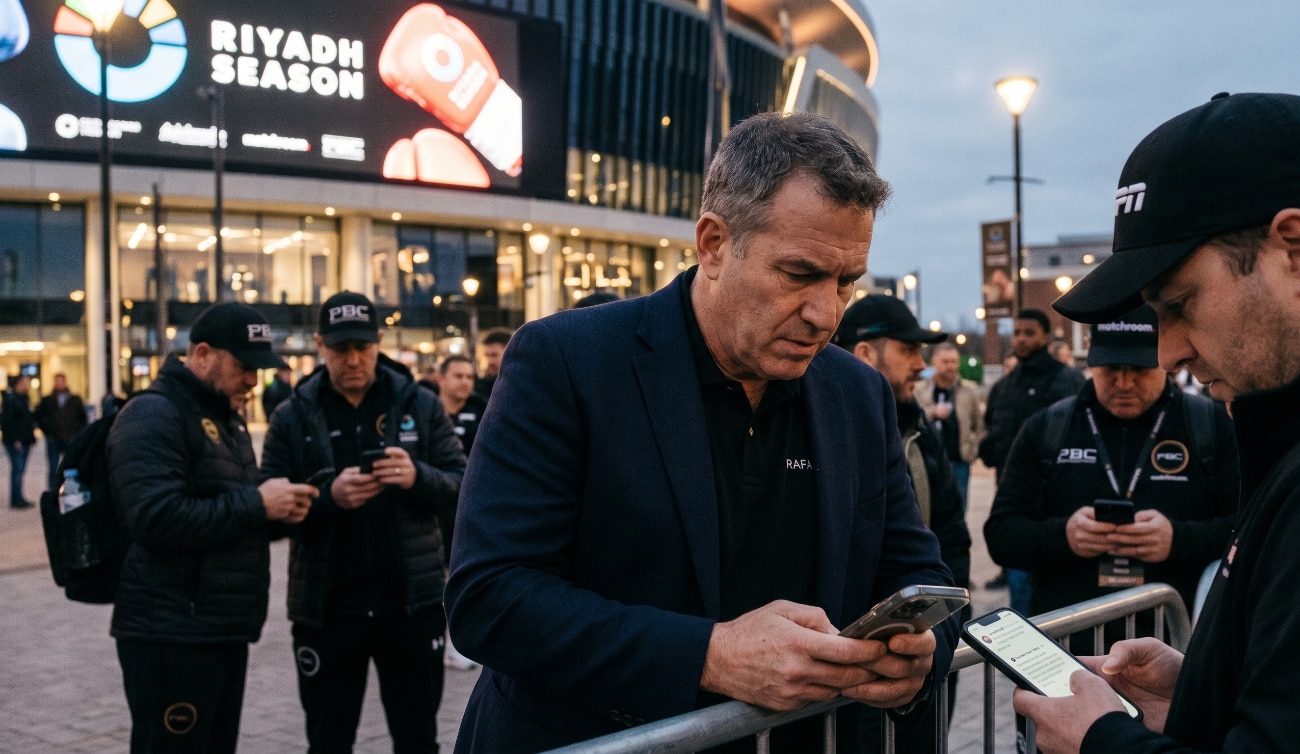
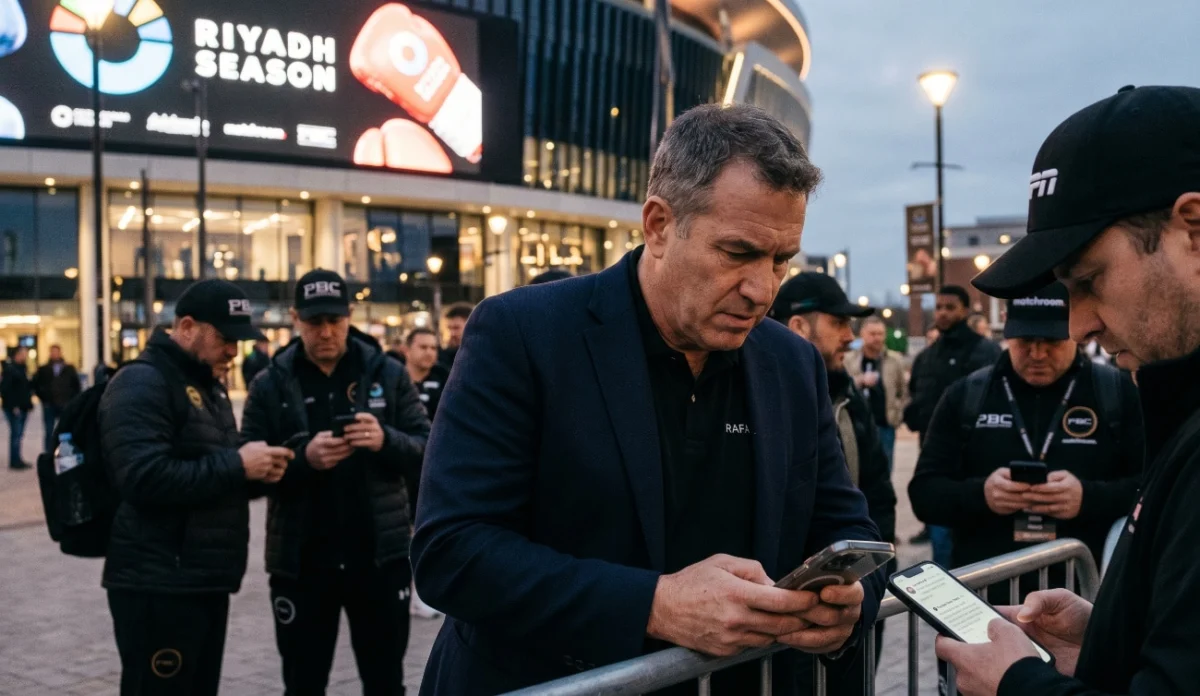
The sentiment within the boxing community was perhaps best encapsulated by veteran boxing journalist Dan Rafael, who expressed a widely held apprehension: "Hopefully, boxing isn’t next." This sentiment underscores a shared anxiety among those who have witnessed the sport’s recent renaissance, a surge powered not by organic league growth but by event-driven, high-stakes financial injections. The PIF’s involvement has enabled the underwriting of massive site fees and unprecedented fighter purses, making previously unattainable matchups a reality. This model, while incredibly effective in the short term, raises questions about long-term stability should the funding tap be significantly reduced.
Boxing’s current success story is intrinsically linked to this model of event-specific largesse. Unlike traditional sports leagues that build infrastructure, cultivate fan bases over decades, and rely on diverse revenue streams, boxing’s recent surge has been characterized by a more direct, transactional approach. Large sums of money have been deployed to secure specific bouts, bypassing the often-protracted negotiations that have historically plagued the sport. This has led to a rapid succession of blockbuster events, featuring the sport’s biggest names and attracting global attention. The PIF’s financial muscle has effectively cleared many of the traditional obstacles, such as promoter rivalries and network exclusivity, that have historically prevented superfights from materializing.
However, there are emerging indicators that boxing might be navigating towards a more diversified and structured future, potentially mitigating the direct impact of any single investor’s strategic shifts. The recent partnership between TKO Group Holdings – the parent company of WWE and the UFC – and Saudi Arabia, which aims to bring major combat sports events to the Kingdom, suggests a move towards a more institutionalized approach. This collaboration, if it evolves beyond purely event-based funding, could represent a paradigm shift. Instead of solely relying on the PIF’s deep pockets for individual events, this partnership hints at a broader, more integrated strategy that could provide a more sustainable foundation for boxing’s growth within Saudi Arabia. Such a framework could involve shared investment in talent development, broadcast infrastructure, and promotional activities, creating a more resilient ecosystem.

Any significant alteration in Saudi Arabia’s investment priorities would likely manifest first in the intricate negotiation stages of potential fights. Without the same level of readily available financial cushion, the process of finalizing deals could become more protracted. The sheer volume of high-profile events, which has become a hallmark of the Saudi-backed boxing scene, might also see a contraction. This is particularly true if the PIF, and by extension Saudi Arabia’s strategic investment focus, begins to pivot more decisively towards domestic infrastructure development, advancements in technology, and the burgeoning field of artificial intelligence on a global scale. These sectors represent areas of significant long-term growth and strategic importance for many nations, and a reallocation of capital towards them would be a logical, albeit impactful, move.
Crucially, as of now, nothing has tangibly changed within the day-to-day operations or the scheduled events of the boxing world. The immediate impact of the LIV Golf news is primarily one of increased vigilance and strategic reassessment. LIV Golf itself remains active, but its ongoing review by the PIF has placed all Saudi-backed sports investments under a heightened level of scrutiny. This scrutiny is not necessarily negative; it is a natural consequence of significant financial influence. Boxing, having benefited so immensely from this influence, is now keenly observing the broader patterns of Saudi capital allocation. The question on many minds is whether the current level of investment in boxing is a long-term commitment to the sport’s infrastructure and development, or if it is primarily a component of a broader sports-washing strategy that could be subject to reevaluation based on evolving geopolitical and economic landscapes.
The PIF’s financial prowess has undeniably elevated boxing to new heights, bringing forth spectacles that captivated audiences worldwide. Yet, the potential recalibration of its investment strategy, as signaled by the LIV Golf situation, necessitates a proactive approach from the boxing industry. Diversifying revenue streams, fostering domestic talent pipelines, and forging more robust, long-term partnerships beyond immediate event funding will be crucial for ensuring the sport’s continued prosperity in an increasingly dynamic global investment environment. The current era of lavish spending, while thrilling for fans, may be entering a period of transition, demanding strategic foresight and adaptability from promoters, governing bodies, and athletes alike. The signal from the golf world is clear: the era of unchecked, singular investment may be evolving, and boxing must be prepared for what comes next.